
Welcome to Modern Agriculture!

One of the most important decisions you'll have to make if you want to start your own aquaponics system is which fish species to use. In an aquaponics system, fish, plants, and bacteria all play essential roles. Natural fertilizer is provided by fish, which allows plants to thrive.
To build a successful aquaponics system, you'll need to carefully select the fish that will thrive in your climate, location, and fish availability. Because different fish and plants thrive at different temperatures and pH levels, it's also
essential to plan what kind of vegetables you want to grow and pair with your
fish.
Aquaponics allows you to raise a wide variety of fish species. There are many
options to suit your needs, whether large, small, edible, or decorative. However, not all fish can be used in an aquaponics system, so selecting fish species that will survive and thrive in your system is critical to the success of your aquaponics system. The fish in aquaponics will be discussed in this article, how to choose the best fish, and what it requires to thrive in your aquaponics system.
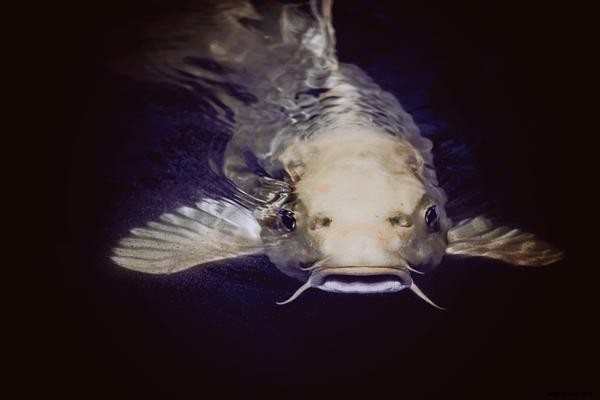
Are the fish you are raising for home use, commercial use, or recreational use? Besides providing nutrients to the plants, it is essential to know and plan out the purpose of the fish in your system. Here are some key things to consider in selecting the best fish for your aquaponics system.
Fish edibility will play a significant consideration in your fish species selection. If you're planning to eat your fish, build your system around edible fish species like Tilapia, Catfish, Carp, Largemouth Bass, etc. You can eat these edible fish species, but often, they are more challenging to maintain and require specific conditions.
Inedible fish species like Goldfish and Koi are easier to maintain, more resistant to diseases and parasites, and less expensive. Goldfish can also be used for smaller or indoor aquaponics systems.
Some fish thrive in cold water, while some thrive in warm water. Fish are cold-blooded, and their ability to adjust to an extensive range of water temperature is low. So the first thing you should consider is; Is the fish you're planning to grow capable of surviving within your location's temperature range?
Fish thrive at specific temperatures, and a steady temperature within their correct tolerance range keeps the fish healthy and helps them grow faster. Knowing the temperature changes and the temperature preference of the fish you want to raise will help you choose the best fish for your aquaponics system.
The next important thing to consider is the fish availability in your location. Some fish are available only in some areas; an example is the Barramundi. This fish is not easily available in the US but is readily available in Australia. The ease of acquiring fingerlings also matters in selecting the best fish to raise in your aquaponics system. Tilapia is the most common fish species used in aquaponics because they are hardy and readily available in most parts of the world.
Not all fish are legal to be purchased and grown in some locations. So it is essential to check first with your local fish farming laws to ensure that the fish you intend to use in your aquaponics system is legal in your location.
Some fish species are hardy and easy to raise, while others are sensitive and costly to grow. If you don't want to spend a lot of time and effort maintaining your system, choose a hardy fish immune to diseases and parasites. Tilapia and Koi are hardy fish and great for beginners in aquaponics.
Your fish tank's size will determine what type and amount of fish are suitable for your system. Make sure to learn the adult size of the fish you are planning to raise and the size of the tank needed. Some fish require space to thrive, so be aware of the maximum adult size of the fish you plan to raise. For example, a channel catfish can grow up to 40-50 lbs, so they need a large fish tank of 250 plus gallons.
The filtration capacity of your aquaponics system determines how many fish you can keep in your fish tank. It would help to balance fish needs and the plants' capacity and not over-populate or under-populate the fish. An overcrowded fish tank can disrupt the oxygen level in the water. As a general rule of thumb, you should have 1-inch of fish length per gallon of water.
Fish breeding habits are also crucial in selecting fish to raise in your aquaponics system. Some fish species don't reproduce in captivity, while other fish species like Tilapia reproduce easily and quickly. Sometimes fast reproducing fish species can create problems in poorly built systems and cause fish stocking density problems. You may need to have separate tanks for breeding fish to spawn and keep the young fish alive and healthy.
Fish diets are one of the essential things to consider in fish selection for your aquaponics system. Fish food choice and fish food nutrient availability can affect the maintenance cost of your system. Fish requires the correct balance of proteins, fats, carbohydrates, vitamins, fats, and minerals to thrive.
Commercial feed pellets are highly recommended for small-scale aquaponics systems, especially at the beginning. You can also feed homemade fish food to your fish, but special attention must be given because sometimes they are not balanced in the essential nutritional components needed by the fish.
Fish are classified into four groups based on their feeding patterns. These groups are Herbivores, Carnivores, Omnivores, and Detritivores.
Herbivorous fish eat plants, fruits, and algae. They have a unique intestine designed to break down plant matters, and they need more frequent feedings as they don't have a stomach to hold a large volume of food.
Omnivorous fish eat both vegetables and meat except for some grains and plants that they cannot digest. They are excellent fish to raise because they are easy to feed. Omnivorous fish also eat live foods and flakes.
Carnivorous fish are live food and meat-eaters. These types of fish have enormous mouths and sharp pointed teeth that can grasp and tear their prey. Carnivorous fish also have larger stomachs and can swallow their food without chewing. They are not suitable to raise with other fish in the same tank because they will eat the other fish.

Ammonia and nitrite are toxic to fish. Ammonia and nitrite are considered harmful when the levels are above 1 mg/litre, although any level of these compounds can contribute to fish stress and other fish diseases. The beneficial bacteria or biofilters are responsible for converting ammonia and nitrites into nitrate.
Fish can tolerate a wide range of pH, but they thrive at levels of 6.5-8.5. A substantial change in pH levels in a short period can cause problems for the fish. So it is essential to keep the pH stable. To prevent large pH swings, buffering with carbonate is recommended.
Dissolved oxygen (DO) is necessary for growing fish and beneficial bacteria that convert fish waste into nutrients for the plants. It is recommended that the DO levels in aquaponics systems should be maintained at 5ppm or higher. If the DO levels in your system are too low, increase aeration by using a larger pump or adding air stones. Do not overstock the fish in your system to avoid low levels of DO.
Reduce the light level in the fish tank to prevent algae growth, but it should not be completely dark, as fish will experience stress and fear when a completely dark fish tank is exposed to a sudden light when uncovered. The ideal light is with indirect natural light through shading, which will prevent algae growth and fish stress.
Tilapia is the best fish to rest in aquaponics because they can adapt to their environment and withstand less than ideal water conditions. They are resistant to many pathogens, parasites, and handling stress. Tilapia is a hardy fish and has a diverse diet. They are omnivores, meaning they eat both plant and animal-based feed.
The harvest time for Tilapia is between six and eight months, depending on how warm the water is, how much they are fed, and the size of fish you want to harvest. Tilapias are easy to breed in small-scale and medium-scale aquaponic systems. Tilapia prefers a temperature of 82 - 86 °F and a pH of 6.5 - 9.
See our in-depth article on how to raise tilapia in aquaponics systems.

Trout are carnivorous cold-water fish that belong to the salmon family. They are perfect fish for indoor and outdoor systems because they have an excellent temperature range. Trouts prefer colder water and thrive in temperatures ranging from 56 to 68 °F. Trouts are slow-growing fish and can reach about one pound in 4 years in the wild.
Trout are ideal for aquaponics in Nordic or temperate climate regions, especially in winter. Trout requires a higher protein diet compared to Tilapia and carp. They have a very high tolerance to salinity and can survive in freshwater, brackish water, and other marine environments.

Catfish are a highly hardy group of fish tolerating wide swings in DO, temperature, and pH. They are also resistant to many diseases and parasites. Catfish are the easiest fish to raise for beginners in aquaponics who want to grow fish in locations where the electrical supply is unreliable. Because of their high tolerance to low DO levels and high ammonia levels, catfish can be stocked at a higher density, provided that there is enough mechanical filtration.
Catfish are the easiest species for beginners or aquaponics growers who want to grow fish with an unreliable electrical supply. Given the high tolerance to low DO levels and high ammonia levels, catfish can be stocked at higher densities, provided adequate mechanical filtration.
Catfish are benthic fish, meaning they are bottom feeders and valuable scavengers that are not territorial and easy to breed and raise. When raising catfish, it is recommended to use a tank with more significant horizontal space than vertical space to allow the fish to spread out at the bottom. Other fish like Tilapia, Perch, or Bluegill sunfish can be raised with catfish in the tanks. Catfish thrive at a similar temperature to tilapia 75 - 85 °F and require a pH of 7 -8. They grow relatively fast and can be harvested within three months.

Largemouth bass can tolerate a wide range of temperatures, low DO, and pH. However, largemouth bass prefer clean water. They are carnivorous fish, and they require a high protein diet. The growth rates of largemouth bass are dependent on the temperature and feed quality.
In temperate climates, most of the growth is obtained during the warmer season. Largemouth bass thrive in a water temperature of 65 - 80 °F and pH of 6 - 8 and can be harvested within one year from fingerlings. Because of their high DO tolerance and resistance to elevated nitrite levels, largemouth bass is one of the best fish to raise for aquaponics farmers, particularly those who cannot change fish species between cold and warm seasons.

Salmon are great-tasting and one of the best fish to raise in your aquaponics system if you live in a colder climate. They require a larger fish tank to thrive and can take about two years to reach full size. The salmon's water temperature should be between 55 - 65 °F, and their pH should be in the range of 7 - 8.

Koi is one of the most popular ornamental fish used in aquaponics. Koi has a long lifespan and can breed and live comfortably within the aquaponic system. Koi can survive off of many types of food and are also disease and parasite-resistant. They thrive on temperatures of 65 - 78 °F and pH levels of 6.5 - 8.

Goldfish is an excellent ornamental fish for aquaponics that is easy to take care of. They are hardy fish species that can live in a high level of water pollution. Goldfish prefer temperatures of 78 - 82 °F and prefer a pH range between 6 - 8. Because of their small size and parasitic nature, goldfish are not edible.

Acclimatizing fish into the new fish tank can be stressful for the fish, mainly if they just came from the transport of one location to another in small bags or tanks. The two main factors that cause fish stress when acclimating are changes in temperature and pH. To acclimatize the fish, keep the new fish in a small aerated tank with their original water for several days and slowly add water from the new one over the day.
Fish highly depend on the water in which they live, so changes in the water will directly affect their health and well-being. Here are symptoms to look for when checking the health of the fish.
Symptoms of Diseases To Look Out For:
Diseases can be introduced by new fish, plants, live food, invertebrates, or equipment used in the system. There should be a delicate balance in the fish tank to ensure that the fish remain healthy. Like all animals, fish carry bacteria, viruses, fungus, and parasites. Not all of these are harmful, but some of these microorganisms, called pathogens, can cause diseases. The following factors can cause fish disease.
The fish species mentioned above are the best fish for aquaponics systems. However, to choose the best fish for your own aquaponics systems first, it is essential to note the factors you need to consider. Second, it is also necessary to select fish species that will suit your location and specific needs.
For a successful aquaponics system, it is essential to choose the right fish. But it is also necessary to establish a maintenanceroutineto prevent diseases affecting your fish and plants. Feed your fish the right food, not just for their health but also for yours, if you plan to harvest and eat them.
Thank you for reading our article. We'd love to hear your feedback in the comments section below. Suppose you need help in choosing the best aquaponics plants click here.