
Welcome to Modern Agriculture!

Fish health and care are critical and essential to the overall health and function of an aquaponics system. So understanding your fish needs is an integral part of running a successful aquaponics system because, if the fish are unhealthy, waste production slows, resulting in poor plant growth and harvest.
Keeping your fish healthy and free from diseases will go a long way towards ensuring that your system is running smoothly. This article discusses the critical aspects of fish health in aquaponics, including managing and preventing fish diseases.
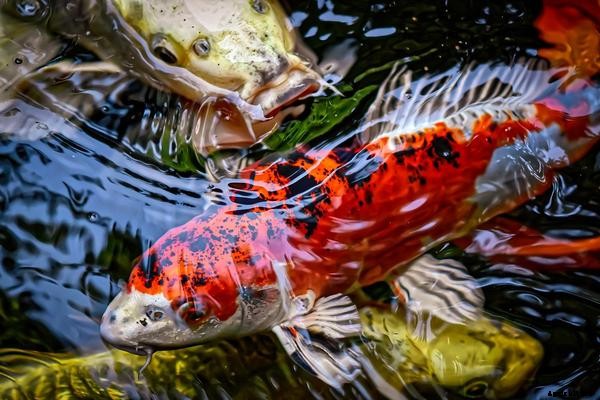
Like plants, it is best to wait until the system is cycled and the biofilter is fully functioning before adding fish to your aquaponics system. There are several essential factors that you should consider in caring for fish in your aquaponics. These factors are:
Choose the best fish species that are suitable for your system, climate, and location. The most common fish used in aquaponics are tilapia, carp, barramundi, jade perch, catfish, trout cod, salmon, and bass. It is also essential to know your local fisheries regulation because not all fish are legal to be purchased and grown in some locations.
You must acclimatize new fish to the water in your fish tank to avoid fish stress. To acclimatize the fish, slowly allow the temperature to balance by floating the sealed transportation bags with the fish inside the fish tank. Do this for 15 minutes and add a small amount of water from the tank to the transport water with the fish to slowly acclimate fish. This should only take at least 15 minutes, and then you can add the fish to the fish tank.
The fish feed ratio provides a way to balance the components of an aquaponics system. Fish feed rates vary according to the growth stage of the fish.
The primary indicator of fish health in your aquaponics system is their behavior. It is essential to recognize the behavior of your fish and look for signs of fish stress, disease, and parasites to maintain healthy fish.
Here are some important ways of maintaining healthy fish in your aquaponics system:
1. Observe fish both before and after their daily feeding and note how much fed is eaten.
2. Observe and take notes of the fish's behavior and appearance daily.
3. Understand the signs of fish stress, disease, and parasites.
4. Maintain a low-stress environment with consistent good water quality, specific for the fish in the system.
5. Use the proper stocking density and feeding rates.
Healthy fish in your system shows the following behavior:
1. Extended fins and straight tails.
2. A graceful pattern of swimming. No lethargy. However, catfish often sleep at the bottom of the fish tank until they wake up and begin feeding.
3. A healthy appetite and not shying away at the presence of the feeder.
4. No marks, discolored blotches, streaks, or lines.
5. Not rubbing or scraping on the sides of the fish tank.
6. Sharp, clear, and shiny eyes.
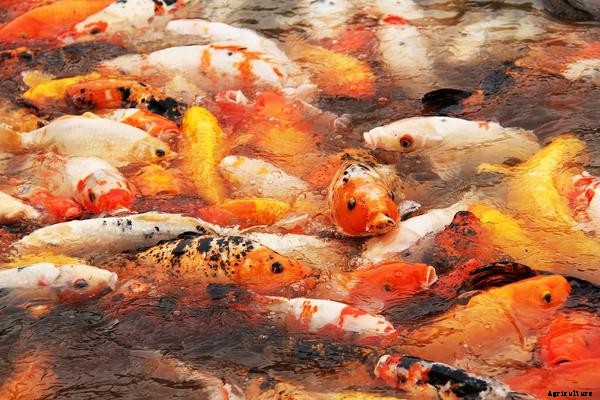
Several conditions can cause fish health problems in your aquaponics system; these are fish disease, parasites, fungus, and bacteria. These can all appear in your fish tank and quickly spread disastrous effects on the fish. The chance of fish disease or stress is especially high when you introduce new fish or add new water to your system, as the new fish might have brought diseases with them.
Prevention is the best way to prevent disease in fish, and recognizing the signs of fish diseases can help you avoid the loss of fish in your aquaponics system. In preventing fish disease, it is important to check your fish regularly for any of the following signs:
Fish diseases can be introduced by adding new fish, poor water quality, live food, invertebrates, or equipment used in the system. Like other animals, fish also carry bacteria, viruses, fungus, and parasites. Though not all of these bacteria are harmful, some of these microorganisms, called pathogens, have the potential to cause fish diseases.
The following factors can cause fish disease in your aquaponics system.
Also known as cotton wool disease or fuzzy fish, the fish fungus looks like a cotton-like growth on the skin or fins. Fungal spores are common in poorly maintained tanks, poor water conditions, or damaged tissues of the fish from wounds.
The first important thing you need to do is a water test to establish if poor water conditions cause fish disease. If there are other problems, such as ammonia and nitrite levels, then you need to ensure that ammonia and nitrite levels are within their ideal range.
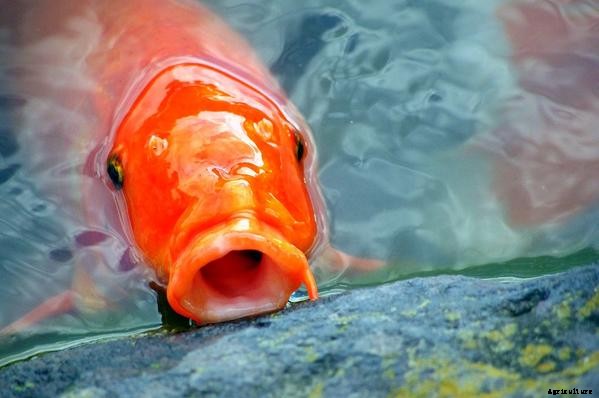
Stress can be detrimental to fish, just as it is for humans. Prolonged fish stress can result in bad health outcomes.
A new aquaponics system is more vulnerable to nitrite poisoning, especially when they are not yet correctly colonized by beneficial bacteria. However, nitrite poisoning is not just limited to new systems; established aquaponics systems can have nitrite poisoning when the nitrites level goes over six ppm.
Lower the nitrite level in the fish tank by:
1. Purchase healthy fish from a reliable and reputable fish supplier.
2. Quarantine new fish in a separate fish tank before introducing them into an established fish tank.
3. Feed the fish with a proper, varied, and well-balanced diet.
4. Keep the water quality of your system clean at all times and ensure that it is within the critical water quality parameters of pH, ammonia, nitrites, nitrates, and temperature of your fish.
5. Ensure enough aeration to keep DO as high as possible.
6. Remove uneaten fish food from the tank.
7. Ensure that the water is from a good source, clean, and free of chlorine.
8. Make sure that the fish tank is in an excellent shaded place.
9. Follow the standard hygiene procedure by washing hands and using clean gear or equipment.
10. Treat the disease as soon as it is identified.
Fish health in your aquaponics system may also be affected by improper salinity, too much aeration, and lack of food. However, with the use of proper aeration and the right fish food, these factors will not affect the health of your fish.
In managing fish health in your aquaponics system, it is important to keep your water within its parameters, give your fish the right fish food and follow the aquaponics maintenance tips. Thank you for reading and subscribe to our newsletterfor more aquaponics updates.


