
Welcome to Modern Agriculture!

Plants require certain things, no matter what method you are using to grow. But with aquaponics, you have to set up fish tanks and plumbing and grow beds. So correctly providing for your plants and fish will appropriately involve careful planning. And there are a few things you need to be aware of that are unique to aquaponics.
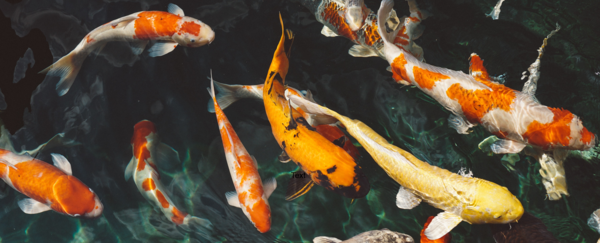
Fish are the fun of aquaponics. If it weren’t for the fish, you’d just be doing hydroponics.
You’ll want to select a fish species that works for your needs. The fish should thrive at the temperature(s) you plan to maintain in your system. The fish should thrive in tanks and should do well in freshwater.
Tilapia is a common choice because it has been used widely in documented systems. However, tilapia require constant warm temperature. Allowing the water to cool to even 60 degrees can kill your tilapia stock. So consider whether you are willing and able to maintain the water temperature. Tilapia are also aggressive breeders, making them a concern in many areas.
Blue Gill is emerging as a popular choice. These panfish do well in tanks, make for good eating, and can thrive in an unusually wide range of temperatures. But they aren’t tame like tilapia and goldfish. If part of the fun of aquaponics is having fish that gather to meet you when you feed them, bluegills aren’t for you. Bluegills are native to most areas of the country.
Catfish are another great option. Because of the size to which catfish can grow and their tendency to favor the bottom of the tank, those who raise catfish recommend you use a fish tank that can hold at least 300 gallons of water. Catfish are native to many areas of the country.
Jade Perch are native to Australia but are favored because they are so high in Omega-3 oils. Jade perch do well in tanks but are not native to the United States.
Goldfish and Koi are a popular choice. They are common pet fish. They do well in a wide range of temperatures. But they are not fish most people would want to use as food. If having edible fish is important to you, you’ll want to consider a different species.
There are several other good fish options. But if you’re just getting started, these top the list.
For most fish, it is a good idea to consult with your local Department of Natural Resources (DNR) to determine if any permits are required. Each DNR typically covers your state, though some states are large enough that you’ll need to check with your county.
You’ll ideally want to keep your fish in a tank with rounded edges. Fish do better if there are minimal ways for them to collide with walls. And rounded edges discourage pockets of waste from uneaten food or fish feces. The best commercial systems for fish involve a central drain that allows solids to be removed as part of the natural flow of water through the tank. However, a small system using a standard aquarium can work.
Because of the high level of nutrients in an aquaponics system, algae will grow if you don’t minimize the light hitting the walls of the fish tank. Algae consume the oxygen your fish and plants need to thrive.
You will also want to ensure your fish have enough oxygen. For a beginning system, an air pump should be adequate.
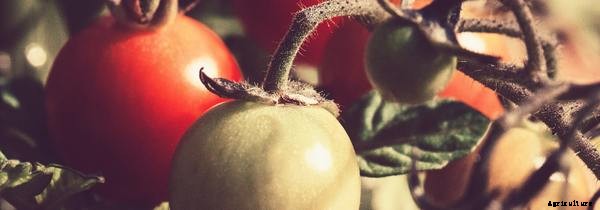
Most of us already know the basics of growing plants. You probably have a couple of plants living in your family room or maybe even a garden in your backyard, but a useful way to remember the needs of plants is the acronym SWANS:
Sun refers to the light your plants will need. Fish also like to know when it is day and night.
Water, this is talking about the all-important water plants need, which fish also need.
Air. Plants need oxygen. So do fish.
Nutrients are one of the aspects of aquaponics that is both most exciting and yet still mysterious. For fish, this is mainly related to food, which the grower provides.
Support plants need support to grow properly. And fish tanks must be on surfaces that can bear the weight of the many gallons of water required.
Our next article discusses how light, water, and oxygen affect your aquaponics system. Subscribe to our newsletter below to be notified when our new articles are published!


