
Welcome to Modern Agriculture!

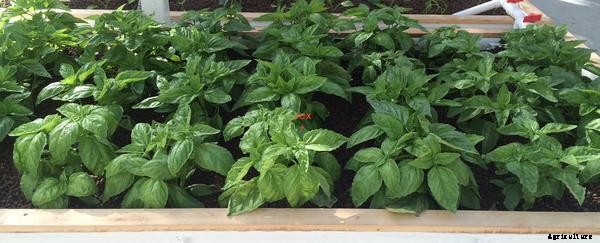
Growing vegetables in your aquaponics system have many benefits for both you and the surrounding environment. Here are a handful of the many benefits to growing plants/vegetables with aquaponics.
Aquaponics is a sustainable farming or gardening method in which you can grow fish and vegetables in just one system. Plants and fish grow together symbiotically, with the help ofbeneficial bacteria. Fish waste is converted into nitrates, which the plants use as fertilizer, the plants then filter and clean the water for the fish.
Aquaponics is a balanced and self-contained ecosystem. No chemicals or fertilizers are added or needed to help the plants grow and thrive in an aquaponics system. Pests are kept to a minimum by having the grow beds up off the ground, using a greenhouse and or by using natural, non-toxic gardening methods. The ultimate aquaponics beginners' guide will guide you in starting your aquaponics system.
Year-Round Gardening: Different from other farming methods, aquaponics allows you to grow food all year round, by regulating the temperatures as per to what you are growing, and by using greenhouses. You can grow plants throughout the year.
One of the great benefits of aquaponic growing is the minimal water wasted compared to conventional farming. Although the name implies 'water' aquaponics uses approximately 95% less water than traditional farming.
When watering your conventional garden, the majority of the water used is lost in the soil, never getting to the roots of your plants. Aquaponics uses the same recycled water continuously. Very little water is lost in evaporation, and the water feeds only the roots of the plants in your system. Aquaponics is also more water-efficient than hydroponics because hydroponics requires that you completely change the water after each crop. These are not needed in aquaponics; instead, all the water is recycled and reused.
Your aquaponics system is a direct reflection of what you put into your system. Since the system is a self-contained recirculating system, you do not need to add harmful pesticides and chemicals. Any additions may kill your fish, meaning that keeping your fish healthy will also keep your system healthy. Think about an oasis in the middle of the desert with a small pond where the fish are happy and healthy. The fish in the water fertilize the water. The lush plants around the pond are fed off the water and fish excretion. Without the fish, your plants would either die or become weak and sick, and without the plants filtering out the nitrogen from the water, your fish will become sick and die. These are the perfect example of the symbiotic relationship between the plants and fish.
The nutritional value of vegetables grown in aquaponics tends to be higher than vegetables grown in the ground, and the great thing about having your aquaponics farm/system is that you control what goes into your plants. You don't have to trust the farms telling you that the plants they grow are organic. You can be confident your plants are organic because you know what went into growing them.
Think about how you would feel if you ate only doughnuts for an entire month or several months? Terrible, right? Well, similarly, your plants and vegetables will take in the nutrients and harmful elements (sugary sweet doughnuts) in the soil that they are grown in. You may have great soil in your backyard, or maybe your soil has some good nutrients and some harmful elements in it (as is usually the case).
With aquaponics, you don't have to worry about what's in your soil because you completely control what goes into every one plant and vegetables that are grown in your system.
Whatever your reason for starting and maintaining your aquaponics system, the benefits are real and tangible. Aquaponics is also a great way to teach biology, physics, and sustainability. Aquaponics doesn't need to take up a lot of space and is fun, making it an excellent tool for parents and schools to teach the next generation.
So save water, avoid pesticide loaded vegetables, know what went into growing your plants, and have some fun maintaining your system all at the same time. Subscribe to our Newsletter to get aquaponics updates.


