Welcome to Modern Agriculture!

Coffee is a standard beverage in many households around the world. It’s a favorite breakfast staple because it provides an energy boost and helps improve one’s attention span.
These benefits trace back centuries ago to the forests of Ethiopia. According to legend, a herder discovered coffee when his goats ate some berries that kept them exceptionally alert throughout the day. He then shared his discovery with an abbot who made a drink out of the berries. The drink kept the monks alert during their evening prayers.
When news of the benefits of these berries reached the Arabian peninsula, the journey across the globe of coffee began. And until now, it is still a beloved drink among millions of people around the world.
There are two major species of coffee plants- the Robusta and the Arabica. Each one produces coffee beans that have their unique flavor profile and caffeine content. Arabica has a sweet, fruity flavor, while Robusta has an earthy, bitter taste. Robusta also has double the caffeine content of Arabica.
While coffee is always readily available at coffee shops, many people still enjoy brewing at home. The key to making a good cup of joe is using fresh, whole coffee beans. The recommended coffee-to-water ratio is 1 gram of coffee to 17 grams of water.
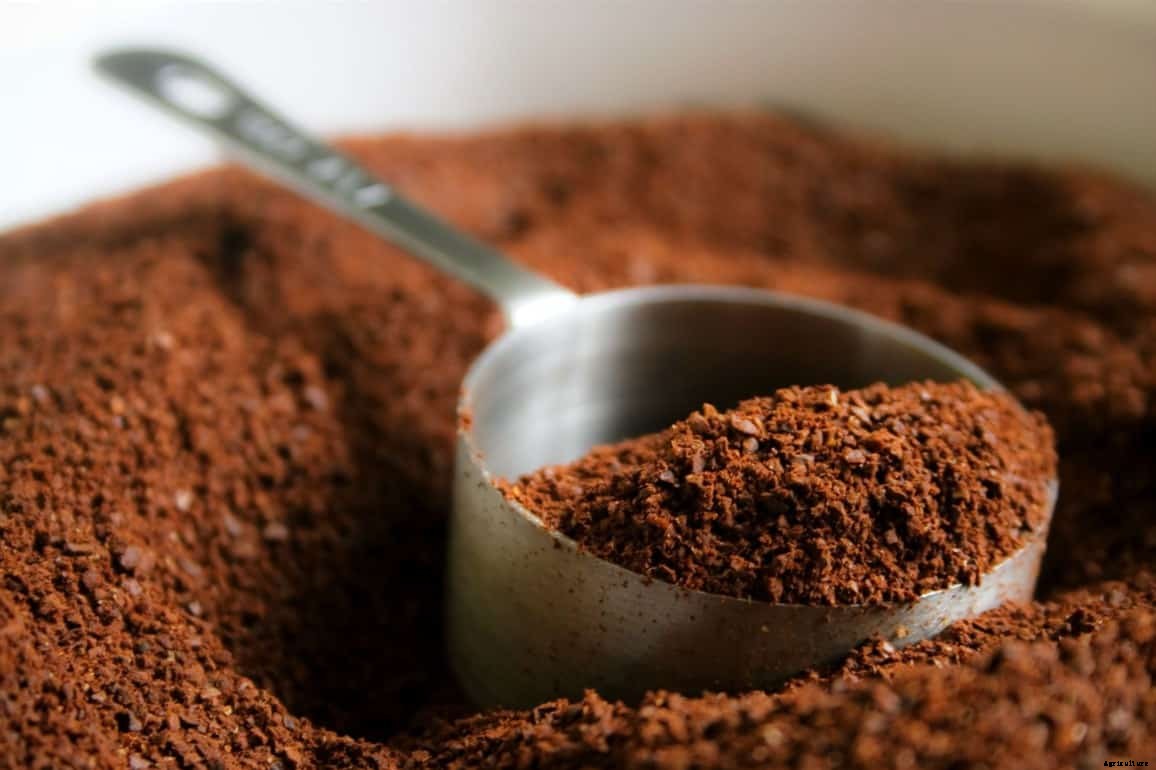
Coffee grounds are by-products of the brewing process. The shapes and sizes of these leftovers depend on the beans used and the grinding process. However, they would often look like beans, grains, or needles.
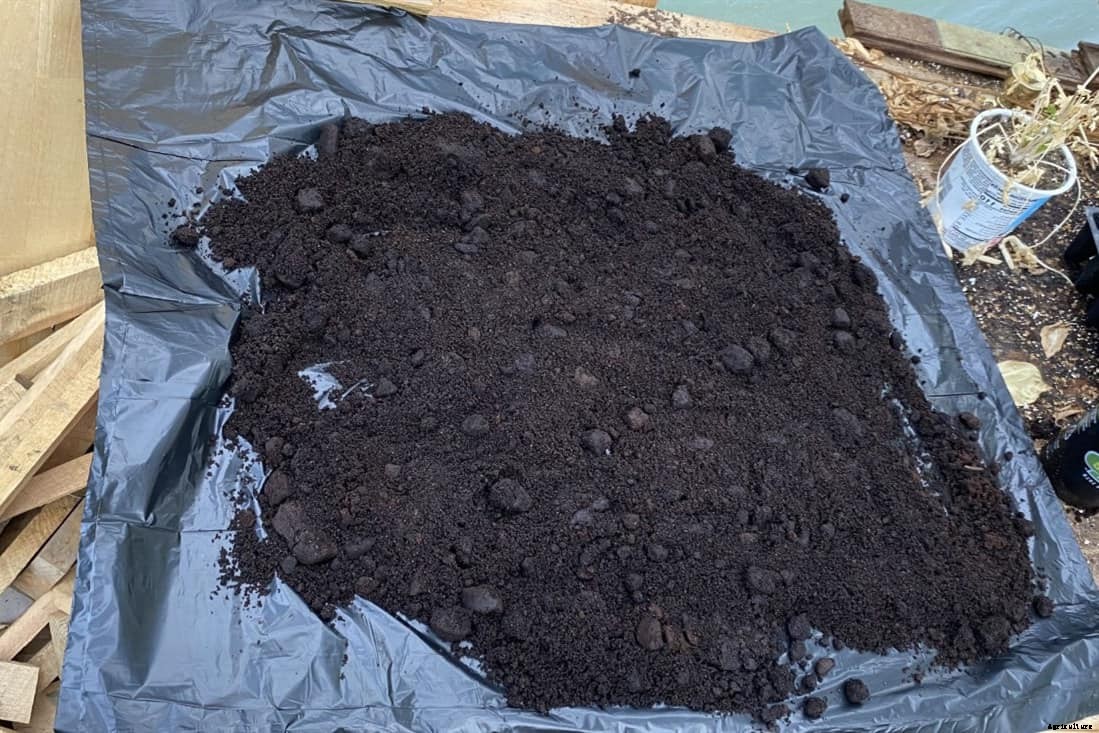
While some people regard coffee grounds as waste, some farmers and gardening enthusiasts use them for several agricultural purposes. Coffee is rich in nutrients that can significantly improve the health of plants. It is an excellent compost material since it decreases greenhouse gas emissions and the concentration of heavy metals in the soil.
Coffee grounds are also used to repel garden pests such as flies, mosquitoes, slugs, and beetles since they contain certain highly toxic compounds to insects.
Coffee contains compounds that are toxic to animals, so chickens shouldn’t eat coffee grounds. While some backyard raisers have claimed that their chickens ignored the coffee grounds on the soil, others have shared that their birds ate some.
It would be best not to take the risk of using coffee grounds in feeds or as gardening materials if you’re raising chickens. These birds have unpredictable behaviors and love to forage, and they might accidentally eat coffee grounds off the soil.
Coffee, like tea and chocolate, contains a chemical compound called methylxanthine. This compound is the most consumed psychoactive substance in the world. Caffeine, the most common substance in coffee, is a form of methylxanthine. If a chicken or any pet ingests caffeine, it will only take about 30 minutes to one hour before signs of clinical toxicity will manifest.
Caffeine toxicity is a condition that results from the ingestion of excessive amounts of caffeine. This syndrome adversely affects calcium absorption and the immune system, which leads to issues in the heart and lungs.
Scientists have studied the addition of caffeine in layer feeds to see if it can improve the chicken’s performance. Results showed that it could interfere with their central nervous, respiratory, and circulatory systems. It can even lead to death.
The addition of caffeine in their diet can also affect the egg-laying performance of hens and the quality of eggs. So whether caffeine ingestion is accidental or intentional, it is not suitable for chickens.
Chickens that ingest food products that contain methylxanthines such as coffee and chocolate may experience the following symptoms:
Here’s what chicken seizures look like:
Remember that the effect of caffeine depends on the size of the bird and the amount ingested. A few pecks may be negligible and can only cause your chickens to be extra rowdy. However, a handful can lead to significant health issues or worse death.
Caffeine toxicity is problematic for pet owners and can be costly for backyard raisers. However, these problems can be prevented. The following tips can help you keep your livestock safe.
As an alternative, you may use the following natural insect repellants.
InsectsSpray, Sprinkle, or HangPlant Along the RunAnts, crickets, millipedes, centipedesBlack pepperCloves
Lavender, rosemary, and thyme packets
Cinnamon sticks
White vinegarMint
basilFliesChardonnay with mango peels
Citrus, eucalyptus, and clover sachetsBasil
Dill
Mint
Lemonbalm
Rosemary
citronellaMiceCayenne pepper
Mint
Peppermint oil
Check this video out to see how to keep flies away.
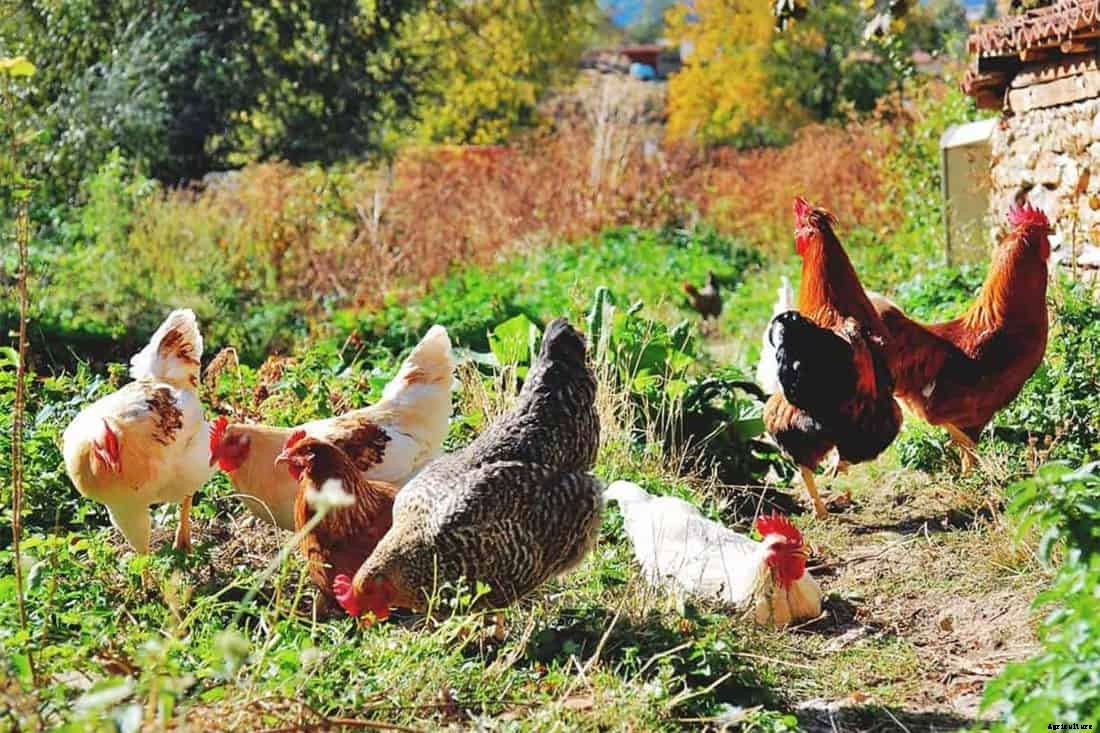
It is excellent advice to feed your flock high-quality chicken feed. It is also beneficial for the chickens’ well-being to give them treats from time to time. However, as a rule of thumb, follow the 90/10 rule. It means providing them with 90% complete feed and a maximum of 10% of treats each day.
Keep in mind that other seemingly harmless food aside from coffee grounds can harm your chickens. These include the following:
Check out this video discussing food that is bad for your chickens.
Chickens will also enjoy eating other food aside from the usual feeds. Giving them leftovers will also ensure that no food will go to waste. Feeding your flock the following treats can be a time to bond with them and see how they are doing.
So, can chickens eat coffee grounds? The answer is no. Coffee grounds may be an excellent organic material for gardening, but their presence in the yard can harm your flock. There are other treats that are beneficial to your chickens so it would be best to stick to those.