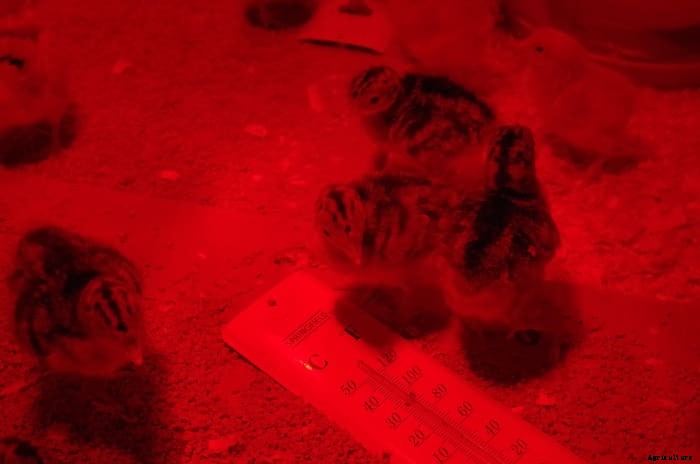
Welcome to Modern Agriculture!

We have been raising animals on our farm for over 10 years—sheep, dogs, cats, chickens, turkeys, guinea pigs, ponies, donkeys, and a pig.
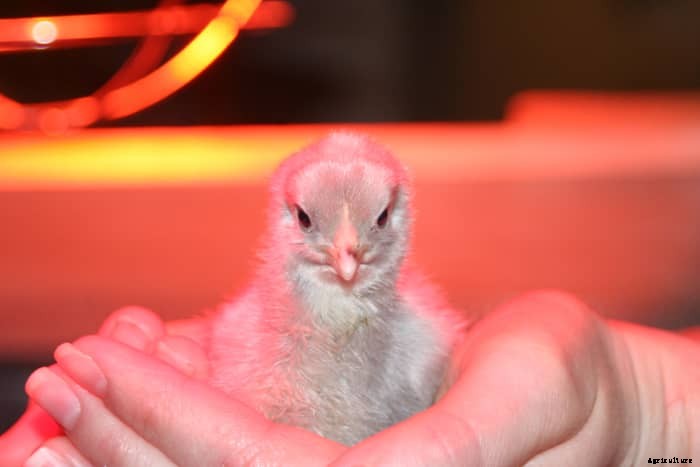
Few animals come with a step-by-step guide to raise them, but chickens are the exception. Chicks have very specific requirements to thrive, and to brood them successfully you simply have to follow these steps:
And that is about it. However, there are a million ways to follow these steps and how you go about it should suit your particular setup. Here are some things that we have learned that will hopefully benefit your own brooding experience.
Everything I said about the step-by-step specifics of brooding is irrelevant at this point, and there is nothing more adorable than seeing a mother hen trotting around with a dozen or more chicks following behind her. It is amazing to see all those chicks disappear under her at the slightest sign of danger.
Of course, the little family needs protection from predators and the elements, and you have to provide easy access to food and water. But the hen will do a far better job brooding over those chicks than we ever could.
We use large hatcheries when we want to get a large batch of chicks, but we have had good and bad experiences.
One year we had a high percentage of losses because the chicks got chilled when they were shipped. The hatchery would give us credit for a few of them, but that doesn't change the fact that the chicks died. Now, when we get chicks from the hatchery, we start driving the six-hour round trip to pick them up.
Another year, we lost way too many (almost 30% of the chicks) and the ones that did make it only grew to a few pounds each. I'm not sure if our brooding arrangement was partly to blame, but I found out years later that the hatchery had a significant disease problem that year.
Our favorite place to get chicks is from local breeders who hatch their own chicks on a small scale. Kijiji is a great place to find one of these backyard breeders. They might cost a bit more, but the health and quality of the chicks are noticeably better.
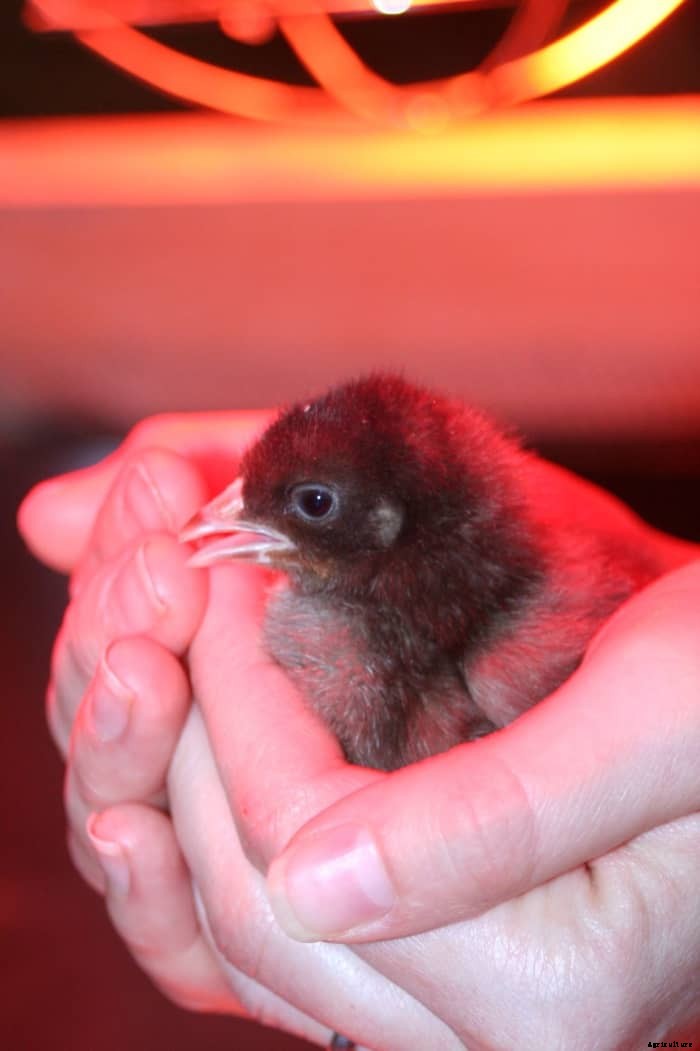
Chickens are delightful, but so is a big old turkey who likes getting pet! While turkeys and chickens have slightly different brooding requirements, they can be brooded together successfully.
The most important difference is temperature. Turkeys are extremely fragile until they are 8 weeks old (then they are nearly indestructible), and they require 35 - 38°C to start.
We kept our mixed brooding flock around 36°C. We still lowered it about five degrees per week but we always erred on the warm side if the temperature was questionable.
Turkeys also need higher protein food than chickens, so we generally mixed turkey starter with chick starter, and they both did very well.
Our full-grown turkey hen still lives with our hens, and though she is a bit of a bully, they get along just fine!