After having obtained a degree in biochemistry, Leah works for a small biotechnology company and enjoys writing about science.
Two Types of Pigment in Chicken Eggs
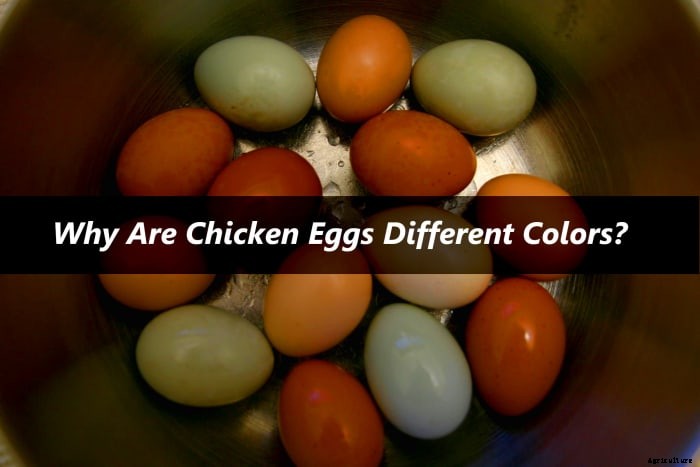
There are two primary types of pigment that cause coloration to occur in chicken eggs.
Porphyrin
The most common pigment is brown and is called porphyrin. This pigment is laid on top of the eggshell just prior to its release from the oviduct, or the chicken's reproductive tract. When you crack a brown egg open, the inside of the shell will be white—the default color of most eggshells.
Oocyanin
Blue eggs are rarer to find and almost never seen in grocery stores. This is caused by a pigment produced by the bile duct called oocyanin. This pigment is applied so early in the eggshell development process that the color permeates the entire shell - the inside of a blue egg will be blue.
The quantity of each pigment will vary by breed, with some breeds laying browner or bluer eggs than other breeds. Some breeds have been developed to produce both pigments, resulting in green eggs (blue + brown pigments)!
Best Breeds for Brown Egg Production
Many backyard chicken breeds will lay brown eggs. A very quick way to tell whether a chicken will lay brown or white eggs is in the earlobes: most white-egg laying breeds will have white earlobes, and most brown-egg laying breeds will have red earlobes!
- Australorps win the prize for best production - the record is producing 365 eggs in a year, so that particular hen never went a day without generating an egg! Their eggs are light to medium brown, and the breed is an excellent choice for a backyard flock.
- Buff Orpingtons are large, cold-hardy birds that produce light brown eggs. They are excellent at producing eggs, even through the winter months. They are a larger bird and are very gentle: another great layer for a backyard flock.
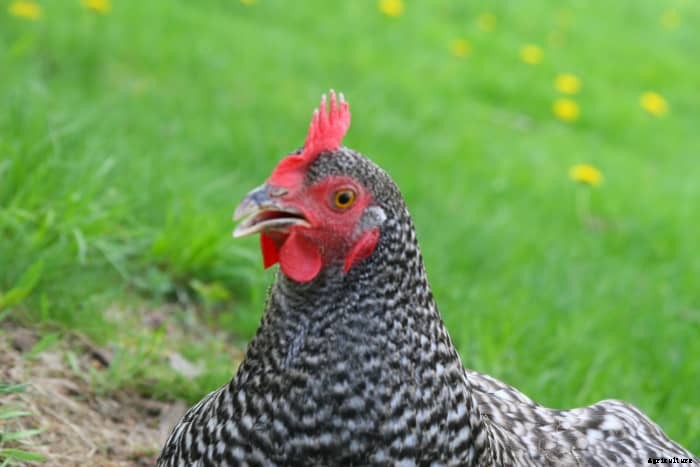
- Plymouth Barred Rocks are beautifully striped hens that produce plentiful medium-brown eggs. The birds are medium in size, cold hardy, and get along well with other chickens in the flock. Dominques are similar in appearance and production to Barred Rocks but have a small pea-shaped comb that is better in very cold environments.
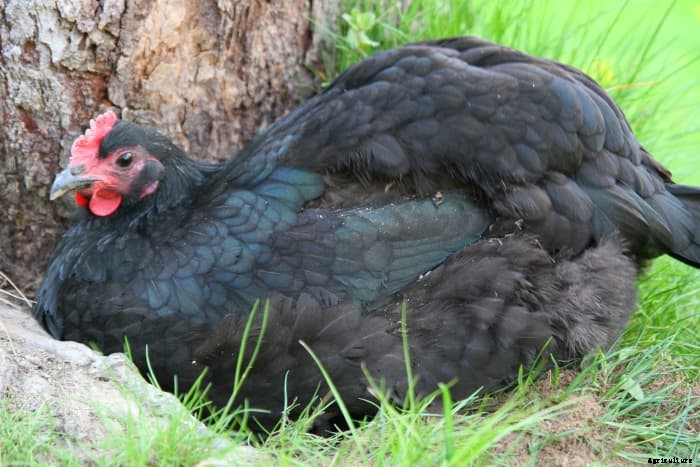
- Jersey Giants are, as their name suggests, extremely large black hens. They lay a medium brown egg and are very friendly. These hens are an excellent choice for a backyard flock, though make sure the coop is large enough to handle a flock of giant hens!
- Brahmas are another very large breed that lays plentiful brown eggs. These white birds have black feathers on their necks and tails, and have feathered feet and legs. Like the Jersey Giant, they are big birds and will need enough space in a coop.
Best Breeds for Brown Egg Color
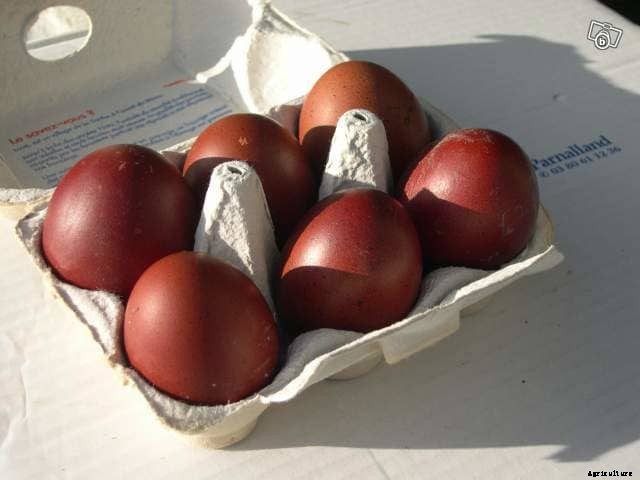
- Black Copper Marans lay the darkest brown eggs of any breed. These eggs will vary in color over the course of a laying season, but start out with a very dark chocolate brown pigmentation. These eggs are prized by many backyard chicken owners and the French breed gets high marks in my book for producing the most unusual brown eggs.
- Salmon Faverolle is the breed that lays an egg with pinkish tones—the amount of pigment produced is light and will create a peach or pink-toned egg. For adding color variants to a flock, this breed is a fantastic choice.
Brown Egg Layer Comparison
Breed comparisons for egg production and hen size among brown egg layers.
Breed | Egg Quantity (Per Year) | Hen Size | Australorp
250
6.5-8 lbs (2.9-3.6 kg)
Buff Orpington
200-280
8 lbs (3.6 kg)
Barred Rock
200
7.5 lbs (3.4 kg)
Jersey Giant
150
10 lbs (4.5 kg)
Brahma
150
8-10 lbs (3.6-4.5 kg)
Black Copper Maran
150-200
6.5 lbs (2.9 kg)
Salmon Faverolle
240
6.5 lbs (2.9 kg)
The Best Breeds for Blue Eggs
Blue eggs are produced by a number of breeds, though some breeds have health issues and may be difficult to find.


