
Welcome to Modern Agriculture!

Jo and her husband have been enjoying the pleasures of rural living since they retired. She loves to share the lessons learned.
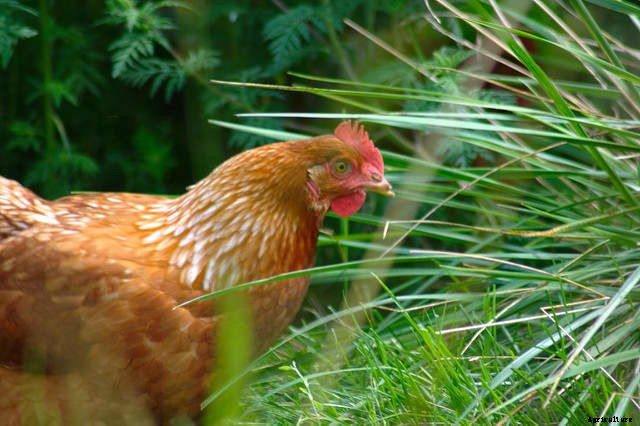
Several years ago, after retirement, I decided to move to the country. For years, I read books about sustainable farming, homesteading, and living off the land. I was a great admirer of those who could make their living from the land and thought the lifestyle sounded very appealing.
I knew I would never be living entirely off the land, but I did want to try my hand at some of the skills I had been reading about for years. Perhaps, I might have a goat or two or raise chickens. Raising chickens seemed like an easy enough task. I could remember my mother raising chickens when I had lived in the country as a child. I had never really been involved in this activity, except to eat the eggs, but how hard could it be?
I began this journey of living in the country by finding and purchasing a little plot of land near where I grew up. Having read a book about contracting your own home, I decided I could do that. How hard could that be?
A couple of years back we decided to try our hands at raising chickens. We found a local Mennonite farmer who made portable chicken coops and bought one of those. That was $125.00. Then we needed a feeder, a watering can, and chicken feed, not to mention chickens. Our total was up to $154.00. In order to make this pay we would need to gather many eggs.
But this endeavor was about more than 'making it pay':
So we found a neighbor who was selling some pullets, purchased four of them, and named them for our four granddaughters. We had a nice little coop for them and were very pleased that they would go right back to the coop just before dark each day. All we had to do was go out and close up the coop. We were even more pleased to find an egg in the coop one morning.
It was a time for celebration. To make it even more rewarding, our oldest granddaughter, Josie, had come for a visit. She could help us gather eggs each day and learn about the behavior of the chickens. She was very excited. Just what we had planned.
That night Josie came to our room in the middle of the night and woke me up. She was frightened, she said, because she thought she had heard a wolf outside. I went back to her room with her, lay down beside her, and assured her there were no wolves at Grandma's house. She went right back to sleep, but as I was lying there beside her I thought I could hear something outside. I shrugged this off and went back to bed.
The next morning when Josie and Papa John went out to let the chickens out of the coop as usual, they found an empty coop. That night, unfortunately, we had forgotten to go out and close up the coop after the chickens were in, so instead of eggs in the coop they found a few bloody feathers lying around. Nearby, we finally found one very skittish chicken left.
It was a tough day in our chicken story, but a lesson well learned. After we got the one skittish chicken in her coop that night we vowed to never forget to close up the coop again.
A few days later we found two more pullets to add to our flock, and every night we remembered to go out and close up the coop. One morning a couple of weeks later, however, we went out to find the chicken coop empty again. This time it was closed. We had not forgotten to close it up, but instead of chickens we found feathers and bloody debris lying around. Our coop had again been invaded. It was closed but the lids, though quite heavy, did not have any latches, so something had been able to open the coop and kill our chickens. Perhaps a raccoon.
This was the second lesson we learned: Be sure the chicken coop is well secured. Raccoons are very good at opening apparatuses. They had done it a number of times with our garbage cans.
This time they were all gone, and we were through, for the time being, with raising chickens. We put the coop away and said we'd try again later. It was getting a little late in the season to find more chickens to buy, and we were feeling disheartened with the whole endeavor.
We had spent $154 and collected only one egg. Not a very good return for our money. More importantly, however, we had already named the chickens for our granddaughters. It's harder to lose an animal once you've named it--especially after your grandchildren.
Our second mistake was to assume that a raccoon could not open the chicken coop. Since the raccoons living here on the hill with us (your pet raccoons, John calls them), regularly manage to open garbage cans and compost bins and make off with our suet feeders, we have learned to secure those firmly. We assumed our sturdily built coop did not need further security. We were wrong.
We stored the chicken coop and other equipment away for the time being. That was two years ago. Occasionally, we would discuss whether we wanted to try raising chickens again. We always said we wanted to try it again, but the time never seemed right. Finally this spring we decided it was time.


