
Welcome to Modern Agriculture!

L. Holloway is an experienced keeper of chickens and other fowl who has spent nearly a decade educating others on their habits and care.
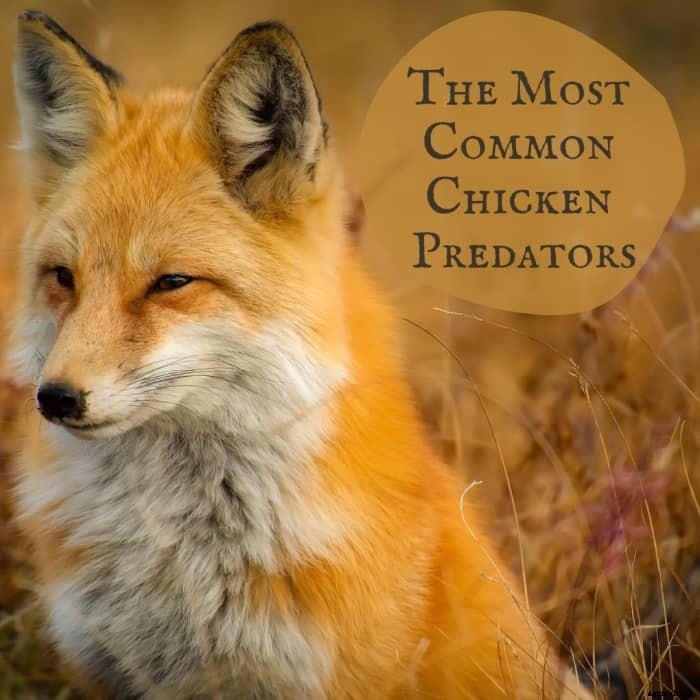
Chickens are delicious, and we aren't the only creatures to think so. Virtually any animal that eats meat will happily eat a chicken, and it can be challenging to protect your birds against every potential threat that exists in your area. This list will help you get an idea of what threatens your flock and how to guard against predation, but it is always good to discuss the subject of predators with other chicken owners in your area before you get started. Not all species are equally tenacious in all areas.
It is important to note before we begin that there is no such thing as a 100% predator-proof coop. Many will argue this point, but the fact remains that a truly tenacious predator will find a way to access your coop, particularly if given the luxury of time or when aided by inclement weather. This article will touch not only on coop security but also:
By combining these efforts, you can minimize the risk of predation on your flock.
Below, you'll find more information about each potential predator and ways to prevent them from poaching your flock.
12 Common Chicken Predators
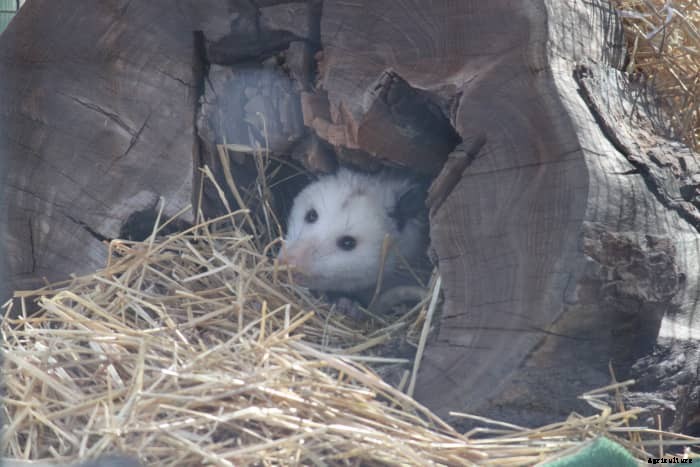
We will start with the much-maligned opossum (referred to interchangeably as "possum"). The only marsupial species native to North America, opossums are not rodents, and contrary to popular belief, are unlikely to carry rabies. They are primarily scavengers, and their ferocious appearance is generally all talk and no action. They are unlikely to enter a secure coop, as they are not strong diggers nor are they as clever as other predators like raccoons or foxes. They are, however, skillful climbers, and will easily enter a coop or run that is not properly covered.
As a general rule, opossums prefer not to have to fight for their meal and will target eggs, chicks, or chickens foolish enough to roost within easy reach. Chickens who roost on or near the ground, in sheds, or who are brooding on nests are prime targets. Opossums prefer to start with the soft underbelly, and chickens who are alive but stripped of feathers on their belly or rear-end can be a sign of an attempted opossum meal. Additionally, bodies of deceased chickens in which the abdominal cavity has been consumed are likely the work of opossums.
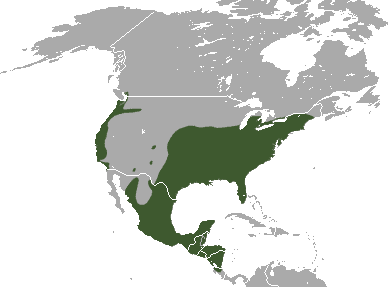
Opossums are typically easy to guard against, and widely regarded to be of least concern as far as predators go. However, in some regions of the country where they are overpopulated, and particularly on the West Coast where they are not native, opossums are known to be more aggressive and tenacious. Typically, if they do kill adult birds, they will kill only one at a time, though they can easily clean out a broody hen's nest of eggs or chicks in a single night.
Since opossums are climbers, a tall fence is not enough to keep them out. Your coop and run will need a cover on it that is secured at every point around the perimeter. Any small gap will be enough for a curious opossum to squeeze through, and one should never assume that a gap is high enough that the opossum can't reach it.
As mentioned above, opossums are typically lazy and will opt for the easiest meal available to them. You can discourage them from taking an interest in your coop by offering food elsewhere on the property, if you so choose. There is no need to be elaborate--old eggs, kitchen waste, or pet food will appeal to them as much as anything.
If your intention is to keep opossums out of your yard entirely, you may find that to be a challenge, because they are opportunists and difficult to discourage completely. However, you can use "predator pee" products to make the area around the coop off-putting, or enlist the services of a livestock guardian dog if you have the option available to you.
If you have a problem opossum that you need to remove from the property, you will need to consult your local and state laws on how to handle it. Many states prohibit relocating an opossum, while some prohibit the killing of an opossum without a hunting permit. If you do need to capture a nuisance opossum, you can opt for a live trap, or even simply catch it by hand—just be sure to wear thick leather gloves on the off-chance it tries to bite. Once captured, you may consult your local Department of Wildlife on what to do next.
It is important to emphasize that you shouldn't attempt to eradicate opossums entirely from your property, as this will be an exercise in futility that will leave you frustrated and exhausted. Due to their prolific nature, there will always be opossums in the region, and removing one from your property will just allow a new one to move in from the surrounding area.
Opossums should only be removed if they are nuisance animals, such as when they are overpopulated or dependent on domestic sources for food. Removing an opossum that was ignoring your chickens may result in a new opossum moving in who thinks your coop is a buffet. When possible, coexist with this species, and only cull or relocate when absolutely necessary.


