
Welcome to Modern Agriculture!

Higher welfare standards for farm animals being transported, including shorter journey times, more headroom, and stricter rules on being moved in extreme temperatures, will be brought in by the UK Government under new animal welfare measures announced on 18 August.
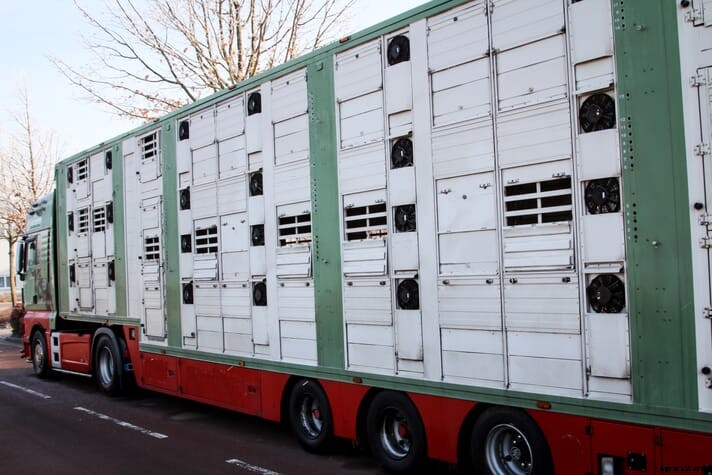
These new rules, which are being developed in partnership with the farming industry, will apply to animals being transported within England and Wales come alongside the introduction of a ban on live animal exports for slaughter and fattening, which is currently going through Parliament as part of the Animal Welfare (Kept Animals) Bill.
The UK is building on its position as a world leader in this field through a series of reforms to improve standards, as set out in the Action Plan for Animal Welfare.
The Government has listened to early feedback from industry and will now work with the farming sector and welfare groups to develop these proposals and prepare for the transition to the higher standards to build on the high-welfare outcomes already being delivered on farms across England and Wales.
Chris Sherwood, RSPCA Chief ExecutiveWe are absolutely thrilled that the live export of animals is finally coming to an end after campaigning on this issue for more than 50 years.
These new conditions would apply to all journeys over 65km. Independent evidence has shown that very long journeys can cause heat stress, dehydration and physical injuries in transported animals such as horses, pigs, sheep, poultry and cattle. Over a billion animals are farmed in the UK each year, many of which are transported within the country for slaughter, fattening and breeding.
"We are legislating to ban the export of live animals for slaughter and fattening, and are now developing other measures to improve the welfare of animals during transport.
"We have listened to the concerns raised relating to our proposed changes to transport regulations and have made changes to address these. We will continue to work with industry on the remaining details."
"We are absolutely thrilled that the live export of animals is finally coming to an end after campaigning on this issue for more than 50 years.
"This is a victory for every single person who has signed a petition, demonstrated at the docks, written to their MPs and leaders and most importantly for the animals.
"We also welcome tighter controls over transporting live animals within Great Britain as it’s a time when they can suffer stress and injury and their welfare needs to be protected."
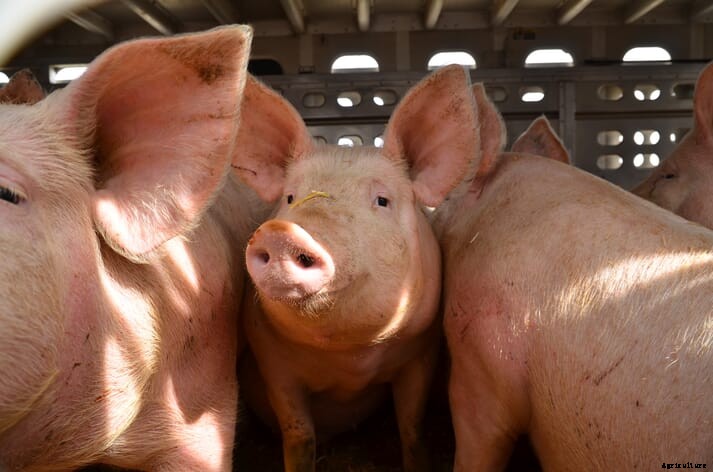
In addition, the consultation highlighted a number of other measures that could help improve animal welfare during transport, including better training for animal transporters and new guidance on an animal’s fitness to travel. Work will be undertaken on all of these areas to develop more detailed proposals and a new method for calculating space allowances for farm animals during transport.
The announcement follows a twelve-week consultation launched in December, which sought industry and public views on proposals to improve animal welfare in transport.
Read the Government’s response to the consultation on GOV.UK.
Responding to the outcome of the government’s consultation on new welfare in transport measures, National Farmers Union (NFU) Deputy President Stuart Roberts said: “Animal welfare is always a top priority for any livestock or poultry farmer and we maintain that new rules or policy should be based on sound evidence and the latest science.
“We’re pleased to see in some areas Defra has taken account of the evidence we presented and made changes to its proposals.
Stuart Roberts, NFU Deputy PresidentWe’re disappointed that [some] elements are not more meaningfully welfare-focused... We are frustrated that our proposal for a live export assurance scheme has been overlooked, which would have ensured UK rules on transport and processing would have followed animals to other countries.
“However, we’re disappointed that other elements are not more meaningfully welfare-focused, utilising driver training and experience. For example, we are frustrated that our proposal for a live export assurance scheme has been overlooked, which would have ensured UK rules on transport and processing would have followed animals to other countries.
“We believe basing a transport ban purely on its purpose, in this case for slaughter, is not logical given that farmers and transporters have an inherent interest in ensuring all journeys meaningfully protect welfare at all stages and types of movement.
“We are pleased to see that Defra is committed to working collaboratively with the industry in this area and we stand ready to support further policy development to improve welfare at transport.”


