
Welcome to Modern Agriculture!

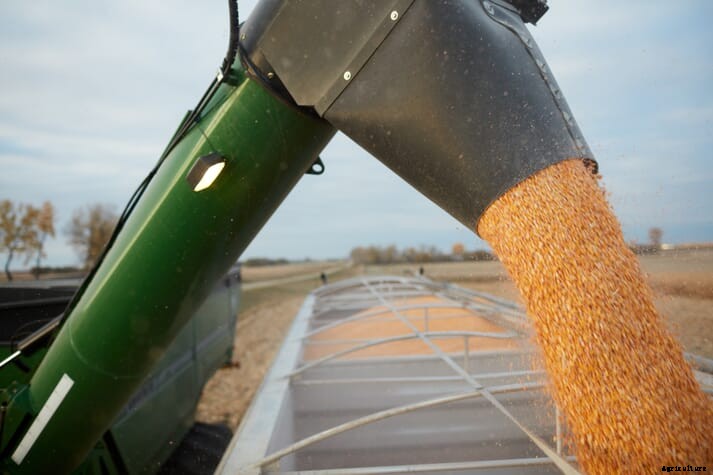
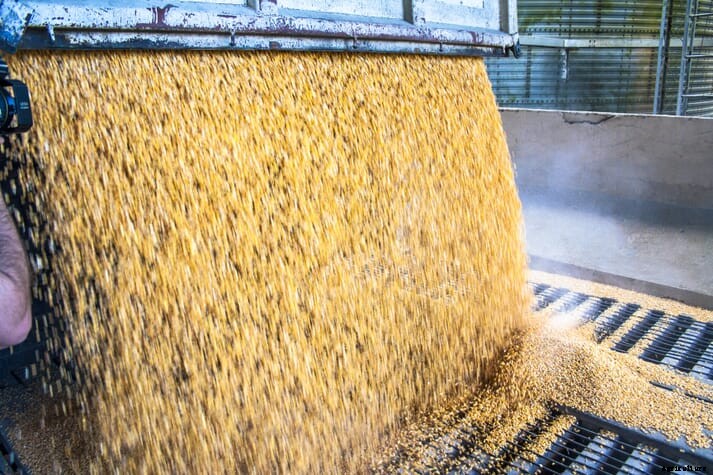
Reuters reports that last week, Argentina announced that it would suspend corn exports until the end of February. The surprise move by the world's No. 3 corn supplier is part of the government's effort to control domestic food prices that have been subject to high inflation.
The cattle, pig and poultry industry in Argentina uses corn to fatten chickens and cows.
But the head of the chamber said the policy should not have any effect on farmers' selling to local ranchers and dairy farms.
"What's going to happen? Nothing," said Miguel Schiariti, president of CICCRA. There was never a shortage of corn in the first place, he added, and farmers are likely to hang on to their stocks as a hedge against a rapidly weakening peso.
"Nobody is going to leave a hard currency like corn, because corn is priced in dollars. Farmers will sell corn when they need to, and it will sell at the same prices that were in the market before this policy was announced," Schiariti added.
The government said the corn export suspension "is based on the need to ensure the supply of grain for sectors that use it as a raw material for the production of animal protein such as pork, chicken, eggs, milk and cattle, where corn represents a significant component of production costs."
Argentina's government is struggling to control food price inflation and help low-income families contending with an economic recession worsened by the pandemic. Buyers can still book corn from Argentina, but only for shipping after 1 March.
Farmers and other players in Argentina's corn chain traditionally oppose this type of intervention in the markets.
"The government's decision was a surprise. We are against any kind of export restrictions," said Gustavo Idigoras, head of the CIARA-CEC agricultural export companies chamber.
Gabriel Zelpo, director of Buenos Aires economic consultancy Seido, said the corn export suspension might have a short-term downward effect on food price inflation but at a high cost to the government's policy credibility.
"When government creates exports restrictions it lowers prices and decreases incentives to produce," Zelpo said. "So, in the medium term, you have less production and less exports."
International sales of farm products are Argentina's main source of export dollars needed to stabilise the anaemic peso currency and help fund coronavirus relief efforts.
As of 23 December, exporters had bought 64 percent of the 58.5 million tonnes of corn produced in Argentina during the 2019/20 crop year. On the same date in 2019, purchases by exporters represented 68 percent of the 57 million tonnes produced in 2018/19.
Read more about this story here.

