
Welcome to Modern Agriculture!

Introduction to Backyard Poultry Farming In India: Backyard poultry farming is an age-old practice in rural India and also it is a profitable business. Back yards poultry (BYP) is defined as a method of rearing poultry birds, under which poultry are housed at night but allow free range during the day to search for feeds. Usually, they are fed grain in the morning and evening to supplement scavenging. With poor production performances, most of the backyard poultry farming comprises the rearing of indigenous poultry birds. The farming of small-scale poultry producers accounts for the biggest share of chickens produced in the country every year. Some poultry birds like chickens, ducks, geese, guinea fowl, and turkeys raising in the backyard are becoming more popular for several people.
Raising chickens in the backyard is to ensures a steady stock of fresh food. Despite the effort and cost of for caring your poultry birds can help you live more sustainably by eliminating scraps, producing fertilizers, and assisting in composting, and also connecting with nature. In this article we also covered the below topics about backyard poultry farming in India;
The poultry production in the backyard can be easily boosted up with improved varieties of poultry birds. Backyard poultry farming is a profitable business of rural families and several people in India. For landless and poor farmers, it is the most potent source for subsidiary incomes. Also, it is an enterprise with low initial investment but higher economic returns. It is a handy enterprise with a low-cost initial investment, but a high economic return business.
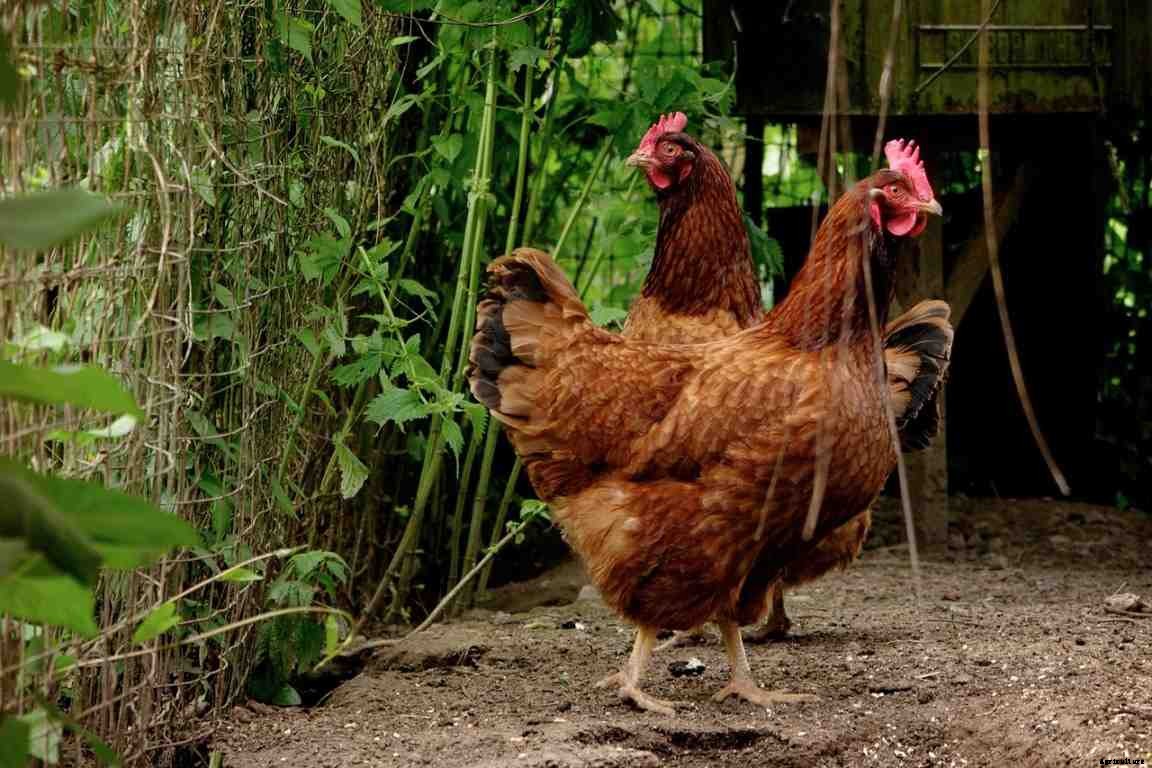
In India, backyard poultry farming is a traditional system of poultry birds keeping is practiced in rural and resource-poor areas. Backyard poultry farming provides income for several people in India. There is hardly any requirement for setup for backyard poultry farming and it can be easily handled by all people. Poultry eggs and meat are the best sources of protein, which are easily available to meet the requirement of protein for rural Indian people.
The high mortality rate in young chicks due to a combination of diseases, lack of scientific knowledge, lack of infrastructure, and low production performance of poultry birds, and feed price fluctuations throughout the year are the major constraints of backyard poultry farming in India. It is important to introducing improved poultry breeds suitable for backyard farming, scientific skill development of farmers on feeding, housing, and disease prevention as well as management to overcome these constraints.
Backyard poultry farming is a profitable business among rural and landless families in India. It mainly involves low investment and yields high economic returns, and can be easily managed by women, children, and the elderly. Meat and eggs from such poultry birds are inexpensive and rich protein sources. Poultry development plays an important role in increasing egg and chicken meat production.
Indigenous poultry birds are poor performers in egg and meat production. For obtaining maximum profit from backyard poultry farming business there is an urgent need in the country to improve the poultry bird’s health. Improved chicken that can be introduced in backyard poultry farming business have below characters;
Gramapriya, Vanaraja, Giriraja, Girirani, and Krishna – J, etc are the breeds that can be recommended for backyard poultry farming.
The backyard poultry system requires the following to increase returns compared to free-range poultry.
In case if you miss this: How To Grow Organic Pears.
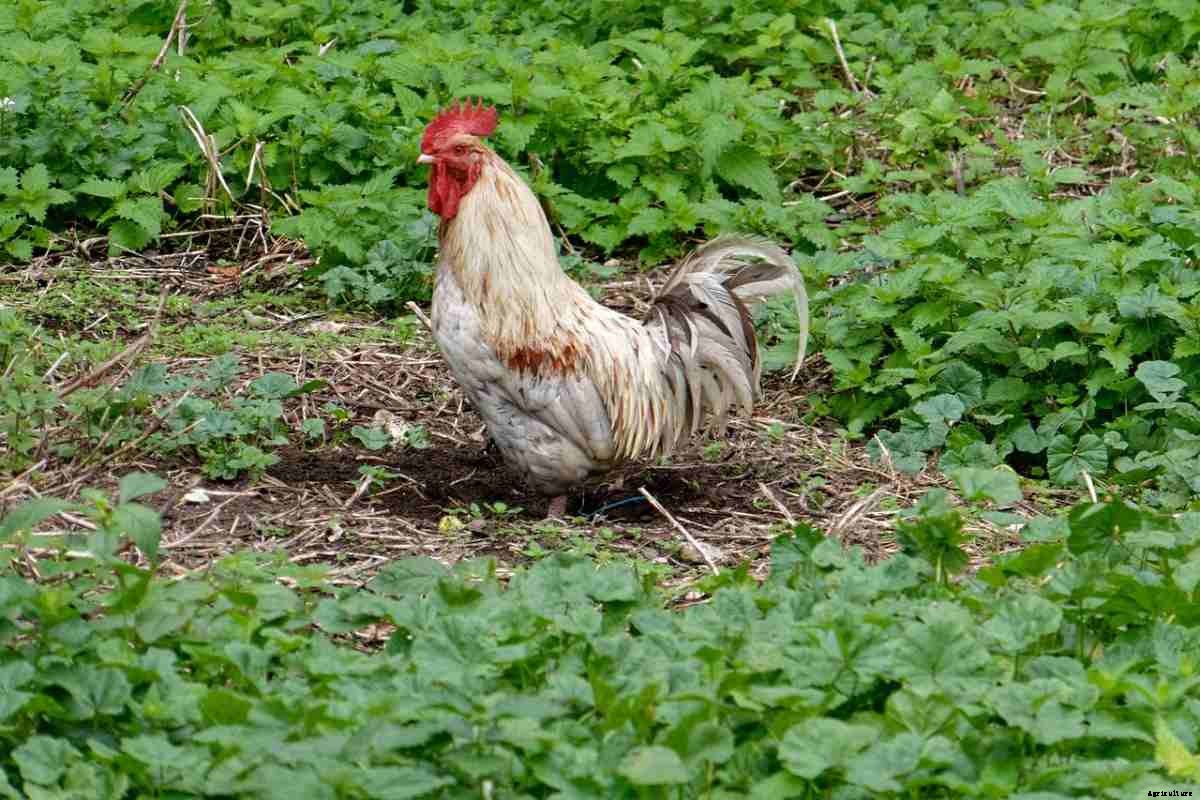
There are many advantages of backyard poultry farming systems which are given as follows;
Poultry farming in the backyard provides the nutrition supplementation demand through meat and eggs in the form of valuable animal protein. The poultry business is a low input or no input business. It has been estimated that almost about 80% of rural households are involved in poultry production through the backyard rearing of poultry birds. This is the main occupation in rural households linked with the crop production system.
The indigenous birds used are better adapted to the scavenging system considered by continuous exposure to disease incidence, inadequate quantity and quality of feed, poor housing for poultry birds, and health care. Unemployed youth and women earn income through poultry farming.
Proper housing in these systems is rudimentary and mostly built with locally available materials such as wood, mud bricks, sugarcane stems, bamboo, and cereal stovers. Local poultry birds are mainly reared, although there are improved indigenous breeds in some areas. The poultry farming production is relatively poor, with 35-40 eggs and about 1-1.5 kg meat at the end of the production cycle. These poultry breeds represent a rich source of disease-resistant germplasm.
There are four categories of chicken breeds:
Heritage breed – This breed has a slow growth rate and can live a long productive outdoor life
Egg-laying breed – This produces large quantities of eggs through their short production lives
Meat breed – Grows very and is bred for meat purposes
Dual-purpose bread – Both egg-layers and meat poultry birds
Also, it is important to know how many chickens you’d like to raise. A medium-sized chicken needs at least 3 square feet of floor space inside the coop is also called a chicken’s cage or pen and 8 to 10 square feet outdoors.
For backyard poultry farming, proper consideration should be put into choosing the right backyard chicken breeds. While many poultry breeds can do well in your backyard, you have to pick one that is suited for your needs. Since the chickens will be largely foraging for their food, you can start by picking poultry breeds that can do well in a free-range environment.
Are you planning to raise backyard chickens for meat or eggs?
If you are raising poultry birds for eggs, then you must choose good layers that will give you a constant supply of fresh eggs.
In India, chicken breeds reared are mostly desi type with low egg and meat production in rural areas. There is also a need for the introduction of improved dual-purpose poultry birds having the capacity to lay more eggs and gain higher body weight than the local or desi birds. Several research organizations developed different backyard chicken varieties by knowing the importance of backyard rural poultry farming (RPF) in India.
Poultry varieties developed by CARI are;
According to Central Avian Research Institute (CARI), there are five important backyard poultry breed varieties are developed;
CARl Debendra – This is a dual-purpose poultry bird suitable for backyard poultry farming.
CARI Nirbheek – It is a cross of Indian native breed Aseel with CARI Red developed for free-range as well as backyard poultry farming. These are active birds, aggressive with high stamina and majestic gait.
CARI Upcari – It is developed by utilizing Indian native chicken with Frizzle plumage. These are multicolored poultry birds with a single comb and medium body size.
CARI Hitcari – This has been developed utilizing Indian native chicken with naked neck plumage. It is adapted to tropical climate especially for hot and humid coastal regions of the country.
CARI Shyama – This breed is a cross of the Kadaknath breed of Indian native chicken with CARI Red.
Giriraja and Swarnadhara
Karnataka Veterinary, Animal, and Fishery Sciences University in Bangalore developed Giriraja and Swarnadhara poultry breed varieties.
For backyard poultry farming, a flock of 5 Hens and 1 Rooster can be ideally grown. No extra care is required to grow them. Being good scavengers, the birds feed on a variety of insects and green foliage. Also, they can be fed on-farm and kitchen waste. The birds are resistant to several diseases except for Ranikhet disease.
Swarnadhara chicken breed is suited for backyard farming and has a high egg production potential along with better growth.
Backyard poultry farming mainly involves country chicken birds. The popular poultry breeds include Vanaraja, Aseel, Kaveri, Giriraja, Gramapriya, Chhabra, Kuroiler, and Rainbow Rooster breeds are genetically improved varieties of indigenous low-input technology (LIT) birds. Vanaraja, Aseel, Giriraja are popular poultry varieties in Andhra Pradesh, Tamil Nadu, Maharashtra, West Bengal, and Odisha among others for preferred by the farmers of major poultry meat and egg-producing states.
Vanaraja
Gramapriya
Srinidi
Griraja
Swarnadhara
If a free-range system is practiced the poultry birds are let loose in day time for foraging and at night sheltered in the shed. For better farm production performances certain criteria that can be considered are;
Backyard poultry farming in India is a traditional system of raising birds practiced by rural folks. It is a type of organic farming method with no harmful residue in egg and meat. It is an eco-friendly approach. Backyard poultry farming is beneficial as it provides income for many people. It is due to its least demanding nature in terms of infrastructure that has been accepted by the rural poor.
Mainly local poultry birds are reared although there are specific or specialized indigenous breeds in some areas. These local breeds represent a rich source of disease-resistant germplasm. Eggs produced are for home consumption or limited trade within the village in most cases. It also provides livelihood security and availability of food to the family. Also, it has been noticed that the demand for rural backyard poultry is quite high in tribal areas.
Usually, backyard chicken coops aren’t too complicated. They are generally smaller and simpler in design but they must provide good shelter and protection for your chickens. The backyard chicken coops should be big enough to offer your bird sufficient space, allowing them room to flap their wings, walk around and make comfortable laying nests inside the coops.
The backyard chicken coops should be hygienic and well ventilated. The flooring must be changeable with materials such as wood chips or sawdust used on the flooring. They should have excellent ventilation and must be roomy enough to allow humans in to perform cleaning work. Also, the chicken coops must be well insulated to provide warmth for the chickens. For extra warmth, you can also provide heat lamps along with more nesting materials. Some of the key factors to keep in mind when building a new backyard chicken coop include proper site selection, good drainage, as well the number of chickens that you are planning to keep.
It is important to observe the local zoning regulations. These can prevent you from keeping a rooster especially if you live in an urban setting. A good quality coop will provide your poultry birds with optimal shelter from heat, cold, and rain.
Chickens aren’t very sensitive when it comes to housing. Even a basic, modified wooden coop will work well. Though, there are some important things you need to get right when creating a chicken coop;
Two types of brooding can be adopted for backyard poultry farming. They are
Natural brooding
It is practiced the local broody hen is used as the indigenous hens are good sitters. An improved variety of fertile eggs is put into incubation and the hen is provided with nesting materials. Throughout the incubation period, food and water supply are given. A broody hen can easily take care of the brooding and hatching of about 12 to 15 chicks. There must be provision for a separate place inside the shed for young chicks and mothers at night.
Artificial brooding
In artificial brooding provision of artificial heat is required. The light necessity in brooder houses is to increase feed consumption for maximum growth in a short period. Initially, that is up to 6 weeks there must be provision for at least continuous light up to 48 hours in brooder house and in growing stage (8 to 18 weeks) light hour is about 10 to 12. But in laying period light must be for 15 to 16 hours. The provision for extra light can be in the morning or evening or maybe morning and evening both. Then, to prevent direct contact with heat a chick guard made up of cardboard or metallic guard can be used in the brooder house. The height of the chick guard is 15 to 18 inches is placed in a circular shape at a distance of 3’ away from the hover.
Brooding/Nursery Management (up to six weeks)
Feeders and Drinkers
You should provide chickens with proper feeders and drinkers. There is a great variety of these that you can buy for poultry depending on particular requirements. When buying your feeders and drinkers, keep in mind the chicken coop design and the number of birds that you are planning to keep.
The feeders and drinkers that you choose must provide your birds with enough space to access clean water and food at all times without overcrowding or injuries. The feeders and drinkers must be easy to clean and replenish with fresh food and water. The feeders and drinkers should be positioned where they cannot be accessed easily by wild birds or other foraging chickens outside the backyard farm.
Know the right kinds of feeds to give your poultry birds, be they meat chickens or layers. The type of feed also mainly depends on the age of the birds that you are raising. For example, chicks must be fed on the poultry feed crumbles that are protein-rich and with high energy content.
Point of lay pullets will be consuming between 80 and 100 grams every day while a grown hen should be given between 250 and 300 ml of water every day. Therefore, you must have a very reliable water drinker system to prevent chickens from becoming dehydrated.
The feed cost is considered to be minimum in backyard poultry farming. The poultry birds collect the required protein, energy, minerals, and vitamins, etc. Feed ingredients such as broken groundnut straw and wheat grains can also be given to the chicks. For better performance, the chicks can be supplied with extra concentrate ration by 30 to 60 gm/day/chick. The chicks require balanced feed during the initial 6 weeks of age under brooder by providing balanced chick feed during the early period of growth. The average body weight of about 1.5 to 2.0 kg will be attained up to 5 weeks and if required must be provided with supplemental calcium sources like limestone powder, shell grit at about 4 to 5 grams/bird/day
Ventilation – The supply of fresh air to the chicks is highly essential for poultry farming. It is remembering to keep a gap of about 3.5 inches between the ceiling and side curtains to facilitate gas exchange between the house and the environment. In extreme weather conditions, windows, doors, and fans need to be efficiently used to maintain optimum ventilation.
How About This: Keys To Successful Farming.
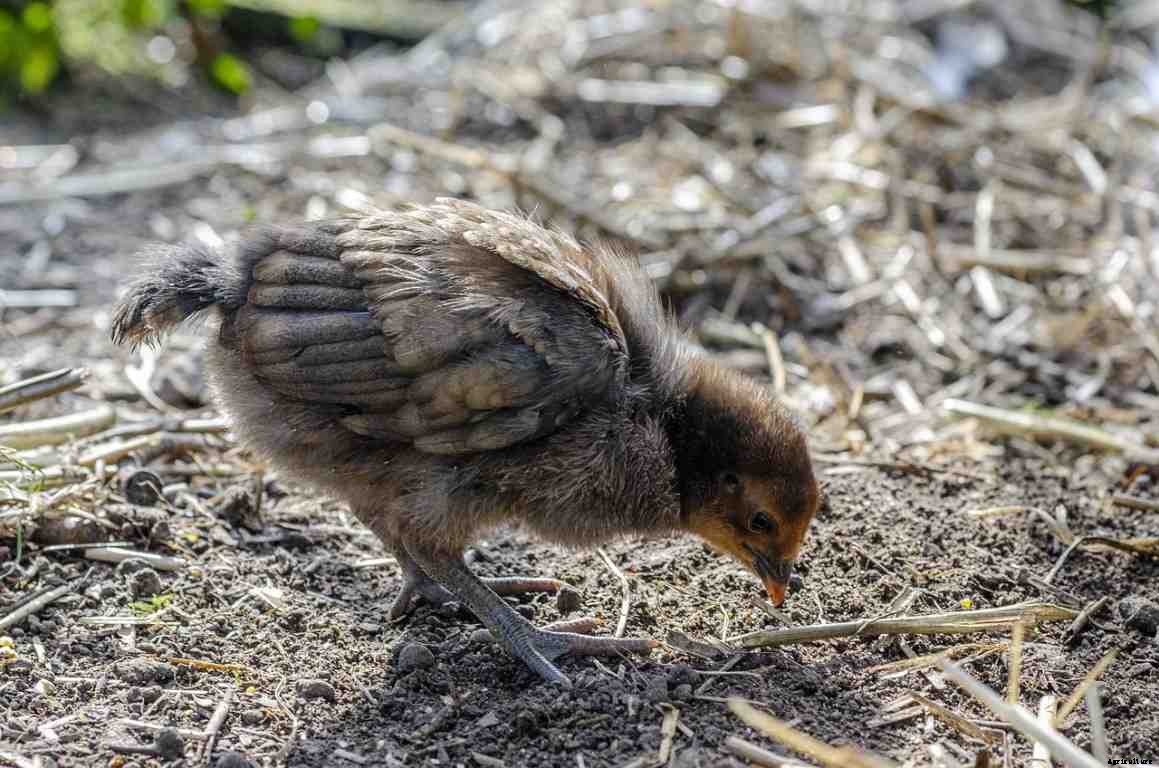
The below tips provide a guide on how to make backyard poultry farming in India work to maximize your profitability.
Chickens and chicks require different diets. They can both be medicated or unmedicated. Giving them the wrong food can result in weight loss and affect their ability to produce eggs. Also, they can experience moulting or the process of losing feathers. You can give vitamins as well as administer vaccines as required. Always check if chickens or chicks have an adequate supply of clean water.
The Health of the Backyard Birds – Check the poultry birds regularly to ensure that they are in good health. Know about how to detect symptoms of disease or stress. Also, you must learn how to hold the birds properly and safely. Check the poultry birds routinely for any sign of parasites such as lice and mites. Monitor the visual appearance of the poultry birds to identify any signs of common diseases to seek early intervention. Also, you should watch out for any aggressive or antisocial behavior.
Remove manure and clean the litter regularly and you can use the old manure for composting. Make sure you also clean the feeders and drinkers regularly before you replenish with fresh feeds.
Health issues – Rural chicks need brooding care during the initial about 6 weeks of age. After 6 weeks, the chicks can be let free for scavenging in the backyard. The night shelter has good ventilation and protection from predators and plenty of clean water must be made available. The birds must be vaccinated against some diseases like Marek’s and Ranikhet. There should be periodic deworming at 3 to 4 months intervals.
For better health care in backyard poultry farming, the birds must be vaccinated against virus diseases in time. The diseases that mostly affect the birds are Ranikhet disease, Marek’s Disease, Fowl pox, and Gumbroo disease, etc.
Health care tips;
Regular vaccination of poultry birds schedule may be followed in a poultry farm. Deworming for internal and external parasites should be done to maintain a healthy flock. Other diseases that may affect the poultry birds are Coccidiosis, infectious coryza, and Salmonellosis, etc.
Increased backyard poultry production result in a positive impact on household food security for extra income generation. Government supports various programs for backyard poultry farming has been a major concern for the Government of India for many years to improve backyard poultry production. Knowing the importance of backyard poultry birds for rural economy and food security, State Agricultural Universities (SAUs) and some private firms developed genetically improved indigenous bird varieties with low-input Technology (LIT). Vanaraja, Giriraja, Srinidhi, Grampriya, and Krishibro, etc., are popular breeds for backyard poultry farmers.
Rural backyard poultry growth is an initiative by the Central Government of India. Some of the beneficiaries are from below the poverty line to enable them to gain subsidiary income and nutritional support for livelihood. Based on the Indian government’s National Action Plan for Egg and Poultry-2022 (NAPEP), a component under Rural Backyard Poultry Development (RBPD) covers beneficiaries from Below Poverty Line (BPL) families to enable them to gain nutritional support and supplementary income.
For larger commercial-scale poultry farming these can help in the transition and upscaling later to 1,000 to 2,000 birds in case of Low-input technology (LIT) birds. The main goal is to bring landless, small, and marginal farmers into mainstream economic activity. The state and central governments provide financial support to a certain extent for backyard poultry farms; encourage women, self-help groups, entrepreneurs, and government and non-government agencies, to set up mother units to take care of chicks in the first 4 weeks of life before they can be distributed for rearing. Even some training is being imparted by government agencies.


