
Welcome to Modern Agriculture!

Introduction to Pig Farming in Nepal: The pig farming business is one of the important economic activities in Nepal. Some effective management system in pig farming includes housing, breeding, feeding and health care, and marketing as well. Nepal is a landlocked country located in the lap of the Himalayan bordering China in the north and India in the South, East, and West. The faeces of pigs help maintain soil fertility. The pigs grow fast and are prolific breeders, farrowing 10 to 12 piglets at a time.
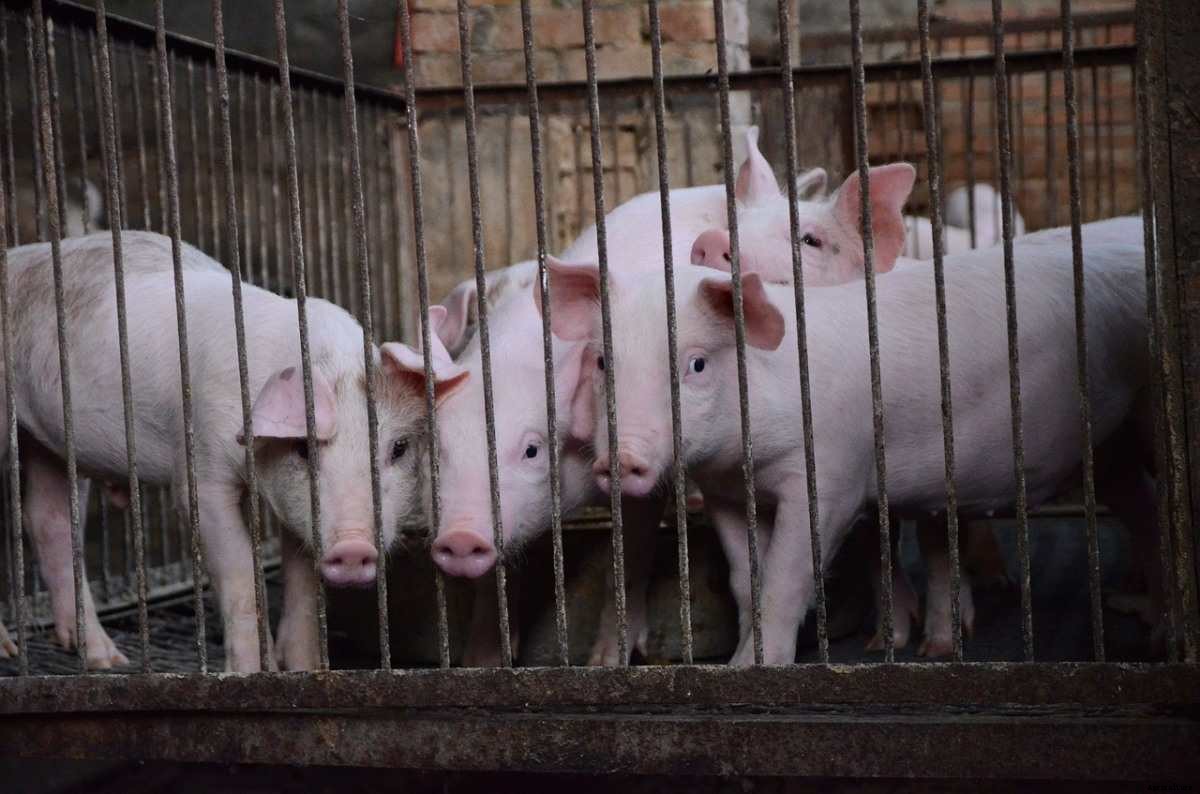
The pig farming business is very profitable in Nepal. It can be on a micro-scale or a large scale for commercial farming business and it supports the livelihood of poor people in rural areas. Pigs are kept for meat production. There are mainly two types of breeds available, which are:
Pig production depends on different factors such as feeding, control of diseases, breeds, and the overall management of the firm. With a small investment in building and equipment, proper feeding, and disease control programs the farmer can profitably utilize time and labor in the pig farming business. Generally, the farm size is smaller, but the commercialization has been started. The pig farming trend in Nepal is increasing and new government programs to support the pig farming business as a low-cost means to create income and to improve food security.
Usually, indigenous pigs are important in Nepal’s rich biodiversity of livestock resources. It is imperative that an inventory is made and their properties categorized to avoid their genetic erosion. It will provide employment opportunities to rural farmers and supplementary income to improve their living standards. Commercial pig production is also increasing at a higher rate due to its increasing demand in the country.
In case if you miss this: Sheep Farming In South Africa.
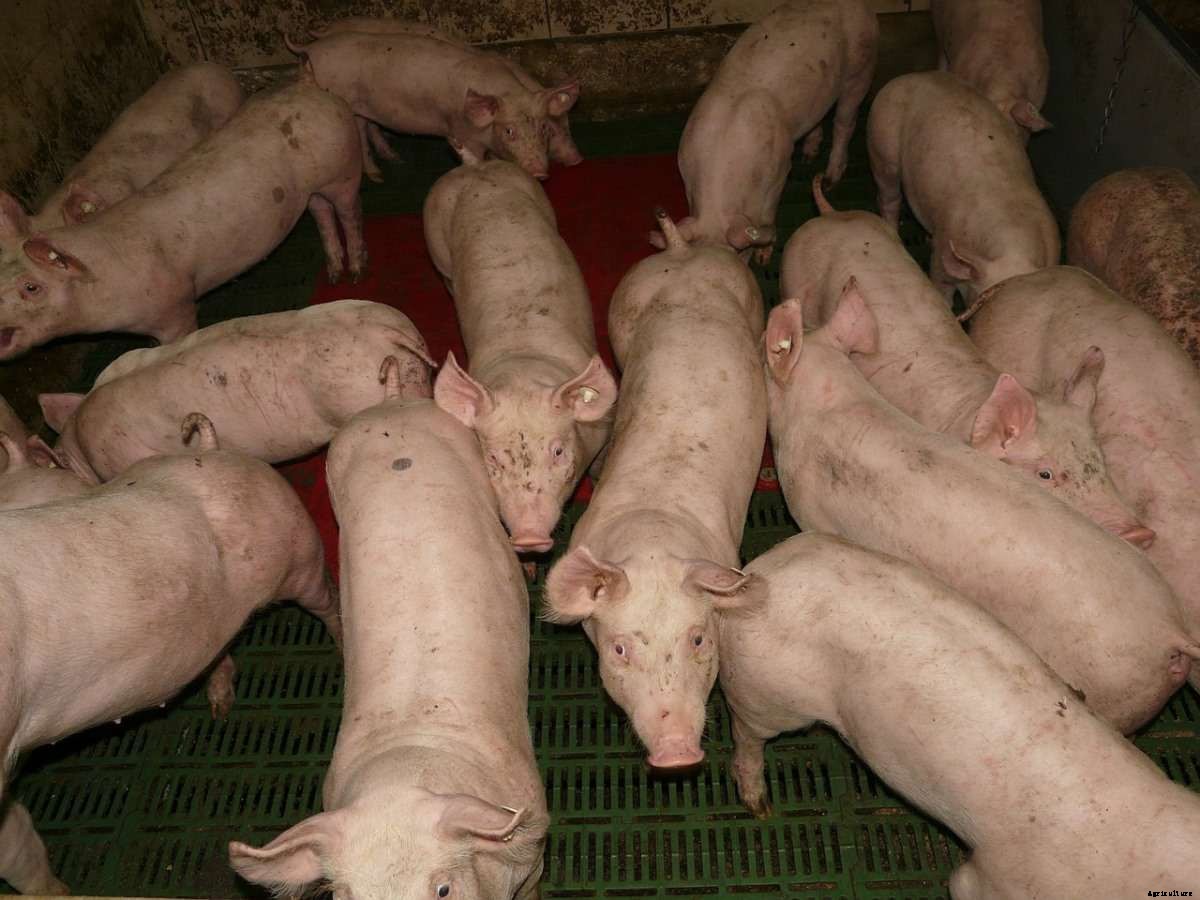
Pig farming in Nepal has been known socially and culturally by certain ethnic groups. Pigs on the farm are raised in a clean, healthy, and natural environment with plenty of moving vegetable fields and sustainable pasture. Usually, pork has a distinctive flavor good for animal welfare and ultimately safer for your family to eat. Chwanche, Hurrah, Bampudke, Pakhribas black, and Dharane Kalo banggur, etc., are the native pig breeds in Nepal. Some exotic pig breeds are imported in Nepal like Landrace, Hampshire, Duroc, and Yorkshire, etc.
Pig raising in the developing period in Nepal is based on agricultural products. All pigs are free-range, healthy, and well cared live outdoors there is some warm bedding region for starting commercial pork production in Nepal. Increasing demand for free-range pork farms is difficult to be filled by the small number of producers who are free-range pigs farming.
The growing market of free raised pork attracts several farmers but it is not easy for free-range farming, it requires some knowledge about the industry and the requirements. Nepal offers pig farming business training at a pig farm in low-cost production, and also practical knowledge for all interested farmers.
The pig farming system in Nepal has been accepted by certain ethnic groups only. Usually, the farm size is smaller, but it is coming up in the form of commercial farms. Generally, two farrowing per sow per year can be obtained with the harvest of 8 to 12 piglets in a single farrowing with 15% piglet mortality during the weaning period.
Particularly in rural regions, pig farming is based on agricultural by-products and kitchen wastes. Depending upon the type of feed supplement, the feed conversion ratio is about 1:3 to 1:4. Nowadays, pig meat is becoming popular and the production is estimated at 15,389 tonnes. Piglets are usually being exported to Sikkim, Darjeeling, Bhutan, and Meghalaya, etc.
People were showing interest to adopt semi-intensive systems and intensive housing systems rather than free-range. Today’s barns allow farmers to control access and better prevent the spread of diseases. Housing should be;
The identified indigenous breeds in Nepal are Chwanche, Hurrah, and Bampudke. Amongst these breeds, Chwanche is found in the hills and is black. Hurrah pigs are distributed in the Terai region in Nepal. Sanu Bandel is known to be the smallest of all hogs in the world. They are rusty brown to black and an adult weighs about 20 to 25 kg. The indigenous pig breeds are good in terms of disease resistance and reproductive characters like litter size and farrowing intervals. Though, they have lower body weights as compared to the improved breeds.
The total pig population in Nepal, about 58% is indigenous pigs while the remaining 42% are exotic pig breeds. The population of the Chwanche pig breed is stable, the number of Hurrah is declining and Bampudke is under threat of extinction.
Native pig breeds can be found throughout Nepal. They are small body size compared to other exotic pig breeds. Some native pig breeds in Nepal are Jangali Bandel / Wild Boar, Banmpudke, Pygmi Bandel, Hurra, Chwanche, Pakhribas Black Pig, and Dharane Kalo Banggur.
Jangali Bandel / Wild Boar –
Pygmi Bandel
Hurra
Chwanche
Banmpudke
Pakhribas Black Pig
Dharane Kalo Banggur
Some exotic pig breeds in Nepal are the Yorkshire, Tamworth, Landrace, and Hampshire, Meishan breeds, and their crosses. Pure exotic breeds do not perform well in rural pig farming systems in Nepal.
The pure breeding or crossbreeding system is being followed only in the case of exotic breeds like Hampshire, Landrace, Yorkshire, and Duroc. Crossbreeding among these breeds is being practiced for commercial pork production. However, the pure breeding of these pig breeds to maintain the parent stock is being encouraged.
In pig farming, the major issues of breeding are the existence of locally reared breeds, in-breeding, and unscientific methods of breeding. Farms taking a scientific way to breed pigs are difficult to find. Though, farmers can purchase purebred piglets for genetic improvement.
The stall feeding system was mainly adopted by a majority of pig farmers means 98.5% rather than others (1.5%). Because it is very easy to feed and utilize most of the waste materials as feed and family members also can give time to enough care.
In the pig farming business, farmers used locally available feeding materials and green grasses and other forages, etc. Pig farmers used the above ingredients as feed because they want to get profit from their resources. Though, the success of any pig enterprise depends on the feeding of stock with a well-balanced diet. The nutritional needs of pigs in the different phases of their life cycle vary, hence to achieve the maximum benefits of fast growth and efficient feed conversation; and meet the feed requirement of the critical stages.
A balanced diet means providing all types of nutrients required for them. Usually, pigs are non-ruminant animals and cannot synthesize any of the nutrients in their stomach. Carbohydrates and fats are required for energy and proteins, vitamins, minerals, and water are necessary for growth, maintenance, and vitality. They get all nutrition from food product varieties derived from plant and animal sources.
Pigs get fed mostly by corn and soybean meals with a mixture of minerals and vitamins added to the diet. Also, they are given vegetable peels, bakery wastes, and kitchen wastes, etc. They eat vegetables, fruits, flowers, grass, grains, and seeds. They find some food from pasture land and they depend more on readymade feed or in the food that we provide. The food we provide should have the right proportion of proteins, minerals, and energy foods. Adult pigs consume about 3 to 5 gallons of water per day. The success and failure of pig farming mainly depend on the feeding process.
The pig feed business is an important industry that has not been helped by subsidies in Nepal. Feed costs are high in Nepal, as up to 80% of all raw materials have to be imported. Commonly, feed takes up to 75% of their total production costs. Feed is formulated around a base of maize of around 50%, with added ingredients like mustard cake, meat, soya, blood or dried fishmeal, and rice bran.
For preparing a balanced diet for pigs, you must provide all kinds of nutrients from a variety of food sources during feeding. Pigs are non-ruminant animals and locally available sources of these nutrients are;
Carbohydrates and Fats – Carbohydrates are the main source of energy and the main source of carbohydrates are rice, maize, barley, and wheat.
Minerals – Minerals are very important for the body to stay healthy. The main sources of minerals for feeding pigs are common salt, oyster cells, bone meal, and readymade mineral mixtures. Calcium and phosphorous are necessary for a large quantity.
Proteins – Proteins are large, complex molecules that play main roles in the body. The main sources of proteins are soybean, mustard seeds, leguminous crops such as cowpeas, grams, lentils, and peas, etc.
Vitamins – Vitamins are organic compounds that are required in small quantities to sustain life. The vitamins can be mainly obtained from fruits and green vegetables.
Water – Fresh water must be provided as much as they need.
Particular selection and the combination of food sources must be made to prepare a balanced diet for pigs. Apart from the sources of nutrients, preservatives, flavoring, and coloring agents, antibiotics, enzymes are also added which may be found on the market.
All pigs should be vaccinated against swine fever at the age of about 2 to 4 weeks. Though, breeding pigs should be tested for brucellosis and leptospirosis. As a routine measure, all young pigs at the time of weaning must be inoculated against swine fever.
Animals purchased for the farm must be purchased from disease-free herds. Newly purchased animals must be isolated from the other animals on the farm for a period of 3 to 4 weeks. Those pig houses cleared of the animals are kept empty for 3 to 4 weeks for the destruction of microorganisms causing the disease.
Keeping pigs healthy is important and some disease prevention practices in pig farming are safe housing, and preventing and preparing for foreign animal disease.
Anthrax – It is a bacterial disease and it is a highly communicable disease and may affect human beings. It is controlled through vaccination. When pigs get an infection of anthrax, they do not eat and their body temperature level goes around 42°C.
Foot and Mouth Disease: It is a viral disease and it is also highly communicable disease. Therefore, himex ointment is a treatment for infected pigs. Infected pigs salivate and then feel difficulty in walking. Pigs must be vaccinated at a 4-month interval.
Swine Fever – Infected pigs’ body temperature level goes around 41°C. Though, constipation is seen in the initial stage and finally diarrhea with blood strains. Running nose appears with mucus and blood. Pigs must be vaccinated annually to prevent this disease.
Parasites – Parasites are living things that use other living things such as the pigs’ bodies for food and a place to live. They can get them from contaminated food or water. There are mainly two types of parasites; external and internal. External parasites can be mainly controlled by sanitary management. But, internal parasites such as tapeworm, threadworm, roundworm, and trichuria are more problematic. Then, it is advisable to consult veterinary doctors.
The other diseases in pigs like brucellosis, swine flu, nematodes, and cestodes, and so on. A hygienic environment must be maintained for proper sanitation and prevention. To control any diseases and parasites, spray disinfectants 2 weeks before the due date of birthing.
Some farmers work with veterinarians to reduce the chance of illness and diseases in pigs. Besides diagnosing and treating sick pigs and maintaining records, veterinarians help farmers;
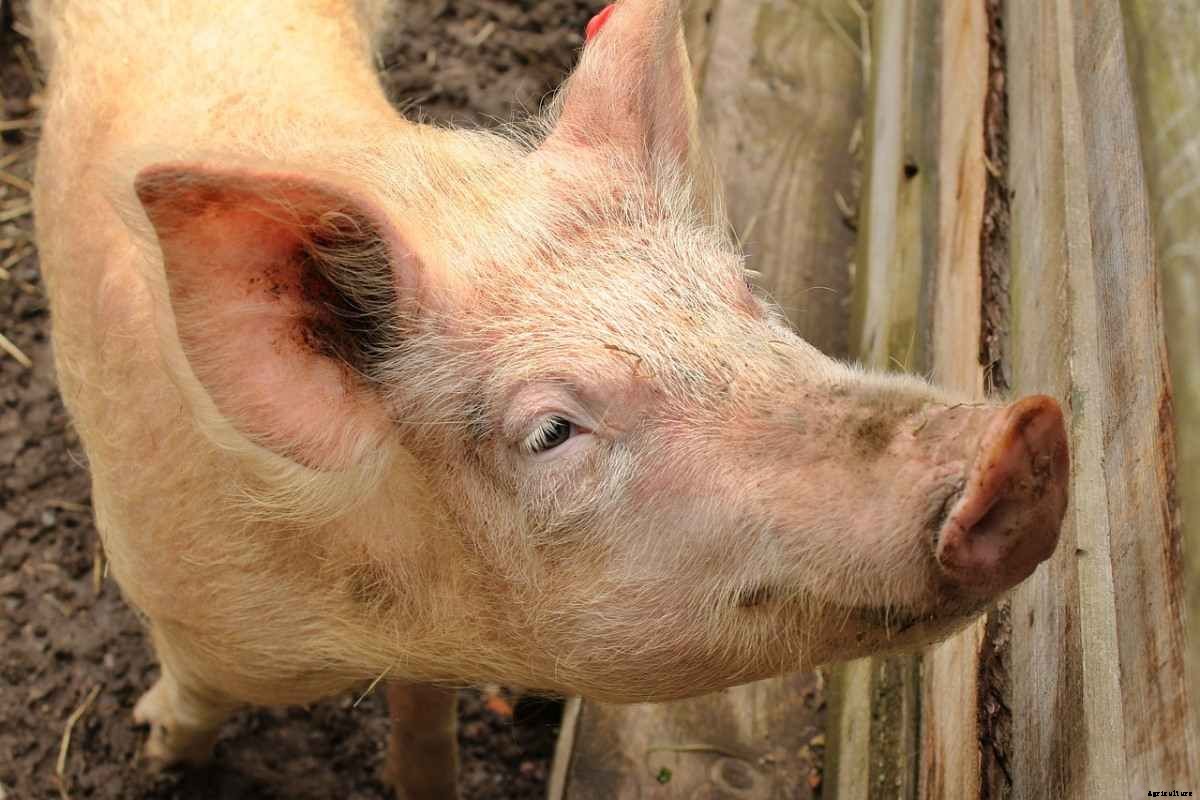
To promote the consumption of pork it must be supplied to the consumers. For maximizing the productivity, sale of piglets at 2 to 3 months of age yield quick returns to concentrate their efforts. Based on the market demand appropriate marketing strategy should be adopted in consultation with the local animal husbandry department officials.
In Nepal, there is no fixed system for marketing. There is a regular live animal and pork haat bazaar system developed in different municipalities to which farmers bring their animals for sale to local traders. Only, there are a few cold stores in Nepal because consumers prefer fresh pork to frozen.


