
Welcome to Modern Agriculture!

With a huge presidential election coming up, we asked poultry presidents around the country, about their jobs, what makes a great president, and to share their organization.
Your duties: Promote and successfully operate the oldest livestock organization in North America. Assists in various other poultry-related meetings, events, and exhibitions. Is responsible for the conduct of the directors’ and general meetings as well as be the sole interpreter of the Constitution and By-Laws of the Association when not in session.
Ideal president: Listens to and considers the opinions of the association’s board of directors and its membership. An association does not exist without members and their interests must be served. Promotes the association at every opportunity and wholeheartedly believes in its mission and core values.
Your organization: To promote and protect the standard-bred poultry industry. To that end, we: publish the American Standard of Perfection with breed and variety descriptions for all the recognized purebred fowl. Additionally, since 1874, the APA is the go-to organization for anything concerning standard-bred poultry. We are member-centered, technology serving, and progressive. We believe in the importance of our membership and serving its needs.
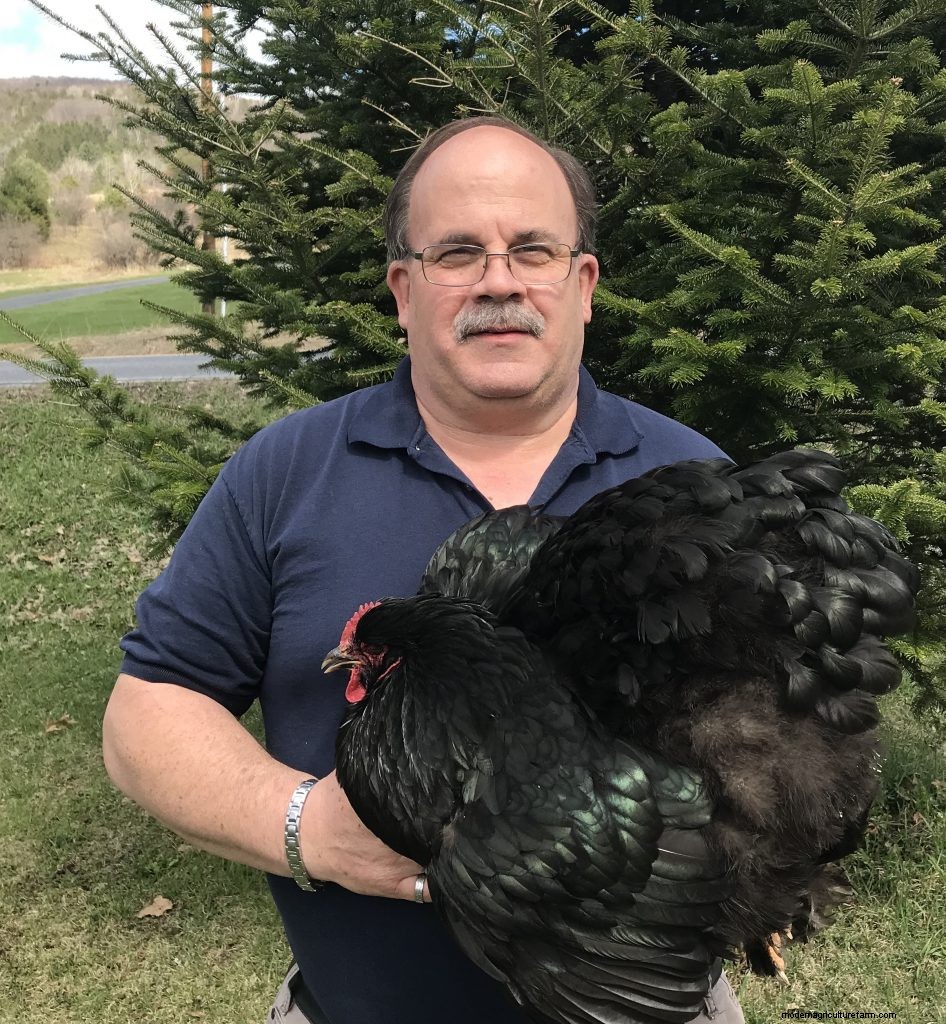
Your duties: Oversee the implementation of our various programs in education and research to support the poultry industry in the following developed program areas: research, education, environmental, employee safety and health, food safety, and human resources. While geared toward the commercial interest, several of these areas, especially research (e.g., disease prevention and control, animal welfare enhancement, food safety enhancement, etc.) would apply over to backyard poultry. Host our signature event: the International Poultry Expo.
Ideal president: That’s easy — having a great team to work with here at U.S. Poultry & Egg Association, and a great Board of Directors to provide insight and counsel on industry issues and opportunities we should address.
Your organization: We display virtually all the equipment and services utilized in the commercial industry, much of which can be adapted to smaller operations. Members have access to a wide variety of publications, research reports, and industry news wires.
Your duties: Oversees the welfare and sustainability of the organization. This includes oversight of the staff, finances, PSA journals; Poultry Science and The Journal of Applied Poultry Research, and our Annual Conference; with direction and support from the Board of Directors and the membership.
Ideal president: One must be a good listener, trustworthy, diplomatic, and above all else have the ability to make decisions for the membership and defend those decisions if needed.
Your organization: PSA is a global, culturally diverse organization dedicated to the advancement of poultry science, the poultry industry through research, and the promotion of careers in poultry science for people of all backgrounds and interests. We are only as strong as our members and to be effective in advancing the poultry sciences, we need member guidance and contributions from all areas of the poultry industry.
Your duties: Promote the breed and the club. As Chairman I direct the tone of discussion in a positive way. I pick up slack when things need to be done.
Ideal president: Must have a true love of the breed and thick skin. In poultry clubs, much like in life, there will always be loud complainers and quiet doers. Seek out the quiet doers to build a great team. Before you are a leader, success is all about growing yourself. When you become a leader, success is all about growing others. To be successful as a President you need a great secretary and board members who work tirelessly to promote the breed with you.
Your organization: We are growing by leaps and bounds. We are committed to providing our members with new technology, education about the breed and opportunities to show, sell, and promote Ameraucanas. We were recently added a new color variety, self blue, with the APA. We are dedicated to furthering the Ameraucana breed and are very active on social media and have a great group of members both new and old that love the breed.
Your duties: I ensure that the constitution and by-laws are rightly executed and that the other officers of the American Silkie Bantam Club fulfill their assigned duties. When every board member is fulfilling his or her duties the club functions as intended.
Ideal president: Being readily available to attend to any needs of the club and its members. I am always willing to help with any questions and concerns that our members may have, and I take the time to mentor members or if needed direct them to other breeders who will aid in mentoring specific varieties of silkies. Communicating and updating the club and Focusing on our junior membership and program is also important.
Your organization: We offer many forms of mentorship to help you grow. Our board members are experienced breeders and exhibitors themselves who take the time to write informative and educational articles in the newsletters that are sent out to our members each quarter as well as make themselves available for members’ questions. We have distinguished awards like lifetime achievement.
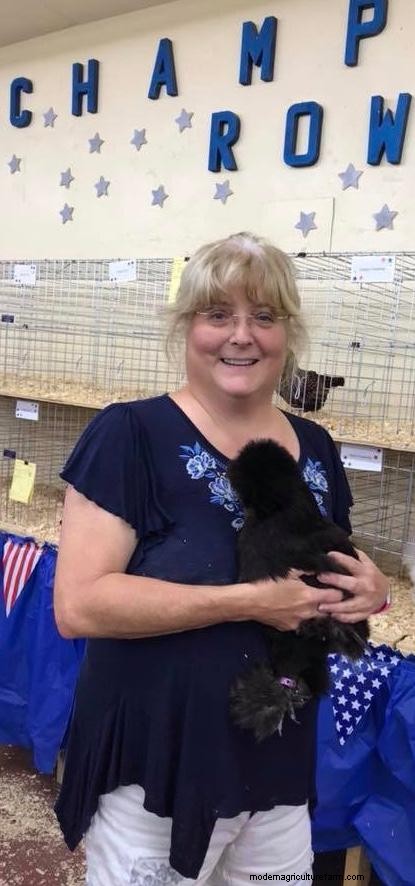
Your duties: Ensuring the organization is running smoothly and the breed is promoted. I conduct meetings at the National events.
Ideal president: A great leader is someone who isn’t afraid to listen to the members of the club
Your organization: To promote the breed, gain knowledge from experienced breeders.
Your duties: Serve as the head of public outreach and guide the direction of the club. I work closely with the other officers to maintain the website and keep members connected with the breeder’s directory, newsletters, club meets, and Facebook group.
Ideal president: Demonstrates dedication to the advancement of both the breed and the club and maintains communication with officers and members. It is critical to display a leadership style that both engages experienced breeders and welcomes new folks to the breed.
Your organization: Rare breeds are in dire need of more breeders to preserve and advance the breed. Buttercups have many unique traits to consider, and currently, there is very little published information. It is critical for serious breeders to share information, experience, and bloodlines to advance and promote the breed in both large fowl and bantam forms. We set up club meets at shows across the country where breeders can meet in person and compare stock. By keeping our communication online, we have been able to make our membership costs completely free.
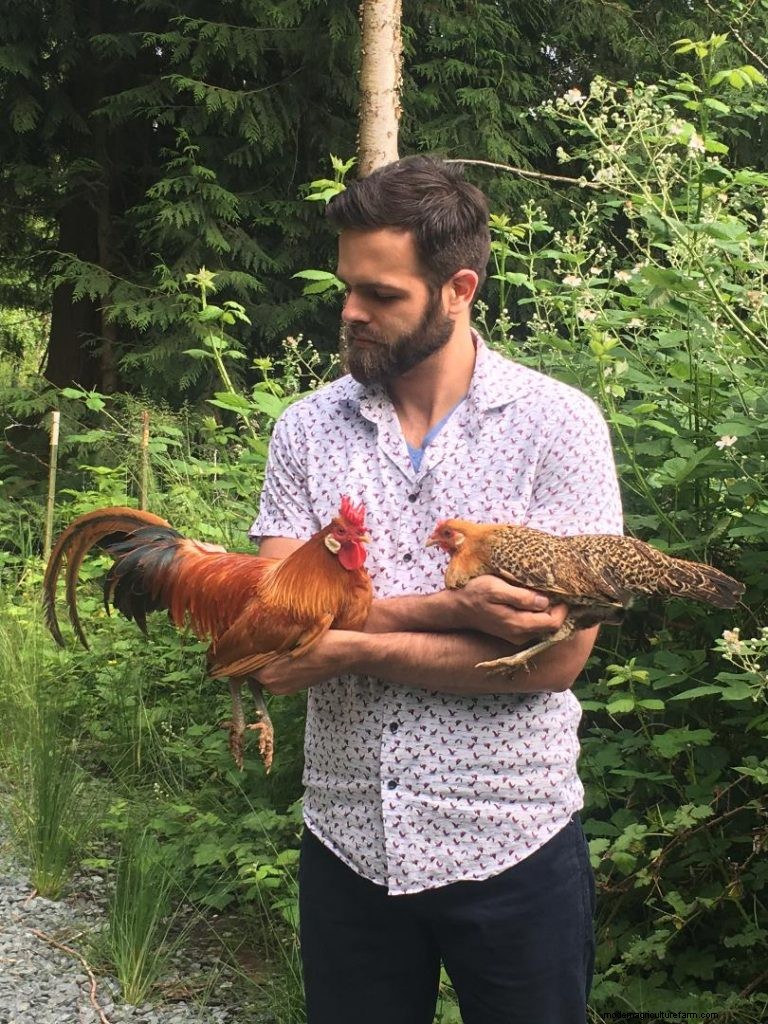
Your duties: To be a public face for the club. I run our Board meetings, oversee the Board and their duties and offer any necessary support, attend as many of the shows as possible, reach out to club partners and sponsors, organize our Annual Club Meeting at our National meet, and so forth.
Ideal president: Be an active and passionate person in the membership. A president needs to be involved with the club membership. They need to be engaging, kind and a skillful diplomat. There needs to be an understanding of what the club needs and what the membership wants while preserving the ethics and the standard of the club and its breed. A president also needs to be ready to stand up for the membership and make sure their voice is heard by the Board even though the president has no vote. The president needs to be respectful and kind.
Your organization: We have a very welcoming membership and Executive Board, an amazing quarterly Newsletter, a strong support for those breeders who exhibit, and a passionate core dedicated to preserving this historic breed in both its large fowl and bantam sizes. We are a long-standing breed club and hold true to its core values and beliefs of the preservation of the Dominique chicken.
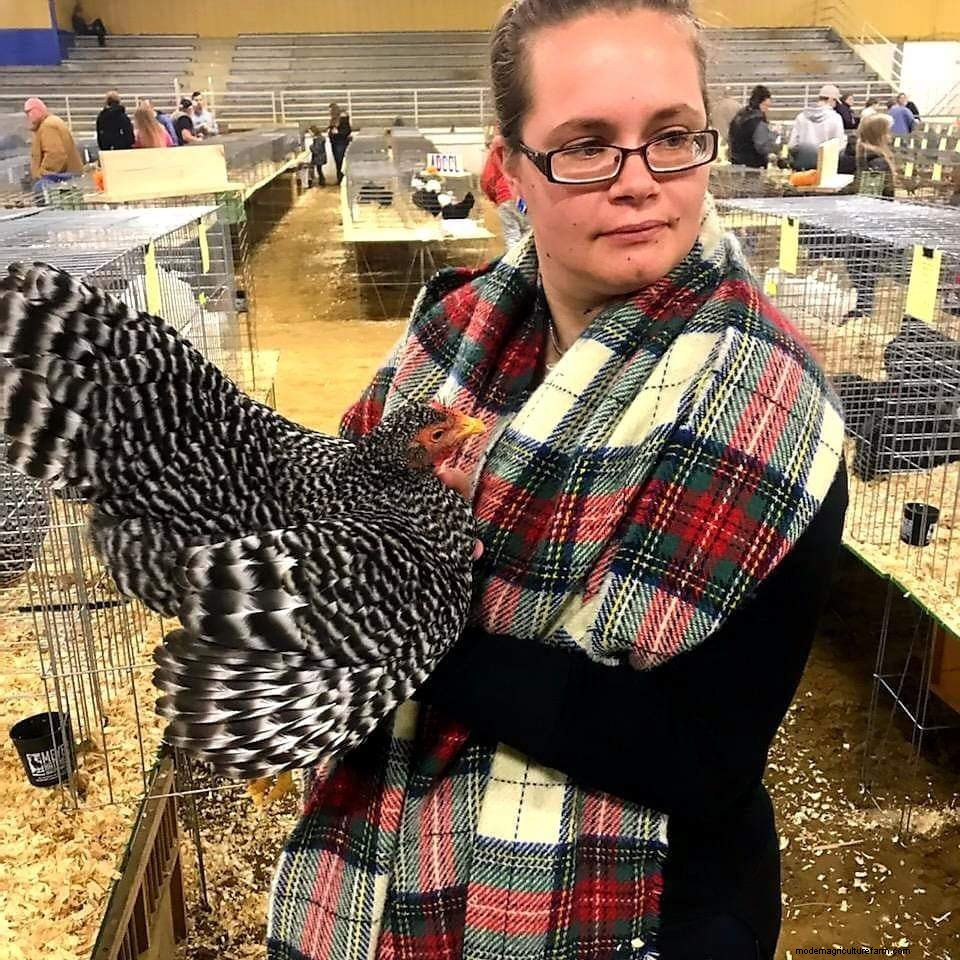
Your duties: Chief volunteer. I am also the head spokesperson and represent Guinea Fowl International at events, speaking opportunities, and online on guinea-related pages and forums.
Ideal president: Recruiting great people and letting them do their thing.
Your organization: Guinea-keeping is on the rise in the U.S. as a means of organic pest control, but the species is often misunderstood, and people become frustrated or even fail at maintaining a flock of guineas. Guinea Fowl International was formed to gather and share information from poultry scientists, avian vets, and some of the largest breeders and backyard flock keepers and then to get that correct information out to people looking to add guinea fowl to their properties.
Your duties: To preside over meetings and help guide the club. To oversee any problems and help with new ideas.
Ideal president: Be a leader — promote the breed and the club at all times.
Your organization: Teaches others about the breed. Learn from associating with its members and from our newsletters.
Your duties: Acting as chairman of the board of directors, ensure the constitution/bylaws are followed during all club business, maintain the NCBA website, and preside over meetings.
Ideal president: Is organized, dedicated, and patient. To hold a leadership role you need to be extremely dedicated to your breed and to the organization. Patience is huge.
Your organization: Our yearly National Meet includes a raffle, live bird auction, and club merchandise. We publish three to four newsletters each year and an end of the year yearbook. We offer a lot of literature. Our organization is a perfect blend of “old-timers” teaching and “newbies” learning.


