
Welcome to Modern Agriculture!

By Anita B. Stone
It may not be apparent to some of us, but chickens need veterinarians as much as any other farm animal. Selecting a poultry veterinarian is important, both to you and your flock. There are a variety of veterinarians, all geared toward a common goal — to keep animals healthy and safe. According to the Bureau of Labor Statistics (BLS), the veterinary profession will show growth at approximately 12% through 2022, which is about the same as the average for all professions. There is a hike, however, in one segment of poultry veterinarians, a broader category, because so many more people are adopting chickens as pets.
To find the best practitioner for your flock, it helps to understand what a poultry veterinarian does, and how this type of veterinarian fits into your homestead life.
Poultry practitioners are limited due to the number of board-certified specialists in the field. The World Veterinary Poultry Association (WVPA) is an international group specifically dedicated to poultry medicine. The name “poultry vets” usually implies a focus on a particular species, such as chickens, ducks, or turkeys. It can also refer to a specific type of production of eggs or meat. Some poultry veterinarians may also transition into general avian or companion animal practice or move into regulatory inspection roles.
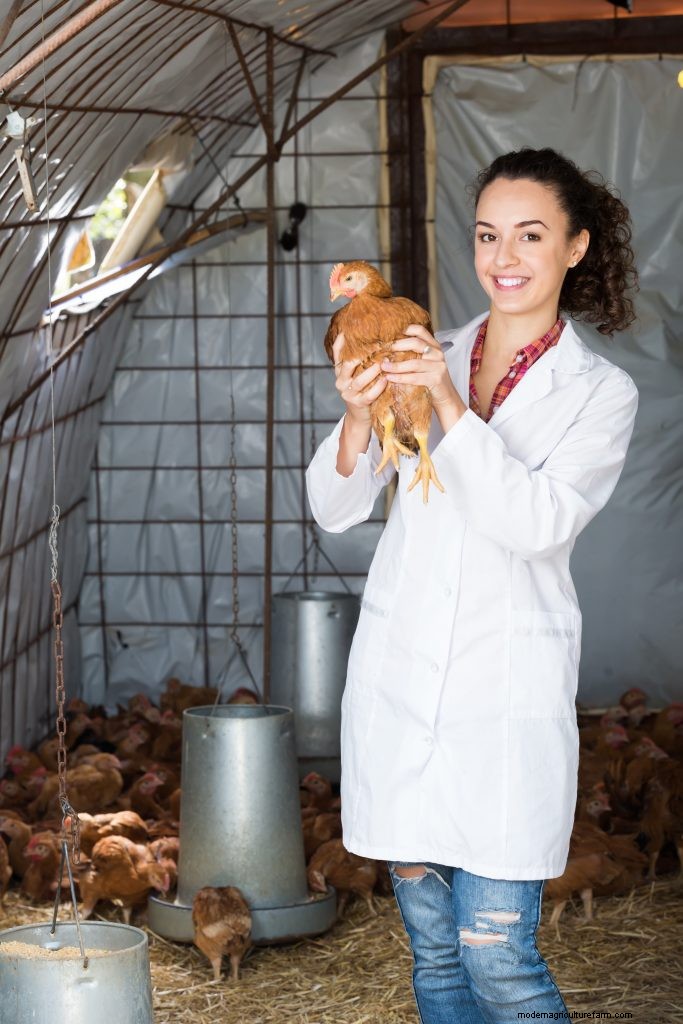
Poultry vets are small animal medical practitioners who specialize in poultry medicine and management. They are licensed animal health professionals with advanced training in the management of poultry species.
Should you purchase or inherit a flock or breed, you will require a poultry vet in order to keep the breed healthy. Selection is not a simple task. You need to find a practitioner who provides typical duties, including basic examinations, observation of flock behavior, vaccinations, inspections, evaluation of meat or eggs. The vet will also take samples for analysis, make nutritional recommendations, and devise flock health management.
Poultry vets usually work regular hours within a five- to six-day work week, especially once they have an established practice with clients and patients.
Flock Files: Symptoms of Infectious Diseases in ChickensTo receive quality care, check out their training. Practitioners begin by completing a Doctor of Veterinary Medicine (DVM) degree, which is achieved after a comprehensive course of study in both large and small animal medicine. After graduation, veterinarians must pass the North American Veterinary Licensing Exam to become eligible for licensing. After completing the DVM degree, a veterinarian seeking board certification in the chicken specialty must pursue additional training through a residency, publish articles relevant to poultry medicine, and seek out sponsorship by a current board-certified poultry veterinarian.
The American College of Poultry Veterinarians administers the certifying exam for poultry medicine in the United States. The board certification exam consists of three parts: breed identification, multiple-choice questions, and a written practical test. As an additional educational option, some universities offer a Master of Avian Health and Medicine degree for veterinarians. A non-thesis degree program, which is usually offered online, is recognized by the American College of Poultry Veterinarians (ACPV).
So, how do you choose a veterinarian for your chickens? And where do you search for a top-quality veterinarian for your flock?
Here are some basics to understand while searching for a poultry veterinarian:
Do your homework. Chickens require the same investment as any other livestock. “Raising chickens is kind of like raising children,” says Paige Watson of Wayne Farms. As a retired teacher, Watson began educating herself about chickens. After she began her chicken farm, she purchased chickens straight from a hatchery, and they remain with her for about 40 days. She checks feed lines, water lines, and makes sure there are no problems and keeps an eye out for sick birds.
Flock Files: Symptoms of Non-Infectious Diseases in ChickensWatson also benefits from her father’s expertise as both a chicken farmer and a veterinarian, who “helps educate me, daily.” She offers, “Don’t hesitate to take one or more chickens to the vet immediately if they show signs of injury, lethargy, drooping wings, diarrhea, or other symptoms. Hesitation can cause disease and spread rapidly through your flock and the vet can keep that from happening.”
If your chickens are kept healthy and happy, they will be healthy farm producers, egg producers, happy pets, or simply a colorful addition to the family homestead or garden. Just make certain you have arranged for a capable and available veterinarian.
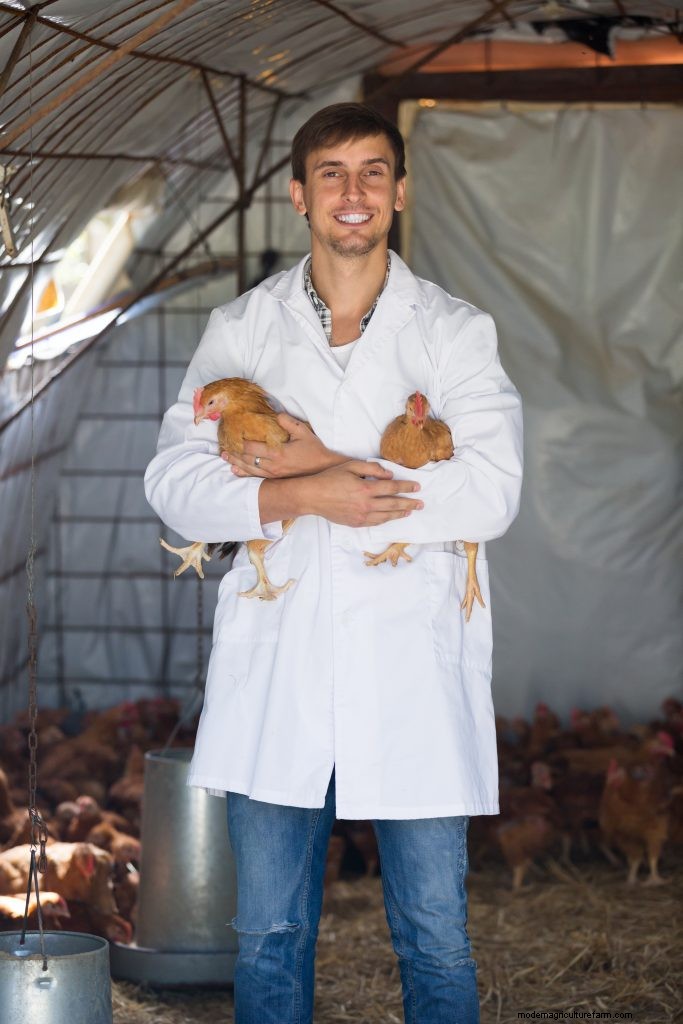
Originally published in the Backyard Poultry Special Subscriber 2020 issue — Comb to Tail Health — and regularly vetted for accuracy.


