
Welcome to Modern Agriculture!

In the eight years of keeping chickens and other poultry, we’ve had our share of illnesses and deaths. Our homestead has suffered three major illnesses during this time. Coccidiosis, avian influenza, and Mycoplasma gallisepticum (MG). With each deadly illness came death, and with death came the decision on how to dispose of the bodies.
Luckily, our property suffered minor losses when exposed to coccidiosis and avian influenza from migrating fowl. However, our homestead took a horrible blow when MG reared its ugly head. As a matter of fact, many small farms and homestead across the Pacific Northwest lost their entire flocks of chickens and other poultry. The culprit? Again, migrating waterfowl.
As homesteaders, the loss of 54 birds affected us emotionally and financially. These birds were an investment, but eventually, we would rebuild. However, backyard chicken keepers were the most emotionally distraught: their chickens were pets, making the death even more difficult.
The carnage left behind a decision regarding disposal. It’s not as simple as burying them. There are major factors to consider.
Regardless if you are a backyard chicken keeper, homesteader, or a farmer, the death of a chicken or entire flock requires biosecurity measures. The laws within your county will determine how to safely and correctly dispose of the remains.
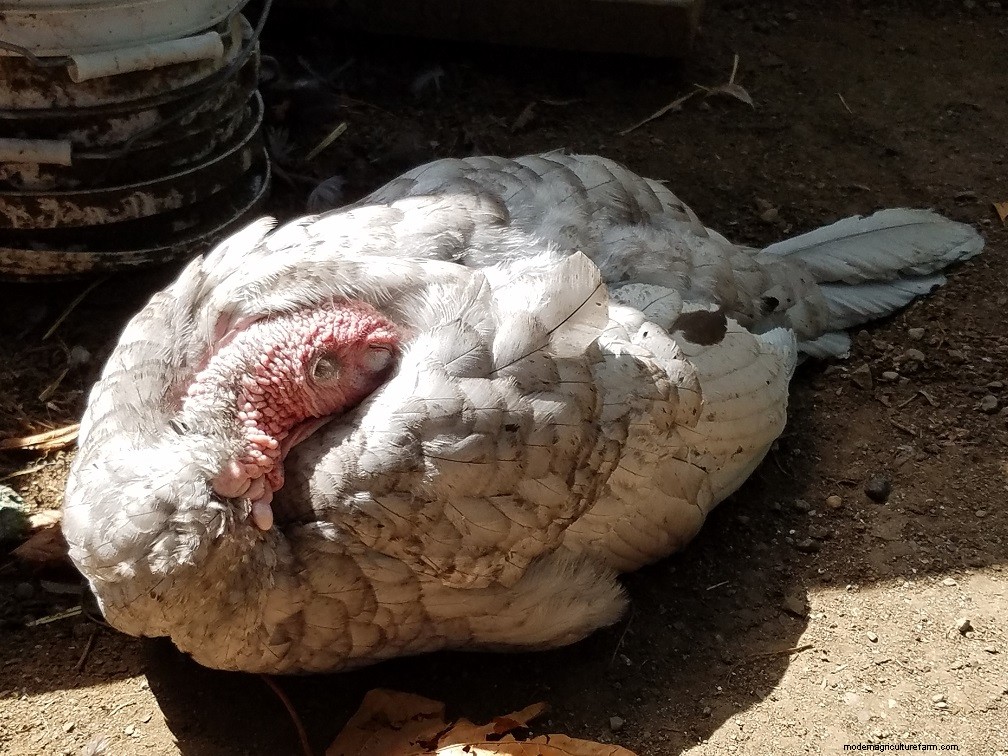
The following methods are ways to dispose of poultry carcasses.
How to properly dispose of dead poultry depends on the cause of death. And unfortunately, unless the signs are evident, it can be difficult to determine what has caused a chicken to pass.
You can perform a necropsy (autopsy) if you are versed in poultry anatomy. Or contact your local veterinarian for information regarding where necropsies are performed. In most cases, a university or a college specializing in veterinary medicine performs necropsies for a small fee.
With that said, here is a list of common health conditions and how to properly dispose of the carcass based on the condition.
A wide range of natural conditions and trauma can cause poultry deaths. Impacted or sour crop, vent gleet, heart attack, egg bound, internal cancer, injuries, and predator attacks are all common issues.
Under these circumstances, burying the carcass is a safe option. Keep in mind: laws in many counties and cities prohibit the burial of any livestock. If this is the case, consider incineration by a local livestock veterinarian or disposal through landfills.
Chicken deaths due to internal parasites, mites, or lice overload should not be taken lightly. When a dead bird is not disposed of properly, these parasites may transfer from one host to the next. Because the risk is high, it is best to burn the poultry immediately or take the bird to an offsite location to be incinerated.
The most common worm overload consists of roundworms, gape worms, and coccidia. Chickens are curious omnivores. They will consume anything and everything if given the chance, including a bird infected with worms.
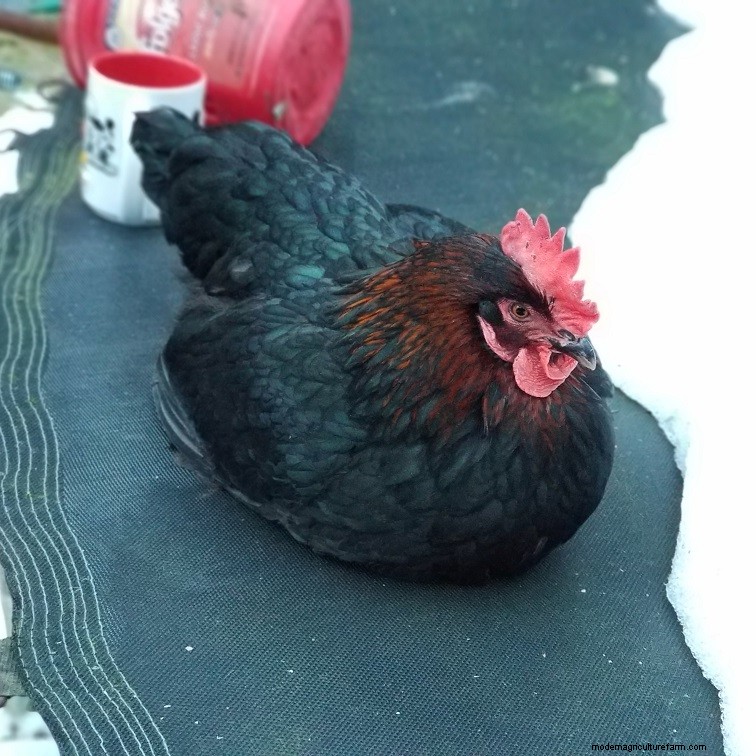
Common poultry respiratory issues spread like wildfire, infecting each member of the flock as well as wild birds. When the issue is not dealt with properly, death can occur.
Mycoplasma gallisepticum (MG) is an incurable respiratory condition. The conditions can be managed; however, the bacteria remain in a chicken’s body for the lifetime of the bird and can transfer to an embryo, making the unhatched chick a possible carrier. It is important to understand that a carrier carries MG for its lifetime and bacteria sits dormant until a weak immune system awakens it.
Because poultry can become infected by pecking at infectious secretions found in the eyes, nostrils, and on feathers, it is best to immediately burn or take dead birds to be incinerated. Keep in mind: the incineration fee is based per bird, making it expensive for those who have a large flock.
There are two strains of the A virus, with the most deadly being the HPAI strain. Infected birds pass the virus through saliva, feces, and nasal secretions. Birds can also become infected from contaminated surfaces such as roosting bars, nesting boxes, coop floor or walls, feed bowls, and waterers.
Much as with Mycoplasma gallisepticum, burying an infected bird runs the risk that it will be dug up by a predator, hence leaving it exposed to wild birds. A wild bird that consumes dried nasal secretions can become a potential carrier for avian influenza HPAI.
Never dispose of a carcass in a body of water. Organisms that transmit avian influenza can survive underwater, especially cold water.
Disposing of dead poultry is never easy. Learning how to safely handle the remains will minimize the spread of any parasites or bacteria.


