
Welcome to Modern Agriculture!

Are you interested to know about “how much does it cost to start a goat farm in Nigeria?” Well, you are in the right place. As a result of the growing demand for goat meat, milk, and other by-products, establishing a goat farm in Nigeria has the potential to be an extremely lucrative business enterprise. However, for this to be successful, proper preparation and an awareness of the costs involved are required. Each stage requires a substantial financial investment, beginning with the purchase of land and continuing with the acquisition of goats, as well as the establishment of infrastructure, feeding, healthcare, and marketing. A number of factors, including Nigeria’s varied topography and the economic situations that differ from state to state, contribute to these expenditures. Within this guide, we will dissect the costs into the most important areas and present precise tables that are specifically adapted to the circumstances that are present in Nigeria.
Cost of Purchasing Land:
When it comes to beginning a goat farm, one of the most important considerations is, of course, the cost of land. Location, accessibility, and closeness to urban areas all have a vital role in determining the rates of various properties. The strong demand and limited availability in urban regions like Lagos and Abuja cause prices to be higher than in other parts of the country. An example of this would be the price of a plot of land in Lagos, which is around 600 square meters in size, which may range anywhere from ₦5 million to ₦20 million. On the other hand, in rural areas like Kaduna or Oyo State, the same plot of land might cost anywhere from ₦500,000 to ₦3 million. Because of these contrasts, rural places are significantly more appealing for livestock production, particularly for novice farmers who are working with a limited budget.
LocationLand Size (Plot)Price Range (₦)NotesLagos1 Plot (~600 sqm)5,000,000 – 20,000,000High demand drives up pricesAbuja1 Plot (~600 sqm)3,000,000 – 15,000,000Government zones affect pricingKaduna1 Plot (~600 sqm)500,000 – 3,000,000Affordable for small-scale farmersOyo State1 Plot (~600 sqm)700,000 – 4,000,000Suitable for livestock farmingEnugu1 Plot (~600 sqm)800,000 – 3,500,000Moderate prices due to agricultural activityDelta State1 Plot (~600 sqm)1,000,000 – 4,500,000Proximity to oil hubs increases costLeasing Option:
The leasing option is a reasonable alternative for individuals who are unable to afford the outright purchase of a vehicle. When compared to residential areas, the monthly lease prices in rural locations are typically lower. In the city of Kano, for instance, the monthly cost of leasing a parcel of land could range from ₦10,000 to ₦20,000, whilst in the city of Lagos, the same thing could cost anywhere from ₦30,000 to ₦50,000, respectively. There is flexibility with leasing, but there is no guarantee of long-term security. Farmers need to give careful consideration to the fact that leasing agreements frequently include provisions that stipulate the need for renewal on an annual or every few years basis.
RegionLand Size (Plot)Monthly Lease (₦)Duration OptionsLagos (Urban)1 Plot (~600 sqm)30,000 – 50,000Typically yearly agreementsAbuja (Suburban)1 Plot (~600 sqm)20,000 – 40,000Flexible terms availableKano (Rural)1 Plot (~600 sqm)10,000 – 20,000Long-term leases commonOyo State (Rural)1 Plot (~600 sqm)12,000 – 25,000Renewable monthly contractsPlateau State1 Plot (~600 sqm)15,000 – 30,000Popular among smallholdersInitial Stocking Budget:
The cost of purchasing goats is determined by a number of factors, including the breed, age, size, and overall health of the goats you intend to buy. The West African Dwarf goat, the Red Sokoto goat, and the Sahel goat are all examples of breeds that are very common in Nigeria. These factors, in addition to the location of the market, cause prices to fluctuate greatly. A baby West African Dwarf goat that is between six and twelve months old normally costs between ₦15,000 and ₦25,000, whilst an adult Red Sokoto goat that is between three and three years old might cost anywhere from ₦20,000 to ₦40,000. While imported varieties are not as prevalent as domestic breeds, they have the potential to command premium prices that range from ₦50,000 to ₦100,000 per goat. Before making a purchase, farmers should also consider the breed’s productivity, especially in terms of milk yield and meat quality.
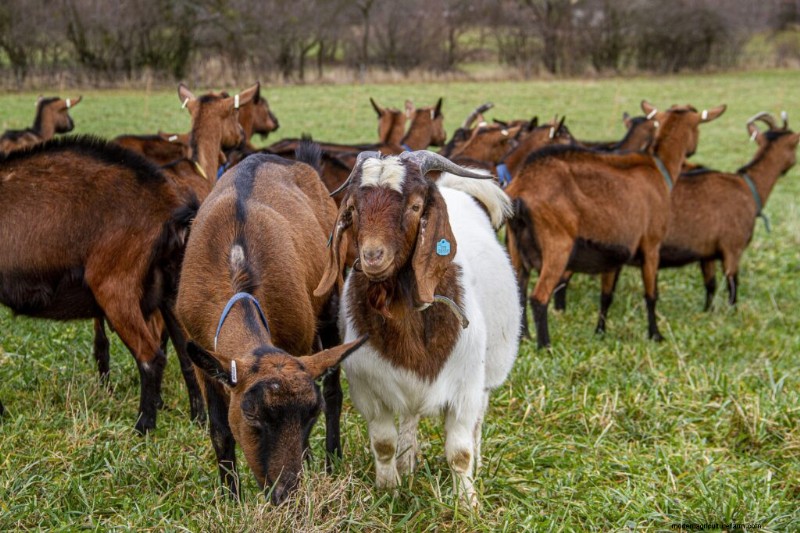 BreedAge GroupAverage Price Range (₦)Market AvailabilityWest African DwarfYoung (6-12 months)15,000 – 25,000Widely available in Southern NigeriaRed SokotoAdult (1-3 years)20,000 – 40,000Common in Northern NigeriaSahel GoatAdult (1-3 years)25,000 – 50,000Found in semi-arid regionsCrossbreedsMixed Ages10,000 – 20,000Available at local marketsImported BreedsAll Ages50,000 – 100,000Limited availability; premium price
Additional Considerations:
Considering the price of transportation for bringing goats to your property is another important consideration. The cost is determined by the following factors: the distance traveled, the manner of transportation, and the number of goats that are being carried. Transportation fees can range anywhere from ₦5,000 to ₦10,000 for small trips taken within the same local market. Interstate transportation, particularly for bigger herds, might incur costs ranging from ₦20,000 to ₦50,000, depending on the number of animals involved. Farmers ought to make certain that transportation is both safe and compassionate in order to reduce the amount of stress and potential losses that occur during transportation.
Distance TraveledNumber of GoatsTransport Cost (₦)Mode of TransportLocal Market (<50 km)Up to 10 goats5,000 – 10,000Pickup trucks or motorcyclesInterstate (50-200 km)Up to 20 goats10,000 – 20,000Trucks or trailersLong Distance (>200 km)Up to 50 goats20,000 – 50,000Livestock transport vansConstruction Costs:
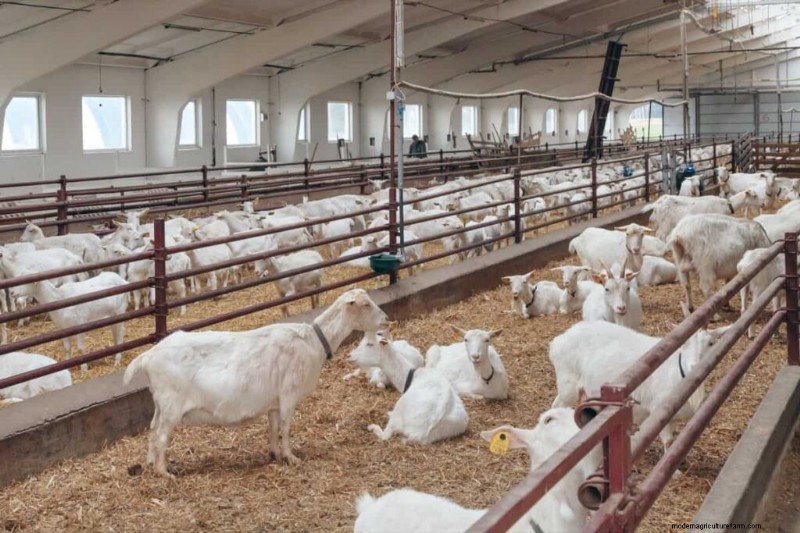
When it comes to the well-being and security of your goats, it is absolutely necessary to provide suitable housing and infrastructure. There are a variety of housing alternatives available, ranging from basic pens constructed from materials acquired locally to sophisticated facilities that provide contemporary conveniences. According to estimates, the cost of a simple pen that spans 50 square meters might range from ₦100,000 to ₦200,000. On the other hand, the cost of a larger covered shed that spans 100 square meters could be between ₦200,000 and ₦500,000. It is possible for the prices to climb to more than one million naira for commercial activities that require multi-sectioned sheds and construction that is long-lasting. When in the process of designing their structures, farmers should give ventilation, drainage, and protection from predators the highest priority.
Structure TypeSize (Sq. Meters)Estimated Cost (₦)Features IncludedSimple Pen50 sqm100,000 – 200,000Basic shelter with open sidesEnclosed Shed100 sqm200,000 – 500,000Roofed and fenced enclosureAdvanced Facility200 sqm500,000 – 1,000,000Ventilated design, feed troughs, water tanksLarge Commercial Shed500 sqm1,000,000 – 2,500,000Multi-sectioned, durable constructionFencing Expenses:
Protecting goats from potential predators and preventing theft requires the use of a fence that is secure. Both the initial cost of installation and the longevity of the fencing are affected by the type of material that is utilized. Wire mesh fencing is a widely preferred option due to its cost-effectiveness and affordability, with prices ranging from around ₦500 to ₦800 per meter when purchased. There is the possibility of employing chain-link fences for larger farms that require more robust barriers. The cost of these fences can range from ₦1,000 to ₦1,500 per meter. It is important for farmers to take into account the labor costs associated with installation, which often contribute an additional 20-30% to the overall cost.
Fencing MaterialPerimeter LengthCost Per Meter (₦)Total Cost (₦)Wire Mesh100 meters500-80050,000-80,000Barbed Wire200 meters300-50060,000-100,000Wooden Fence150 meters700-1,000105,000-150,000Chain Link300 meters1,000-1,500300,000-450,000Daily Feed Requirements:
Because they are ruminants, goats need to have a diet that is well-balanced and includes fresh grasses, hay, grains, and supplements in order to be healthy. Depending on the type and quantity of feed that is delivered, daily goat feeding expenditures can vary. Fresh grass, which is readily available in rural regions, can be purchased for roughly ₦50 to ₦100 per kilogram. It is recommended to purchase hay during dry seasons, and the price per kilogram ranges between ₦100 and ₦150. In addition, grains like maize or corn are frequently incorporated into the meals of goats, and the cost of these grains ranges from ₦200 to ₦300 per kilogram. Mineral supplements are essential for sustaining general health and productivity, despite the fact that they are less expensive than other supplements.
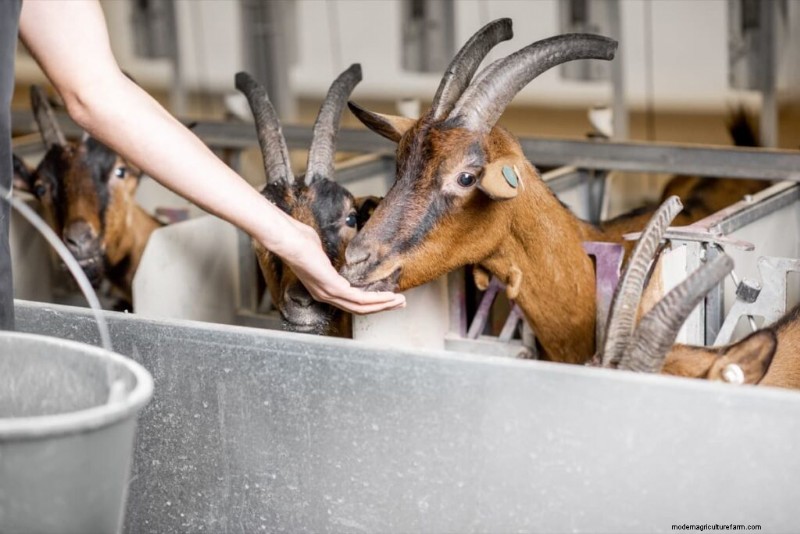 Feed TypeQuantity Per GoatUnit Cost (₦)Daily Cost Per Goat (₦)Fresh Grass2 kg50 – 100100 – 200Hay1 kg100 – 150100 – 150Grains (Maize/Corn)0.5 kg200 – 300100 – 150Mineral Supplements50 g50 – 10050 – 100
Water Supply Setup Costs:
To ensure the health and productivity of goats, it is essential to provide them with clean drinking water. Manual water troughs are the most straightforward choice, with installation expenses ranging from ₦10,000 to ₦20,000. Additionally, the monthly maintenance expenses for these troughs can be anywhere from ₦2,000 to ₦5,000. Automated watering systems, albeit having a higher initial cost (which can range from ₦50,000 to ₦100,000), significantly reduce the amount of time and effort required in the long run. Borehole installations are recommended for large-scale farms, and the costs associated with their installation might range anywhere from ₦300,000 to ₦500,000.
Water System TypeCapacity (Liters)Setup Cost (₦)Maintenance Cost (Monthly)Manual Water Trough50 liters10,000 – 20,0002,000 – 5,000Automated Waterer200 liters50,000 – 100,0005,000 – 10,000Borehole InstallationUnlimited300,000 – 500,00010,000 – 20,000Healthcare Costs:
To ensure that your herd continues to be healthy and productive, it is necessary to provide them with routine veterinary treatment. Vaccinations and deworming are two of the primary services that are required the most frequently. The administration of vaccinations is normally carried out twice a year, with the cost of each session ranging from ₦500 to ₦1,000 per goat. Deworming is often performed on a quarterly basis, and the costs for each goat per session can range anywhere from ₦300 to ₦500. It is possible that additional expenses will be incurred for general checkups as well as treatments for illnesses or injuries, depending on the severity of the circumstances.
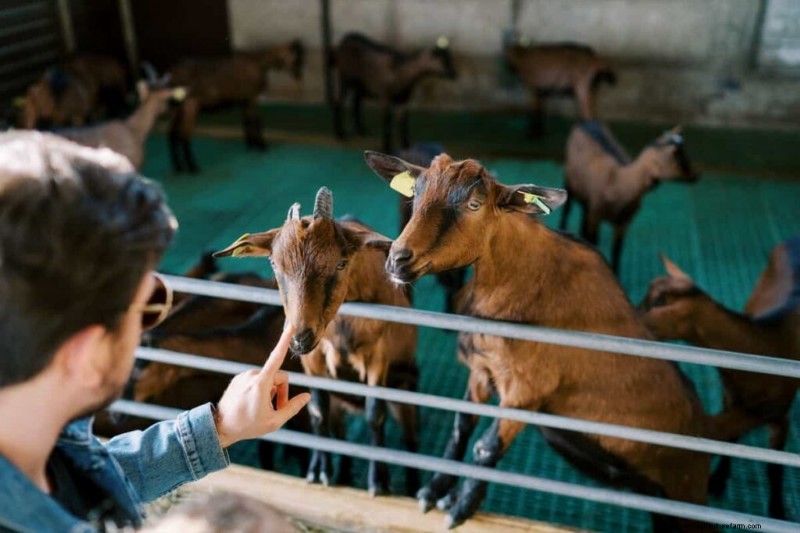 Service TypeFrequencyCost Per Goat (₦)Annual Cost Per Goat (₦)VaccinationBiannual500-10001,000 – 2,000DewormingQuarterly300-5001,200 – 2,000General Check-UpAs Needed1,000-2,000Varies based on frequency
Medication Costs:
Antibiotics, dewormers, and vitamins seem to be the most frequently prescribed drugs. Antibiotics are prescribed to provide treatment for bacterial infections, and the cost of each dose ranges from ₦500 to ₦1,000. Dewormers, whether they are taken orally or by injection, have a cost that ranges from ₦300 to ₦500 per dose. Each dose of vitamin and mineral supplements, which are known to improve both immunity and overall health, can cost anywhere from ₦50 to ₦100. Farmers ought to collaborate closely with veterinarians in order to devise a complete healthcare plan that is specifically customized to the requirements of their herd.
Medication TypeDosage FrequencyCost Per Dose (₦)Annual Cost Per Goat (₦)AntibioticsAs Needed500 – 1,000Varies based on usageDewormersQuarterly300 – 5001,200 – 2,000Vitamins/SupplementsMonthly50 – 100600 – 1,200Hiring Farm Workers:
One of the most significant operational costs associated with goat farming is labor, particularly as the farm expands in size. The cost of employing farmhands or herders in rural areas of Nigeria is quite reasonable, with monthly wages ranging from ₦20,000 to ₦50,000 depending on the employees’ level of experience and the responsibilities they are responsible for. There are skilled professionals who have the ability to command greater compensation, which frequently exceeds ₦100,000 per month. These individuals include veterinarians and livestock supervisors. Larger farms will require more hands to undertake daily activities such as feeding, cleaning, and monitoring herd health. Small-scale farmers may choose to manage their operations individually, but larger farms would require additional helping hands.
RoleMonthly Salary (₦)ResponsibilitiesFarmhand/Herder20,000 – 40,000Feeding, cleaning pens, general maintenanceLivestock Manager50,000 – 80,000Overseeing daily operations, record-keepingVeterinarian100,000 – 200,000Health checks, vaccinations, treatmentsPart-Time Help5,000 – 10,000Occasional assistance during busy periodsTemporary Labor Needs:
There are some tasks that can call for temporary labor, such as building, fencing, or collecting feed crops during specific times of the year. The daily earnings of casual workers often vary between ₦2,000 and ₦5,000, depending on the specific task and the region in which they are employed. It is important for farmers to include these sporadic costs in their budgets so that their activities run smoothly and without interruptions.
Task TypeNumber of WorkersDaily Wage Per Worker (₦)Total Cost (₦)Fencing Installation3 to 5 workers2,000 to 3,0006,000 to 15,000Feed Crop Harvesting5 to 10 workers2,500 to 4,00012,500 to 40,000Shed Construction4 to 8 workers3,000 to 5,00012,000 to 40,000Selling Goat Products:
When it comes to assuring profitability, marketing is an extremely important factor. However, online platforms and cooperatives are becoming increasingly popular. The most prevalent method of selling goats is to sell them directly to local markets or abattoirs. When selling processed goods like cheese or milk, marketing expenses include advertising, transportation to markets, and packaging. Some examples of processed goods include cheese and milk. Due to the increased level of competition, farmers in urban regions may spend more money on marketing, whereas farmers in rural areas rely on word-of-mouth and locally established networks.
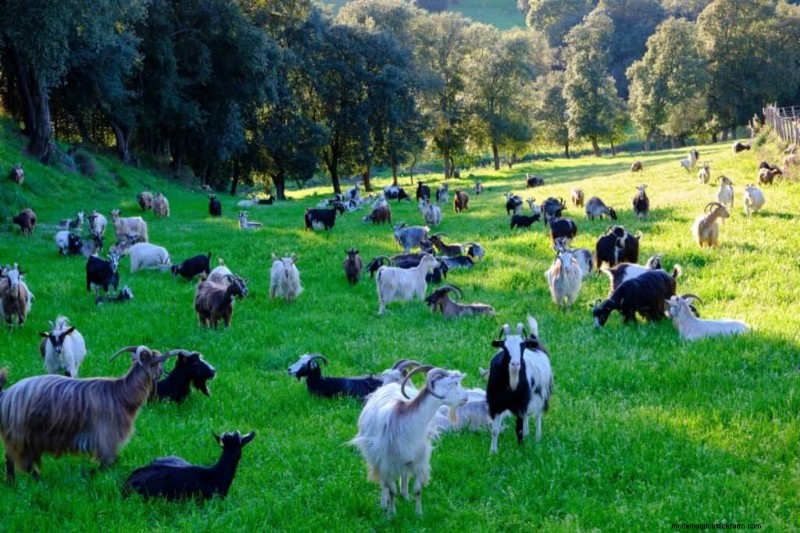 Marketing ChannelCost Range (₦)Pros and ConsLocal Markets0 – 5,000Low cost, immediate sales; limited reachOnline Platforms10,000 – 50,000Broader audience; requires internet accessCooperatives5,000 – 10,000Shared resources; lower individual costsAbattoirs0 – 2,000Quick turnover; lower profit margins
Transportation for Sales:
If goats or their products are transported to purchasers, there will be additional expenses incurred. For example, the cost of transporting goats to major markets such as Lagos or Abuja might range anywhere from ₦10,000 to ₦30,000, depending on the distance traveled and the type of vehicle used. When determining the prices of their products, farmers need to take into account these logistics in order to retain their profitability.
DestinationDistance (km)Transport Cost (₦)NotesLocal Market (<50 km)10 – 50 km5,000 – 10,000Minimal cost for nearby salesInterstate (50-200 km)50 – 200 km10,000 – 20,000Suitable for medium-distance marketsUrban Centers (>200 km)200+ km20,000 – 50,000Higher costs for long-distance deliveriesInsurance Costs:
It is recommended that you purchase insurance for your goat farm against potential dangers such as theft, disease outbreaks, or natural disasters, even though it is not required. Premiums for insurance vary according to the type of coverage and the size of the farm. The annual premiums for basic livestock insurance policies can range anywhere from ₦10,000 to ₦50,000, while the premiums for comprehensive plans that cover infrastructure and equipment can go over ₦100,000. Insurance companies should be consulted by farmers in order to tailor policies to the unique requirements of the farmers.
Coverage TypeAnnual Premium (₦)What It CoversBasic Livestock Insurance10,000 – 50,000Death due to disease, accidents, or theftComprehensive Insurance50,000 – 150,000Livestock, infrastructure, equipmentCrop Insurance (Feed)5,000 – 20,000Losses in feed crop productionLegal Compliance Fees:
It is possible that you may be required to pay legal fees in order to register your goat farm as a business entity and receive the relevant permissions. The amount of money required to register with the Corporate Affairs Commission (CAC) ranges from ₦10,000 to ₦50,000, depending on the type of registration that is being processed. There is a possibility that environmental permits or zoning approvals will generate additional expenses, particularly in metropolitan locations.
RequirementCost Range (₦)PurposeBusiness Registration10,000 – 50,000Legal recognition, tax complianceEnvironmental Permit5,000 – 20,000Ensures compliance with environmental lawsZoning Approval10,000 – 30,000Permission to use land for livestock farmingEssential Equipment:
For day-to-day activities, goat husbandry necessitates the usage of a wide variety of tools and equipment. Feeders, water troughs, milking equipment made specifically for dairy goats, and grooming items are all included in this category. There are a range of prices for basic goods such as feeders and water troughs, which can range from ₦5,000 to ₦20,000 each. On the other hand, more complex equipment such as milking machines can cost as much as ₦100,000. By purchasing long-lasting tools, farmers can reduce the amount of money they spend on replacements over time.
Equipment TypeQuantity NeededUnit Cost (₦)Total Cost (₦)Feed Troughs5 – 10 units5,000 – 10,00025,000 – 100,000Water Troughs5 – 10 units5,000 – 10,00025,000 – 100,000Milking Machine1 unit100,000 – 200,000100,000 – 200,000Grooming Tools1 set5,000 – 10,0005,000 – 10,000Maintenance Costs:
Equipment that is maintained on a regular basis will last longer and function more effectively. The amount of money spent on annual maintenance is normally between 10 and 20 percent of the initial purchase price. As an illustration, the annual cost of maintaining a milking machine can range anywhere from ₦10,000 to ₦20,000 or even higher.
ItemInitial Cost (₦)Annual Maintenance (₦)Lifespan (Years)Feed Troughs5,000 – 10,000500 – 2,0005 – 10 yearsMilking Machine100,000 – 200,00010,000 – 20,0005 – 7 yearsWater Pumps30,000 – 50,0003,000 – 5,0003 – 5 yearsFarmer Training Programs:
In order to achieve success in goat farming, it is necessary to make investments in training and capacity building. Training programs on best practices, disease management, and business planning are offered by a large number of agricultural extension services and non-governmental organizations (NGOs). Participants can choose to participate in these programs at no cost or at a cost ranging from ₦5,000 to ₦20,000. It is possible to greatly increase both productivity and profitability by participating in workshops or taking seminars.
 Training TypeDurationCost Per Participant (₦)Topics CoveredDisease Management1 – 2 days5,000 – 10,000Vaccination, treatment protocolsBusiness Planning2 – 3 days10,000 – 20,000Financial management, marketing strategiesFeeding Techniques1 day5,000 – 8,000Balanced diets, feed sourcing
Online Courses:
The use of online courses is an alternative for individuals who are unable to participate in in-person training sessions. At prices ranging from ₦5,000 to ₦15,000, online platforms such as Udemy and Coursera provide courses on cattle management strategies. Flexibility and access to experts from around the world are provided by these courses.
PlatformCourse DurationCost Range (₦)Focus AreasUdemy2 – 4 weeks5,000 – 10,000Goat farming basics, advanced techniquesCoursera4 – 6 weeks10,000 – 15,000Sustainable practices, market trendsUnexpected Expenses:
No matter how meticulously you prepare, it is impossible to avoid incurring unanticipated costs when farming. The need for repairs following severe weather occurrences, urgent veterinarian care, or abrupt spikes in feed prices are all examples of these types of situations. It is recommended that you set aside a contingency fund that is 10-15% of the entire costs associated with starting your business.
Expense TypeLikely Cost (₦)FrequencyPreventive MeasuresEmergency Repairs10,000 – 50,000RarelyRegular maintenance, quality materialsSudden Feed Price Hikes5,000 – 20,000OccasionallyStockpiling during harvest seasonDisease Outbreak Control20,000 – 100,000RarelyVaccinations, biosecurity measuresSumming Up the Investment:
Depending on the size of the farm, its location, and the amount of money invested, the overall cost of beginning a goat farm in Nigeria can vary. An initial investment of roughly ₦1 million to ₦2 million may be necessary for a small-scale operation consisting of 20 goats. On the other hand, a medium-sized commercial farm with 100 goats may fall within the range of ₦5 million to ₦10 million on the other hand. The amount of ₦20 million may be exceeded by large-scale operations that involve thousands of goats and advanced infrastructure.
Farm SizeInitial Investment (₦)Key ExpensesSmall-Scale (20 goats)1,000,000 – 2,000,000Land, goats, basic housing, feedMedium-Scale (100 goats)5,000,000 – 10,000,000Advanced housing, labor, marketingLarge-Scale (500+ goats)20,000,000+Infrastructure, equipment, full-time staffThe initial investment required to establish a goat farm in Nigeria is high; however, if the farm is managed well, that investment can yield substantial profits. Aspiring farmers may construct a business that is both sustainable and successful if they take the time to carefully plan and allocate resources across land, livestock, infrastructure, and operations.


