
Welcome to Modern Agriculture!

This post is in partnership with 3-IN-ONE® Lock Dry Lube. All thoughts and words are my own.
Whether you live in the city or out in the country, predators are always a concern if you have a flock of backyard chickens.
Raccoons, foxes, coyotes, weasels, owls, hawks, and even neighborhood dogs have been known to attack chickens at night or in plain daylight, especially if they free-range and you’re not nearby to deter unwanted visitors.
By their domestic nature, hens are easy prey: They have few survival skills, rarely take flight, and tend to flock together so they’re easier to target in one fell swoop.
I’ve raised chickens for over a decade and learned a lot in that time, the most important lesson being security for chicken coops.
In our previous home in the city, we frequently dealt with raccoons, skunks, and opossums passing through our yard.
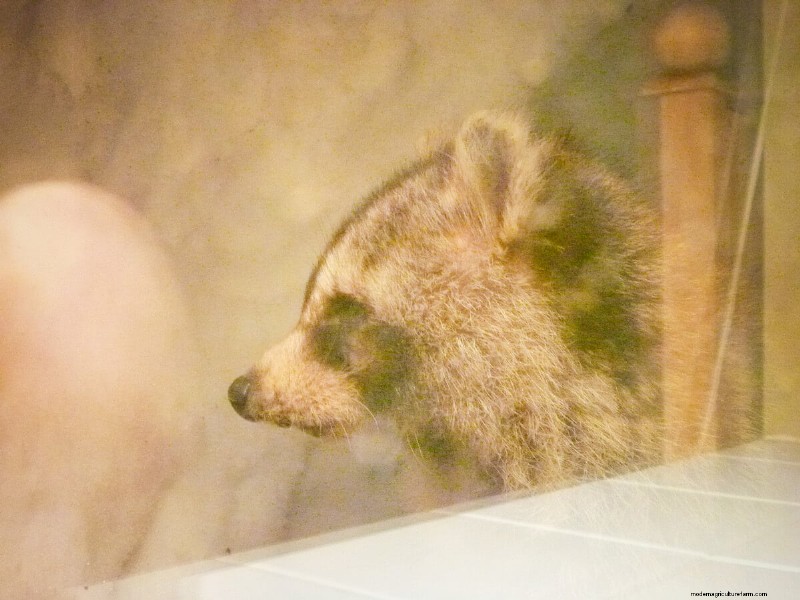
(Some of you may remember the heartbreak of one of our original hens being killed by a raccoon; another was injured in a separate incident but luckily survived.)
In our current home in a rural neighborhood, we’ve found suspicious animal prints around our coop in the morning, seen hawks soaring above our trees, and even dealt with loose, aggressive dogs.
Though we may not like it, predators are a fact of homesteading life.
But there are several security measures chicken-keepers can take to outsmart them, and they should all be considered if you plan to raise a flock or upgrade your chickens’ housing.
Disclosure: If you shop from my article or make a purchase through one of my links, I may receive commissions on some of the products I recommend.
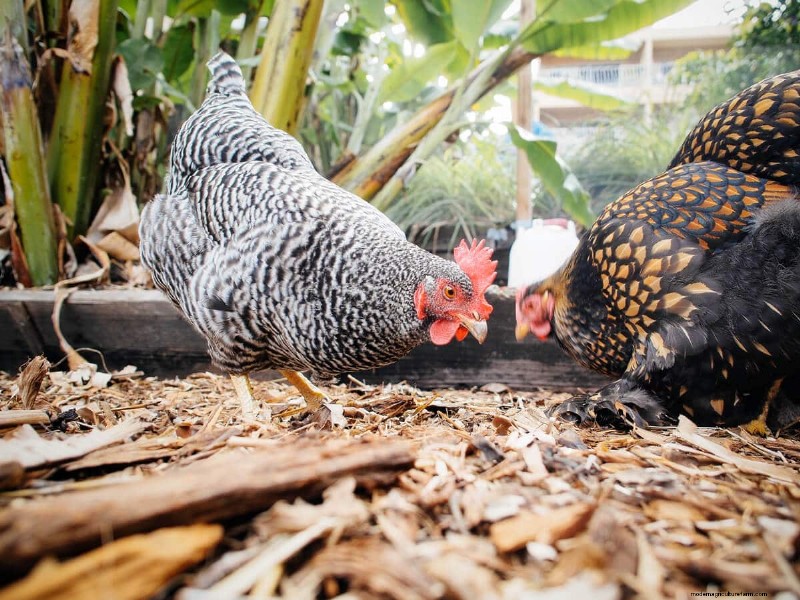
Many new chicken-keepers mistakenly buy chicken wire when building their coops because, well, it’s right there in the name and it seems to make sense.
But chicken wire (a hexagonal-shaped welded wire that’s also called poultry netting) is not a secure material for enclosing chicken coops and chicken runs.
It’s a relatively weak mesh that can be ripped apart or gnawed open, and the openings are large enough for raccoon hands or bobcat paws to reach through and snag chickens. Not to mention, mice and rats can easily squeeze through chicken wire in search of spilled feed and food scraps.
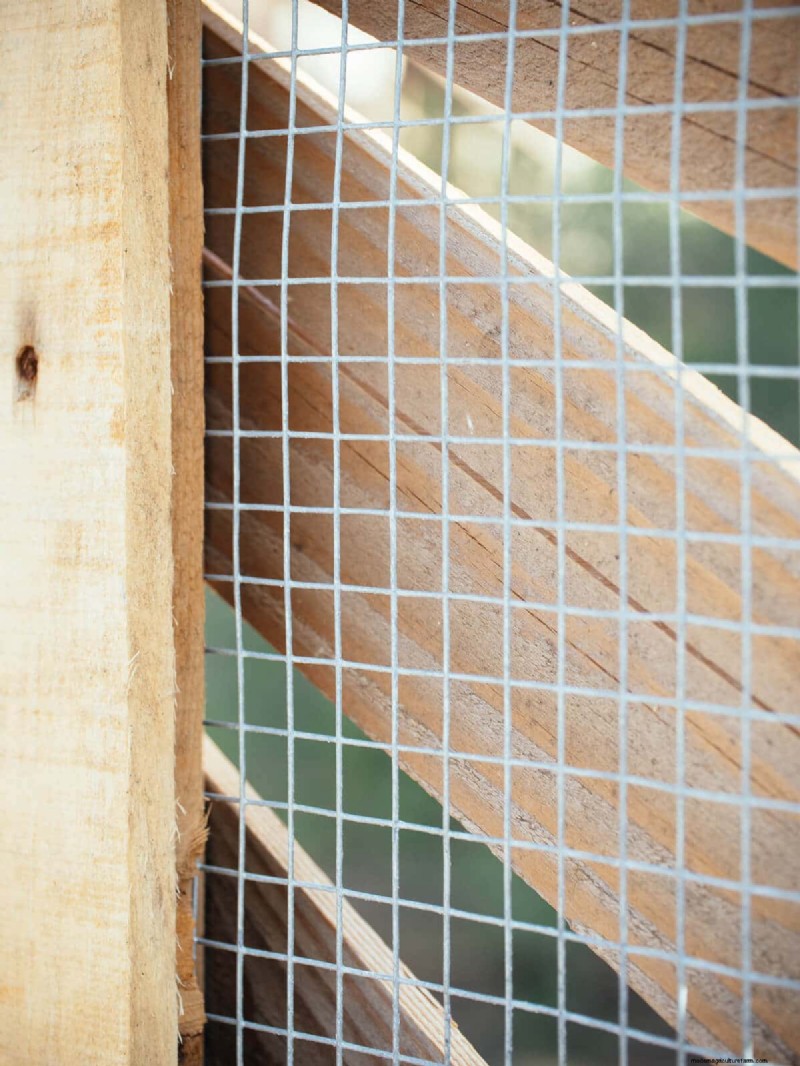
A better choice for enclosing coops and runs is 1/2-inch heavy-gauge hardware cloth or 1/2-inch welded wire mesh (typically used for livestock fencing). The mesh can be used for the walls, windows, vents, and doors, and should be attached to the wood framing with washers and screws, or heavy-duty fencing staples.
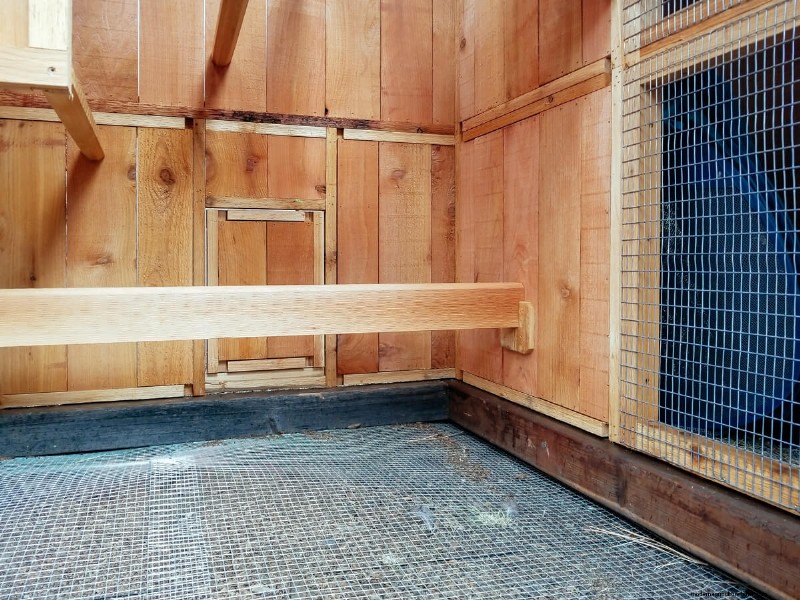
Walls are not the only places that are vulnerable to prying predators. The floors of your chicken coop and chicken run are, too.
Standalone chicken coops should have solid wooden floors to prevent predators from gaining access from below, and be elevated to keep the wood from rotting. (Old pallets work well for this, as do railroad ties, cinder blocks, or paving stones.)
If your coop is attached to an enclosed run, cover the floor of the run with hardware cloth, bring it up the sides a few inches, and attach it to the frame.
Pile on dirt, sand, straw, wood pellets, or whatever medium you prefer inside the run, and your flock has a safe space to roam without worrying about predators digging under the run.
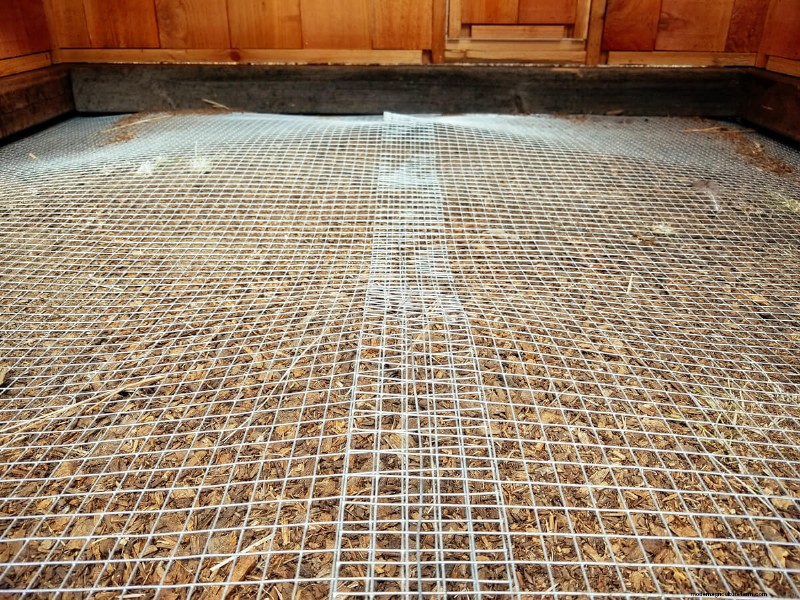
For large runs where covering the floor isn’t feasible or economical, create a hardware cloth “skirt” or apron.
There are two ways to create an effective skirt:
The first method is to dig a trench (at least 12 inches deep) around the perimeter of the run.
Slide a sheet of hardware cloth that’s at least 18 inches tall into the trench, and attach the excess above ground to the chicken run. Overlap sheets of hardware cloth by a few inches and tie them together with heavy-duty zip-ties or hog rings.
The second method is to bury the hardware cloth a few inches (around the outside perimeter of the run) and extend it at least 18 inches away from the sides.
To keep the hardware cloth from poking back up above the dirt (for example, if a wheel from a garden cart catches it), secure it to the ground with landscape staples.
If you have grass growing around your run, you can simply mow it short, secure the hardware cloth to the ground with landscape staples, and let the grass grow through the mesh.
The skirt prevents predators from digging their way into the run; once they hit the hardware cloth barrier a few times, they’ll give up and move on.
In areas where hawks and owls are prevalent, it’s a good idea to secure an open chicken run from above as well.
Simple bird netting or even a more elaborate pergola-style roof will prevent aerial attacks and keep birds of prey (as well as wild birds that may spread disease) out of the run.
If you have trouble with predators that can scale a fence or wall, install a roof made from welded wire, or construct wooden slats overhead.
Do you live in an area where bears are known to roam? If so, no amount of hardware cloth or padlocks can protect your flock from a hungry bear that can demolish wood and wire structures with ease.
(This is especially true of prefabricated coops, which usually don’t have a chance of surviving a bear’s impressive strength.)
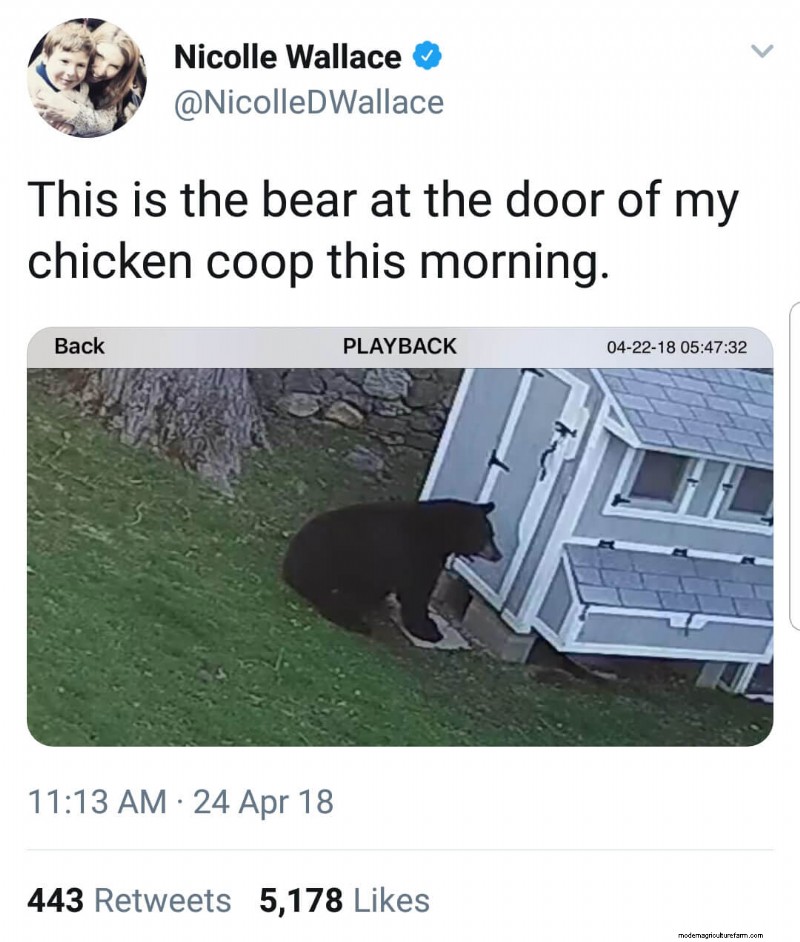
Strive to build your chicken coop as solidly as you would build your own house, and install an electric fence or electric wire around your coop and run.
Remove any source of temptation (like trash cans, pet bowls, and other food stores) from your yard, or stash them in bear-resistant containers away from your coop.
Barrel bolts aren’t enough to keep deft little raccoon hands from gaining access into your coop. I have heard stories of their nimble fingers undoing multiple barrel bolts and other simple one-step locks! (Hey, they have all night to work on them…)
Personally, I only use them on interior doors to the nesting boxes and storage area.
On the exterior, I have gate latches and slide bolts on all of my doors and further secure them with carabiners (especially on the upper locks, which are more out of reach of critters).
Spring links and quick links also work, but always make sure your quick links are properly tightened.
Even if you already have a barrel bolt on your door and haven’t run into any problems yet, I still recommend adding a second lock to the door. It only takes a few minutes and will turn your coop into Fort Knox.
If you need to thwart human predators (sadly, it happens—I will never understand what kind of person tries to steal chickens) or just want more peace of mind when you’re gone all day, padlocks are a better option.
Weather-resistant padlocks will offer the best performance in the long run, but any lock left around dusty chickens and out in the elements will start to get sticky (which means you will more likely be lazy about locking them each day).
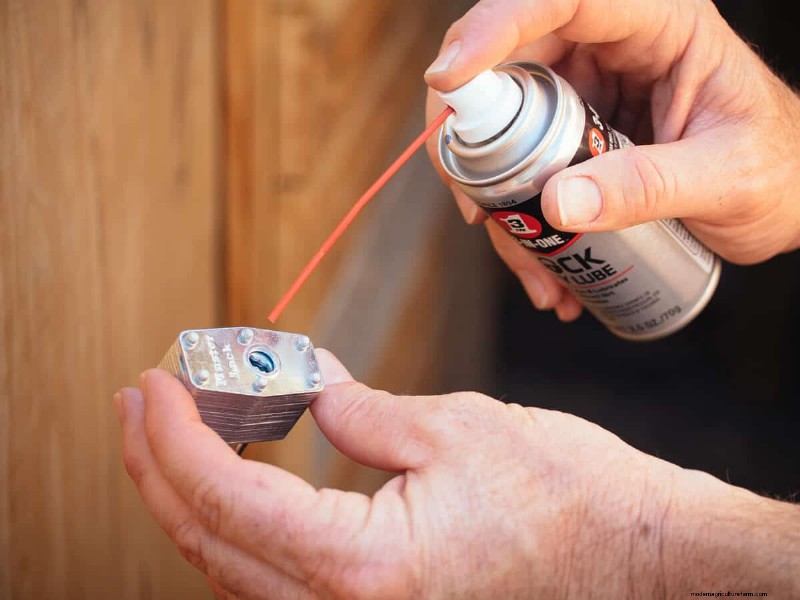
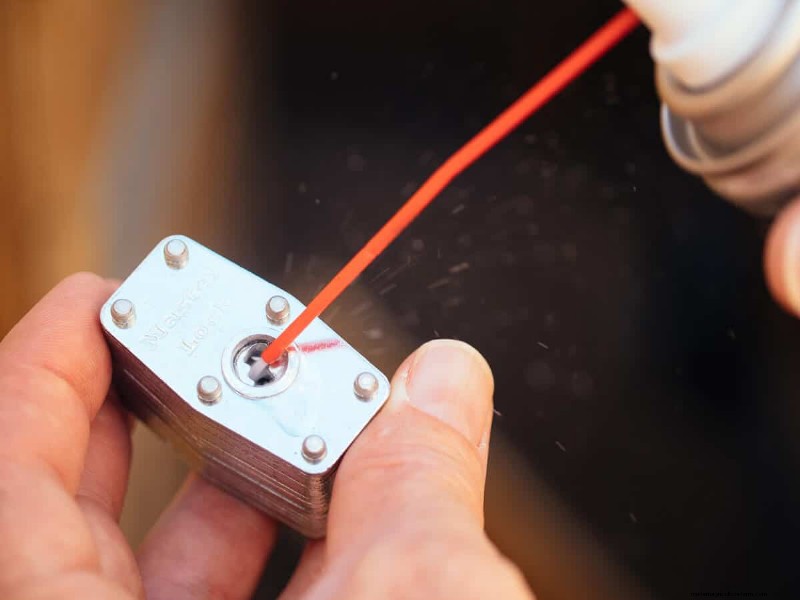
Rather than replacing all of my locks when this happens, I like to use 3-IN-ONE® Lock Dry Lube to unstick them.
A single can lasts a very long time, and can be used for other locks around the house, including door locks, bike locks, car door locks, and even the padlocks I put on my cooler when I camp in bear country. (I know, that last one sounds crazy, right?)
3-IN-ONE® Lock Dry Lube goes on as a liquid but dries to the touch in just a few minutes, so there’s no messy drips to deal with. It lubricates and loosens stuck locks and leaves a clear film that protects against corrosion.
And most importantly in outside applications, the formula doesn’t attract dirt (which can make locks gummy over time).
If predators know there’s a potential meal to be had, they’re apt to linger until the last light.
Round up your hens well before sundown and make sure they’re safely confined to their coop while there’s still some light left. (My own hens start roosting about half an hour before sunset.)
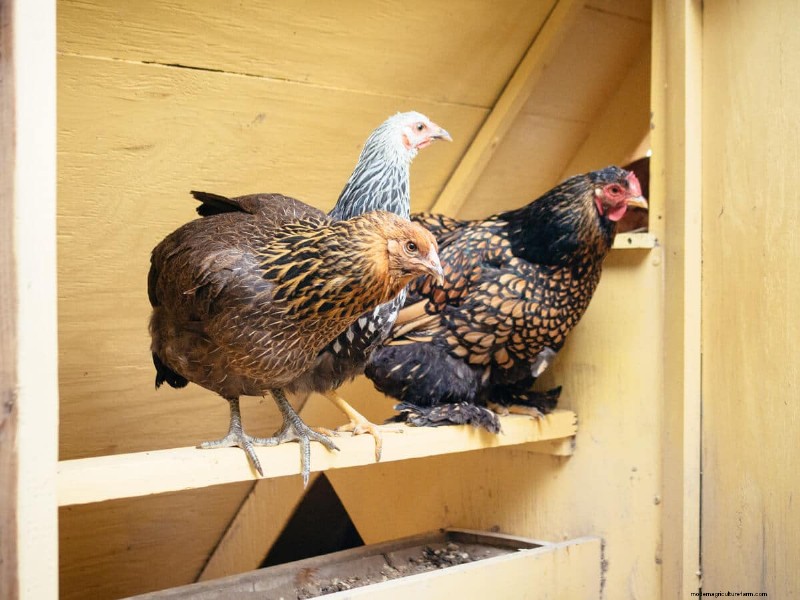
Similarly, let your flock out well after sunrise so they don’t run into predators that still lurk at dawn.
Make sure all of your hens are accounted for when you lock them up for the night.
Visually sweep the coop and run (with a flashlight, if necessary) to ensure no stragglers wandered in during the day (like feral cats or opossums, which has happened to me before!).
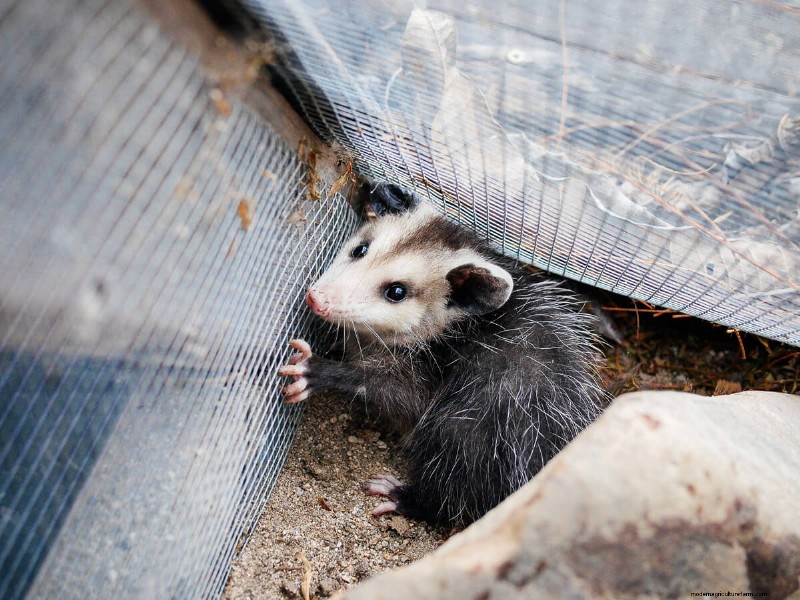
It’s also not uncommon for people to accidentally lock up a neighbor’s cat with their chickens, not realizing the cat was still inside.
As a chicken-keeper, you should familiarize yourself with your flock’s normal behavior and sounds.
Learn to differentiate between their happy clucks, everyday squawks, and enthusiastic “egg song,” as I like to call it, from their frantic distress calls that warn of danger and predators.
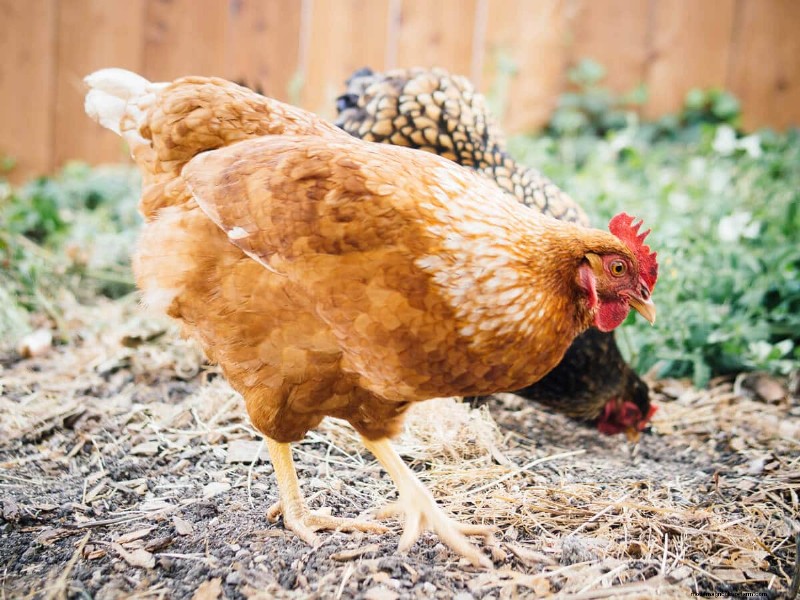
While you can never fully protect your flock when they’re free-ranging, try to supervise them if you can, keep a watch dog outside, or be close enough that you can hear them and chase off predators when needed.
Always check your coop and run for signs of damage, wear and tear, or attempted entry by predators. Reinforce or replace any component as needed to keep your structure secure.
Even the most well-built coop and run can be infiltrated if a predator has enough time to weaken access points over a long period.
Most importantly, don’t overlook the small stuff. While most of our efforts may be focused on defending against predators like raccoons and hawks, mice and rats (and their droppings) can also pose a serious problem to a flock.
Seal off any gaps or small holes as soon as you find them, and discourage rodents from taking up residence in the first place by collecting eggs daily, storing feed properly, and cleaning up spills or scraps at the end of the day.
For more tips, follow 3-IN-ONE® on Facebook and Instagram. Click here to find a local or online store where you can buy 3-IN-ONE® Lock Dry Lube. Thank you for supporting the brands that support Garden Betty.
[show_shopthepost_widget id=”3122365″]
YardGard 19-Gauge 1/2-Inch Mesh Hardware Cloth | YardGard 16-Gauge 1/2-Inch Galvanized Welded Wire | Stanley FatMax Straight Cut Aviation Snip | ABO Gear Netting for Bird Pens | Planted Perfect Plastic Wire Mesh Bird Netting | National Hardware Sliding Bolt Door and Gate Latch | Faswin Stainless Steel Spring Snap Hook Carabiner | National Hardware Automatic Gate Latch | Gimars Spring-Loaded Gate Aluminum Carabiner | 3-IN-ONE® Lock Dry Lube | Abus All Weather Solid Brass Padlock
This post updated from an article that originally appeared on May 7, 2018.
View the Web Story on how to keep predators out of a chicken coop.

Linda Ly
I'm a plant lover, passionate road-tripper, and cookbook author whose expert advice and bestselling books have been featured in The Wall Street Journal, Time Magazine, HGTV, and Food & Wine. The Route 66 Cookbook is my latest book. Garden Betty is where I write about modern homesteading, farm-to-table cooking, and outdoor adventuring—all that encompass a life well-lived outdoors. After all, the secret to a good life is... Read more »


