
Welcome to Modern Agriculture!

Today, we’re tackling the question on every small-scale homesteader’s mind: can you house rabbits and chickens together? We’ll dive into the benefits, potential challenges, and how to design a harmonious living space for these two very different species. I’ll also share some of my personal experiences (mistakes included!) and back everything up with some researches I found useful. By the end, you’ll know exactly how to set up your own combined rabbit and chicken housing!
When we first thought about housing rabbits and chickens together, it was less about convenience and more about necessity. We had limited space and needed to make every inch of our homestead work for us. It took some trial and error to get right. But when you do, yep, it’s rewarding!
It’s no secret that maximizing space is crucial for small homesteads. Especially fur such small ones like ours. Combining living areas for your chickens and rabbits means fewer enclosures, which means less material and cost (that’s what we all are looking for, right?). Plus, with less space dedicated to housing, you get more room for things like vegetable gardens or even an extra goat!
Another surprising benefit is that this combo can improve your homestead’s ecological balance. Chickens are fantastic at reducing pests by eating insects, and rabbit droppings make for excellent manure. The science is clear: Mixed-animal systems can enhance soil fertility and reduce pest pressure.
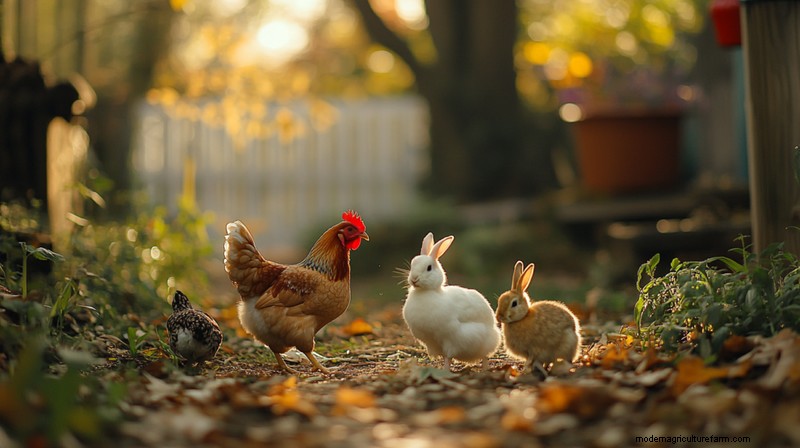
So, here’s where things can get tricky. Chickens have a notorious “pecking order” (pun intended), and rabbits?… Well, they don’t love being bullied 😎 Our rabbit Rosie once got chased by one of the hens, and let’s just say, it wasn’t pretty. Separate living areas within a shared space is key we found and tested.
Cross-species contamination is no joke. Chickens can carry diseases like coccidiosis, which can be fatal to rabbits. One simple rule we follow and you should. Maintain strict hygiene and regular health checks. Separate feeding areas are essential to prevent contamination, and it’s a good idea to keep water systems clean with an automatic watering system designed for both species.
We didn’t know what we were doing at first (spoiler: we had to redo our setup twice and we hated this process!), but here’s the layout that finally worked for us:
This layout ensures the chickens have their high spaces to perch on, and the rabbits have the cozy, enclosed areas they need. As an added bonus, the rabbits actually enjoy interacting with the chickens during free-range time, but they always have the option to retreat to their hideaway when they’ve had enough.
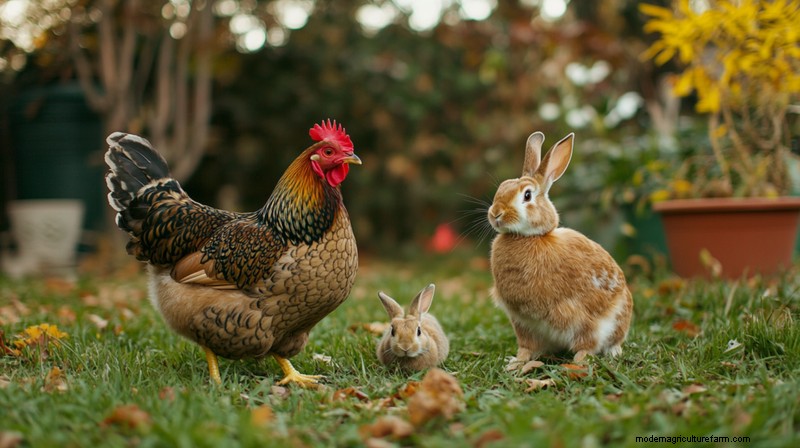
1. Creating Safe Spaces
It took us a couple of tries, but we learned that creating safe zones for both species was the most important step. Chickens can get a little pushy when establishing their pecking order, and rabbits need a place to retreat.
Tip: Invest in rabbit hideaway huts to give your rabbits a quiet place to relax. You can find some great options on Amazon that are perfect for this!
2. Monitoring Health
Rabbits are delicate when it comes to their diet and overall health. Keeping their food and water separate from the chickens helped avoid any potential issues. And yes, diatomaceous earth became a lifesaver for preventing parasites—highly recommend that for both species.
Here are a few more tips I wish I had known before we started housing our chickens and rabbits together:
Throughout our trial-and-error process, a few products made life a whole lot easier. Here are my top recommendations:
YES, they can—but with the right planning. Combining these two animals isn’t just about tossing them into the same space. You have to create a system where both can thrive while keeping their needs and behaviors in mind. If you’re willing to put in the time and effort, I promise it’ll be worth it.
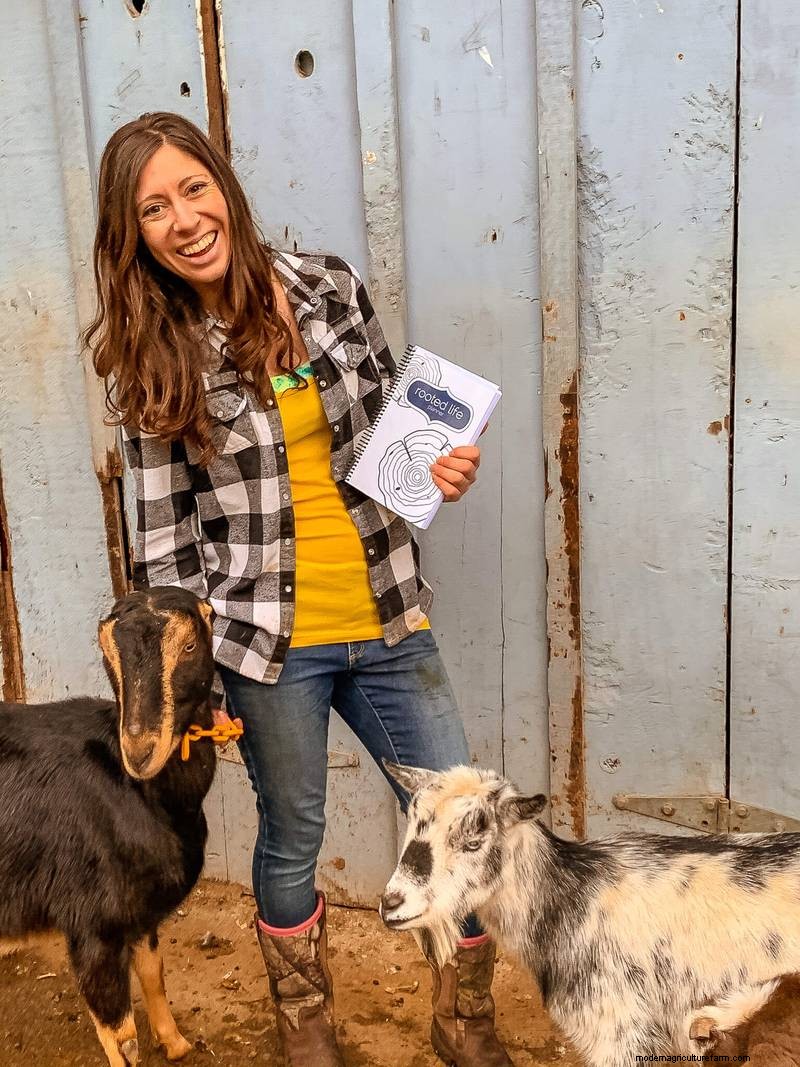
Kaylee is the Founder of Rootedrevival.com. She has set up and run two homesteads, a one-acre in Idaho, and her current two-acre dream homestead in the Pacific North West. Her qualifications include a Permaculture Design Certification from Oregon State University, and she is a Gardenary Certified Garden Coach. Kaylee currently produces at least 80% of her own food. She contributes to our site through articles, training and coaching to our clients. You can read more about her at rootedrevival.com/kaylee-vaughn
View all posts
Previous Post

Next Post


