
Welcome to Modern Agriculture!

Are you looking for a pint-sized chicken to mix it up in your backyard flock? Or maybe a tiny tin soldier to guard your girls (one with which you won’t have to run the rooster gauntlet)? Look no further; the Kikiriki may be the chicken of your dreams!
Despite the online twaddle, we believe that the Kikiriki is a distinct and wonderful chicken, similar to the Serama but not the same. This comprehensive guide will explore their origins, behavior, characteristics, reproductive nuances, and essential care tips. Let’s unravel the secrets of these petite wonders together.
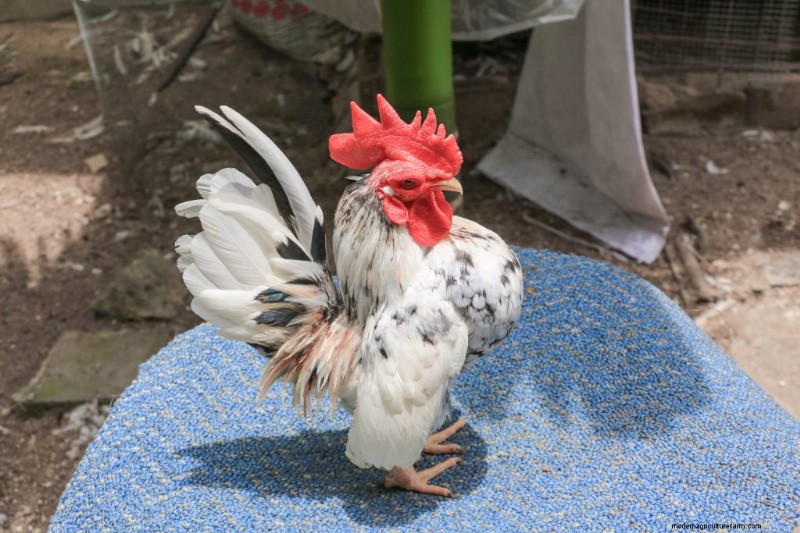 Kikirki (or Serama) chicken standing proudly
The Kikiriki chicken, native to Kelantan, the Malaysian State, emerged from a delicate dance between Japanese bantams and the Malay breed. We owe the modern breed to Wee Yean Een, who named it after Rama Serama, the esteemed title of the King of Thailand.
Despite initial setbacks, various organizations in the United States, including the Serama Council of North America, champion the breed, introducing it to poultry shows and gaining recognition from esteemed associations. Serama chickens, a close relative, hail from the same Malaysian roots, sharing a history intertwined with ornamental appeal and facing challenges akin to Kikiriki.
Beyond their picturesque feathers, both Kikiriki and Serama chickens are celebrated for their calm and friendly nature, rendering them ideal pets. Roosters, though small, excel in flock protection with a subdued presence compared to larger breeds.
Careful consideration of their social dynamics is crucial, and both thrive best when surrounded by their kind or bantams of similar temperaments. Understanding the interplay between Kikiriki and larger breeds in a mixed-size flock is vital for maintaining harmony.
Kikiriki roosters, while efficient at safeguarding their flock, may face challenges when cohabiting with larger roosters. The diminutive size of Kikiriki roosters might make them susceptible to bullying or dominance struggles within a mixed flock. Experts recommend introducing Kikiriki roosters to a flock of their kind or other bantam breeds known for their mild-mannered disposition to mitigate potential issues.
The temperament of Kikiriki hens, on the other hand, often leans towards docility and friendliness, making them adaptable to mixed-size flocks. While size discrepancies between hens in mixed flocks are less likely to lead to aggressive interactions, monitoring for signs of distress or bullying is essential. Ensuring that the flock environment is spacious enough, with ample hiding spots, can provide a sense of security for smaller hens, including those of the Kikiriki breed.
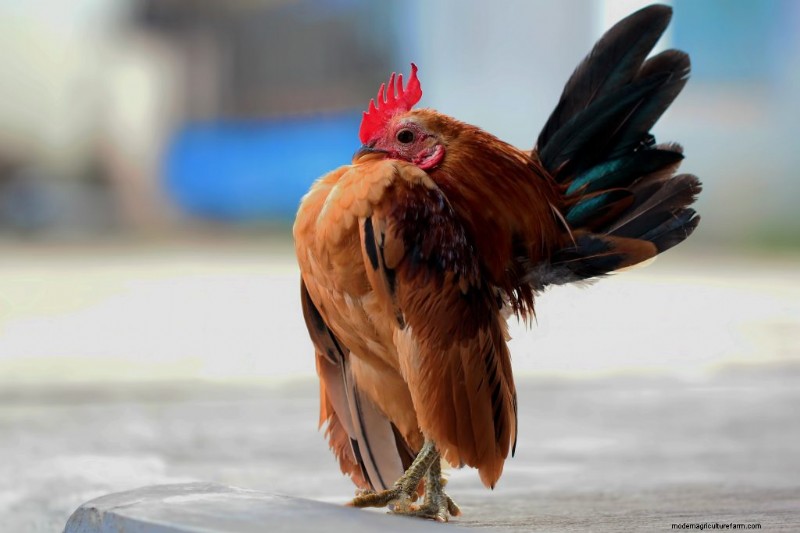 Malaysian Serama Chicken standing in focus
When integrating Kikiriki chickens, particularly roosters, into mixed-size flocks, consider the following:
Delve into the unique anatomy of Kikiriki and Serama chickens, and you’ll discover a captivating blend of elegance and compact charm. These petite wonders boast a short, muscular body with a pronounced high chest that adds to their regal appearance. Their large wings, though proportionally expansive, perfectly complement their compact frame. The upward-pointing tail is a signature feature, lending an air of grace to their overall silhouette. Completing the ensemble is a small head perched atop distinctively straight, long, and wide legs.
Witnessing a Kikiriki or Serama rooster in full strut is an enchanting spectacle. Their walk is a rhythmic dance, a deliberate and measured procession that showcases their vibrant plumage. The roosters, in particular, take pride in their strut, parading with a unique flair that captures attention. Their walk is a confident and deliberate step, almost reminiscent of a miniature parade. They may extend their large wings slightly as they strut, adding a dramatic visual element to their performance. The upward-pointing tail feathers, a defining feature, trail behind in a majestic display of ornamental grandeur.
However, this display, while mesmerizing, requires special care. Special Feather Considerations: Nurturing the Elegance The elongated and ornate feathers of strutting roosters, especially for Kikiriki and Serama chickens, demand special care. Trailing behind them as they strut, these feathers are prone to dust, debris, and potential damage. To ensure the health and beauty of these ornamental feathers:
The American Poultry Association recognizes the American Serama, a white variety, in the Single Comb, Clean-Legged (SCCL) class. Kikiriki chickens, though not primarily selected for color, exhibit a delightful array of hues.
While proper breeding for color isn’t guaranteed, some color varieties include White, Black, Blue, Brunette, Chocolate, and Black colored with white. By appreciating the rich spectrum of colors in Kikiriki plumage, enthusiasts can further enhance these ornamental wonders’ visual allure, creating a diverse flock.
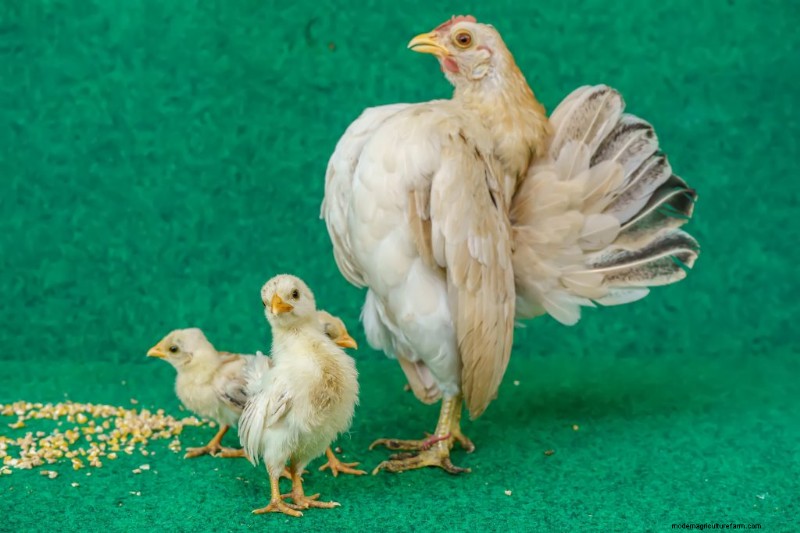 A Serama hen and the yellow chicks on a artificial grass background.
A Journey Through Life’s Beginning Embark on a fascinating journey through the intricate world of reproduction shared by both Kikiriki and Serama chickens. From the delicate egg-laying habits of hens to the tender nurturing of chicks, these petite breeds unfold a captivating saga of life’s beginnings.
Hens of both Kikiriki and Serama breed grace their caretakers with a steady supply of small, precious eggs. Understanding the incubation process adds depth to the marvel of new life. Typically, the incubation period for full-sized chicken eggs spans 21 days, a time of anticipation and development. In contrast, bantam eggs, including those of Kikiriki and Serama chickens, have a slightly shorter incubation period, ranging from 19 to 20 days. Now, why the subtle difference?
Due to their smaller size, bantam eggs tend to develop slightly faster than their full-sized counterparts. This accelerated development is a charming quirk of nature. However, it introduces a nuanced consideration for those engaged in incubation.
While both bantam and full-sized chicken eggs can thrive during incubation, combining them in the same setting may pose challenges. Bantam eggs, hatching a day or two earlier, might be ready to face the world while their full-sized companions are still developing. To ensure the optimal conditions for each egg:
Once hatched, bantam chicks are notably smaller than their full-sized counterparts. A safe and adequately sized brooder ensures each chick receives the necessary care and space. By recognizing the subtle nuances in incubation periods, breeders can precisely navigate the delicate process, welcoming new life into the world and fostering the continuation of these petite yet resilient breeds.
In the ever-evolving landscape of modern farming, the Kikiriki chicken brings a unique charm and a touch of ornamental elegance to the agricultural tableau. Here, we explore the multifaceted role of Kikiriki chickens in both commercial agriculture and hobby farming, uncovering the economic and ecological benefits that make these petite birds a valuable addition to diverse farming practices.
The Kikiriki chicken, renowned for its ornamental allure, has found a niche in commercial agriculture beyond its visual appeal. While not typically raised for substantial egg or meat production, its diminutive size and gentle demeanor make it an ideal candidate for niche markets, such as pet and specialty poultry shows. The charming presence of Kikiriki chickens can draw attention and add aesthetic value to commercial farms, creating a distinctive and memorable farming experience.
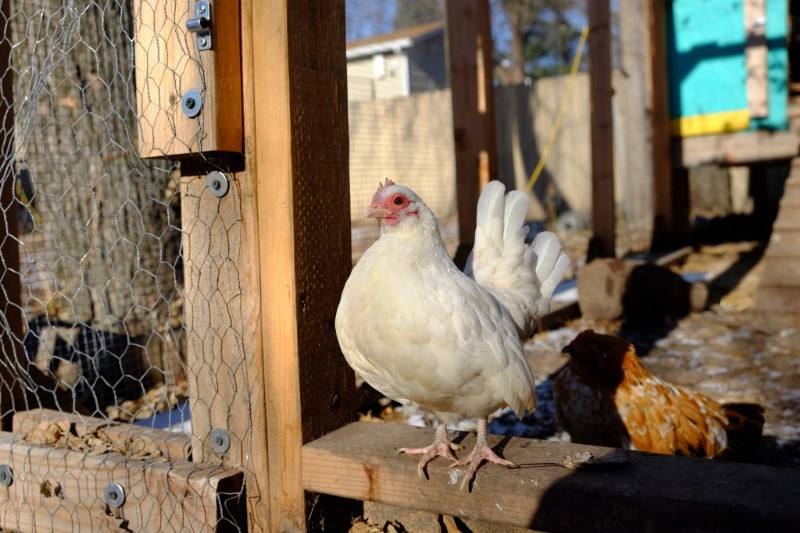 Backyard Serama Hen standing in coop doorway
In the realm of hobby farming, Kikiriki chickens shine as delightful companions, thriving in smaller spaces and enchanting their caretakers with their unique characteristics. Hobby farmers find joy in the personalized nature of raising these small, friendly birds, fostering a connection beyond mere agricultural pursuits. Kikiriki chickens become not just livestock but cherished members of the farmstead, contributing to the diversity and vibrancy of the hobby farming experience.
Beyond their aesthetic contributions, Kikiriki chickens offer economic and ecological benefits in farming practices. These include low space requirements. Suited for smaller spaces, Kikiriki chickens allow farmers to maximize land use efficiently, making them a viable option for those with limited acreage.
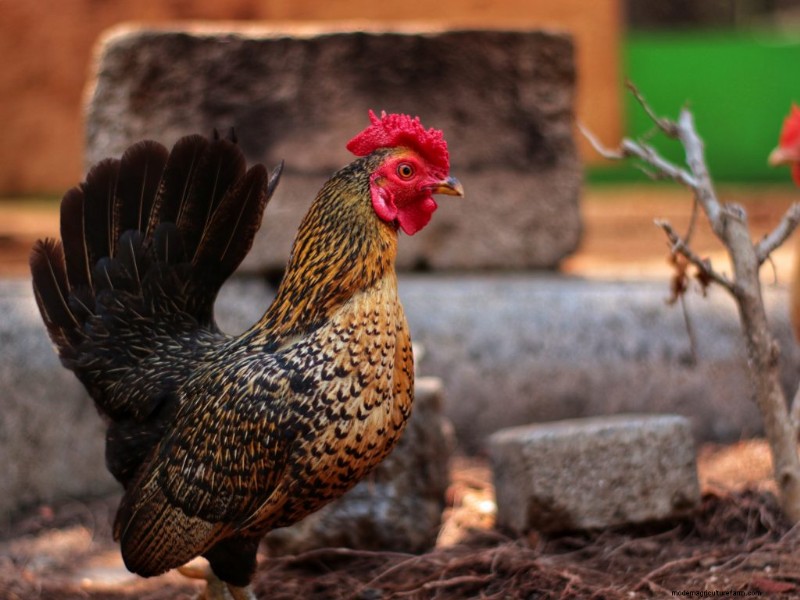 Portrait of Serama chickens in the garden
As stewards of these miniature marvels, enthusiasts can contribute to the preservation and prosperity of Kikiriki chickens:
In embracing the challenges and actively participating in conservation endeavors, enthusiasts play a pivotal role in safeguarding the delicate legacy of Kikiriki chickens, ensuring their enchanting presence for generations.
As we conclude our exploration of Kikiriki and Serama chickens, it becomes evident that these pocket-sized wonders are more than mere pets—they are guardians of tradition, carriers of unique genetic legacies, and symbols of resilience.
Whether captivated by their ornamental beauty or charmed by their friendly disposition, the allure of these breeds extends far beyond their petite frames. Embrace the joy of raising these extraordinary creatures and contribute to the legacy of some of the world’s most miniature chicken breeds.
In the realm of poultry, the Kikiriki and Serama chickens stand as a testament to the beauty and diversity of the avian world. Share your experiences, insights, and questions in the comments below, fostering a community dedicated to celebrating and preserving the magic of these extraordinary chickens. Let’s continue to unravel the mysteries and joys of raising these enchanting birds together.
Let’s settle the debate: are the Kikiriki and the Serama essentially the same chicken, or is there a special je ne sais quoi (I don’t know what, but in French because it sounds better) when it comes to the Kikiriki?
Here are three references where you can learn more about the Kikiriki chicken:


