
Welcome to Modern Agriculture!

You are here: Home / Gardening / How To Build A Worm Composter
Worm boxes are excellent additions to the garden. Vermiculture (the process of using worms to decompose organic food waste) is a method of composting that’s been used for centuries. This is a guide on how to build a worm composter.
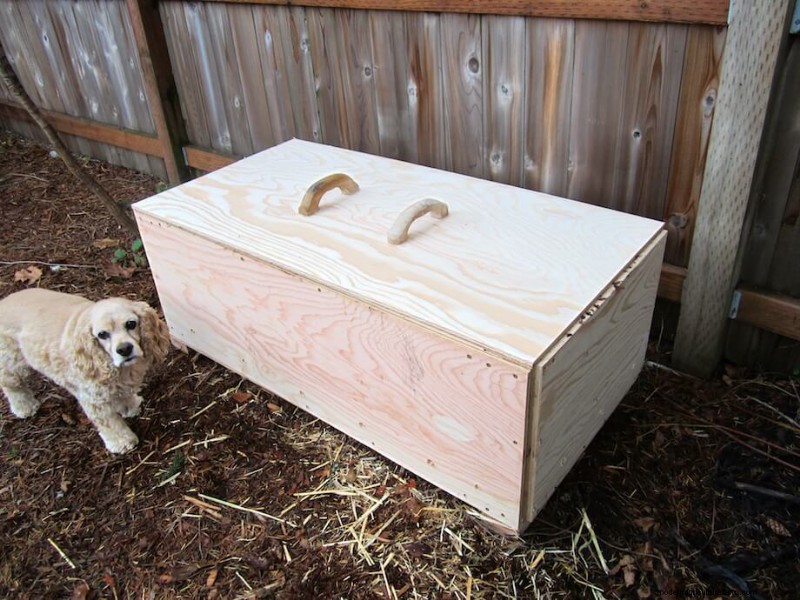
This is the final product. I didn’t want to paint my worm composter, so I took extra precautions to prevent warping. I also used Marine Grad Plywood, a higher grade of plywood made with water-resistant glue. If you plan to paint your worm composter, a less heavy-duty design could suffice.
 Christopher Sean Williams / Insteading
If you don’t want to go the plywood route, you could use cedar boards to line the frame. Cedar boards won’t warp and they will last years in the elements due to the oils in the wood fibers.
 CHRISTOPHER SEAN WILLIAMS / INSTEADING
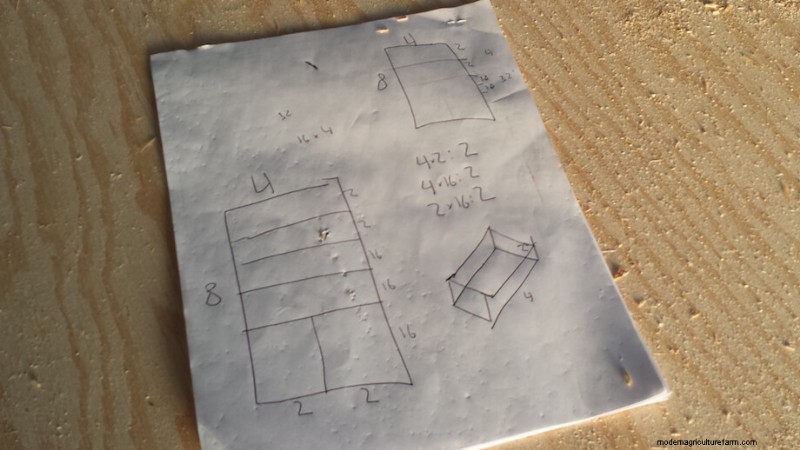
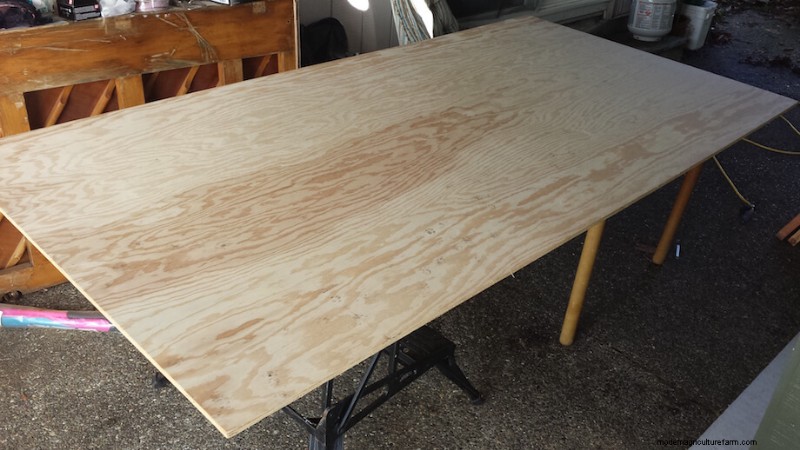
First up, you want to start with some plans. These simple plans are effective in that they use an entire 4’x8’ piece of plywood to create a 4’x2’x16’’ worm box. Let’s get started with cutting.
 CHRISTOPHER SEAN WILLIAMS / INSTEADING
 CHRISTOPHER SEAN WILLIAMS / INSTEADING
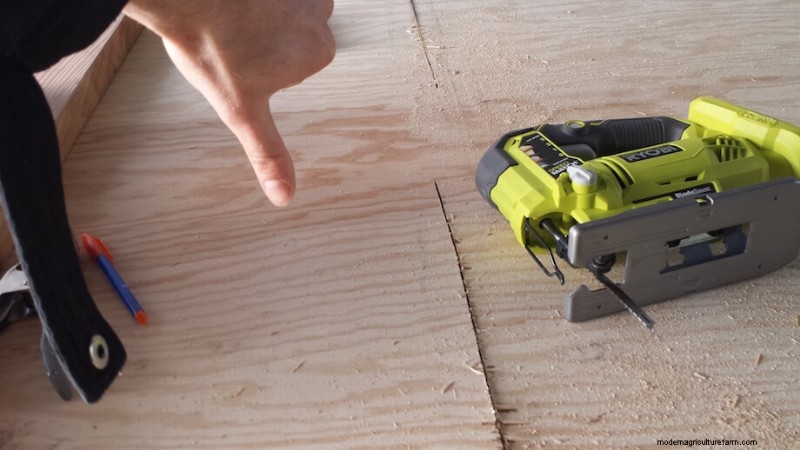
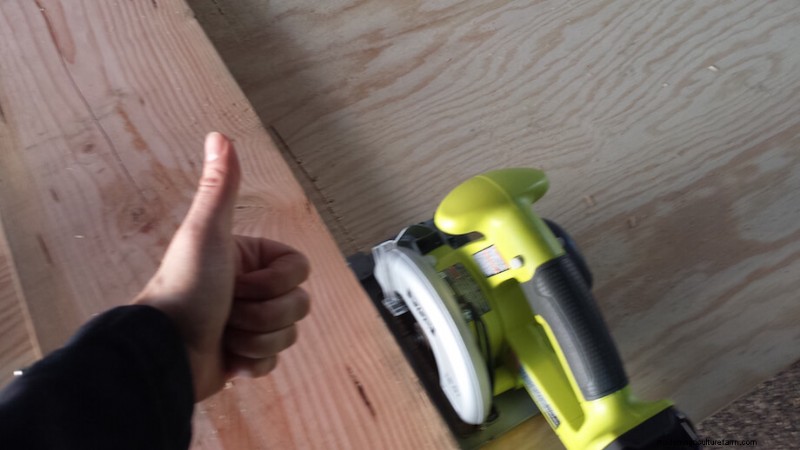
Cutting tips: you don’t want to use a jigsaw. It’s too long of a cut and the blade will bend, leaving you with a lopsided cut that won’t end in a square box.
 CHRISTOPHER SEAN WILLIAMS / INSTEADING
A circular saw or table saw is much better at getting long straight cuts accurately.
 CHRISTOPHER SEAN WILLIAMS / INSTEADING
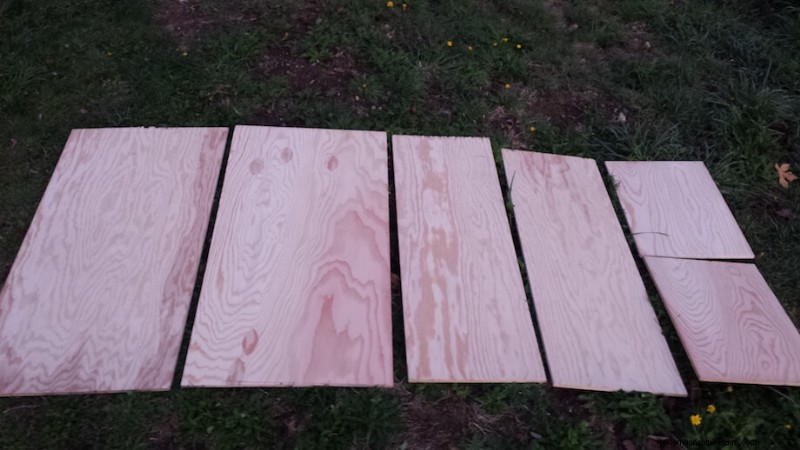
You want to end up with cuts of wood that look like this. If you mess up and make out-of-square cuts, you can either roll with having a not perfectly square box, or you can shave down the edges until they are square again. This results in a slightly smaller box.
 CHRISTOPHER SEAN WILLIAMS / INSTEADING
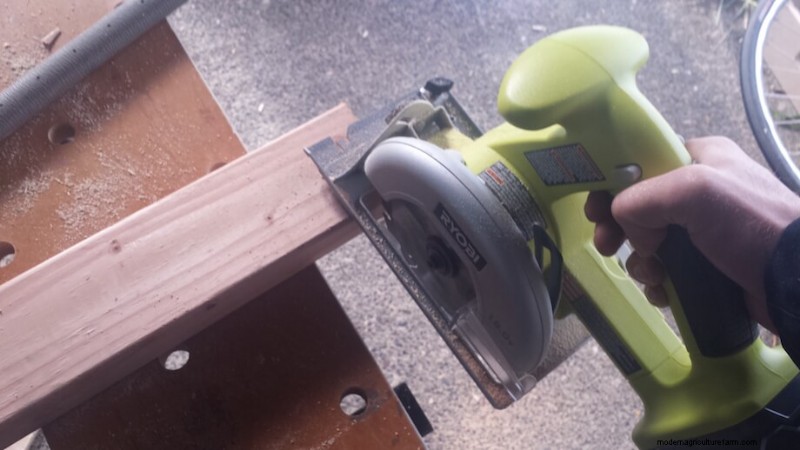
Now that you have your plywood cuts, you want to use a circular saw or table saw to cut your framing material.
 CHRISTOPHER SEAN WILLIAMS / INSTEADING
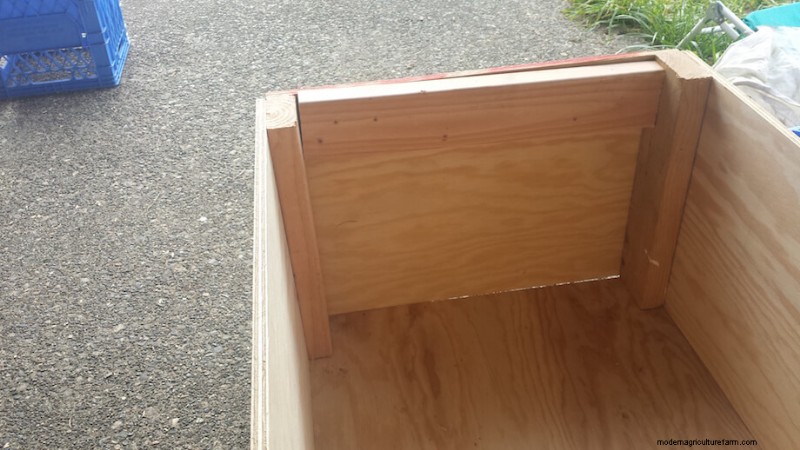
The framing is meant to add strength and structure to the box, holding the plywood cuts together in their final form. Drill into the plywood, into the framing. 1 screw on each corner should do that job, but 2 never hurt if you have the screws.
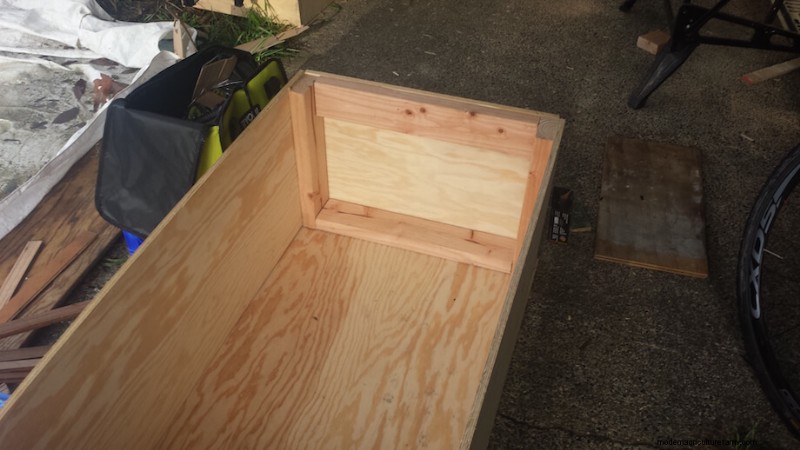 CHRISTOPHER SEAN WILLIAMS / INSTEADING
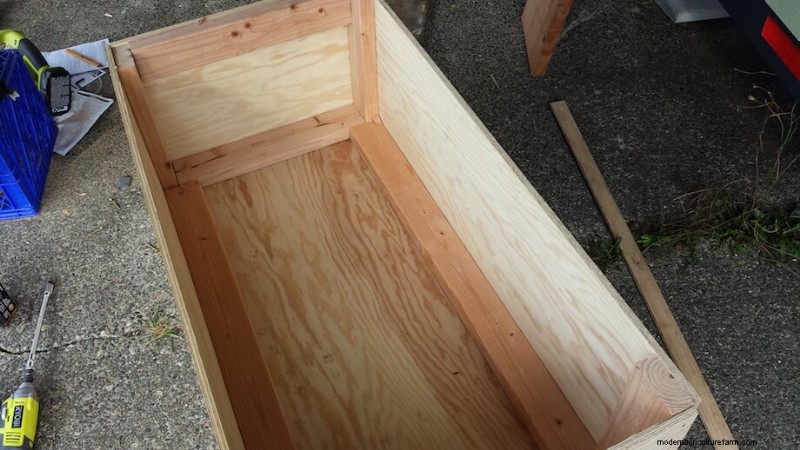 CHRISTOPHER SEAN WILLIAMS / INSTEADING
You will want an additional strip going across the length of the top as well. This will prevent bowing and warping as the worm box settles into its final position. It also helps as it gives the lid something more to rest on. It’s all about reducing the box’s ability to bend out of shape.
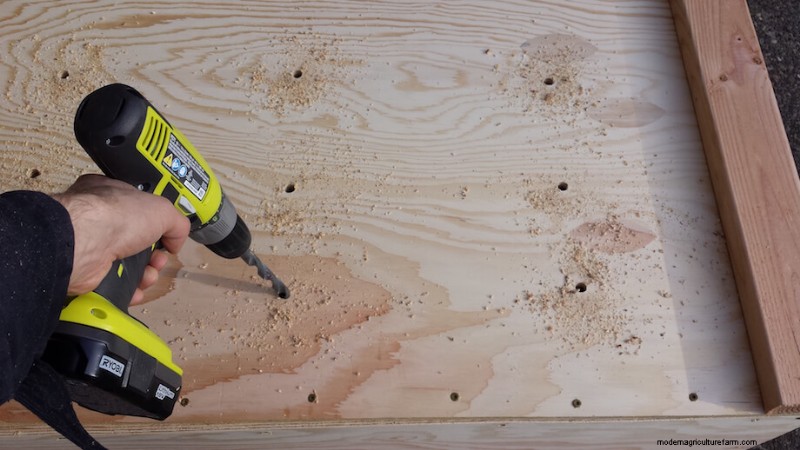 CHRISTOPHER SEAN WILLIAMS / INSTEADING
Use your 1/4 inch driving spade to cut drainage holes on the bottom and sides.
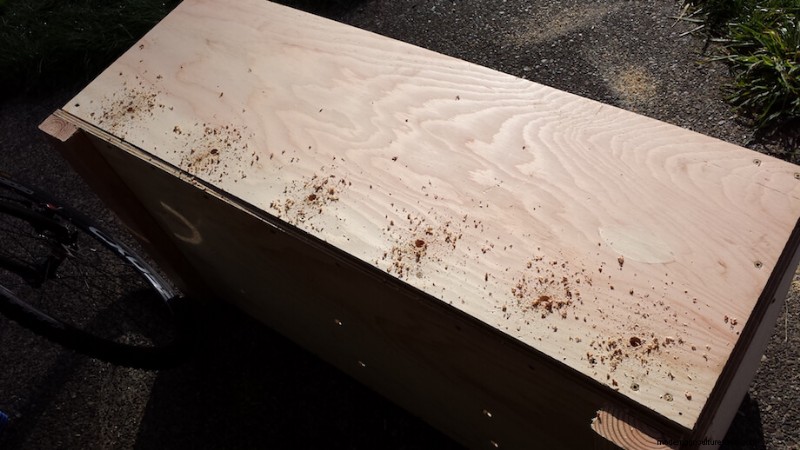 CHRISTOPHER SEAN WILLIAMS / INSTEADING
As you can see, the bottom has some 2×4 legs to keep it from touching the ground; this improves drainage and airflow, which helps reduce rot.
 CHRISTOPHER SEAN WILLIAMS / INSTEADING
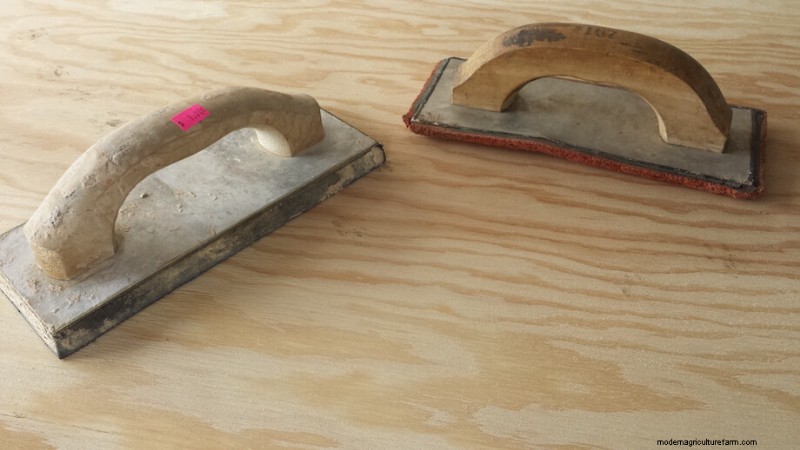
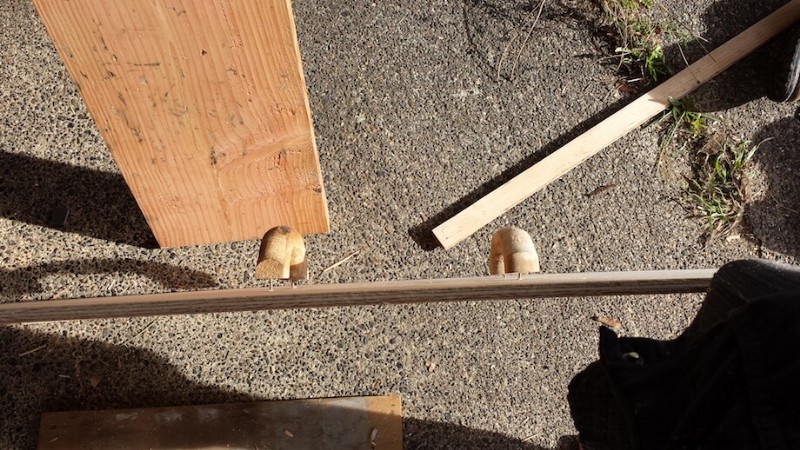
You will want some handles for the lid of your box. Anything will do here and you can get creative. For this box, I took some handles off of a couple of sanding blocks.
 CHRISTOPHER SEAN WILLIAMS / INSTEADING
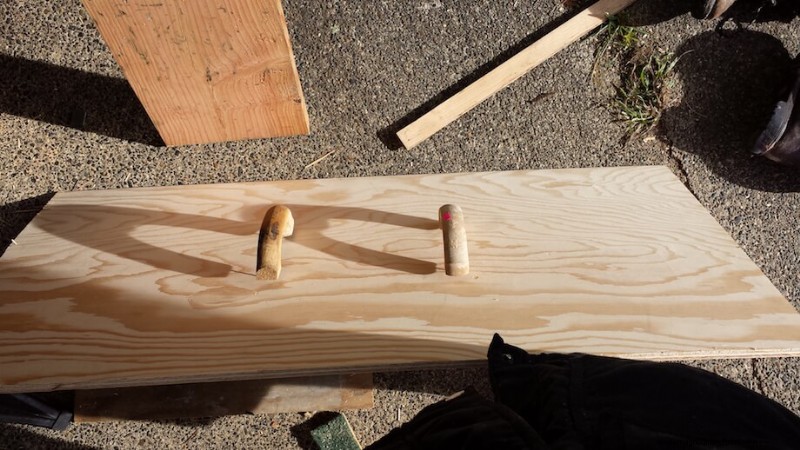
If you want to hide the screws from sight, screw them in from beneath. Just make sure you get the alignment right!
 CHRISTOPHER SEAN WILLIAMS / INSTEADING
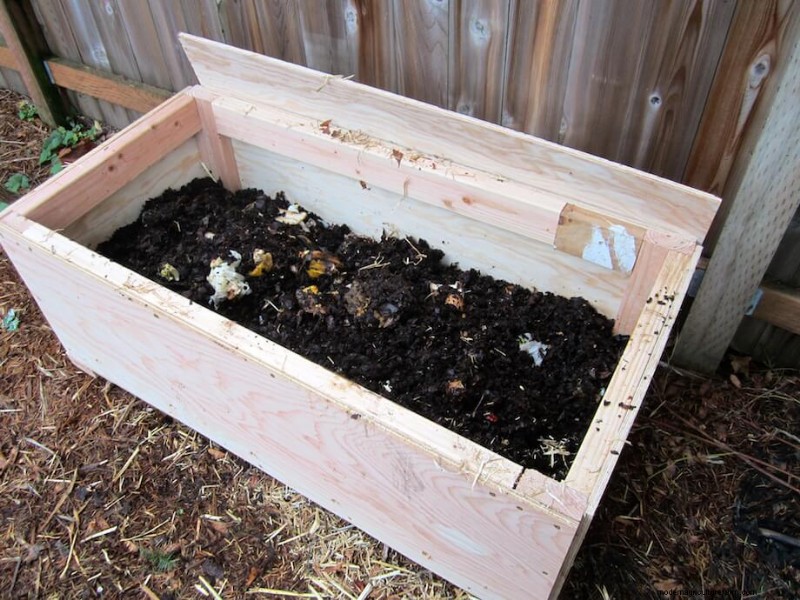
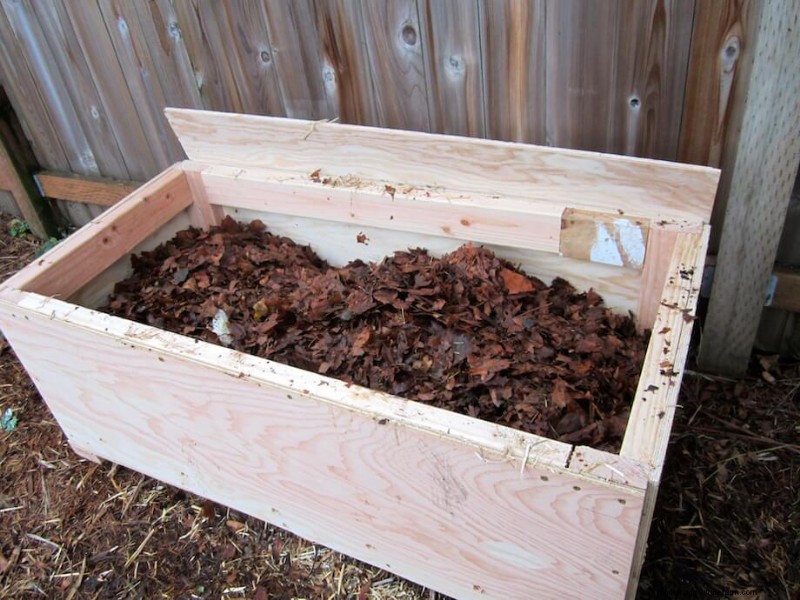
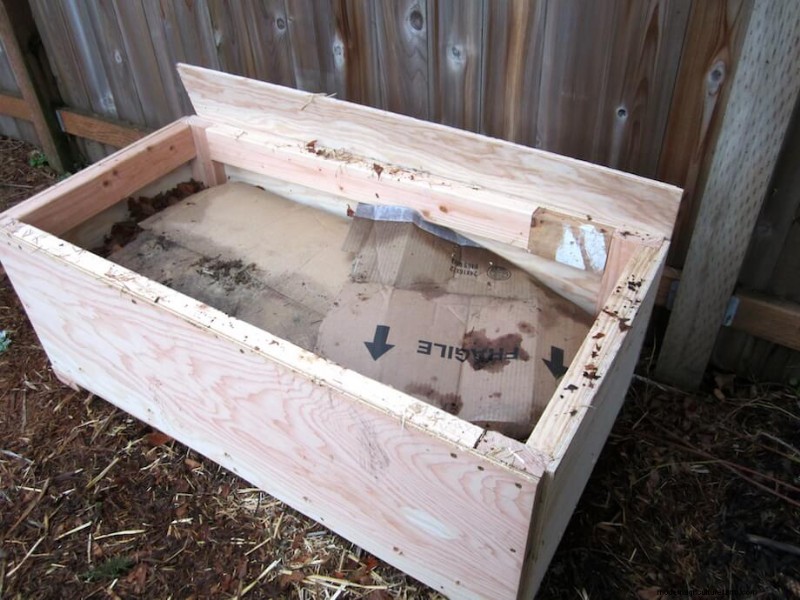
By now you should have a fully functional worm box of your very own. All that is left is filling it up.
 CHRISTOPHER SEAN WILLIAMS / INSTEADING
 CHRISTOPHER SEAN WILLIAMS / INSTEADING
 CHRISTOPHER SEAN WILLIAMS / INSTEADING
CHRISTOPHER SEAN WILLIAMS / INSTEADING
CHRISTOPHER SEAN WILLIAMS / INSTEADING
You can make a worm composter box out of any material. I used wood because it’s what I know best. If you know how to weld, sheet metal might be a good option. If you have worked with plexiglass, you can use that to form the walls. Because of all the natural fermentation and other activity going on, your worm bin isn’t going to last generations anyway, so get going with the materials you can find and like to work with.
Christopher lives in Olympia and is building his first tiny house with his partner. When he’s not researching the next stage in his project, he’s apprenticing under a wooden boat builder, playing his banjo, backpacking the Olympic Peninsula, writing short stories, cycling, all while wishing he had a greener thumb and inching his way slowly!


