
Welcome to Modern Agriculture!

You are here: Home / Gardening / Plants That Will Help Save The Bees
It’s no secret that our environment has been suffering over the years. The state of the bee population is one of the issues that worries me the most.
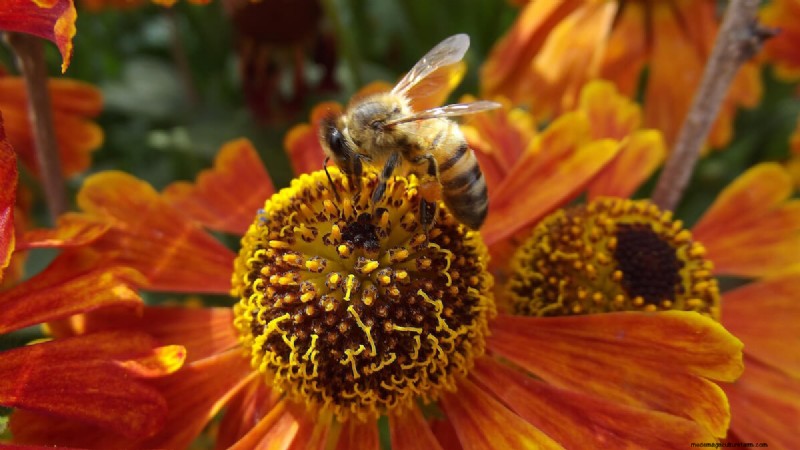
Honey bees, along with other bees, butterflies and pollinators are responsible for the health and growth of a large percentage of our flowering plants. Pollinators like honey bees transfer pollen from the male part of the flower to the female part of the flower, making it possible for them to grow and prosper.
 Heather Smithers / Flickr (Creative Commons)
Some plants are capable of pollinating themselves, and there are other ways that pollination occurs naturally, but bees are significant contributors to pollination.
In short, many flowering plants, including the ones that produce food for people and help feed livestock, would greatly suffer at the loss of bees. The British Beekeepers Association reports that one-third of our food is dependent on pollination, and bees contribute a large portion to our economy.
A portion of the problem is that bees are affected by the lack of plants in some areas. Without pollen and nectar bees cannot survive. In addition, several pesticides that were designed to kill other pests have also impacted the bees negatively, even killing a large amount of them.
 Andy Valente / Flickr (Creative Commons)
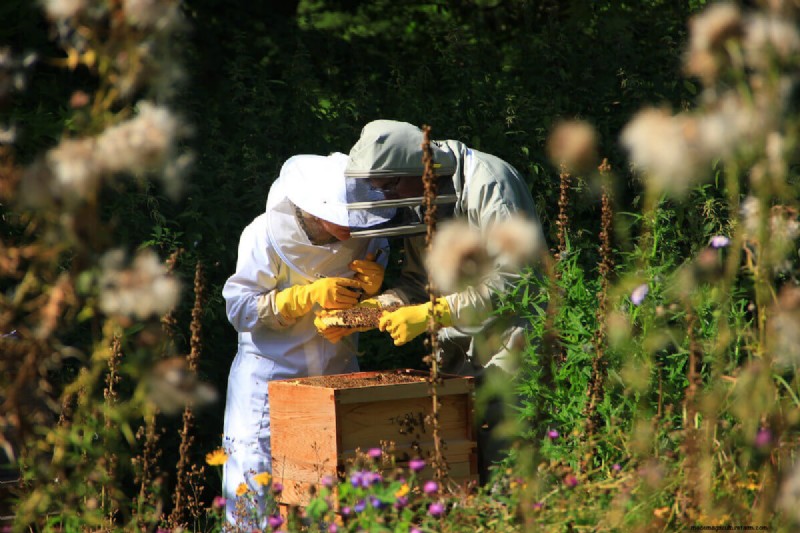
Farmers who have struggled to grow certain crops over the years have taken to renting bees to promote pollination on their land. Farming bees is a great way to contribute to the health of bees, but that can also be a daunting project.
Protecting the bees is an easy way to do your part to help the planet. Here are several easy tips to help save the bees. One of the easiest ways to help save the bees is to grow specific bee-friendly plants.
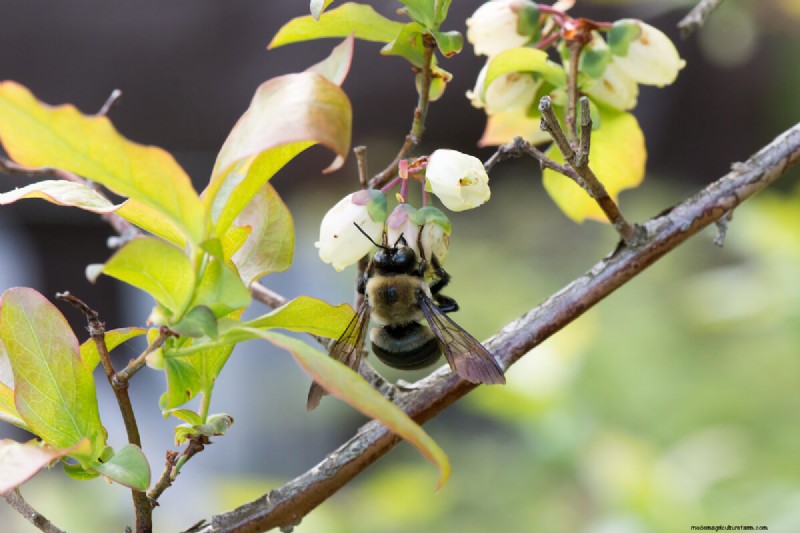
Most fruits and vegetables that blossom before producing fruit or vegetables are dependent on pollinators. Therefore, mixing in a number of these plants will help your bee garden or pollinator garden flourish, while you enjoy the fruits and vegetables produced.
 Matthew Bellemare / Flickr (Creative Commons)
Here are some commonly grown fruits and vegetables that need pollinators:
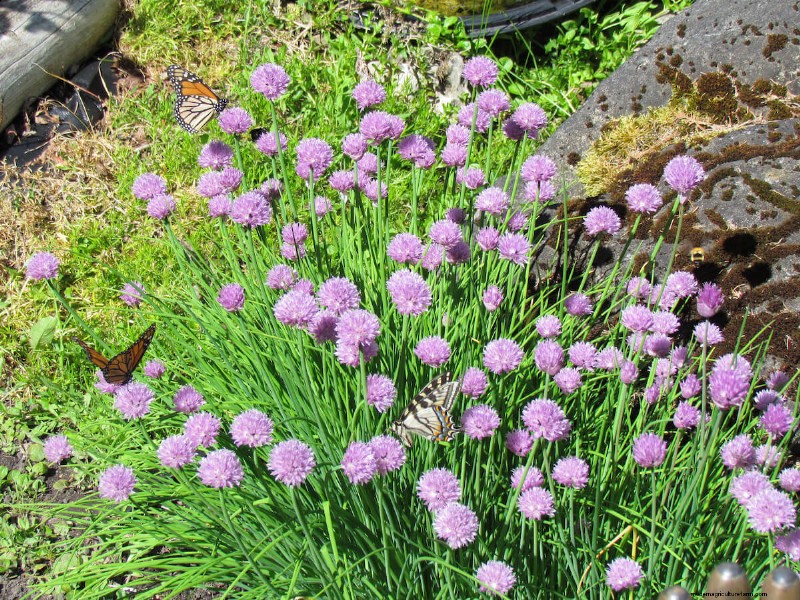
Farmers and growers alike cannot go wrong with flowering herbs. Not only do these attract bees and help them pollinate, but they can also be eaten by people and help growers cut down on buying expensive herbs.
 Kate Ter Haar / Flickr (Creative Commons)
All of these flowering herbs will attract the bees in no time.
Most pollinator gardens are full of fragrant herbs and flowers, but you’ll want to be sure that you include these as well.
 saiberiac / Flickr (Creative Commons)
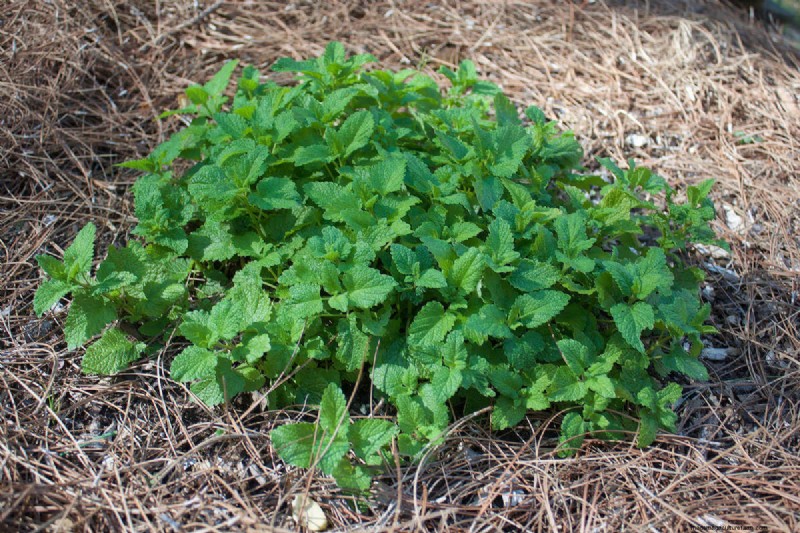
The scent of lemon balm alone is enough to want you to fill your garden with it. Bee balm creates a heavenly aroma, and the flowers will keep the pollinators coming.
Heirloom plants are a great choice when deciding to plant a bee garden.
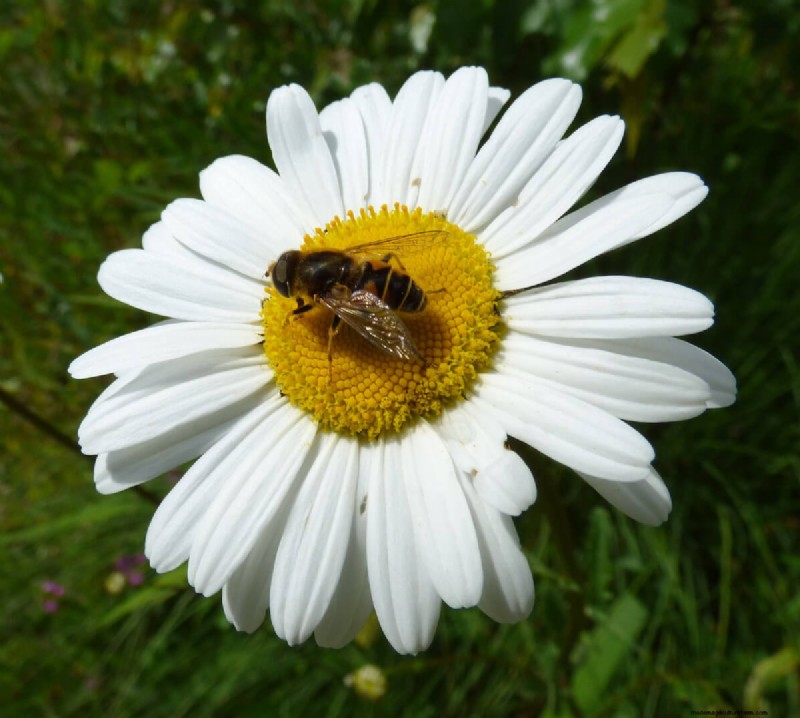
Genetically modified plants can have big, bright blooms, but that doesn’t mean they are ideal for honey bees. Choose heirloom plants when planting season comes around.
 Mark Coleman / Flickr (Creative Commons)
A variety of shapes, sizes, and colors will also appeal to bees and bring them to your garden.
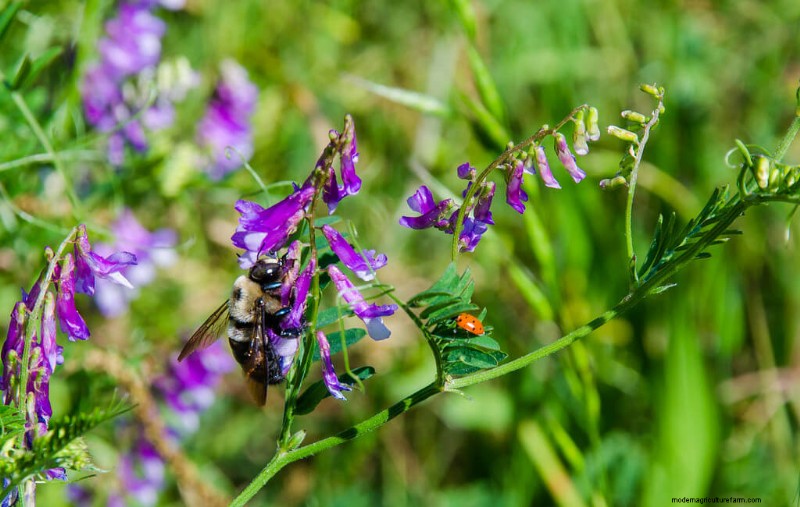
Planters and farmers may be tempted to go for the most stunning blossoms or impressive plants, but it is also important to plant flowers, fruits, vegetables, and herbs that are native to the area.
 keepyourhead_up / Flickr (Creative Commons)
One of the problems is that with growing cities and decreasing wildlife, the native plants are being forgotten. To learn more about native wildflowers in your area, check out this handy map.
Although you may not remember seeing bees around in the spring or fall, they are still looking for pollen and nectar at these times. Don’t forget to be seasonal when you plant. If you choose plants that bloom throughout the year, you will be continuously helping the bees.
The best way to help the bees and other pollinators is to provide opportunities for them to pollinate and gather nectar. Even the smallest contribution will help!
Freelance writer Marlene Ridgway, grew up in rural West Virginia cooking, keeping chickens, stacking firewood, picking blueberries, and gardening.
Freelance writer Marlene Ridgway grew up in rural West Virginia, cooking, keeping chickens, stacking firewood, picking blueberries, and gardening.


