
Welcome to Modern Agriculture!

It may seem odd to think about cold weather when the sun is still blazing, but winter is just around the corner. For a homestead to remain sustainable and profitable, you must keep producing through the fall and winter months. Mastering fall and winter gardening—and basic animal husbandry—is essential for year‑round resilience.
Garden Season Extenders & Winter Gardening Tips
What you grow in winter depends on your local climate, but the principles are the same as summer gardening. With four straightforward season‑extending techniques, cold‑weather gardening becomes simpler and requires less effort.
The first step is choosing the right vegetables. While you can plant summer squash in the fall, it will not yield a harvest. The most reliable options include arugula, broccoli, Brussels sprouts, cabbage, carrots, miner’s lettuce, fava beans, kale, leeks, shallots, garlic, lettuce, mustard greens, and spinach.
Vegetables such as broccoli, cabbage, kale, mustard greens, fava beans, and spinach thrive with minimal protection. Mulching them with compost and straw is sufficient—no cover is needed.
The second essential tip is timing. Plant cold‑hardy varieties between mid‑summer and early fall so they become well established before temperatures drop. Order your fall seed inventory now, remove any plants that have stopped producing, and prepare beds for upcoming plantings.
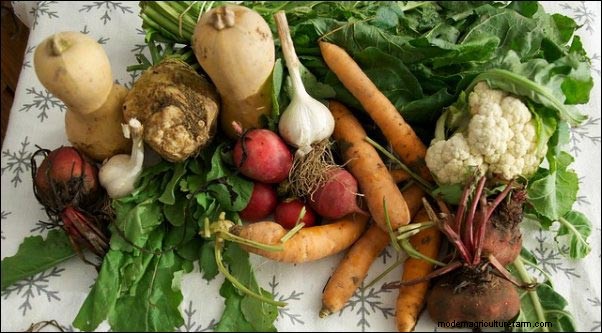
The third technique is overwintering select crops. Leaving hardy plants in the ground allows you to harvest small amounts during the coldest months, and they’ll rebound in spring, often out‑producing spring plantings. Broccoli, cabbage, fava beans, kale, mustard greens, and spinach can overwinter unprotected. Others—arugula, Brussels sprouts, leeks, lettuce, scallions, carrots, and Asian greens—require some shelter.
The fourth tip is to use a low tunnel. A low tunnel is an inexpensive alternative to a greenhouse that can be bought or built yourself. If a full greenhouse feels out of reach, start with a low tunnel.

To build a low tunnel or hoop house, gather a hole digger, 10′ lengths of ½″ PVC pipe, and 10′ width of row cover or greenhouse plastic.
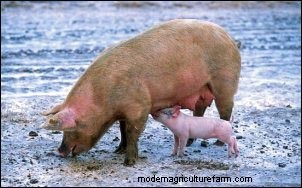
Cold weather also demands attention to the health and comfort of farm animals. Regardless of species, focus on lighting, heating, airflow, water, and nutrition.
Chickens typically molt in the fall; after molting, shorter daylight slows egg production. To maintain output, place a 40‑watt bulb with a reflector 7 ft above the coop floor—this supplies adequate light for a 200 sq‑ft space. Keep the light on no more than 10 hrs per day to avoid overstimulation.
Shield birds from drafts while ensuring adequate ventilation. Over‑wrapping can trap humidity and ammonia, both of which can harm feathers and lungs.
Give chickens outdoor space for foraging, but check that the coop’s floor and roof are waterproof.
Supplement their diet with kitchen scraps, vitamin‑rich feed, and a small amount of molasses in their water to prevent freezing. Break up ice as needed.
Collect eggs at least twice a day, as they freeze quickly. In extreme cold, protect exposed parts—such as wattles and combs—by applying a thin layer of Vaseline.
Rabbits should be shielded from cold winds, rain, and snow. Draft‑proof their pens, provide extra bedding and calories, and keep water clean and fresh. Avoid breeding during harsh winters.
Pigs are fairly cold‑tolerant but need a covered, dry shelter. Ensure clean water at all times, maintain routine care, and allow exercise. If you cannot heat the water, keep brushing and conditioning their skin. In extreme climates, place plywood across the pen’s roof to reduce heat loss.
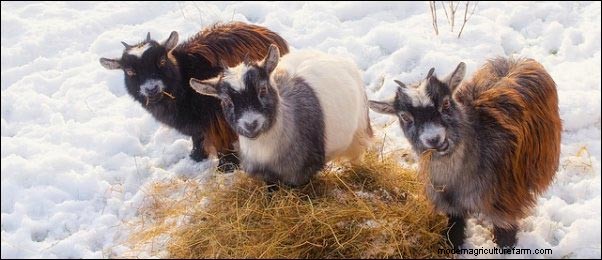
Goats and sheep benefit from a covered shelter that protects them from snow, rain, and low temperatures, but avoid completely enclosing the space to prevent ammonia buildup.
Boost their calories with extra hay and supplemental feed—cracked corn, oats, or sweet feed—and add molasses to drinking water or install a submersible heater.
Shear sheep early enough to allow fleece regrowth before mandatory cold periods. For pregnant does, increase calories and give newborn lambs exclusive access to the mother’s milk for the first 4–6 weeks.
Inspect animals at least twice daily for weather‑related distress. Watch for changes in coat color, huddling behavior, or lethargy. If any animal shows signs of discomfort, warm them immediately with heat lamps, toweling, and warm drinking water. Then address environmental hazards—remove drafts, seal leaks, keep bedding dry—and provide supplemental calories.
Don’t overlook self‑care. Cold weather obliges us to protect our own well‑being. Dress appropriately—gloves, hats, waterproof boots—replace wet clothing promptly, and dry thoroughly before re‑applying. Use the quieter winter months to read, research, and plan future homestead projects.

It can feel bittersweet when the productive summer harvest ends. But self‑sufficiency doesn’t pause with the arrival of winter. With thoughtful planning, a willingness to work in the cold, and a few season‑extending techniques, you can keep producing fresh, healthy food all year round. That, after all, is the true reward of homesteading.