Welcome to Modern Agriculture!

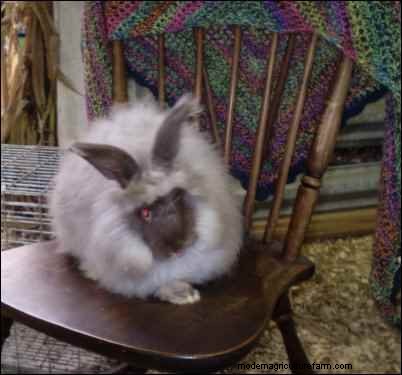
Are you curious about turning a small animal into a profitable venture? Raising Angora rabbits for their prized fur is a niche but rewarding path that blends animal husbandry with textile entrepreneurship. Below is a practical guide that covers the initial investment, daily care, breeding control, and market opportunities.
For real‑world insight, I interviewed Leslie Shelor, owner of Greenberry House Yarn in Meadows of Dan, VA. She began with three German Angoras in 1999, grew her flock to 30 by 2009, and sold rabbits for $200 each plus transportation. Leslie’s experience confirms that selling live animals often yields higher margins than spinning.
Leslie sourced her rabbits from Woolybuns Rabbitry in Cheshire, CT, emphasizing that quality producers maintain detailed fiber yield records—ideally at least 1.5 lb per 90‑day shearing. Buyers can use these records to verify expected income.
Because Angora fur is up to seven times warmer than sheep’s wool, it commands premium prices in the textile market. Products made from Angora include luxurious blankets, thermal underwear, and specialty felting.
Want to start? A small starter kit of three rabbits, $800 in setup costs, and a monthly labor budget of one hour can launch a viable micro‑business. Keep the process transparent, maintain thorough health records, and tap into local and online markets for maximum profit.