
Welcome to Modern Agriculture!

Internal parasites are a leading cause of health and productivity loss in backyard flocks. They live inside the bird, siphoning nutrients and potentially damaging vital organs. Understanding how they spread, how to spot them, and how to control them is essential for any responsible flock owner.
Worms dominate the internal parasite spectrum. They fall into two main groups: roundworms (nematodes) and flatworms (trematodes and cestodes). Each species targets a specific location in the bird’s body and may have a direct or indirect life cycle involving intermediate hosts.
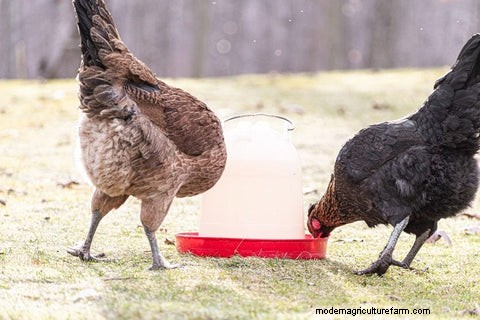
Ingestion of parasite eggs, larvae, or intermediate hosts (e.g., cockroaches, earthworms, flies, beetles, slugs, snails, grasshoppers, termites, ants) introduces parasites into the bird’s system. Once inside, the worms migrate to their preferred organ, mature, and reproduce. Heavy infestations, known as worm overloads, occur when the bird’s natural defenses cannot keep the population in check.
Healthy, well‑managed flocks build immunity as they age. However, when immunity is compromised—due to stress, poor nutrition, or high worm loads—parasites can cause:
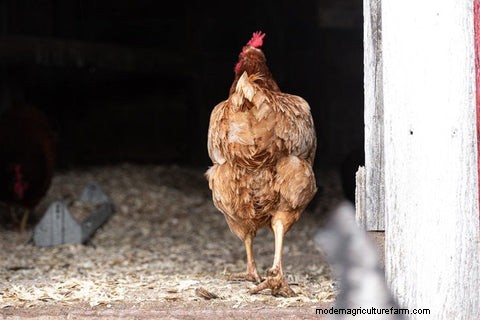
Key visual cues include:
Behavioral changes such as ruffled feathers, isolation, lethargy, or weakness also warrant investigation. Gapeworms, for instance, can cause coughing and visible red worms in the throat, while eye worms lead to swelling and blindness.
The most reliable method is a fecal float test, which separates parasite eggs from droppings using a solution of higher specific gravity. This test works for roundworms and coccidial oocysts; tapeworm eggs, which sink, require a different approach. Veterinarians can perform this test, but home kits are also available.
Collect fresh droppings (within 30 minutes) or use a clean surface to gather samples. Store them in an airtight container in the refrigerator if delayed. Any droppings—solid or liquid—are suitable for testing.
Once confirmed, treatment hinges on the parasite load and farm biosecurity:
Natural options are ideal for routine prevention, while drug dewormers should be reserved for significant infestations and used under veterinary guidance.
Effective parasite control starts with a holistic approach:
Implementing these practices, especially during spring and fall, keeps parasite numbers low and fortifies flock resilience.
For further reading, consult Damerow, Gail. The Chicken Health Handbook (Storey Publishing, 2015).
Internal parasites threaten backyard flock health by draining nutrients and damaging organs. By recognizing symptoms early, diagnosing accurately, and employing both pharmaceutical and natural control methods, owners can protect productivity and ensure the well‑being of their birds.


