
Welcome to Modern Agriculture!

One of the most rewarding aspects of keeping backyard chickens is enjoying fresh eggs without the need to refrigerate them.
In fact, I leave my eggs out—sometimes for weeks—yet they remain just as fresh, if not fresher, than store‑bought eggs kept in the fridge.
Since my hens began laying, I store all their eggs on the counter in a handcrafted egg holder I found in a Mexican woodworking shop during a road trip to Baja. The holder fits 12 eggs in neat slots, and I even display them in alternating colors for a touch of charm.

With seven hens—one of whom, Iman, lays only a few eggs a year—I produce just over two dozen eggs per week. The extras go into a small basket on the counter. Our family enjoys 10‑egg frittatas, egg sandwiches, and baked goods without ever feeling like a luxury.
Eggs typically sit on the counter for no more than two weeks, yet they never cause illness.
So should eggs be refrigerated or left at room temperature? And should they be washed? The surprising answer lies in the natural bloom coating that protects backyard eggs.
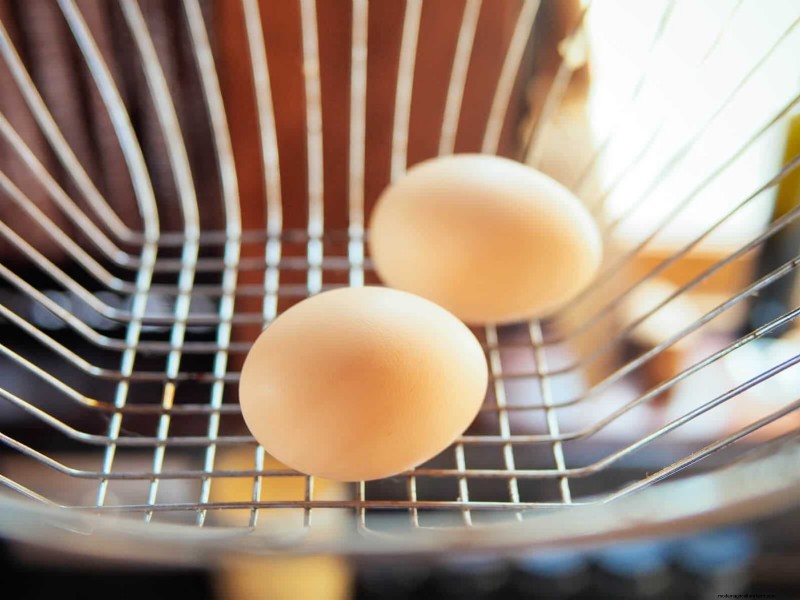
The United States is one of the few countries that keeps eggs refrigerated. This practice began in the 1970s when large‑scale egg production required long transportation and storage, raising concerns over contamination and spoilage. The USDA mandated immediate sanitization and refrigeration for commercial producers.
While germaphobia and the ubiquity of refrigerators play a role, many countries—Central America, Europe, Asia—store eggs at room temperature next to produce, and their eggs last for months.
Friends often express surprise when I explain I don’t chill my eggs: “Won’t they go bad?” or “Aren’t you worried about salmonella?” With backyard eggs, the answer is no.
To understand why, you must compare backyard eggs with factory eggs.
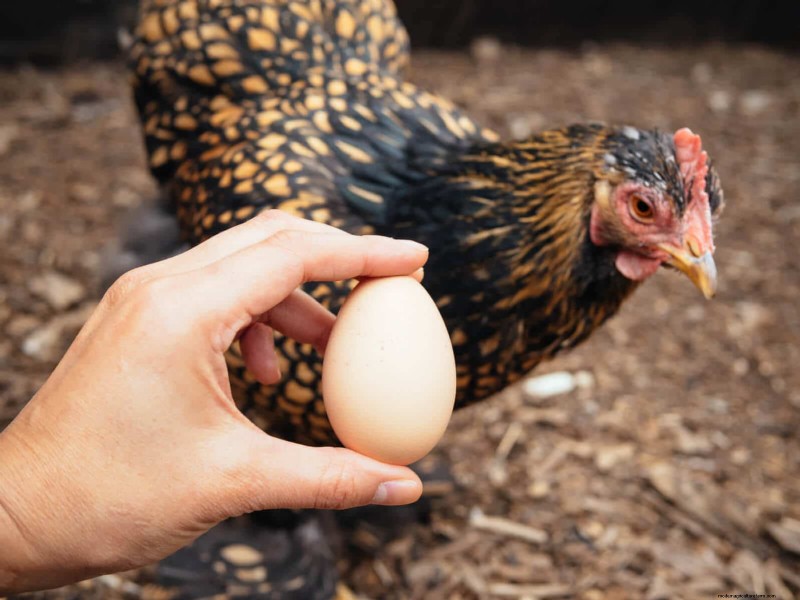
Eggs are porous, but hens deposit a natural protective coating called the bloom—or cuticle—on the shell immediately after laying. The bloom seals pores, preventing bacteria from entering and reducing moisture loss. Moisture loss accelerates CO₂ loss, which in turn speeds deterioration.
When you examine a backyard egg, the albumen appears cloudy, indicating retained CO₂. As an egg ages, CO₂ escapes, making the albumen more transparent and watery.
Optimal storage for backyard eggs is a dry, cool room (65°F–70°F) such as a pantry or cupboard. No refrigeration is necessary if you’ll consume the eggs within a few months. Even eggs stored for months remain safe, though cooking quality may decline slightly.
Washing is unnecessary for storage; washing removes the bloom and exposes the shell to bacteria. I wash eggs only before use to remove dust, and if my coop is clean, eggs are typically free of dirt or feces.
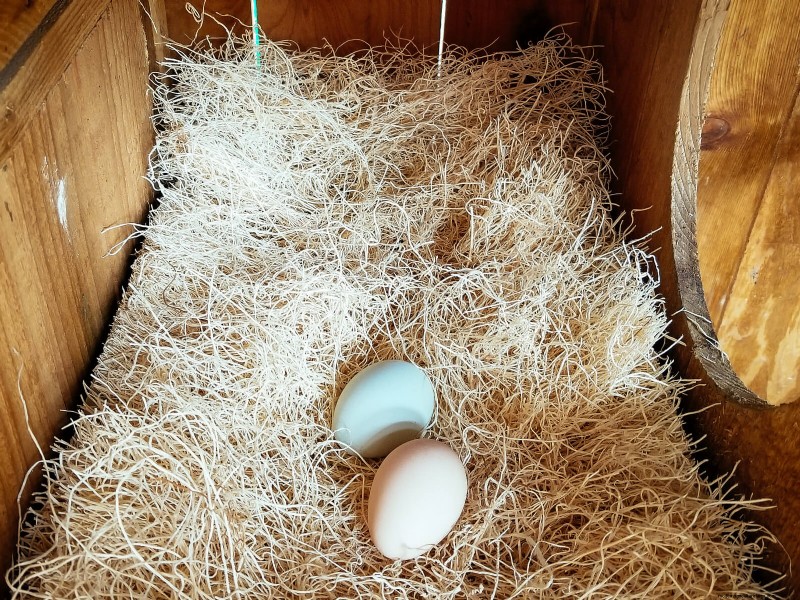
To keep eggs clean:
Clean hens produce clean eggs. My flock uses excelsior nest pads and never sleeps in the nest, resulting in spotless eggs that only require a quick wipe with a finger or towel. If an egg is noticeably dirty, rinse it under running water and use it immediately or refrigerate it.

USDA guidelines require commercial eggs to be stored at 40°F or below. Factory eggs originate from large operations where hygiene is difficult to monitor. These eggs often arrive dirty, with feathers and fecal matter on the shell.
To make them marketable, factories wash and sanitize eggs with chemicals ranging from chlorine to peracetic acid, stripping away the natural bloom and leaving the shell vulnerable. Many packers then spray a protective coating—usually mineral or vegetable oil—to extend shelf life. The shiny appearance you see in stores is this oil film.
By law, eggs must be processed within seven days of laying. By the time they reach the consumer—after collection, cleaning, grading, packing, statewide or nationwide shipping—they may already be two weeks old, plus additional weeks in the store and at home. Refrigeration during this period is critical because it maintains a constant temperature that inhibits bacterial growth.

A cold egg left out in a warm room will sweat; fluctuating temperatures cause pores to expand, allowing bacteria to enter. This applies to all eggs, washed or not. Therefore, once a freshly laid egg with an intact bloom has been refrigerated, it should remain refrigerated until use.
If you have a surplus you cannot consume within a few months, refrigeration will keep them safe for at least six months. However, if you produce that many eggs, consider selling, sharing, or repurposing the storage space.
This post was updated from an article that originally appeared on April 20, 2012.

Linda Ly is a plant lover, road‑tripper, and cookbook author whose expert advice and bestselling books have been featured in The Wall Street Journal, Time Magazine, HGTV, and Food & Wine. She writes on modern homesteading, farm‑to‑table cooking, and outdoor adventure at Garden Betty. Her latest book, The Route 66 Cookbook, explores the culinary delights of America’s iconic highway.


