
Welcome to Modern Agriculture!

I suspect Iman has once again hidden eggs for me.
She does this a few times a year, turning the hunt into an Easter‑egg adventure as my husband and I scour the 2,500‑square‑foot foraging area of our chickens for their secret nests. Last summer’s search yielded almost a dozen eggs!
When I paused my routine egg‑collection one day, I found an Iman egg, a Kimora egg, and a mystery egg that seemed to have come from a bantam. It was a puzzler.
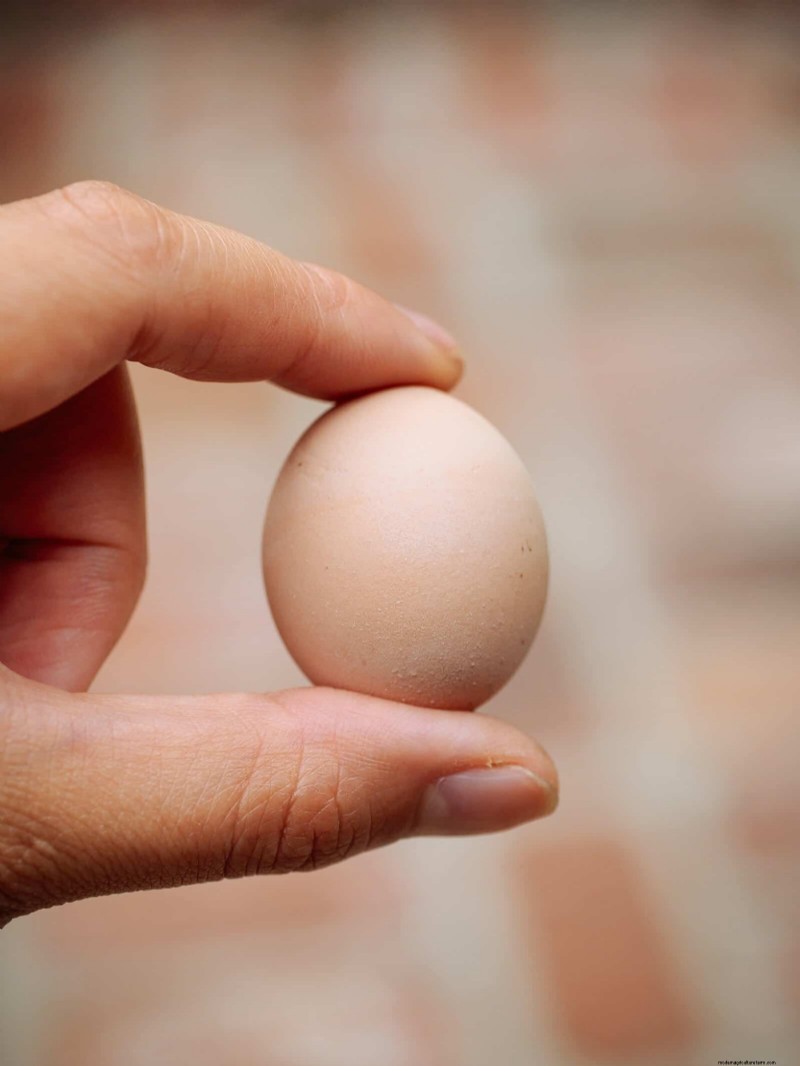
Every hen’s eggs are distinct in color and size, so I can usually tell who laid them. This one, however, was only one‑third the size of a standard chicken egg and fell somewhere between Iman’s pink and Kimora’s brown. It was about the size of a quail egg, yet we don’t keep quails in our yard.
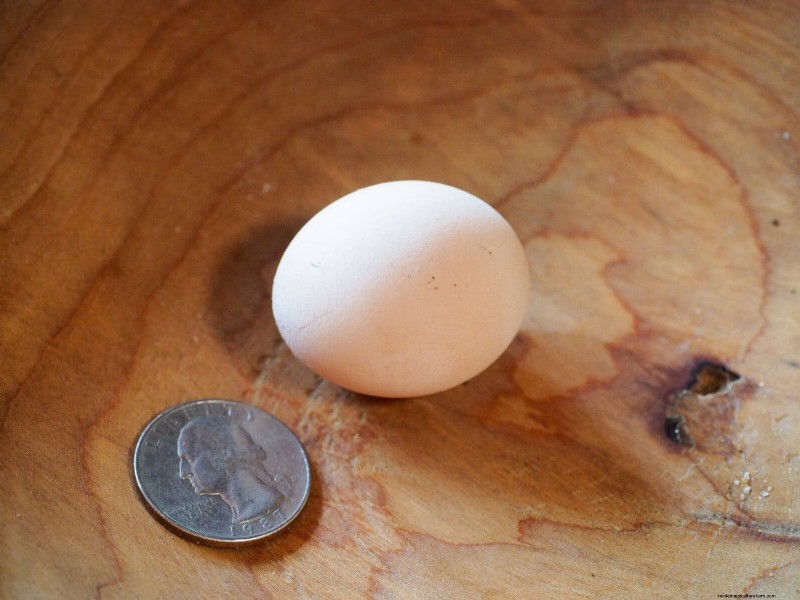
These miniature eggs are commonly called wind eggs, witch eggs, dwarf eggs, fairy eggs, or, affectionately, fart eggs. They usually lack a yolk because the hen’s body begins shell production before a yolk has been released. In such cases, a fragment of reproductive tissue can trigger the formation of an egg, tricking the hen into thinking it’s a yolk—an accidental misfire.
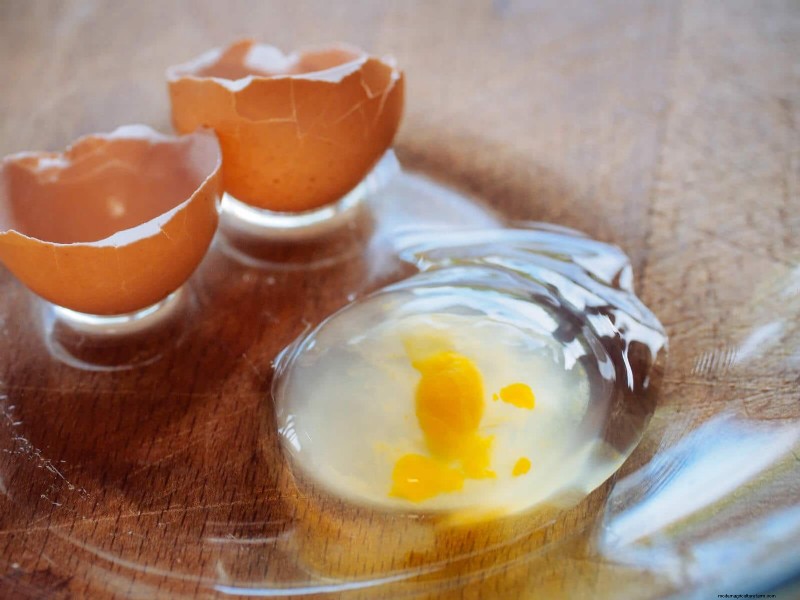
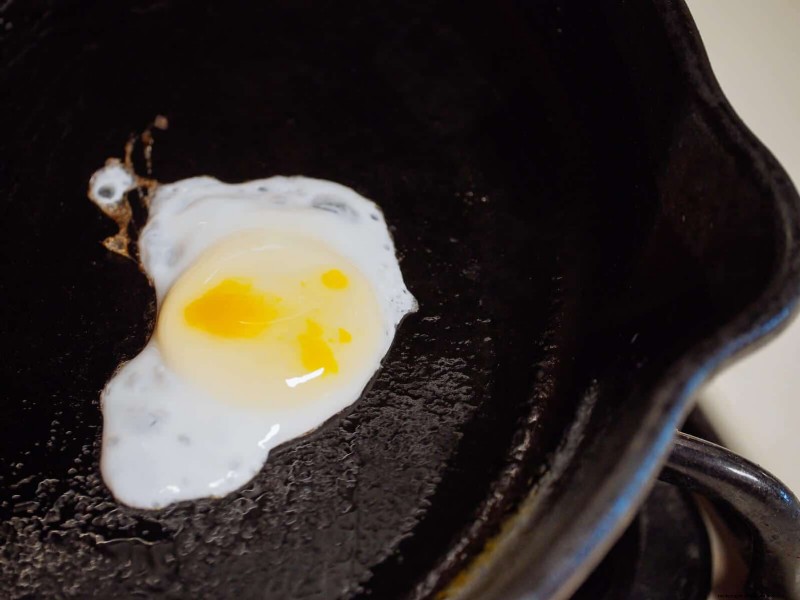
My mystery egg, however, contained a tiny yolk—just a golden swirl in the midst of clear egg white. Yolkless eggs may appear lighter or darker depending on how long the egg spends in the shell gland, which deposits pigment just before the shell hardens. This explains the subtle color shift of my fairy egg.
In older times, yolkless eggs were dubbed “cock eggs” because they were nonviable. The myth spread that roosters laid these malformed eggs and that they were cursed. Some folk tales warned that if a toad or serpent incubated a cock egg, a creature called a cockatrice—rooster head, serpent body—would hatch, capable of turning people to stone with its gaze. The only remedy was to hurl the unhatched egg over the roof of the house without it landing on the structure.
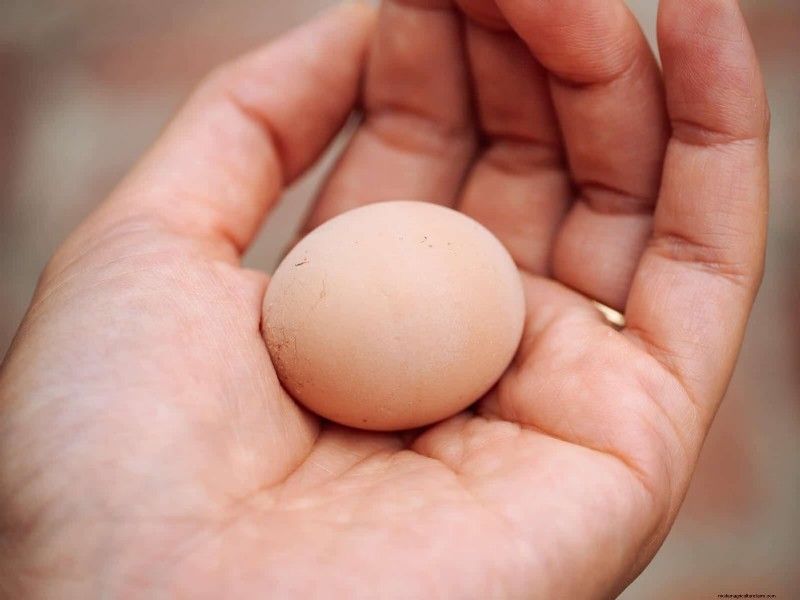
Today we understand that fart eggs are a normal anomaly, especially in young hens learning to ovulate. Older hens may produce them if their reproductive cycle is disrupted by new feed, flock changes, injuries, or environmental shifts. Once the hiccup passes, a hen typically resumes laying normal‑sized eggs the next day.
They’re perfectly safe to consume. I fried one and found it no different in flavor from a regular egg—just a bite‑sized version.
This post was updated from an article that originally appeared on August 4, 2014.

Linda Ly
I'm a plant lover, passionate road‑tripper, and cookbook author whose expert advice and bestselling books have been featured in The Wall Street Journal, Time Magazine, HGTV, and Food & Wine. The Route 66 Cookbook is my latest book. Garden Betty is where I write about modern homesteading, farm‑to‑table cooking, and outdoor adventuring—all that encompass a life well‑lived outdoors. After all, the secret to a good life is… Read more »


