
Welcome to Modern Agriculture!

Tomato pruning can be straightforward when you follow a few proven guidelines. Whether your garden hosts indeterminate, determinate, or semi‑determinate varieties, proper care accelerates even, healthy fruit set.
The internet is flooded with tomato pruning tips, but not all are reliable. In this guide we separate fact from fluff, offering evidence‑based strategies that transform dense, overgrown plants into well‑structured, productive specimens.
Containers Choice Red Bush Tomato
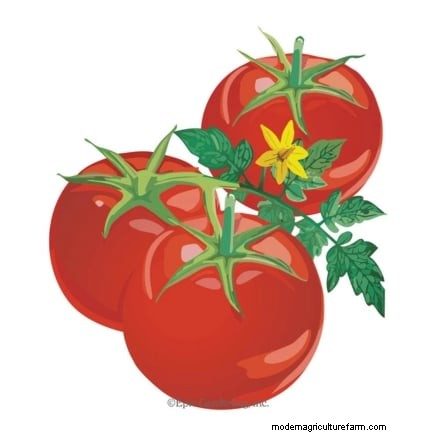
Containers Choice Red Bush Tomato
Chadwick Cherry Pole Tomato
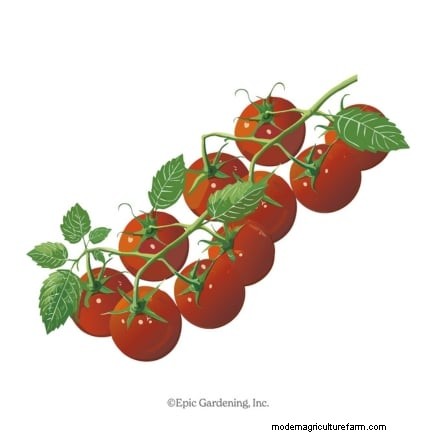
Chadwick Cherry Pole Cherry Tomato
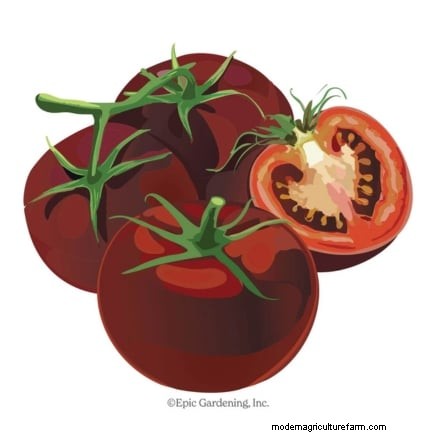
Carbon Pole Tomato
Before you snip, be aware of the five most common pruning pitfalls. Knowledge empowers growers; accurate pruning nurtures robust branches, generous fruit, and clean foliage.
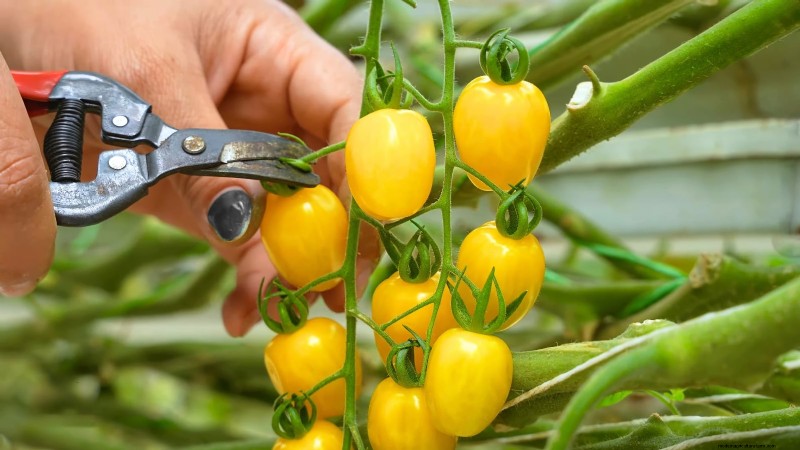
A clean, sterile, and sharp pruning blade is best for successful pruning. When the blade is dirty, it may spread diseases onto each plant you prune. A dull blade can cause jagged, uneven cuts that heal slowly. Their slow healing time allows pests and diseases to enter the plants.
For the best results, sharpen and clean your pruners before using them. Using a handheld sharpening tool to sharpen the blades. Push the sharpener against the sharp part of the blade three or four times, then dust off any little metal shavings.
To clean the blade, use a wire brush or sponge and some rubbing alcohol. Coat the pruners in alcohol, then rub the brush along the dirt and grime to get rid of it. The alcohol sterilizes the blades in the process, killing any pesky bacteria or fungi.
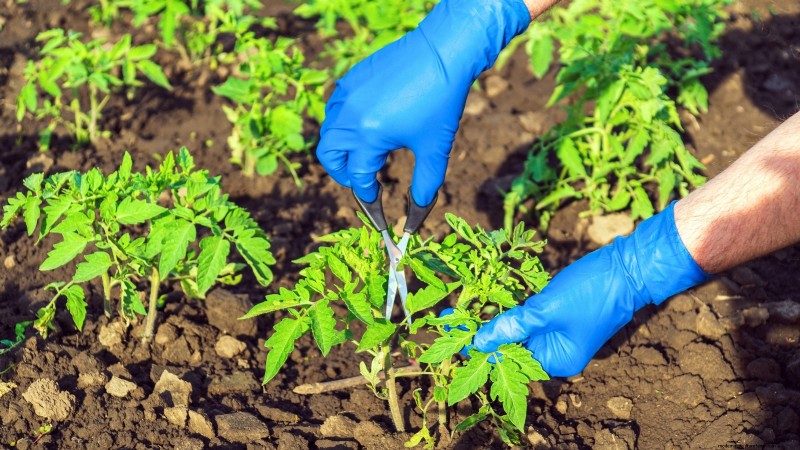
Some guides may advise you to “top” the tomato seedlings to promote branching. This is an unnecessary pruning step early in the growing season. “Topping” is a term for chopping the tips of the seedlings when they’re young. Though helpful for promoting branching in pepper plants in areas with long growing seasons, it’s not helpful for tomato plants.
Avoid pruning tomatoes until they’re thriving in your garden. Removing leaves or stems from young plants is unnecessary. You’ll want to prune them after they flower and grow side shoots.
Topping, though undesirable early, is helpful late in the season when the last few fruits are ripening. It’ll promote quick ripening, turning the tomatoes red before the first frost arrives in autumn.
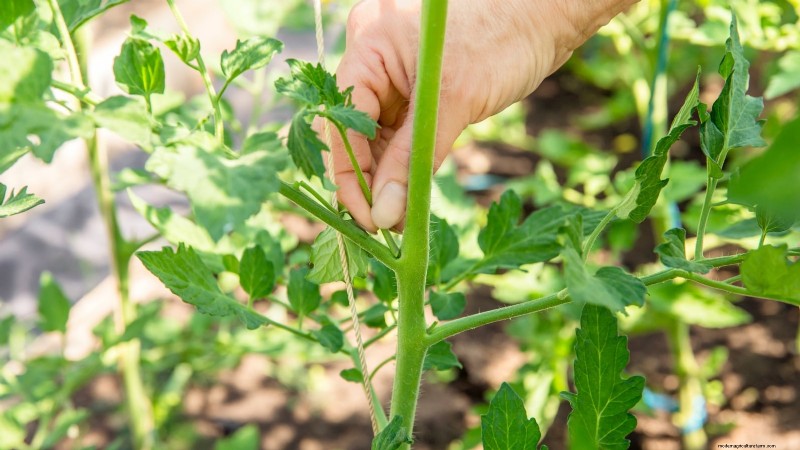
Not pruning at all is also not helpful! This is especially true for indeterminate tomatoes because they continue flowering and fruiting until the first frost arrives. They’ll produce bushy, leggy growth that crowds out the tomato fruits.
Determinate types, though they stop growing after they produce tomatoes on their ends, also benefit from pruning. Tomatoes tend to suckers, which means they sprout ample shoots from low on their stems. Suckers are helpful when they sprout up high, but they’re not ideal low on the stems.
For best results, always remove suckers or side shoots that sprout below the first flowering cluster. For determinate tomatoes, that’s all you’ll need to do. For indeterminate types, let side shoots grow if you’d like them to form new stems. If you’d prefer fewer main stems, cut them off.
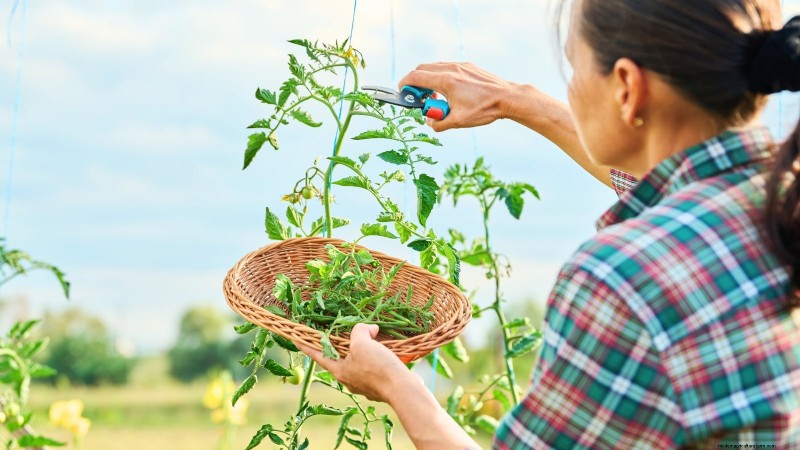
Determinate tomatoes are like June‑bearing strawberries—they produce their fruit all at once and stop growing afterward. They produce a finite number of stems that bear tomatoes. You may remove suckers below the first flowering cluster, but you’ll want to leave the ones growing above that point.
Any suckers above the first flower cluster will turn into fruit‑bearing stems. Leave them be so they can grow fresh, juicy, and tasty tomato fruits!
Indeterminate types are different. How little or how much to prune them depends on your preferences. If you’re training them up a single pole, you’ll want to remove all side shoots. If, however, you’d prefer many fruit‑bearing stems on multiple supports, you should let a few side shoots grow into flowering stems.
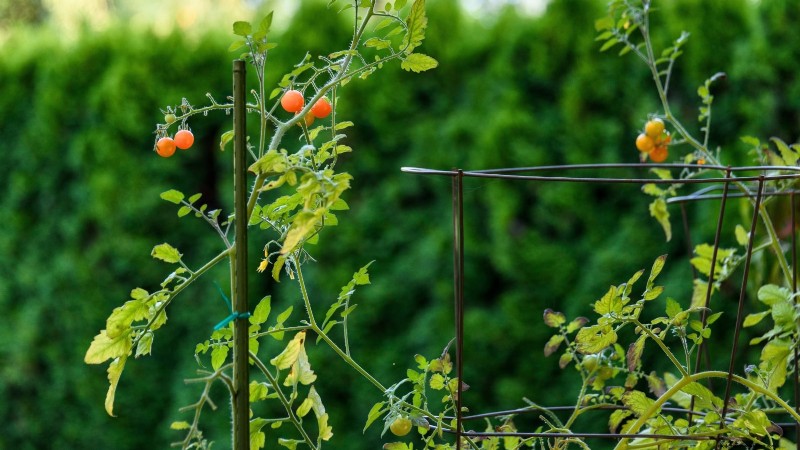
Pruning and trellising are equally important. Without support, the benefits of pruning are short‑lived. The stems can fall to the ground, where they’re prone to slug and cutworm damage. Tomatoes aren’t like peas, which climb on their own, as they need ties or supports to stay vertical.
Tomato cages are a great tool to support the plants. They have windows where the foliage can push through, and horizontal metal bars to support the top‑heavy stems.
Other creative ways of supporting tomatoes are available. Try tying them onto bamboo poles, arbors, or tepees. Some growers like to tie strings vertically, onto which they’ll latch the stems with locks or ties.
Regardless of the method you use, supporting tomatoes is essential for a bountiful harvest. Combine a strong support system with a regular pruning regimen to influence your plants and promote big, bountiful harvests.
Too much pruning can slow the tomatoes’ growth, though it’s rare that it’ll kill them. Removing side shoots won’t harm the plants. Topping can slow seedling growth, so avoid chopping the tips of young plants.
The lowest‑growing suckers below the first flowers are the best parts to remove.
You shouldn’t have to remove any leaves from your plants. You may need to remove the lowest two leaves during transplanting to bury the stems. The other reason to remove leaves is if they have too many pests or disease symptoms.


