Welcome to Modern Agriculture!

When summer’s heat turns up, a single pepper plant can yield dozens of vibrant fruits, each bursting with flavor and fiery heat. From sweet, mellow chiles to tongues‑on‑fire torches, nightshades cover a spectrum of tastes. Their colorful, ornamental berries can be harvested at any stage—from bright green to deep red—providing culinary versatility.
Heat in peppers is produced by the compound capsaicin, a natural plant defense that deters pests and discourages animals from nibbling the fruit. The Scoville Scale, developed by Wilbur Scoville in 1912, quantifies this heat in Scoville Heat Units (SHU). While genetics dictate a pepper’s potential, factors such as climate, soil type, and growing location influence the final temperature.
Whether you enjoy them fresh, roasted, stir‑fried, dried, or in homemade hot sauces, the varieties listed below rank among the world’s hottest. Each name hints at its intensity, but a brief safety reminder is always warranted.
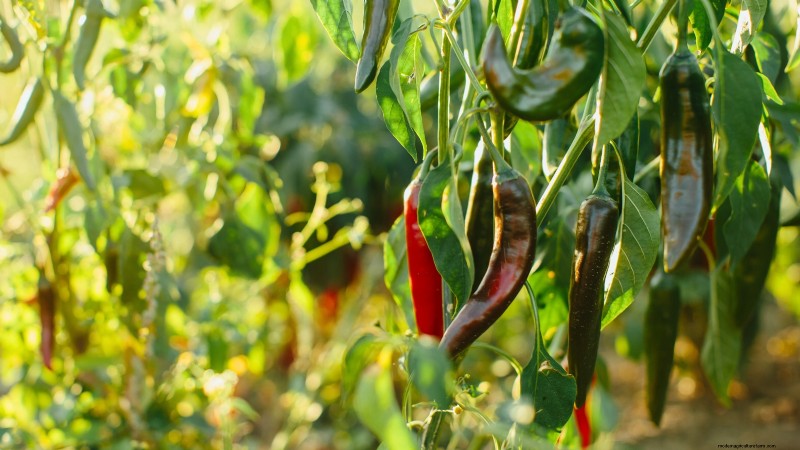
As heat‑ and sun‑loving nightshades, Capsicum spp. thrive best in full sun with regular moisture and well‑drained soils. Compact, container‑friendly, and suitable for raised beds, these plants flourish even in marginal soils.
They require 6–8 hours of direct sunlight daily. In hot climates, afternoon shade protects fruits from sunscald while still allowing ample warmth. Water 1–2 inches per week, increasing during heat waves. Consistently moist soils help prevent drought stress and overly saturated roots.
Harvest peppers at peak ripeness: crisp flesh, slight striations, and “stretch marks” indicating internal expansion. Depending on the variety, mature color ranges from green to red, yellow, orange, or purple. Use shears or a knife to cut the fruit, leaving a short stem to avoid breaking the delicate stalk. Handle peppers carefully to prevent skin and eye irritation; label plants to avoid confusion and keep them out of reach of children.
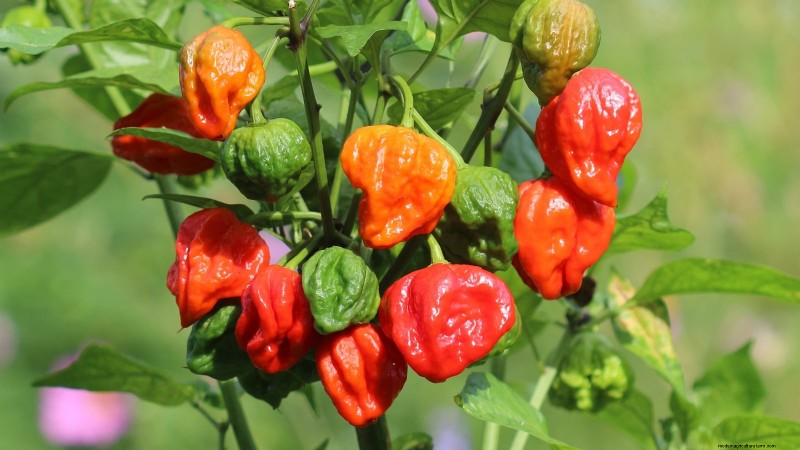
Carolina Reaper (Capsicum chinense ‘Carolina Reaper’) is the world’s second hottest pepper, with a record of ~1.6 million SHU. It’s surpassed only by the patented Pepper X (over 2.5 million SHU), which is not available for home cultivation. A single pepper can be 800 times hotter than a jalapeño, delivering a sweet, fruity undertone before a fiery punch.
These 4–5‑foot plants need full sun and thrive in warm climates. The distinctive, scythe‑shaped fruits are bright red, and a single pinch can ignite any dish. Dried and ground powder is a powerful seasoning.
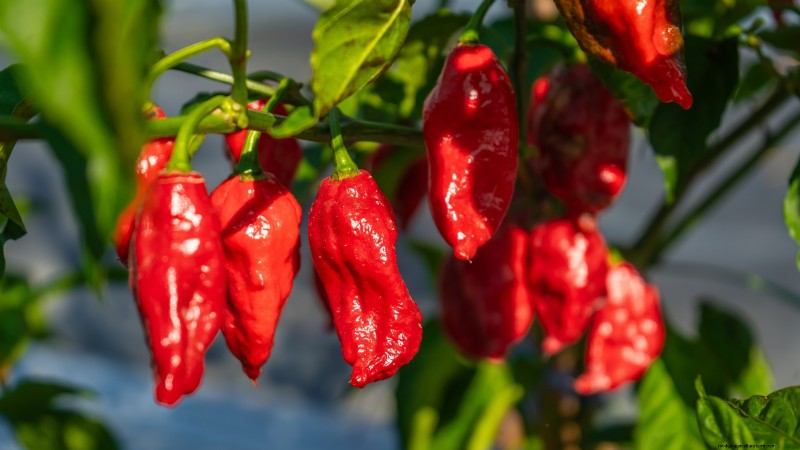
Ghost, also known as Bhut Jolokia (Capsicum chinense), broke the million‑SHU mark and remains a favorite among heat lovers. The 3‑inch fruits mature from green to bright orange‑red to dark red over ~100 days. Originally from India, they were once used in tear‑gas grenades due to their intense capsaicin.
Full sun is essential, and the plant reaches 16–48 inches tall. Harvest when the fruit’s surface shows a subtle brownish‑red hue; the interior is fully developed and ready for culinary adventures.
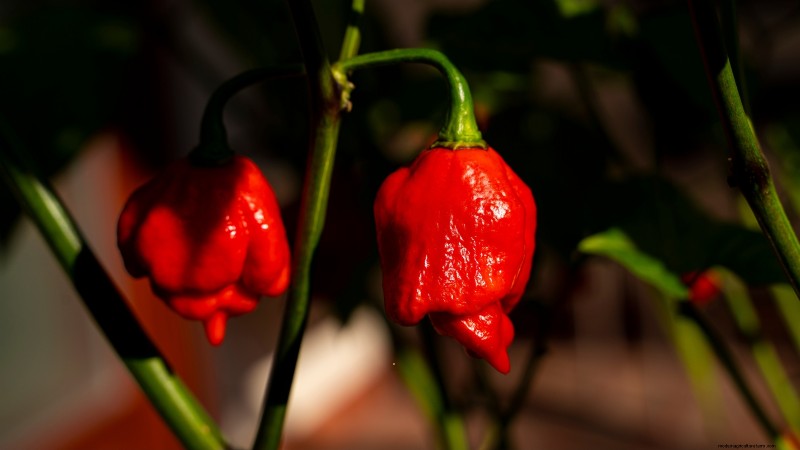
Moruga Trinidad Scorpion (Capsicum chinense) tops the charts with over 2 million SHU, according to a New Mexico State University study. The 2‑inch deep‑red fruits are glossy and bumpy, resembling golf balls, and have a sweet, cinnamon‑laced aroma beneath the scorching heat.
Growing in full sun, the plant reaches 3 feet. Its capsaicin concentration can even permeate latex gloves, so exercise caution when handling.
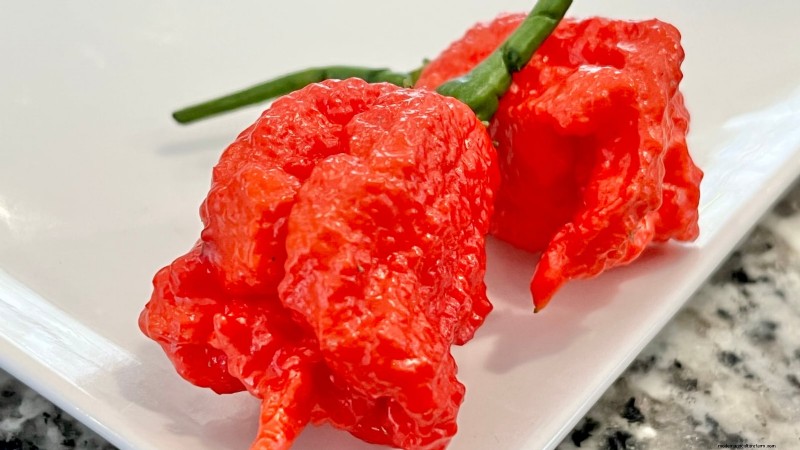
Dragon’s Breath (Capsicum chinense) is a UK‑bred marvel with up to 2.4 million SHU. The scarlet, medium‑thick fruits pucker at harvest and have a striking scythe tip reminiscent of the Welsh dragon. Besides heat, they’ve been explored as a natural numbing agent.
Plants grow 2–3 feet tall and demand full sun. Use gloves when pruning or harvesting to protect skin from intense capsaicin.
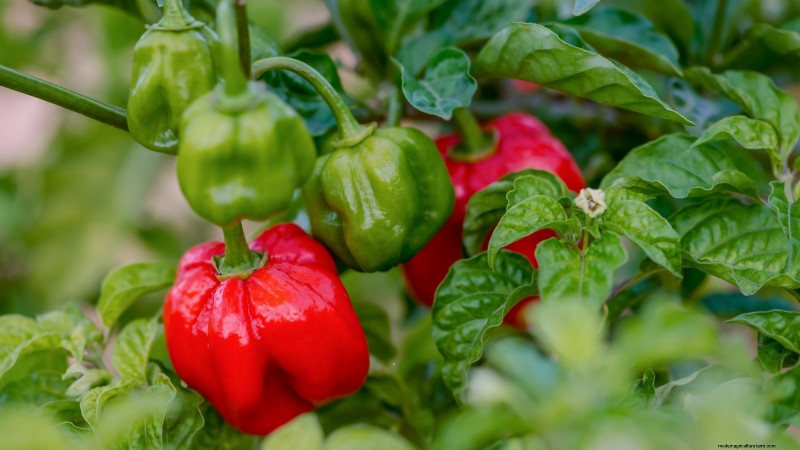
Scotch Bonnet (Capsicum chinense) offers a slightly more approachable heat, ranging from 325,000 to 1,000,000 SHU. The 1½‑inch bright red fruits have a smoky, fruity flavor with citrusy undertones, making them ideal for Caribbean dishes.
Full sun and 2–3 feet of height are typical. The fruits’ modest size makes them perfect for home gardens.
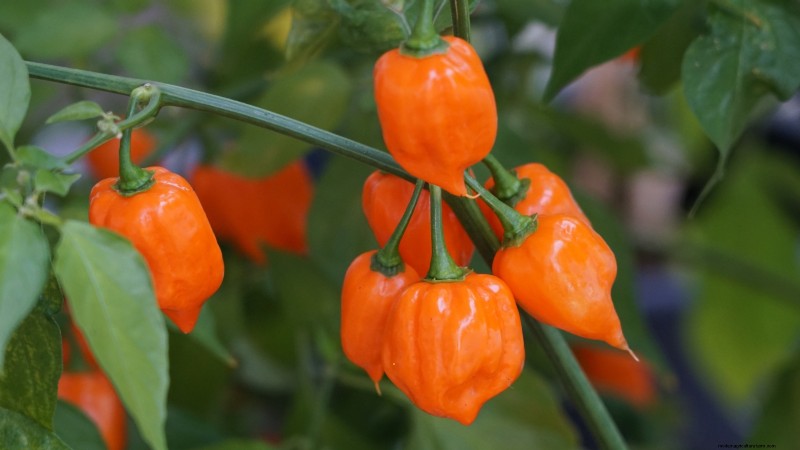
Habanero (Capsicum chinense) is among the world’s hottest, with 100,000–350,000 SHU. Its citrusy, floral notes balance the heat, making it a staple in salsas, cocktails, and grilled dishes. The pepper reaches about 2 feet tall and produces orange‑red, lantern‑shaped fruit.
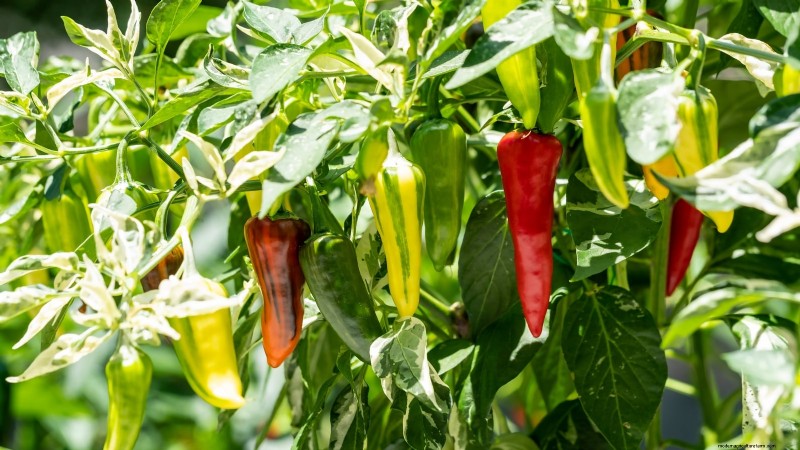
Fish (Capsicum annuum) may not reach the million‑SHU club but offers a respectable 40,000–75,000 SHU, comparable to cayenne. An heirloom with tricolor stripes and variegated foliage, it’s a culinary icon in Chesapeake Bay cuisine. The compact plant is ideal for beds or containers.
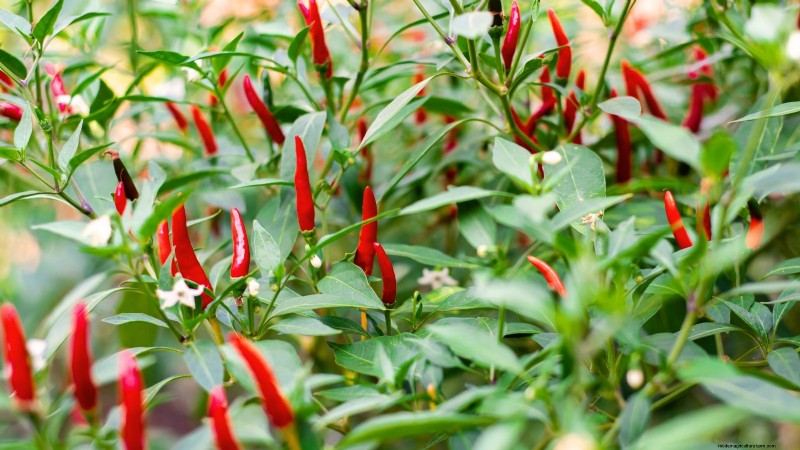
Thai Hot (Capsicum annuum) delivers 50,000–100,000 SHU, striking a balance between intensity and versatility. The slender, upright fruits resemble red candles, maturing simultaneously in green and red. They’re perfect for Asian curries and stir‑fries.
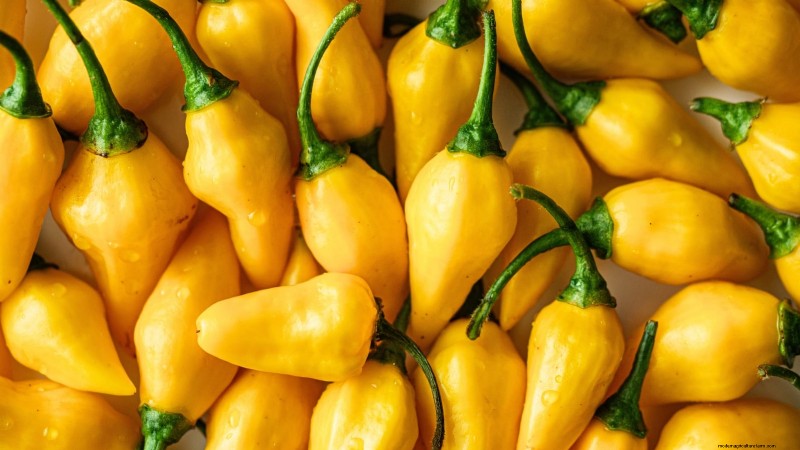
Lemon Drop (Capsicum baccatum) caps the list with a citrus‑infused heat of 30,000–50,000 SHU. These 20–24‑inch plants produce bright yellow fruits that can be used fresh or dried. They’re slow to mature (~100 days) but yield large, flavorful harvests.
By choosing one or more of these fiery varieties, you’ll transform your garden into a living spice laboratory. Remember: handle with gloves, label carefully, and enjoy the heat responsibly.