
Welcome to Modern Agriculture!

Potato hilling is a straightforward yet essential technique. When green, leafy shoots appear above the soil, you cover them with extra soil or mulch. This practice encourages lateral root development, ultimately yielding a larger tuber crop.
Many commercial growers employ trench systems to streamline hilling. As the stems extend upward, they progressively fill the trench with soil, maintaining continuous coverage. The added material stimulates new shoots and root growth, which later form mature tubers.
Home gardeners need not be experts to hill potatoes. Determinate varieties usually require just one hilling session. For varieties that benefit from additional hilling, simply cover the plants with available materials—compost, leaf mold, or straw—as they grow.
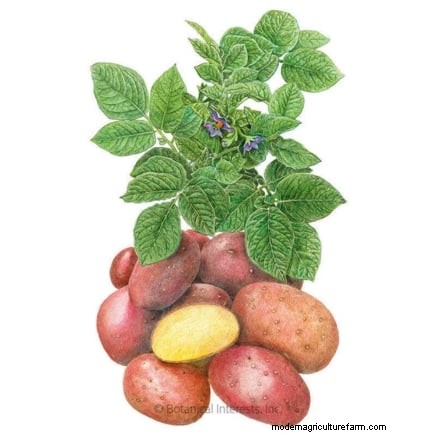
Clancy Potato
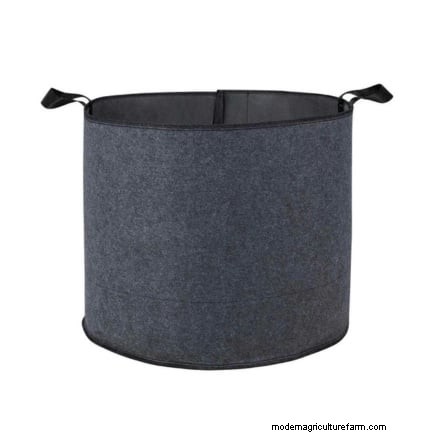
Epic Grow Bags
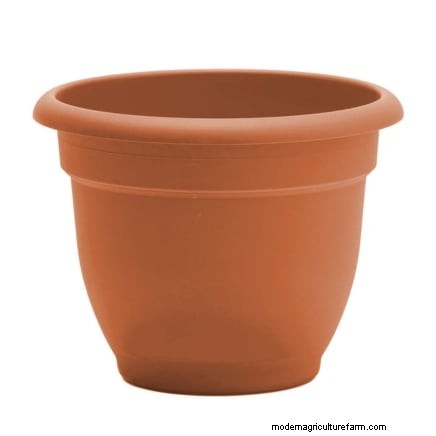
Ariana Planters
Ready to boost your harvest? Grab a bucket of soil or mulch, lace up your gardening shoes, and follow these expert tips.
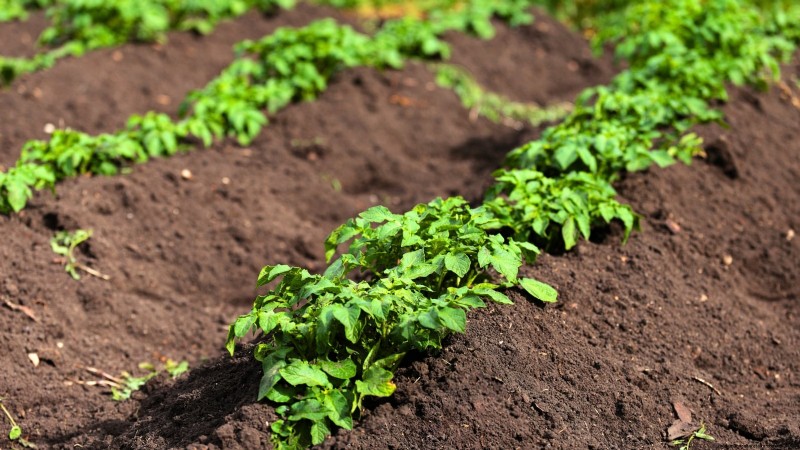
As winter recedes and days grow longer, rising temperatures stimulate vigorous stem and root growth in potato plants. When the above‑ground shoots begin to emerge, it’s the ideal moment to start hilling. Avoid hilling too early—doing so can create a thick soil layer that the stems must push through, which may hinder growth.
Soft, moist, and evenly mixed soil free of large clods is optimal for covering the shoots.
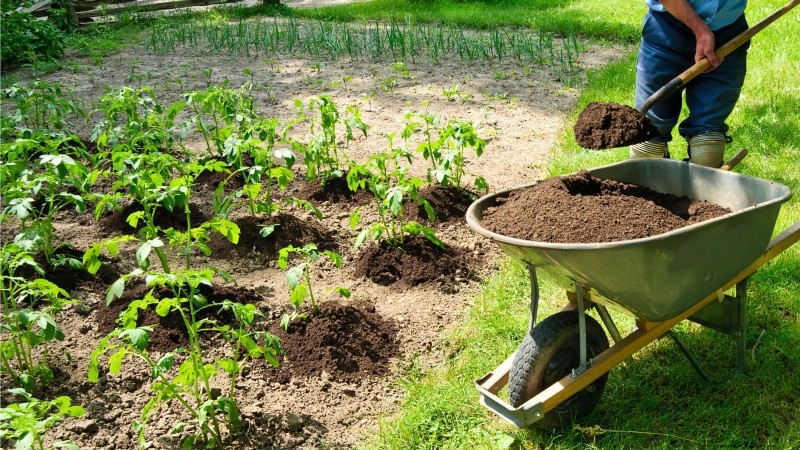
Plants that develop tall, lanky stems with sparse foliage are prime candidates for hilling. Adding soil or mulch around these shoots encourages the formation of numerous new roots, which in turn become additional tubers by late summer.
For container‑grown potatoes, placing the pots on their sides allows you to cover the stems without soil spilling out. Though this requires extra space, it can significantly increase yields. Alternatively, use a large 10‑ to 15‑gallon container and add a few inches of soil every week or two until the plants flower.
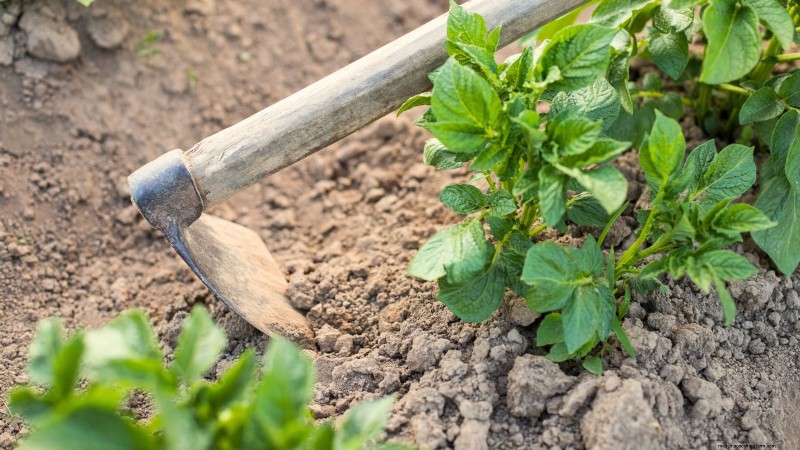
As tubers enlarge, they push the surrounding soil upward, often creating cracks or a “heaved” surface. When you notice this ground movement, add soil or compost near the lower stems, covering several inches and filling any visible gaps.
Heaving is a clear signal that additional hilling may be necessary. Depending on the crop’s progress, you may need two or three more hilling rounds before mid‑ to late summer.
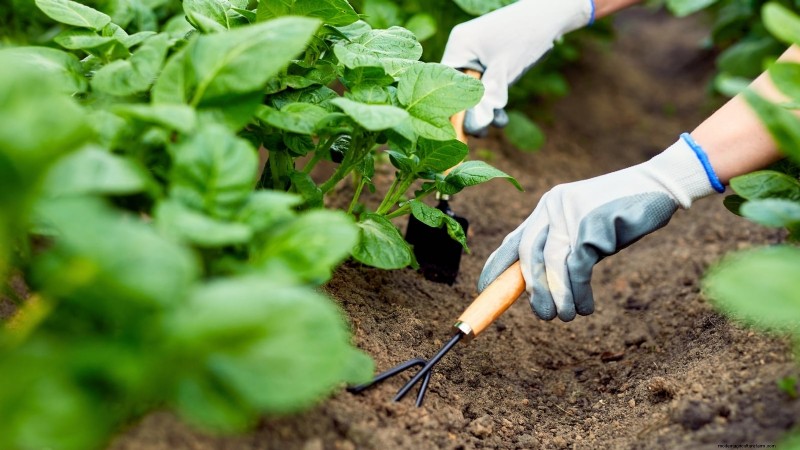
Seeing tubers peek above the soil is a positive sign, but it also means the crop is at risk of greening if exposed to sunlight. Sunlight triggers the production of solanine, a toxic compound. Cover the exposed tubers with mulch and maintain consistent moisture to prevent greening.
Green potatoes should never be consumed. Instead, plant them in early spring or midsummer for a fall crop, or use them as seed potatoes.
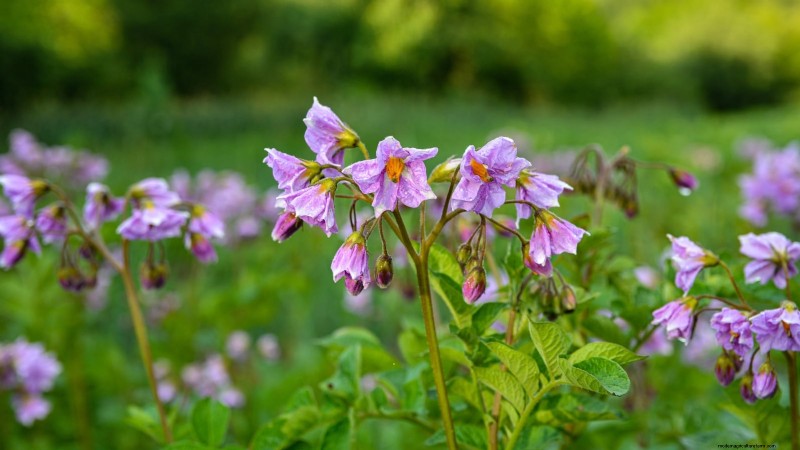
The appearance of flowers indicates that tuber formation is underway. If you have already hilled the crop regularly, give the plants one final covering as the flowers open. However, if you have not hilled before, adding soil around long, floppy stems at this stage may stunt root development and reduce yield.
Fun fact: the fruits that form from the flowers can be harvested for seed potatoes. While these fruits are also poisonous, they can be used exclusively for seed production.
Q: Can I hill potatoes after they’ve flowered? A: No, hilling after flowering will likely damage the stems and halt root formation.
Q: When is the best time to start hilling? A: Once the stems have grown long and thick above ground, cover the lower, leafless portions while leaving some foliage exposed.
Q: What materials can I use for hilling? A: Compost, leaf mold, straw, or potting soil are all suitable. Avoid piling too many leaves together; consider composting them first.
Q: What should I do with green potatoes? A: Plant them in early spring or midsummer for a fall crop, or use them as seed potatoes. Never eat them.


