Welcome to Modern Agriculture!

Big, juicy watermelons are the highlight of any summer garden. With warm temperatures and the right care, you can cultivate the most impressive melons that will impress neighbors and satisfy your palate. While early crops keep you busy, the sweet, succulent rewards of the season are worth the effort.
Watermelons, muskmelons, cantaloupes, and winter melons such as honeydew mature slowly. Vines need time to develop thick rinds and tender flesh. Melons typically take 80–100 days to mature, though compact and early‑maturing varieties may finish on the shorter end.
They thrive on long, sunny days and steady moisture. Avoiding common pitfalls over the long season is a labor of love that pays off with the first bite of a ripe, dripping melon. A few key techniques produce the healthiest, tastiest fruits, especially when grown from seed.
Charleston Gray Watermelon
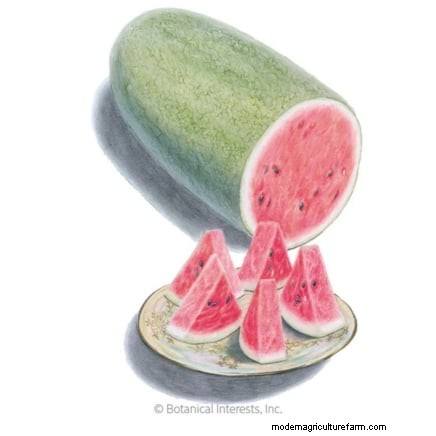
Charleston Gray Watermelon Seeds
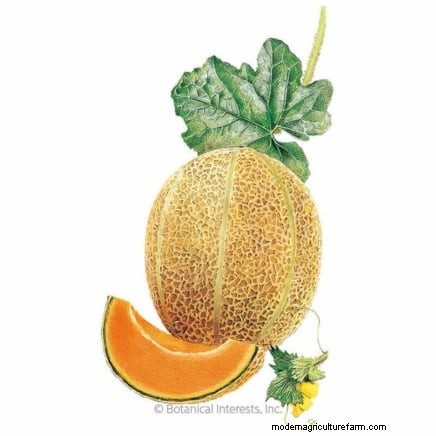
Hale’s Best Jumbo Cantaloupe
Mountain Sweet Yellow Watermelon
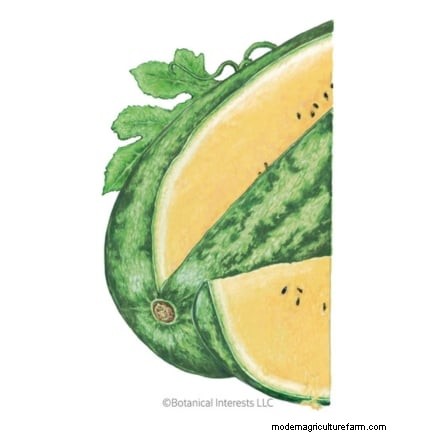
Mountain Sweet Yellow Watermelon Seeds

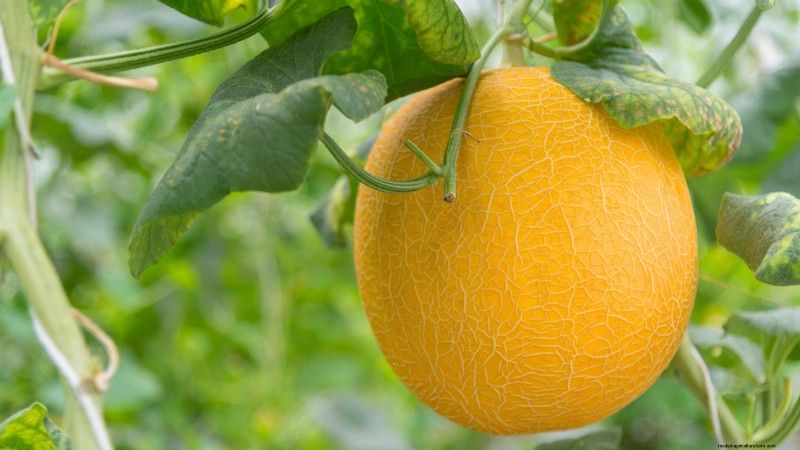
Melons belong to the cucurbit family (Cucurbitaceae), which includes cucumbers, zucchini, winter squashes, and pumpkins. They are frost‑sensitive and grow best when air and soil temperatures reach 70–85°F (21–29°C). Direct sow after the last frost when the soil warms to the 60s (≈16°C). Direct sowing minimizes root damage, a common issue with transplants.
In cooler regions or for a head start, start seeds indoors 2–4 weeks early in biodegradable pots or soil blocks. Early planting can delay flowering and fruiting if the seedlings encounter cool weather.
Vines can spread extensively. Standard varieties produce the largest fruits, while compact and dwarf selections offer smaller, equally sweet melons. Choose the plant type that fits your space and preferences.
Melons grow well in the ground, raised beds, or on trellises, depending on the variety.
Optimal growing conditions include:
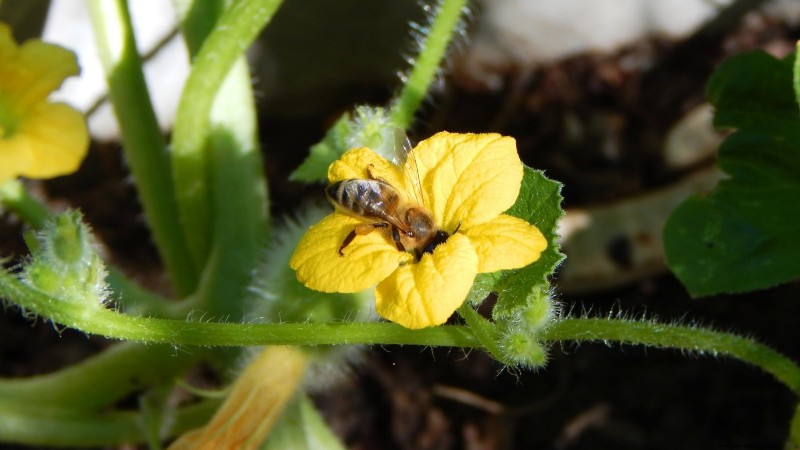
Melons produce separate male and female flowers and rely almost entirely on bees for pollination. Poor pollination can lead to misshapen or underdeveloped fruits and fewer yields. Seed‑less or near‑seedless varieties often need a pollinator plant nearby because their pollen is sterile.
Bee activity can be influenced by weather, urban pollution, and garden layout. To encourage pollinators, plant nectar‑rich herbs, perennials, and annuals near the vines. These companion plants attract bees and other insects, improving pollination and supporting pest control.
When hand‑pollination is needed, use a Q‑tip or paintbrush to transfer pollen from male to female flowers. Female blooms last only a day, so work quickly, preferably in the morning.
Consistent moisture is crucial. One to two inches of water per week, including rainfall and irrigation, typically suffices. Excessive moisture can lead to fungal diseases such as powdery mildew.
To avoid splashing, irrigate at ground level using drip or soaker hoses. This protects leaves from wet‑spore diseases.
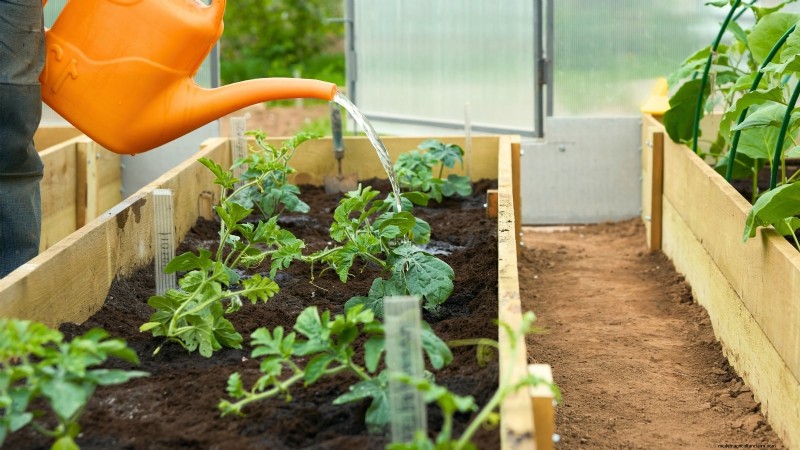
Uneven watering stresses the plant, halting growth and causing blossom end rot—a physiological disorder where calcium deficiency leads to damage. To prevent this, apply calcium through crushed eggshells or bone meal at planting.
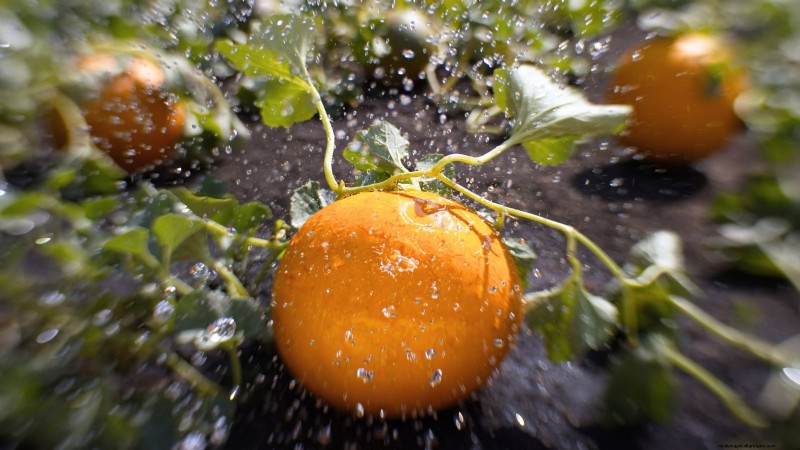
Near harvest, reduce irrigation to prevent cracks. When melons reach maturity, they stop growing (tertiary growth). Extra water dilutes sugars and can cause splitting. Lower irrigation just before ripening to preserve sweetness.
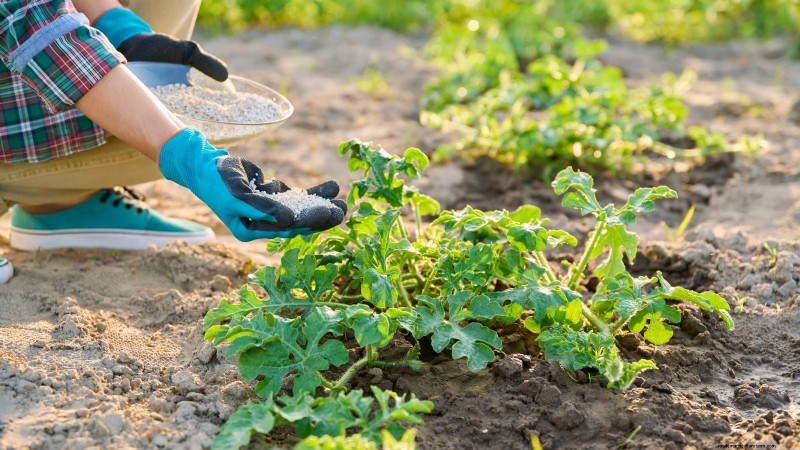
Use organic, well‑draining soil. Amend with compost at planting. Apply a balanced fertilizer early to encourage flower development (especially important for melon, as flowering is a costly structure).
High nitrogen levels promote leafy growth at the expense of fruit quality (the “brittle end” effect). Excess nitrogen can reduce blossom end rot and other disorders. After initial establishment, increase phosphorus and potassium to enhance flowering.
Large melons require ample space. Classic large varieties thrive when vines can spread freely. Compact vines can be trellised vertically, saving space while reducing disease.
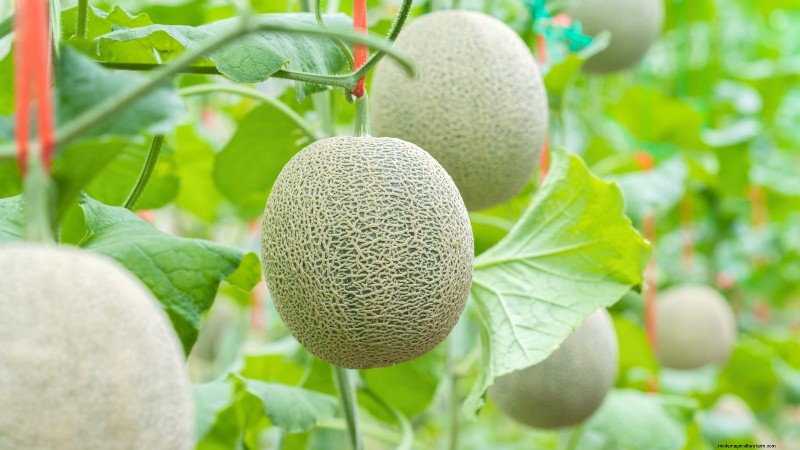
Vertical trellising improves airflow, reduces disease, and ensures even skin development. It also makes scouting easier and provides a satisfying visual.
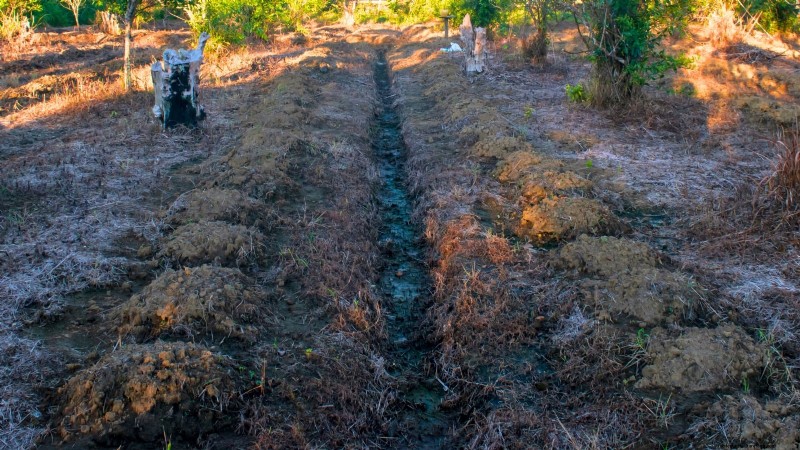
Space plants at least 6–7 feet apart to prevent overcrowding. Use mounds 16 inches tall to elevate crowns, improving drainage and reducing pest access. Thin excess fruits early; an average of two melons per vine for large varieties and four for smaller ones is typical.
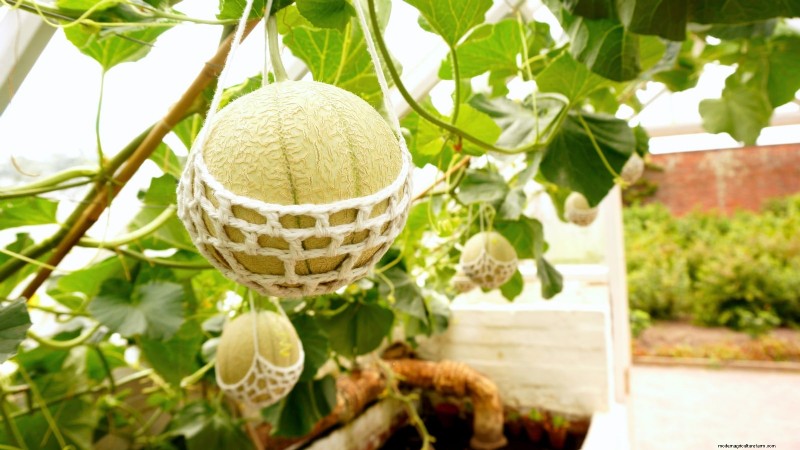
Support structures like nets, slings, or twine keep fruit off the soil, protecting it from moisture damage and pests. Use flexible supports that expand as the melon grows.
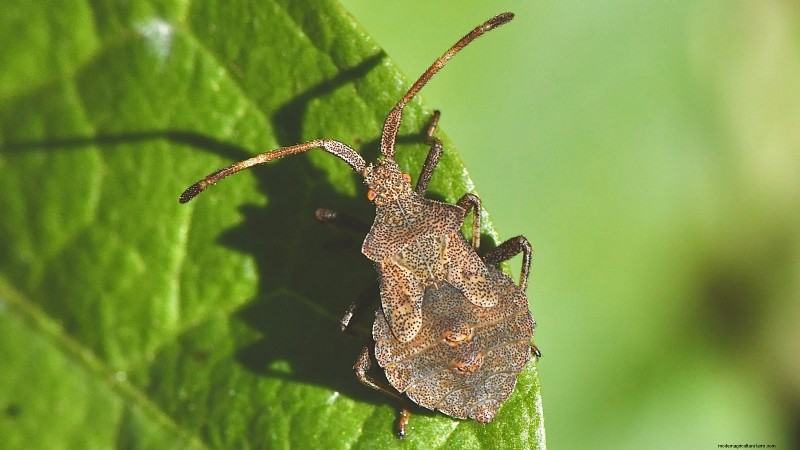
Melons share pests with cucumbers, squash, and pumpkins. Key threats include cucumber beetles, squash vine borers, and squash bugs. Regular scouting and separating cucurbits from melons reduce damage. Use neem oil or horticultural oil to treat early infections.
Harvesting at the right time is essential. Melons reach the point of optimal flavor, texture, and sweetness when ripe. Post‑harvest changes do not improve flavor or sweetness, making timing crucial.
Seed packets list days to maturity; use this to estimate harvest dates. Melons mature in 65–100 days, depending on variety and climate.
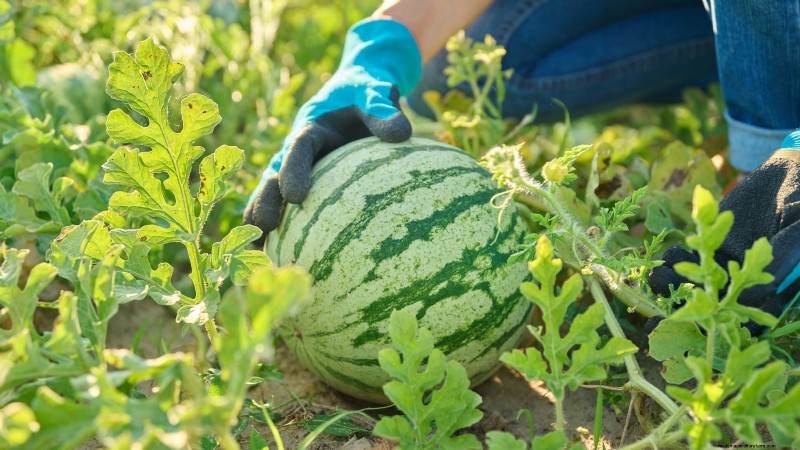
Watermelons ripen 35–45 days after flowering. Look for the field spot—where the fruit contacts the soil—to change from greenish‑white to yellow or cream. Dull, rough skin indicates ripeness. Ripe watermelons have a brown, withered tendril (the “pigtail” stem) and, when tapped, emit a hollow sound.
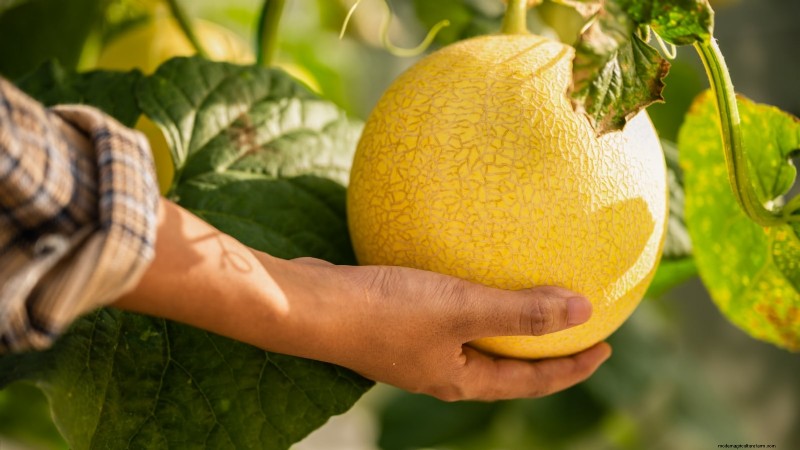
Ripe mandarin melons show golden yellow netting and emit a sweet aroma. The slip—the junction where the stem meets the fruit—should be brown and easily separable for slip varieties. Non‑slip mandarin mandarins must rely on color and scent. A musty scent indicates over‑ripeness.