Welcome to Modern Agriculture!

I love salsa. When choosing tomatoes for a memorable salsa, I look for meaty, low‑water varieties that blend beautifully with onions, cilantro, garlic, and spicy peppers. Planning the crop starts in winter, but the real payoff comes when the heat of North Texas spring presses the plants to produce ripe, flavor‑dense fruit.
Below are 13 tomato varieties—plus two tomatillo options—that deliver the texture, taste, and resilience you need for the best homemade salsa. All of them, when roasted, blended, and combined with aromatics, create a salsa you won’t forget.
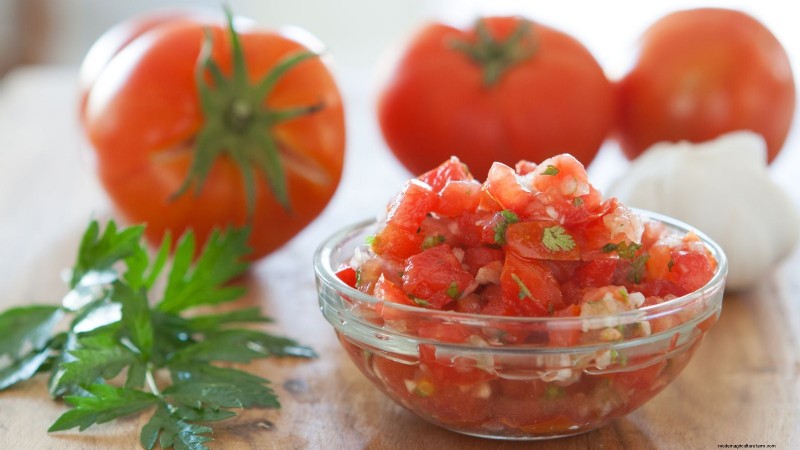
For salsa, paste or “mash‑up” tomatoes work best because they offer maximum flavor and low water content. Paste tomatoes are ideal because they produce thick, juicy flesh and fewer seeds—perfect for creating a deeply‑flavored, rich salsa.
When choosing a variety, look for those that also perform well in sauces. The most prized paste tomatoes—such as romas and San Marzanos—are naturally abundant and provide excellent flavor, aroma, and texture for salsa.
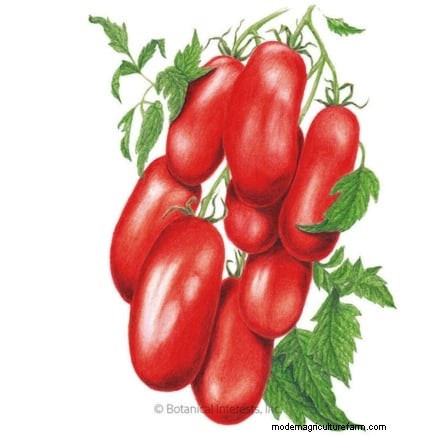
Botanical name: Solanum lycopersicum ‘Supremo Bush Roma’
Sun requirement: Full sun
Height: 3 ft
Hardiness zones: 3‑11
As a determinate, the Supremo produces oblong, hearty fruits that are perfect for salsa. It yields 1.5‑2‑inch fruitlets within 68 days from transplanting and is highly disease‑resistant—thwarting Fusarium wilt, Verticillium wilt, root knot, bacterial speck, and spotted wilt. A go‑to for any salsa‑enthusiast.
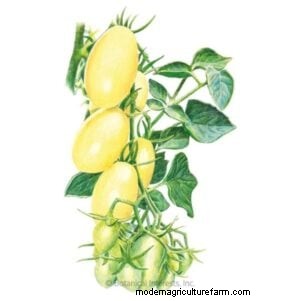
Botanical name: Solanum lycopersicum ‘Cream Sausage’
Sun requirement: Full sun
Height: 3 ft
Hardiness zones: 3‑11
These yellow, roma‑like tomatoes add a bright‑fleshy, sweet taste that’s perfect for contrast. Harvest when the fruit is about 3 inches long, then use the firm, juicy texture to enhance salsa.
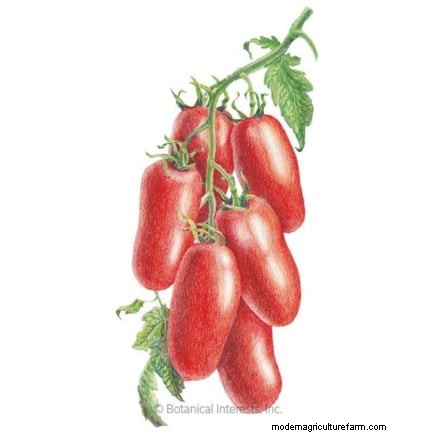
Botanical name: Solanum lycopersicum ‘San Marzano Roma’
Sun requirement: Full sun
Height: 6+ ft
Hardiness zones: 3‑11
Known as the “mother of all paste tomatoes,” the San Marzano offers a smooth, flavorful base ideal for salsa. Its indeterminate growth provides continuous fruiting throughout the season.
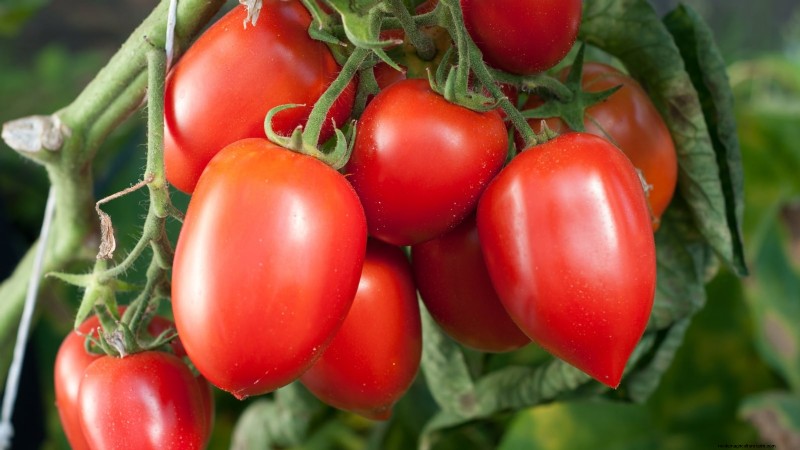
Botanical name: Solanum lycopersicum ‘Amish Paste’
Sun requirement: Full sun
Height: 5‑7 ft
Hardiness zones: 3‑11
Praised for its sweet, tangy flavor, the Amish Paste delivers a juicy, flavorful salsa. It’s an heirloom that earned the Slow Food USA Ark of Taste award.
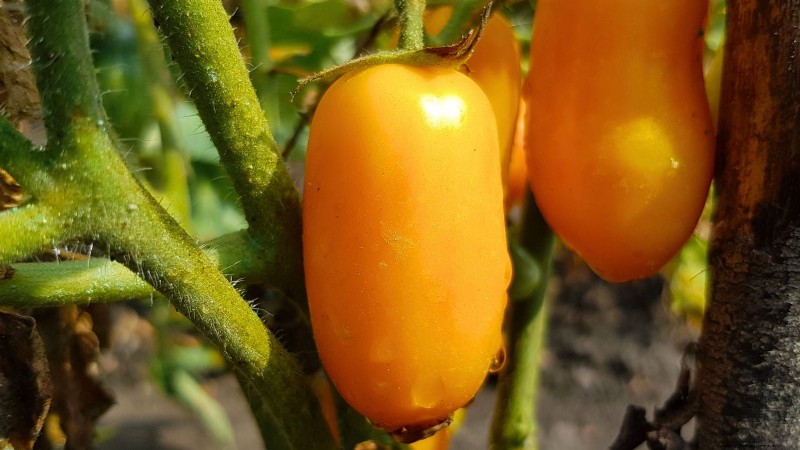
Botanical name: Solanum lycopersicum ‘Italian Gold’
Sun requirement: Full sun
Height: 4‑5 ft
Hardiness zones: 3‑11
With its vibrant orange hue and minimal seeds, this tomato is an excellent choice for salsa, offering a sweet‑and‑sour flavor that enhances the dish’s profile.
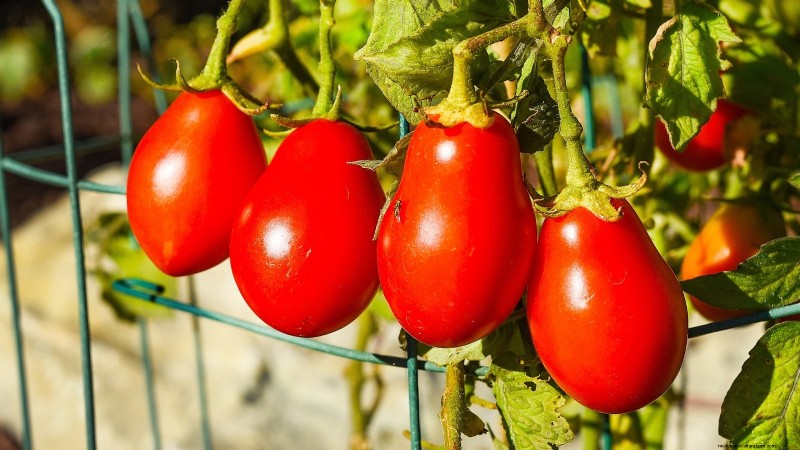
Botanical name: Solanum lycopersicum ‘Italian Roma’
Sun requirement: Full sun
Height: 3 ft
Hardiness zones: 3‑11
Another determinate classic, the Italian Roma delivers 3‑inch fruits in about 80 days. Ideal for salsa, it can be grown in containers, raised beds, or the ground.
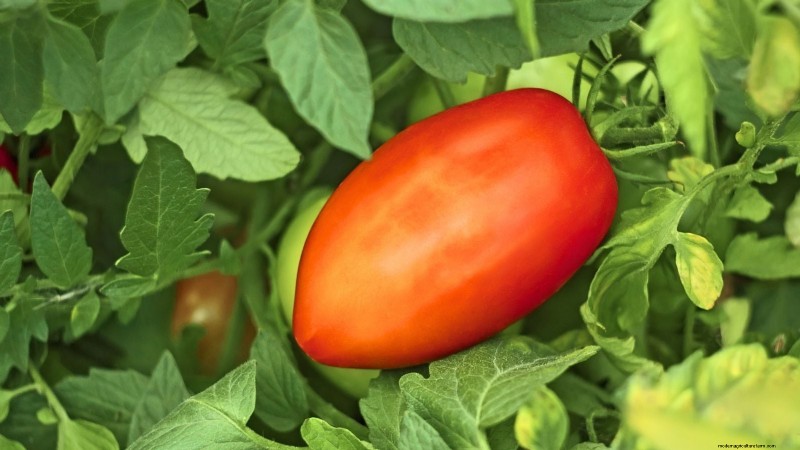
Botanical name: Solanum lycopersicum ‘Hogheart’
Sun requirement: Full sun
Height: 4‑6 ft
Hardiness zones: 3‑11
Named for its distinctive shape, the Hogheart produces thick, flavorful fruit that thrives in warm climates and is highly suitable for salsa.
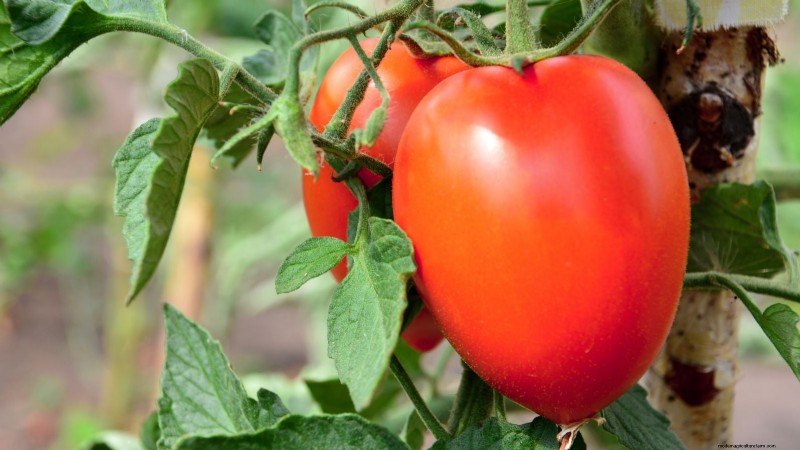
Botanical name: Solanum lycopersicum ‘Granadero’
Sun requirement: Full sun
Height: 5 ft
Hardiness zones: 3‑11
Granadero’s indeterminate vines produce uniform, oval fruit and excellent disease resistance, ensuring a steady supply of salsa‑ready tomatoes.
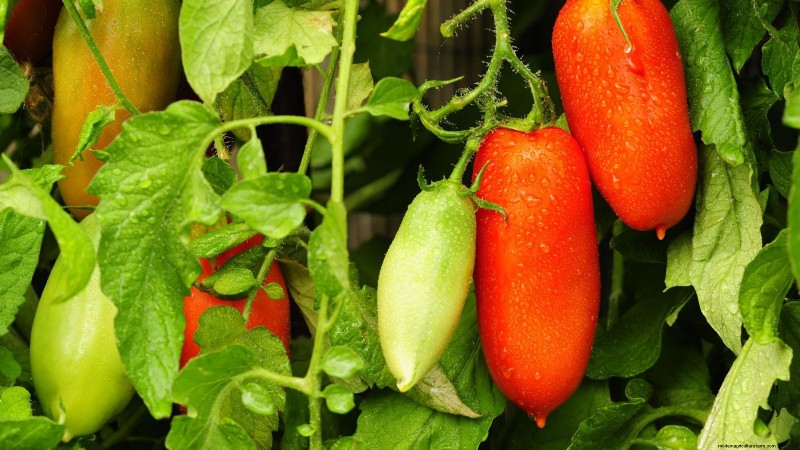
Botanical name: Solanum lycopersicum ‘Opalka’
Sun requirement: Full sun
Height: 4‑8 ft
Hardiness zones: 3‑11
Originating in Poland, Opalka produces few‑seed, coreless fruit with dry flesh—perfect for paste and salsa. Preserve the seeds for future seasons.
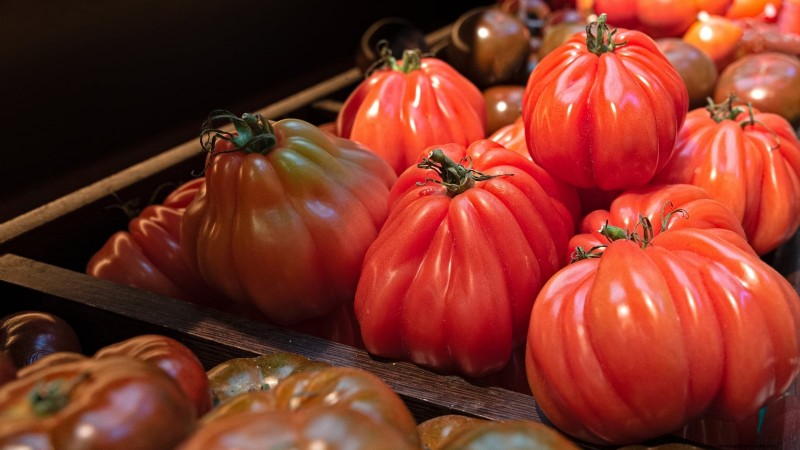
Botanical name: Solanum lycopersicum ‘Oxheart’
Sun requirement: Full sun
Height: 6+ ft
Hardiness zones: 3‑11
Also called ‘Cuore Di Bue,’ this slicer doubles as a dense paste tomato. Its pear‑shaped fruit excels in salsa, especially when roasted.
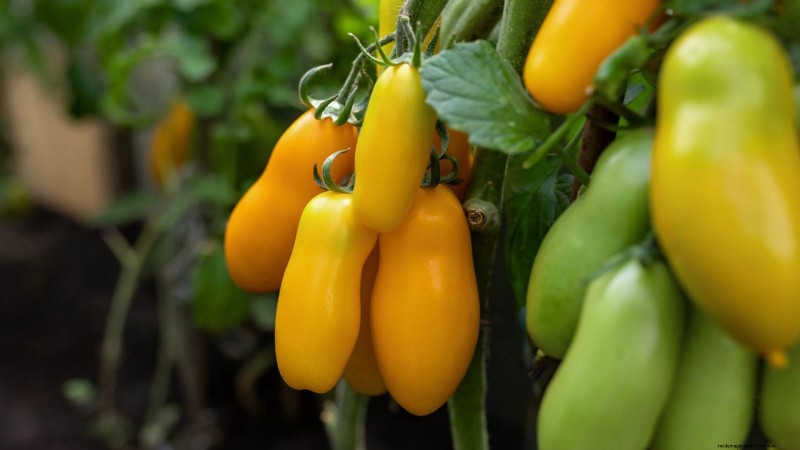
Botanical name: Solanum lycopersicum ‘Roman Candle’
Sun requirement: Full sun
Height: 6‑8 ft
Hardiness zones: 3‑11
With a spontaneous mutation from the striped ‘Swenson’s Speckled Roma,’ Roman Candle offers thick, yellow‑orange fruit that resists cracking and adds a sunny burst to salsa.
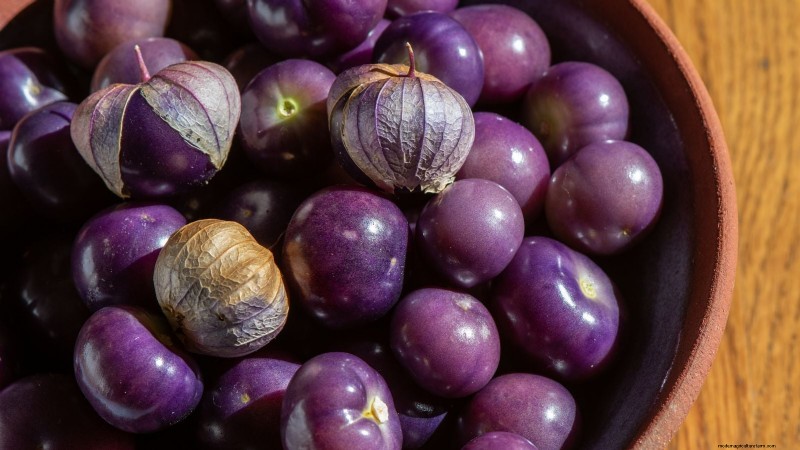
Botanical name: Physalis philadelphica ‘Purple’
Sun requirement: Full sun
Height: 20 in
Hardiness zones: 3‑11
Not a tomato, but a purple tomatillo, it packs antioxidants and anthocyanins. Its sweet flavor pairs well with mango or pineapple, and it thrives in high heat.
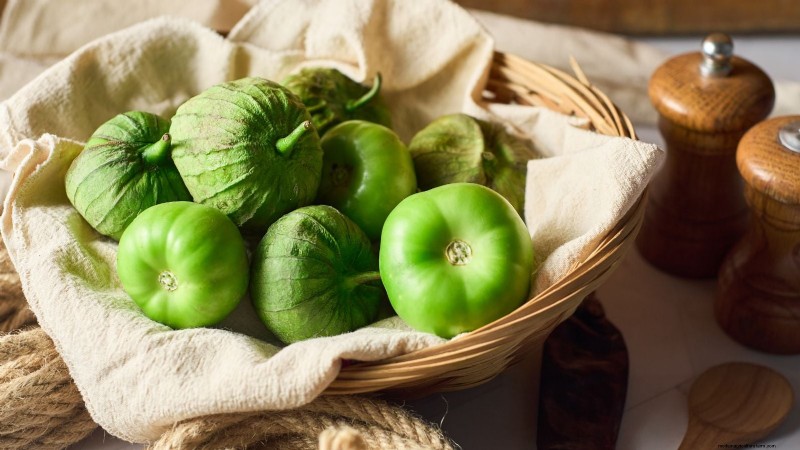
Botanical name: Physalis philadelphica ‘Grande Rio Verde’
Sun requirement: Full sun
Height: 2 ft
Hardiness zones: 3‑11
Ideal for salsa verde, this heat‑tolerant tomatillo stays productive even in triple‑digit temperatures, making it a resilient choice for midsummer harvests.