
Welcome to Modern Agriculture!

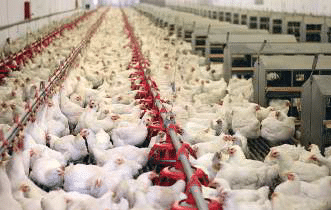
The design should facilitate productivity and profit. Some factors to consider when building a poultry house include:
Dr Dhia Alchalabi, a poultry industry expert, says: “Poultry houses must take advantage of prevailing airflow patterns.” An optimal poultry house location has the following
benefits:
Make sure your poultry farm will cause minimal interruption to their routines.
Do not locate your poultry farm close to schools and homes because of odours, dust, feathers, noise, and water quality. Location of your other buildings: Consider your most optimal layout and ensure there is ample space and that helps improve your production.
Locate your farm in an even area. Low-lying lands carry the risk of flooding out your enterprise. Ensure that the long axis of the poultry house is in an east-west direction to minimize direct sunlight.
runoff water:
This prevents dampness in the poultry structures that can affect the comfort of your birds. Grass-covered grounds will also minimise soil erosion.
Consider delivery of inbound-feed, chicks, and outbound- birds
Your plan should be easy to enlarge.
Provide ample space for the processing of litter.
How big should my poultry house be? The number of birds is the principal factor to consider
when constructing a poultry house. This is referred to as ‘minimum floor space allowance per bird’ (stocking density). The poultry house size depends on the size of your flock, feeding, and watering equipment. The width and length of a chicken house, therefore, depends on the age of the birds. Less floor space can increases bird stress from poor ventilation, overheating, and aggression.


