Welcome to Modern Agriculture!


With over 15 years of hands‑on experience in garden design and maintenance, Glen Chandler has spent countless hours cultivating Asiatic lilies. His practical insights help growers nurture these striking perennials so they deliver vivid, healthy blooms year after year.
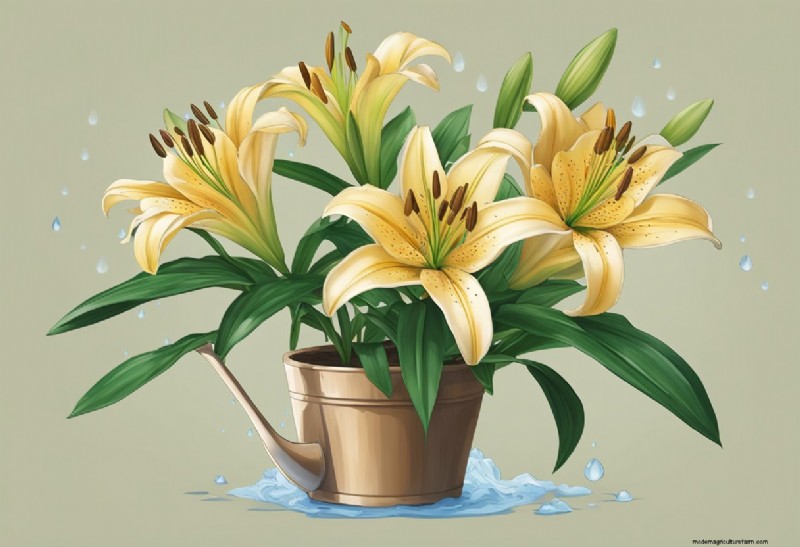
Asiatic lilies thrive when the soil remains consistently moist but never waterlogged. A simple rule: feel the top inch of soil—if it’s dry, it’s time to water. During hot, dry summers, this often means watering every 1–2 days. In winter, reduce watering drastically to avoid bulb rot.
These lilies prefer full sun and well‑draining soil, essential for robust growth and spectacular blooms.
Plant bulbs in early spring or early summer after the last frost. This timing gives roots ample time to establish before the blooming season.
Use a loose, well‑draining mix—combining garden soil, compost, and peat moss—to retain moisture while allowing excess water to escape. Mulch the bed with straw or shredded leaves to keep roots cool and reduce evaporation.
Maintain soil that feels damp but not soggy. Water once a week during normal growth, adding an extra inch of water during peak heat. Feed with a balanced 10‑10‑10 NPK fertilizer in early spring, then switch to a high‑phosphorus formula during bloom to boost flower development. Organic options like compost tea or bone meal can supplement nutrients.
Monitor for aphids—treat with soapy water or insecticidal soap. Deer damage can be mitigated with repellents or barriers. Botrytis blight, a common fungal issue, is best prevented by ensuring good air circulation and applying a preventative fungicide if needed. Remove any affected foliage promptly.
Cut spent flowers just below the bud to discourage seed formation. Prune yellow or damaged leaves to redirect energy to the bulb and prevent disease spread. Leave foliage until it naturally dies back to conserve nutrients.
After the first frost, apply a 3–4 inch layer of straw mulch to insulate bulbs. Every 3–4 years, divide bulbs in the fall to avoid overcrowding and promote vigorous growth.
⚠️ Safety Notice – Asiatic lilies are toxic to cats. Dispose of cuttings and dead foliage in a sealed bag to prevent accidental ingestion.