Welcome to Modern Agriculture!

Glen Chandler is a seasoned gardener with more than 15 years of hands‑on experience in maintenance, design, and landscaping. When he’s not enhancing client gardens, he shares his knowledge through this blog.
Planting vegetables in Illinois is rewarding when you follow the right schedule. Most vegetables thrive when planted after the last frost date. Illinois covers USDA Hardiness Zones 5–7, so knowing your local zone is essential for a successful harvest.
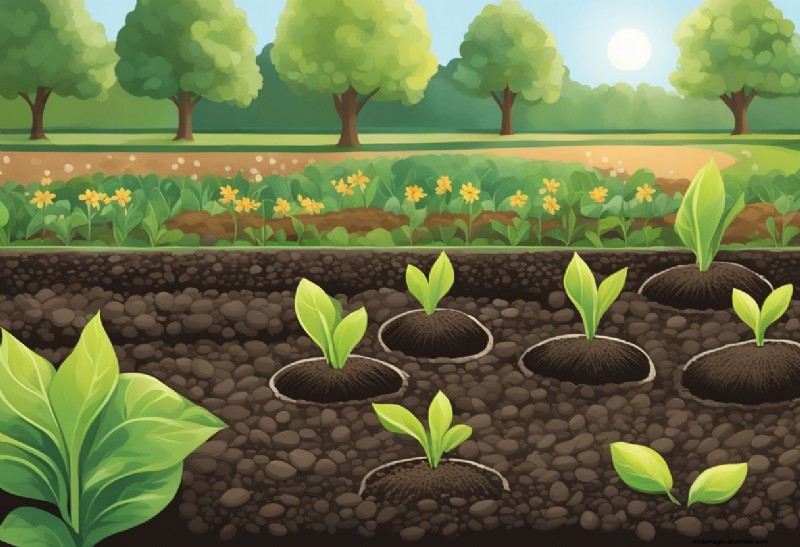
My experience shows that timing is everything. Tomatoes, peppers, and corn should be sown after the frost risk ends, typically late May to early June. Cooler crops such as radishes, lettuce, and kale can be planted in early spring or again in late summer for a second crop, extending the season into fall.
Illinois weather can swing from warm and sunny to cool and wet quickly, so a region‑specific planting calendar is invaluable. Whether you garden in a suburban backyard or a community plot, thoughtful planning pays dividends. 🌱
To guarantee a fruitful garden, assess your local climate, hardiness zone, and planting calendar. These elements guide your crop selection and timing.
Illinois spans several USDA hardiness zones: Northern Illinois (5a–5b), Central Illinois (6a), and Southern Illinois (6b–7a). These zones help determine which plants can survive winter temperatures in your area.
Why This Matters
Choosing plants suited to your zone improves survival and growth.
I always consult the USDA Plant Hardiness Zone Map before selecting perennials. Though most vegetables are annuals, zone knowledge guides timing and variety choices.
Pick crops that match your climate. Northern Illinois favors cool‑season vegetables such as carrots and lettuce, which thrive in cooler temperatures. Central Illinois supports a wide range of warm‑season crops like tomatoes and peppers. Southern Illinois offers a longer growing season ideal for heat‑loving crops such as corn and cucumbers.
Water Requirements: Cucumbers need steady moisture; tomatoes prefer deep, less frequent watering.
When selecting seeds or seedlings, consider starting indoors—especially in northern and central regions—to give your crops a head start.
Identify the first and last frost dates for your area:
Key Planting Dates
A detailed planting calendar—whether printed or digital—ensures you sow at the optimal times. Mark dates in a planner to stay on track.
Understanding your region’s unique climate will significantly improve your gardening success. Happy planting! 🌱
Healthy soil and well‑structured beds are the foundation of a thriving vegetable garden. They improve drainage, root expansion, and overall plant vigor.
Start with a soil test to determine pH. Most vegetables prefer a pH of 6.0–7.0. If acidic, add lime; if alkaline, incorporate elemental sulfur.
Loamy soil—balanced sand, silt, and clay—is ideal. For heavy clay soils, mix in compost or well‑rotted manure to enhance drainage. Sandy soils benefit from organic matter to retain moisture and nutrients.
Apply 2–3 inches of compost in early spring, then incorporate it to a depth of 6 inches.
Choose a spot that receives 6–8 hours of direct sunlight daily. Avoid low areas prone to standing water.
Raised beds warm faster in spring, allowing an earlier start. Use untreated wood or recycled plastic to prevent chemical leaching.
Maintain 18–24 inches between beds to allow easy access and reduce soil compaction.
Well‑positioned beds set the stage for a productive season. 🌱🌷
Timing and technique are critical when planting in Illinois. Whether starting indoors, transplanting, or direct sowing, each method demands attention to detail.
Begin with high‑quality seeds and seed‑starting mix. Use seed trays, lightly covering seeds with mix. Maintain moisture with a spray bottle and keep trays in a warm spot (65–75°F). Provide 12–16 hours of light via grow lights or a sunny window.
Once seedlings develop true leaves, pot them up into larger containers to strengthen root systems before transplanting outdoors.
Harden off seedlings over a week by gradually exposing them to outdoor conditions. Place them in shaded spots for a few hours daily, increasing sun exposure gradually.
Plan transplants around the last frost date (mid‑April to early May). Space tomatoes, peppers, and pumpkins 24–36 inches apart to ensure optimal growth.
Dig holes slightly larger than the root ball, place the seedling, and backfill to the first set of true leaves.
Direct sow root vegetables (carrots, radishes) and leafy greens (spinach, lettuce) after the soil warms in early spring.
Plant seeds at recommended depths: radishes ½ inch deep and 1 inch apart; peas 1 inch deep and 2 inches apart. Water gently to avoid disturbing seed placement.
Thin seedlings to allow proper spacing, ensuring each plant receives sufficient light and nutrients.
Cool‑season vegetables (radishes, lettuce) thrive in early spring; warm‑season crops (tomatoes, eggplant) should be planted after the last frost, around mid‑May. Kale tolerates early frost and is suitable for both early spring and late summer plantings.
Root vegetables such as carrots, beets, and turnips perform best in sandy soil due to its excellent drainage.
Use the hill method for warm‑season crops: create small mounds to improve drainage and root spread.
Maintain a soil pH of 6.0–7.0 and regularly test to adjust as needed for crops like cabbage, beans, and sweet potatoes.
Late fall harvests benefit from crops like cabbage, carrots, and kale, which can tolerate light frosts and may develop richer flavor after a cold snap.
Plant onion sets and garlic cloves in the fall to allow a cold period that enhances bulb formation. Choose a sunny, well‑drained site.
Because Northern Illinois has a shorter growing season, start planting two weeks later than in central or southern regions. Always monitor the last frost date to time your planting accurately.