
Welcome to Modern Agriculture!


Glen Chandler is a seasoned gardener with over fifteen years of hands‑on experience in garden maintenance, design, and landscaping. When he’s not creating stunning outdoor spaces, he shares his knowledge through this blog.
In my gardening career, I’ve often seen the debate between Miracle‑Gro and organic fertilizers. Advocates of organic gardening emphasize that natural composting and soil‑enrichment practices create a more sustainable and eco‑friendly environment. They argue that a garden thrives best when it is nurtured by organic matter that supports the microorganisms and earthworms essential for healthy soil. Conversely, many casual gardeners reach for Miracle‑Gro for its promise of quick, robust plant growth and its ready‑to‑use formula.
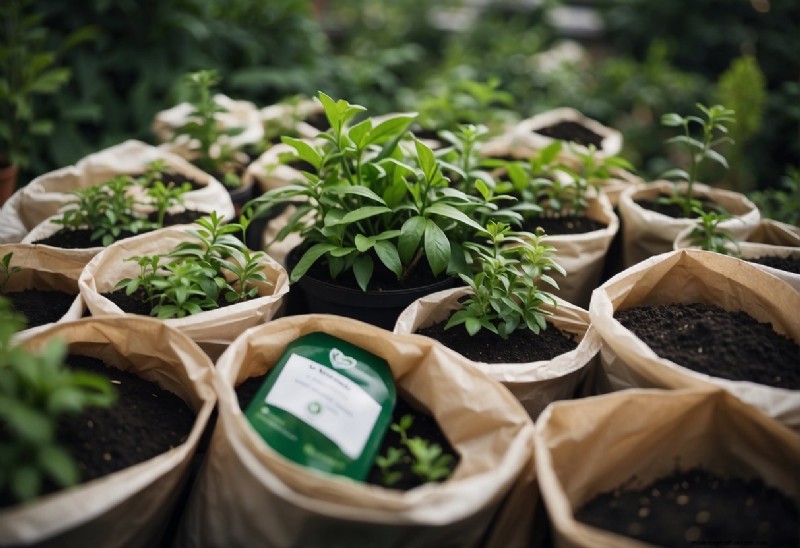
Despite its popularity, there are valid reasons to be cautious about using Miracle‑Gro. It is a synthetic fertilizer, meaning it is composed of chemical compounds, including water‑soluble nitrates. The primary concern with synthetic fertilizers is the potential harm they can inflict on the complex ecosystem within the soil. Over time, the high levels of nutrients, especially nitrogen, can disrupt the natural balance, damaging beneficial microbes that plants rely on. Continued use can lead to soil degradation and, paradoxically, make plants dependent on chemical fixes rather than on the natural fertility of the dirt.
💥 Quick Takeaway
While Miracle‑Gro can deliver short‑term growth benefits, it may also contribute to long‑term soil deterioration, undermining a garden’s future health and productivity.
Choosing the ideal fertilizer starts with understanding the nutrient requirements of your plants, deciding between organic and synthetic options, and tailoring your choice to the results of a soil test.
The nitrogen (N), phosphorus (P), and potassium (K) that make up a fertilizer’s N‑P‑K ratio are the primary macronutrients required for plant growth. I always examine the N‑P‑K ratio on a fertilizer label: a high‑nitrogen formula is perfect for leafy growth, while a balanced mix better supports flowering plants.
Nitrogen: Essential for foliage development.
Phosphorus: Critical for root development and flower formation.
Potassium: Supports overall plant health.
When I select fertilizers, I prioritize the benefits of organic systems—improving soil structure and supporting microbial life. Organic fertilizers release nutrients slowly, giving plants a steady supply over time. In contrast, synthetic products such as Miracle‑Gro offer instant results but can degrade soil health, reducing fertility in the long run.
💡 Tip – Organic matter boosts the soil’s capacity to retain water and nutrients.
Soil testing informs me of the exact nutrient needs of my garden. The data help me choose a fertilizer that addresses specific deficiencies instead of applying a broad‑spectrum product that may cause nutrient imbalances.
For example, if a soil test indicates excess phosphorus, I’ll select a formula with lower phosphorus content to avoid harming both my plants and the environment.
⚠️ Warning – Over‑fertilization can “burn” plants and pollute water sources.
💥 Quick Takeaway
For a sustainably thriving garden, focus on long‑term soil health rather than instant growth.
Healthy soil is the foundation of sustainable gardening. I concentrate on enhancing soil structure now to preserve its future fertility.
Compost is the cornerstone of soil health. Its nutrient‑rich profile turns waste into valuable plant food and nourishes soil microbes. By adding compost, I create a living system that continuously supplies nutrients.
Mulch protects the soil, reduces evaporation, and moderates temperature fluctuations. It also suppresses weeds, making it a practical addition to any garden.
The soil food web—bacteria, fungi, worms, and other organisms—creates a self‑regulating system that transforms organic material into usable nutrients. I nurture this web by avoiding chemicals that would damage these delicate communities. Instead, I use natural amendments that enhance soil vitality.
In my garden, I use amendments like bone meal, greensand, or rock phosphate to address specific fertility or structural issues. These organic inputs deliver the needed minerals without the long‑term drawbacks of synthetic fertilizers.
Regularly adding organic matter improves nutrient retention and strengthens the soil’s biological community, which is essential for long‑term health.
As a gardener, I recognize the environmental impact of fertilizers like Miracle‑Gro and focus on responsible use.
Improper application of synthetic fertilizers can contribute to water pollution. Overuse of Miracle‑Gro often results in runoff, carrying excess nutrients into waterways. This can trigger eutrophication and harmful algal blooms that damage aquatic life.
To prevent this, I follow best practices: soil testing to determine the exact amount needed, applying fertilizer during calm weather, and creating buffer zones of vegetation to absorb excess runoff.
Fertilizer use can affect more than just plant growth. Synthetic products can degrade soil health, damaging the soil’s biodiversity and the insects and other wildlife that depend on it. High nitrogen levels can harm beneficial organisms and diminish the resilience of ecosystems.
By choosing organic fertilizers and applying them judiciously, I have seen my local environment thrive, supporting a diverse array of flora and fauna—including pollinators like butterflies and bees.
Proper storage and application of fertilizers such as Miracle‑Gro are essential for maintaining their effectiveness and protecting your garden.
Store fertilizers in a cool, dry location to protect them from extreme temperatures and moisture. Specific tips:
Keep calcium‑phosphate and potassium‑sulfate fertilizers separate to avoid moisture absorption and chemical reactions.
Many gardeners overlook the fact that fertilizers have expiration dates. While these dates are a guideline, true shelf life depends on storage conditions:
💥 Note – A well‑stored granular fertilizer can remain effective for up to ten years.
Effective application relies on precision and timing. Here are key practices I follow:
⚠️ Warning – Misuse can damage plant health and the environment.


