Lavender is a bushy, strong-scented perennial plant from the Mediterranean. In warmer regions, its gray to green foliage stays evergreen throughout the year, and the herb thrives in some of the toughest of garden conditions. Here's how to plant, grow, and harvest lavender in the garden!
About Lavender
Prized for its fragrance, medicinal properties, and beautiful bluish-purple color, Lavandula angustifolia is a valued plant across the world. It also attracts pollinators to the garden.
The plant is not picky and will survive in a wide range of soils, even poor soil. (It grows in the Mediterranean in craggy crevices!) Its main requirements are lots of sun and good drainage.
Plant lavender along the entrance to your home, or near a seating area, or at the base of roses bushes to hide their twiggy "legs" in the wintertime.
Planting
When to Plant
- Lavender is best planted as a young plant in the spring, after the soil has warmed up to at least 60°F (15°C) and the threat of frost has passed.
- If planting in the fall, choose larger, more established plants to ensure their survival through the winter.
Choosing and Preparing a Planting Site
- Lavender thrives in most soil qualities, from poor to moderately fertile.
- If you have compacted or clay soil, add some organic matter to improve drainage. Learn more about soil amendments and preparing soil for planting.
- Keep away from wet, moist areas, which could encourage root rot.
Planting Lavender
- Lavender isn't easy to grow from seed; we recommend purchasing small starter plants from a garden nursery. Seeds may take up to three months to germinate and seedlings will need to be overwintered indoors in cool climates.
- You can try taking a cutting from a mature plant, too. Take a softwood cutting of several inches in the spring or later in the summer when stems are more mature.
- Plant lavender 2 to 3 feet apart. Plants typically reach between 1 and 3 feet in height.
- Add mulch (rock or pea gravel work particularly well) to keep weeds to a minimum. Keep the mulch away from the crown of the lavender plant, however, to prevent excess moisture and root rot.
Check out this video to learn how to plant lavender:
Care
How to Care for Lavender
- Water once or twice a week after planting until plants are established. Water mature plants every two to three weeks until buds form, then once or twice weekly until harvest.
- In colder growing areas, plants may need extra winter protection. Cover the plants with a winter mulch of evergreen boughs or straw, which will insulate from freezing winds and temperatures.
- Another option for cold areas is to grow lavender in a pot, keeping it outdoors in the summer and indoors in winter. While indoors, place the pot in a south-facing window with as much light as possible. Water sparingly, as the plant will be dormant at this time.
Pruning Lavender
In warm climates: all pruning can be carried out in the autumn.
In cooler climate: Prune established plants in the spring when green leaves start to emerge from the base of the plant. Remove approximately one third of the top to keep. the plant from becoming leggy and bare at the base. It's important not to cut back into old wood however, as it won't regrow from this. Leave the foliage over the winter to protect new growth from frosts,
Also, the flowering stems can be harvested while in bloom or snipped off after the flowers fade to keep the plant tidy.
Pests/Diseases
- Fungal diseases, in humid climates
- Root rot due to excess water (look for yellowing leaves as a sign of overwatering)
Recommended Varieties
- English lavender (Lavandula angustifolia) is most common and hardy to Zone 5. There are hundreds of varieties available in many colors and sizes. It often blooms twice in one season.
- ‘Hidcote’: Compact, silver-gray foliage, deep purple flowers.
- ‘Munstead’: Compact, green foliage, violet-blue flowers.
- Lavandins (L. x intermedia)—a hybrid of English and Portuguese lavender (L. latifolia)—are generally larger plants that bloom only once per year, later in the summer.
- ‘Phenomenal’: Vigorous variety that is highly tolerant of heat and humidity and resistant to common root and foliar diseases. Long flower spikes.
- ‘Provence’: Vigorous, long-stemmed variety, very fragrant.
- Spanish lavender (L. stoechas) and French or fringed lavender (L. dentata) are typically only winter-hardy in Zones 7 to 9.
Harvest/Storage
How to Harvest Lavender
If you wish to harvest lavender, it's a wonderful herb for drying.
Store them in a lidded jar somewhere cool and dark, or pop them straight into a sachet to keep towels, sheets or clothes smelling sweet and to repel moths. If you suffer from insomnia, try inserting the sachets into a pillow so the calming scent can help you drift off to a restful slumber.
Although edible, lavender is little used in recipes. It's occasionally included as a constituent of Herbes de Provence mixes, and leaves can be chopped and added sparingly to some sauces or used in shortbread biscuits – if you have any great lavender recipes, feel free to share them in the comments below.
- Harvest the lavender stems when approximately half of the flower buds have opened.
- Harvest in the morning hours when the oils are the most concentrated.
- Snip off the stems just before the flowers open.
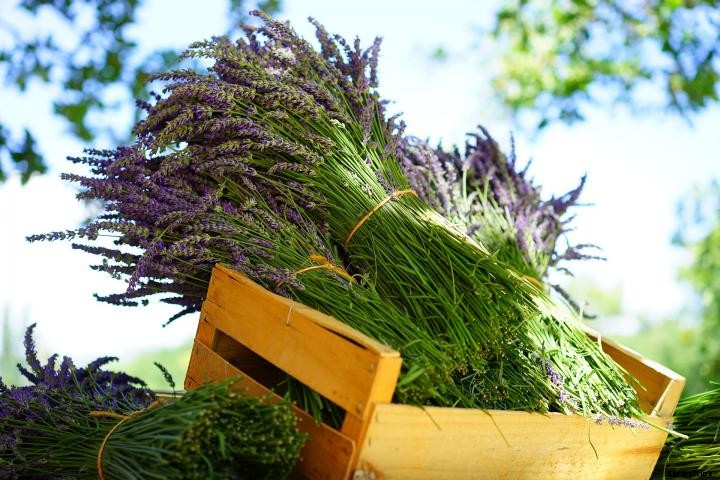
- Cut stems as long as possible. Gather into bundles and secure them with rubber bands.
- Dry the bundles of lavender by hanging them someplace sheltered, ideally a cool, dark place where there is good air circulation.
- After a few weeks the flowers will have dried fully, and can be shaken gently from the stems into a lidded jar. Or, use your lavender to make lavender sachets—a lovely gift.
- Use your lavendar sachet to keep your sheets or towels smelling sweet, to repel moths and insects, and even under your pillow for a restful night.
Wit and Wisdom
- Lavendar's first documented use was by the Romans in 77 A.D. for repelling insects and soothing insect bites. Add a lavender sachet to your towels, sheets, or cloths to repel moths.
- The herb is also known for its calming effects. If you suffer from insomnia, try slipping a lavender sachet into your pillow. Lavender oil is used to naturally induce sleep.
- Learn more about the benefits of lavender!
Recipes
Lavender Scones
Honey-Lavender Syrup
Cooking Notes
Lavender is edible. Its leaves can be chopped and added sparingly to some sauces or used in shortbread biscuits, See our lavender recipes above.


