Mint practically grows itself! Not only does mint add fruity, aromatic flavor to foods and tea, but also it’s useful for health remedies such as aiding digestion and relieving headaches. All you need to do is confine this spreading perennial herb to a container or confined bed to keep it from taking over your yard! See tips on planting, growing, and controlling mint!
About Mint
Mint is a perennial herb with very fragrant, toothed leaves and tiny purple, pink, or white flowers. There are many varieties of mint—all fragrant, whether shiny or fuzzy, smooth or crinkled, bright green or variegated. However, you can always tell a member of the mint family by its square stem. Rolling it between your fingers, you’ll notice a pungent scent and think of candy, sweet teas, or maybe even mint juleps.
As well as kitchen companions, mints are used as garden accents, ground covers, air fresheners, and herbal medicines. They’re as beautiful as they are functional, and they’re foolproof to grow, thriving in sun and shade all over North America. Since mint can be vigorous spreaders, you simply have to be careful where you plant it.
Planting
- Mints are vigorous perennials that thrive in light soil with good drainage.
- Ideally, they prefer a moist but well-drained site, something like their native habitat along stream banks.
- Most will grow in sun or partial shade; the variegated types may require some protection from direct sun.
- For growing outdoors, plant one or two purchased plants (or one or two cuttings from a friend) about 2 feet apart in moist soil. One or two plants will easily cover the ground. Mint should grow to be 1 or 2 feet tall.
- Mint is a vigorous grower and needs to be contained or it will send out its runners and spread all over your garden. The key is to contain the plant’s roots. Whether it's in the ground or above ground, plant mint in a pot. We suggest each mint is planted in a 10-inch pot that has drainage holes. You can then sink this pot into the ground or another larger container of soil.
- If you fine with mint becoming a ground cover and understand that it may become invasive, plant in its own raised bed or separate area.
- In the garden, plant mint near cabbage and tomatoes—in pots, again, in order to prevent it from spreading and stealing nutrients from your crops!
Check out this video to learn more about how to grow mint.
Care
- Minimal care is needed for mint. For outdoor plants, use a light mulch. This will help keep the soil moist and keep the leaves clean.
- For indoor plants, be sure to water them regularly to keep the soil evenly moist.
- At first, mints develop into well-behaved–looking, bushy, upright clumps, but they soon set out to conquer new territory with horizontal runners and underground rhizomes. Unless you block the advance, a pert peppermint plant can turn into a sprawling 4-foot giant in just 1 year. It’s not the stuff of horror movies, however. Mints benefit from picking and pruning. They are shallow-rooted and easy to pull out, so there’s no reason to worry, as long as you provide physical barriers such as walls, walkways, or containers.
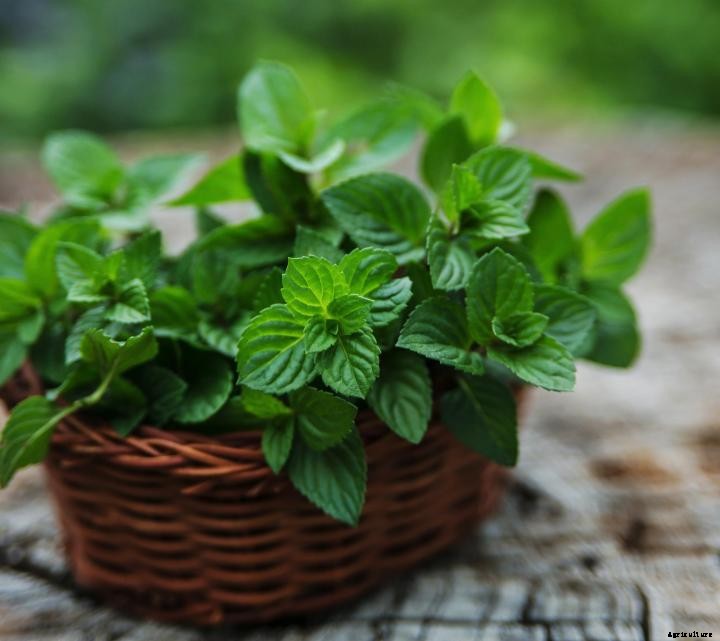
Photo Credit: Juta/Shutterstock
Pests/Diseases
- Powdery mildew
- Rust
- Leaf spot
- Anthracnose
- Stem canker
- Mice dislike the smell of peppermint. Spread it liberally where you suspect the critters. Mint is also considered a deer-resistant plant.
Recommended Varieties
- Apple/Pineapple Mint: Mentha suaveolens
- Corsican Mint: Mentha requienii
- Pennyroyal: Mentha pulegium
- Peppermint: Mentha x piperita
- Citrus Mint: Mentha x piperita var. citrata
- Spearmint: Mentha spicata
Harvest/Storage
- Frequent harvesting is the key to keeping mint plants at their best. Young leaves have more flavor than old ones, and mint can be harvested as soon as it comes up in spring. Although fresh is best and sprigs keep for a few days in water, mint leaves can be frozen or air-dried in bunches.
- Right before flowering, cut the stems 1 inch from the ground. You can harvest one mint plant two or three times in one growing season.
- You can also just pick the leaves as you need them.
- You can grow the plants indoors for fresh leaves throughout the winter. If you want to dry them, it's best to cut the leaves right before flowering. Store the dried leaves in an airtight container.
Propagating Mint
The best way to propagate mints is by taking cuttings from those that you like best. It’s easy—take 6-inch cuttings of rooted stems and plant them horizontally in the soil. Mint stems will also root in a glass of water. Start with a small cutting from an established plant. Any gardening friend will give you a cutting of a favorite mint.
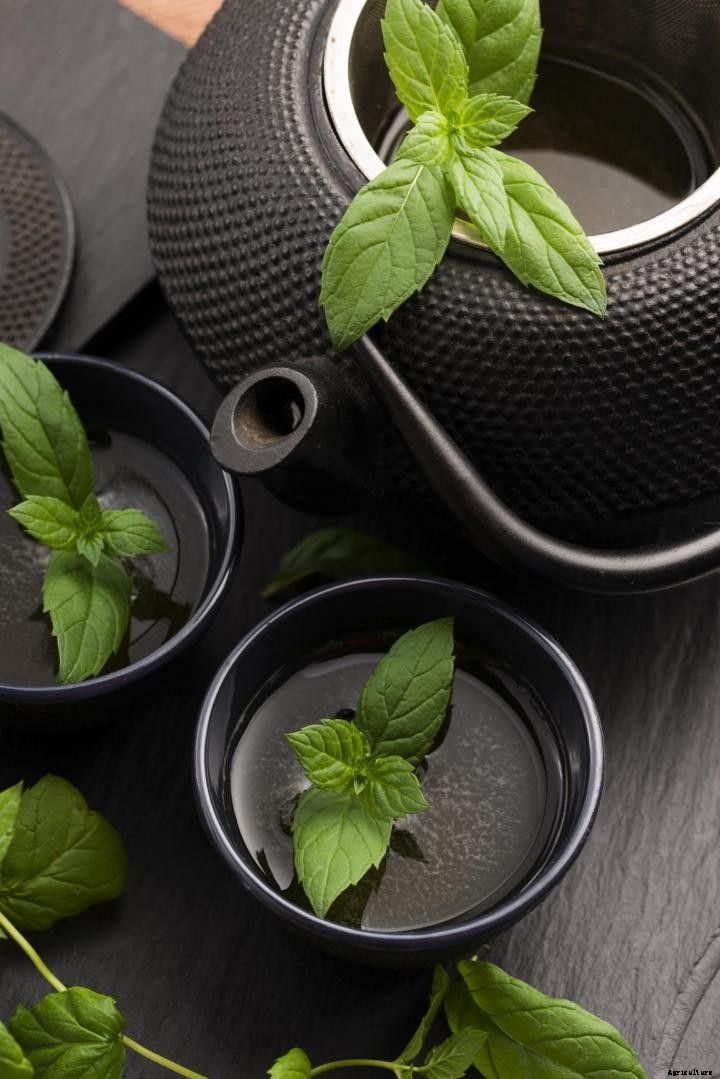
Photo Credit: Joannawnuk/Shutterstock
Wit and Wisdom
- To relieve a tension headache, apply a compress of mint leaves to your forehead. Rubbing the oil on your temples will relieve your headache. Learn more about the medicinal benefits and many uses of mint.
- Mint is a symbol for virtue. Find out more plant meanings here.
- Mint can also help to relieve stress and anxiety. Find out how to use your fresh mint as a calming herb here.
"If any man can name . . . all the varieties of mint, he must know how many fish swim in the Indian Ocean.” –Walafrid Strabo (c. 808–849)
Recipes
Cilantro and Mint Sauce
Mint Lemonade
Minted Fruit Mold
Cooking Notes
Serious cooks generally prefer spearmint for savory dishes and peppermint for desserts. For a delicate mint taste in fruit salads, yogurt, or tea, try apple or orange mint. Mint lurks in the background in Middle Eastern salads, such as tabouli, and does well with lamb. It also goes with peas, zucchini, fresh beans, marinades for summer vegetables, cold soups, fruit salads, and cheese.
See our recipe for a delicious (and healthy) Mango Mint Smoothie!
Credit: Anna Shepulova/Shutterstock
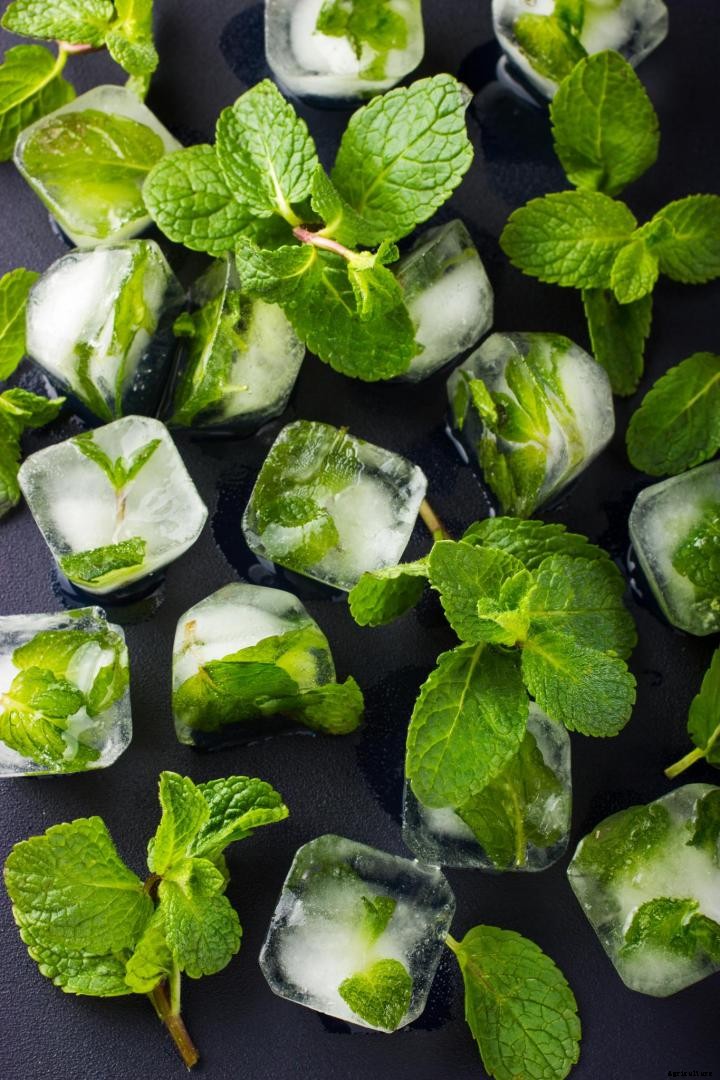
Tip! Make flavored ice cubes by freezing trays of strong mint tea, then use the ice cubes for your drinks!


