
Welcome to Modern Agriculture!

“The rose industry was moving off shore. It had been happening for a long time, but it got to the point where we couldn’t compete with the price of imported roses,” recalls Pinchbeck. The farm was started by his great grandfather and grandfather back in 1929, and was one of the last hold-outs in a town that once boasted more than 100 working farms.
Pinchbeck says an old college friend with a son on the autism spectrum asked him if he could pitch the idea around of using the farm for vocational training after learning of Pinchbeck’s plans to shutter the business. “That’s how it all got started,” says Pinchbeck.
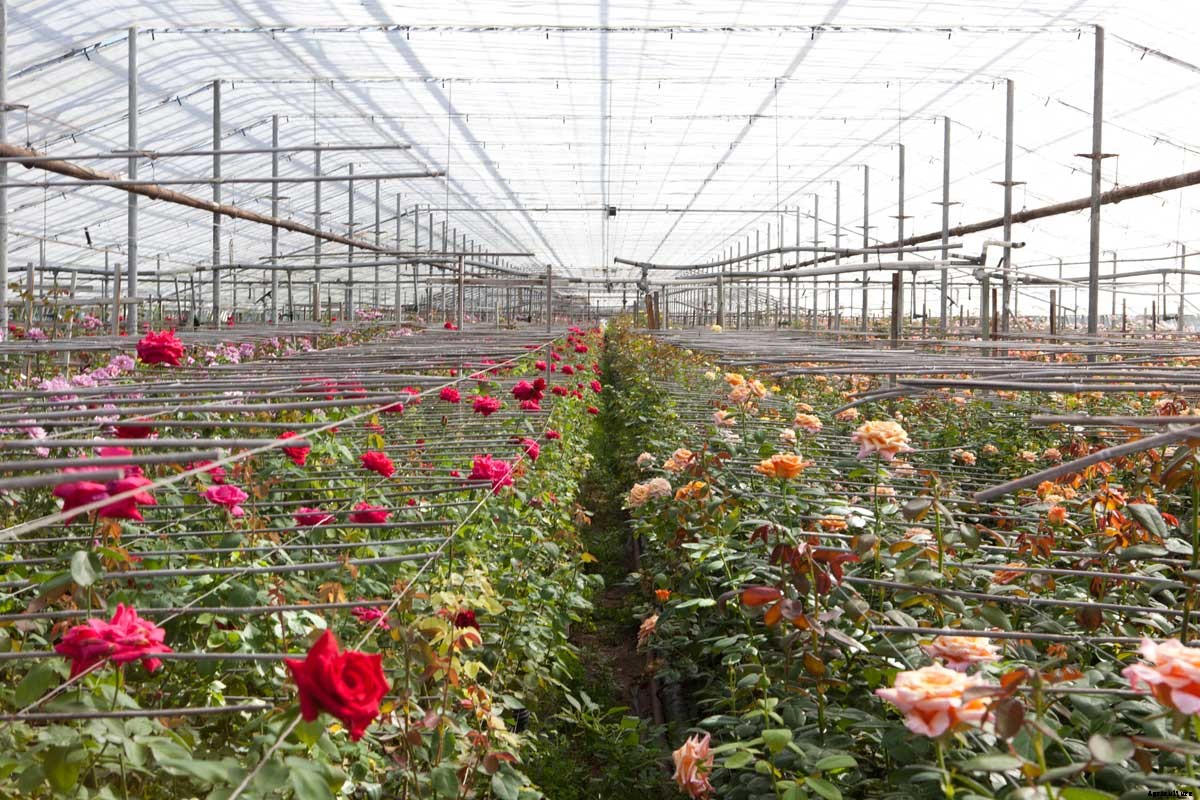
Roses fill the greenhouse at Pinchbeck Farms / Roses For Autism.
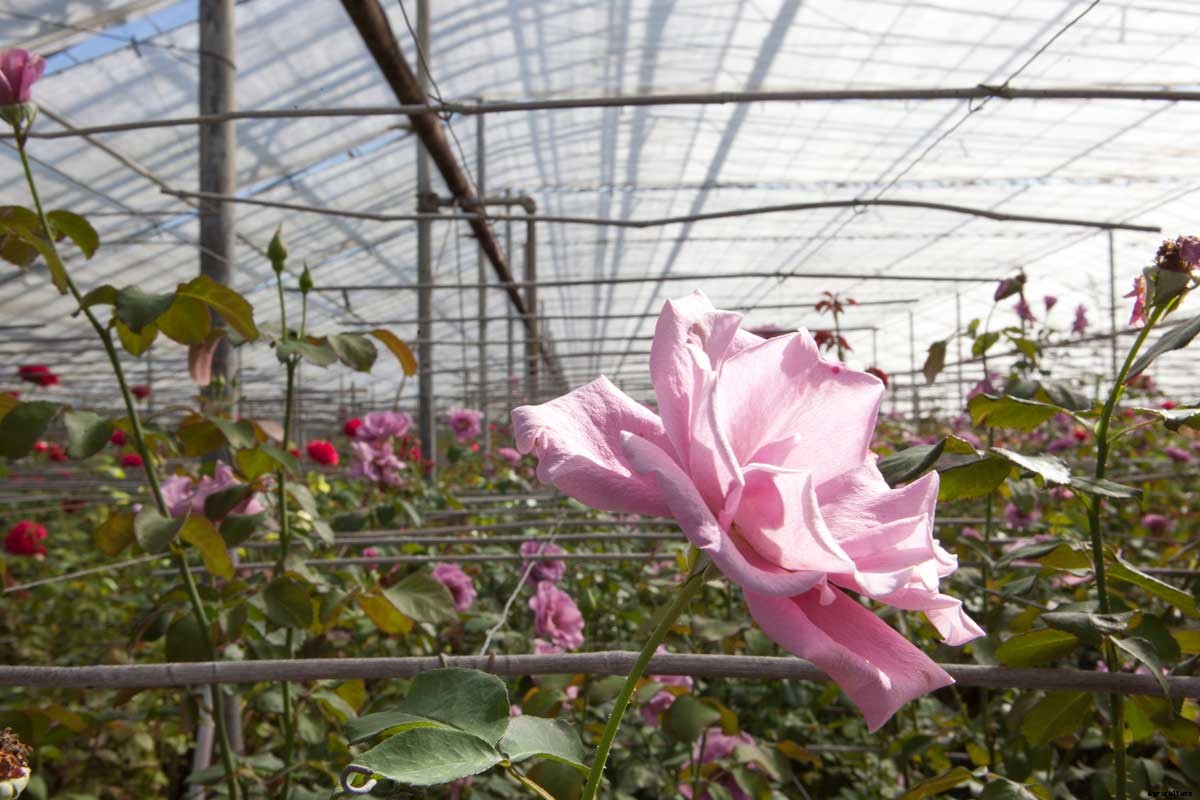
Inside the historic Pinchbeck Farm greenhouses.
In 2008, the farm partnered with Ability Beyond, a service organization for people with disabilities, to create Roses For Autism. It was a brilliant idea that kept a farming tradition alive and helped people with autism gain that all-important first job in a caring environment. Nine out of 10 adults with autism in the U.S. are either underemployed or unemployed, regardless of their IQ or education level, according to Autism Speaks, an advocacy organization.
Michelle Ouimette, who has been the program’s managing director for the past two years, says the career training program at the farm, called “Discover, Learn, Work,” provides a critical service. It’s also unique in that it provides employment during the transition period from high school to when people become eligible for adult services.
“This is so important for individuals with autism because often times they struggle with social skills,”says Ouimette. “Here they are able to work in a real business environment and have a chance not only to get work experience but to experience success and learn from their mistakes in a positive and supportive environment.”
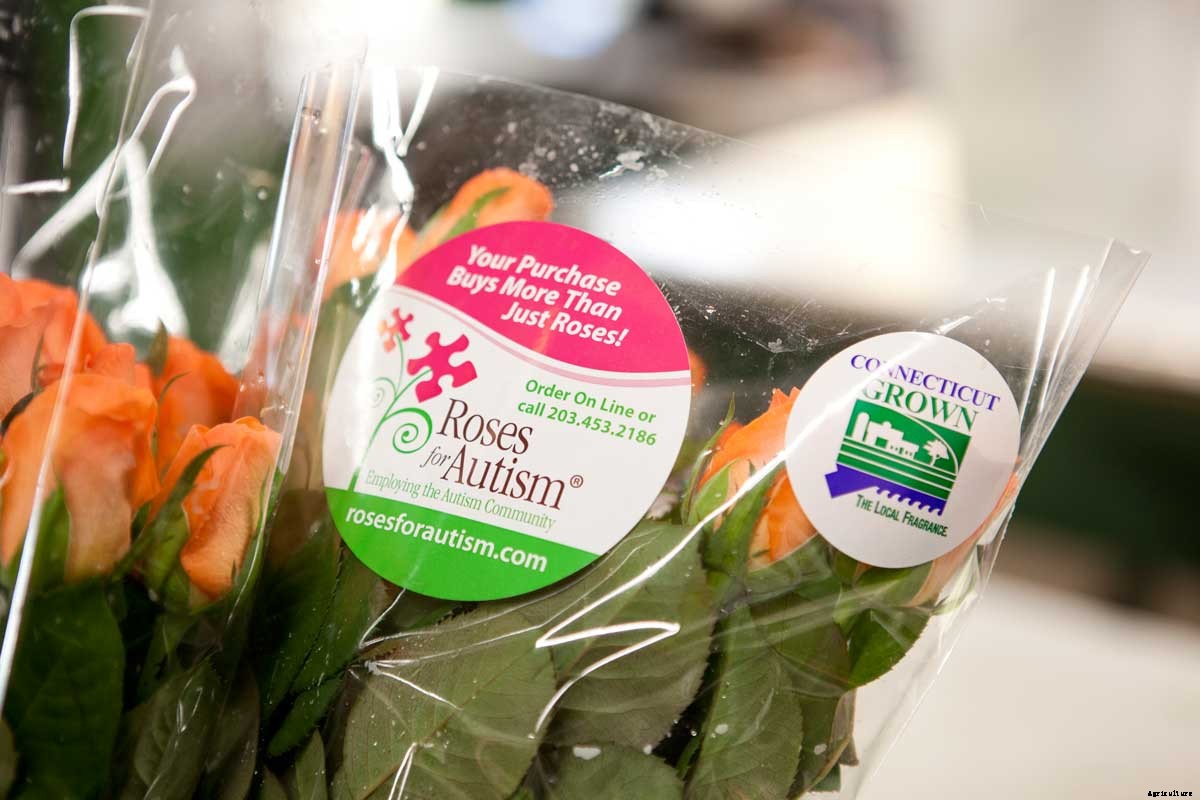
Connecticut-grown roses.
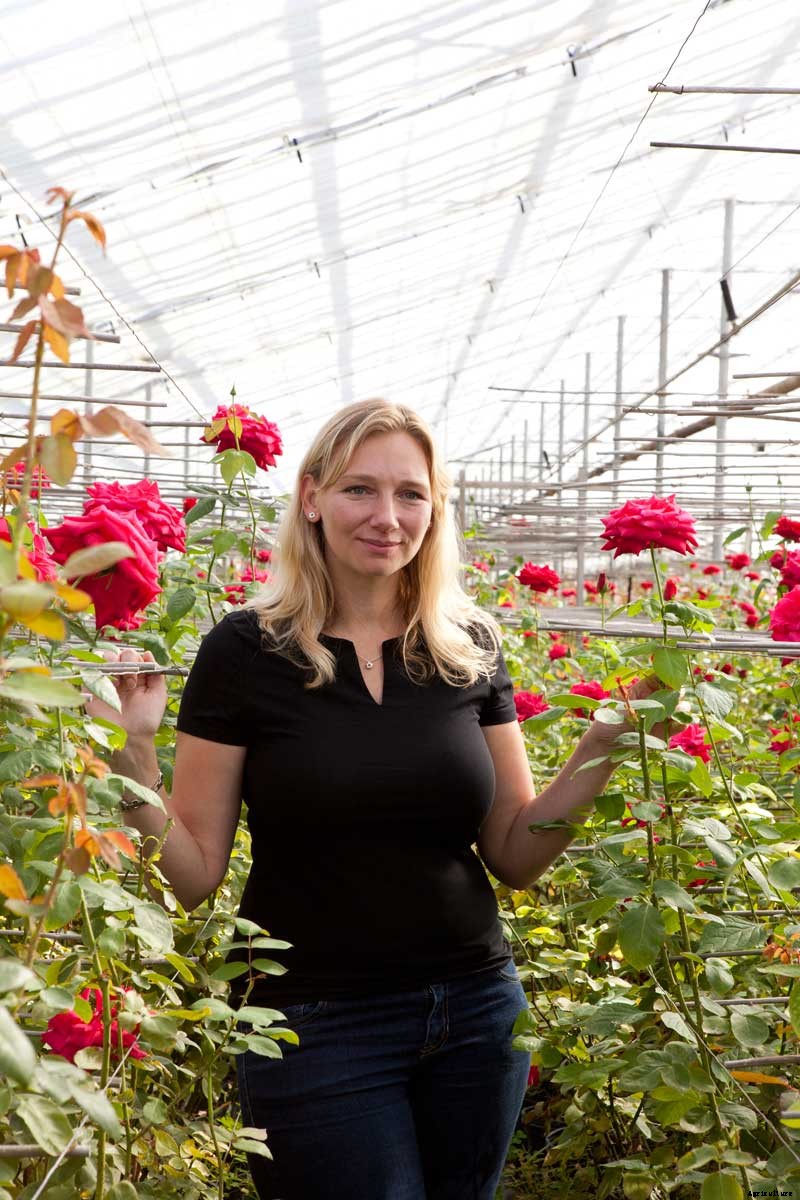
Michelle Ouimette, managing director of Roses For Autism, directs all aspects of the social enterprise, including the career-training program and horticulture business. She’s standing here with the Forever Yours roses.
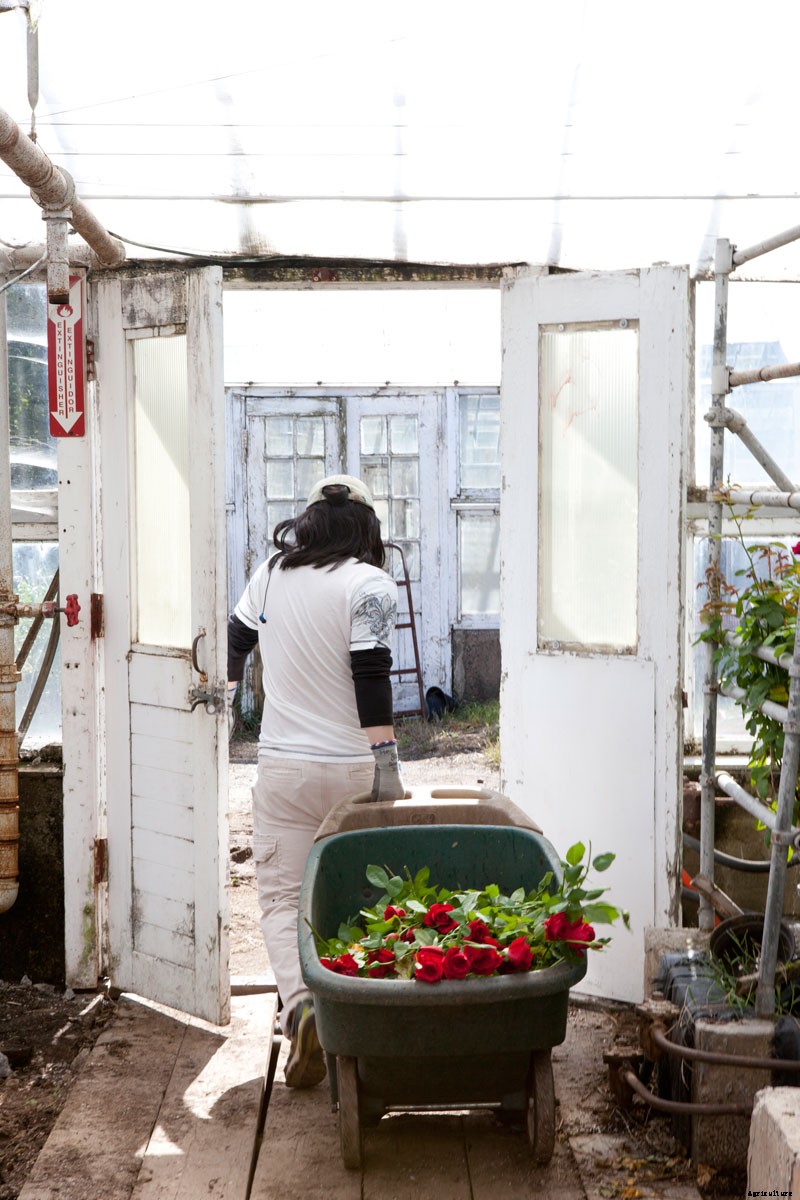
Ben, a participant, takes organic waste out to the compost pile.
Participants get to work in a real business and learn every aspect of how it operates – from the greenhouse to the retail store to e-marketing to growing and packing the flowers – while working side-by-side with non-disabled peers. Besides providing training at the farm, they are also given help with any continuing education they need, are matched up with local businesses for internships that relate to their career goals, and receive help with job placement.
Ouimette says that they have successfully placed “about two dozen people in positive and successful employment situations as they have come through this program.”
Steve Barrows, who has been working at Roses for Autism since 2009, says the program has taught him “a sense of discipline. It’s given me a strong work ethic and the confidence I need to go out and pursue my dream of owning my own mobile DJ business.” The 56-year-old says he enjoys pulling weeds and working in the packing room.
The original greenhouses built by Pinchbeck’s family back in the late 1920s and early ’30s, including a massive 1,200-feet-by-81-feet building that’s the largest single stand greenhouse in the state, are still in use. Roses for Autism leases the greenhouse space from Pinchbeck’s family and operates the business. “Realistically,” Pinchbeck says, “we operate together as sort of a partnership.” They grow year-round, sell their roses and a few other types of flowers at their retail store in Guilford, and online. They ship nationally.
“It’s been nice to keep the greenhouses going,” Pinchbeck says. “It’s nice to still see roses still growing in the houses. It makes me feel good to have activity here and new energy and all those great things.”
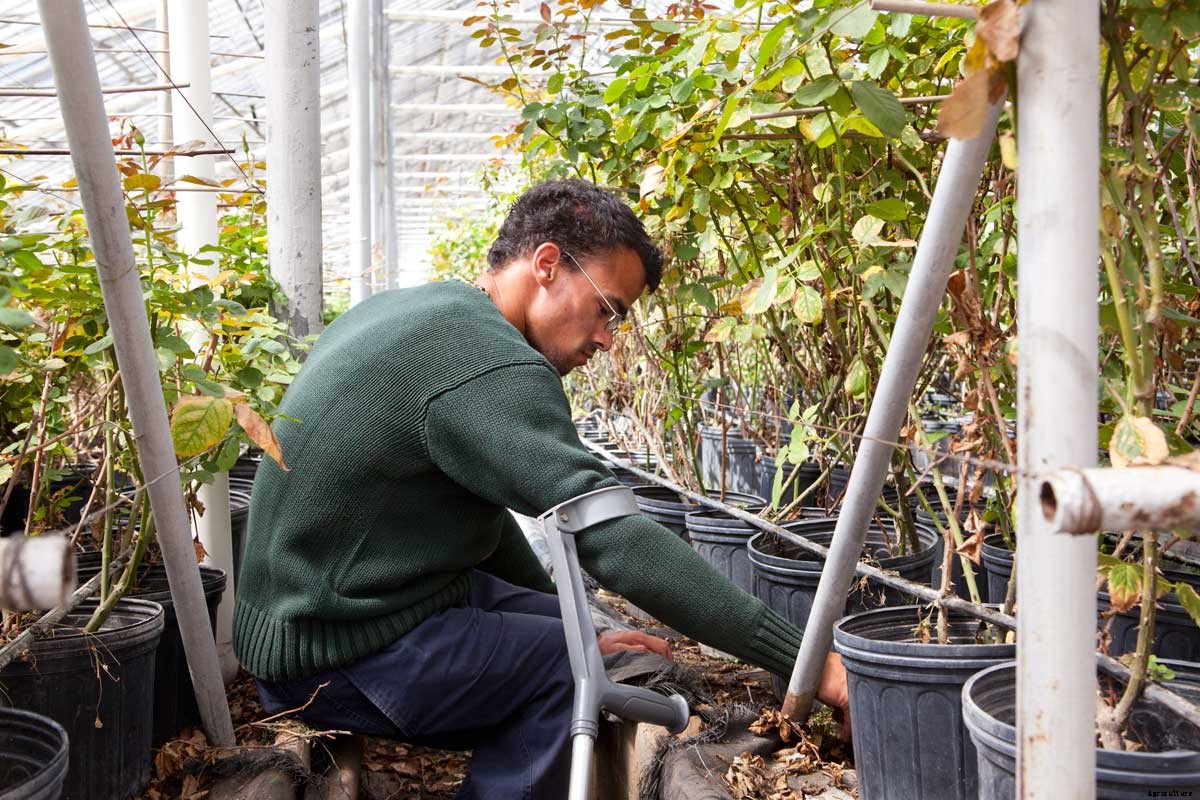
Participant Josh weeds in the greenhouse.
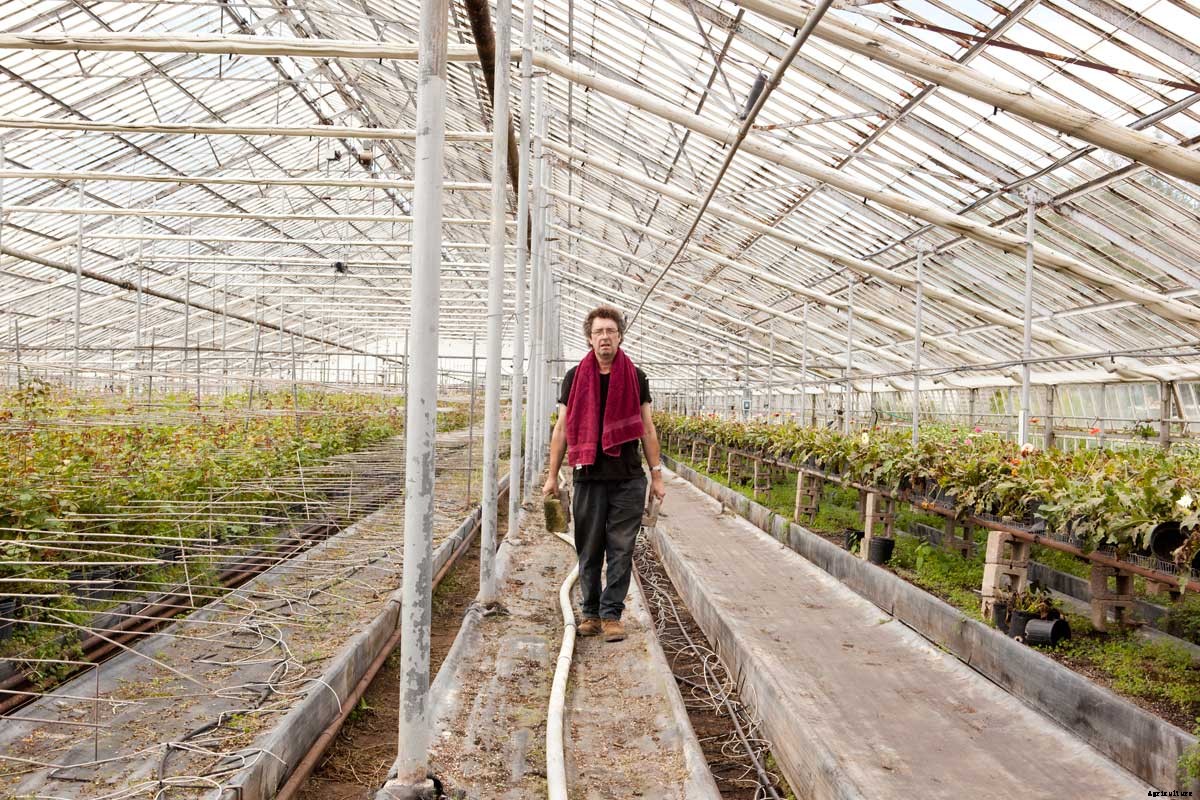
Steve, a greenhouse worker, moves cinder blocks in the greenhouse during his shift.
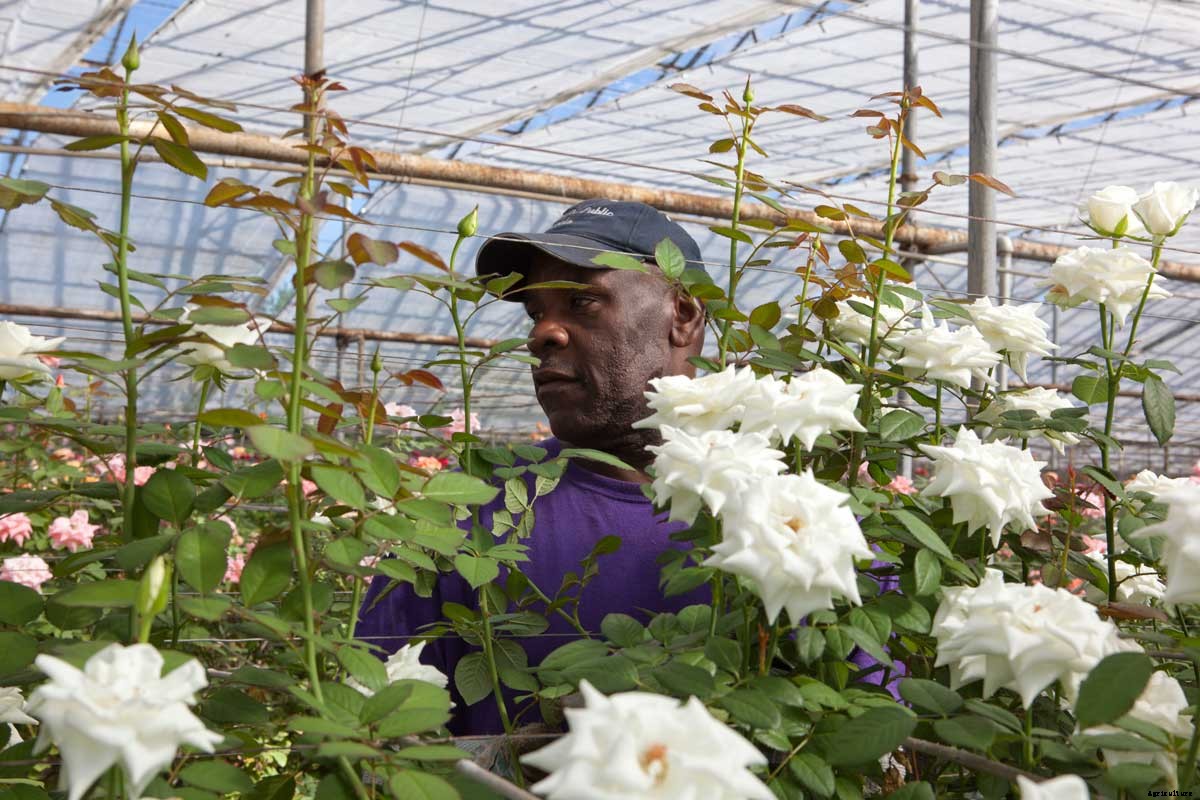
Rutcliff, growing supervisor, oversees all greenhouse operations and production at Roses for Autism. Here, he prunes Akito Rose bushes ahead of the holiday crop.
Roses for Autism is a model for how agriculture and service agencies can work hand-in-hand to sustain struggling farming traditions and provide opportunities for people who are in vital need of them.
There are still challenges, says Pinchbeck, like having to compete against imported flowers. “Prices on roses have been pretty flat for the past 20 years,” he says. But Ouimette likes to point out that for folks who purchase their flowers from Roses for Autism, you’re not just buying something pretty.
“If you’re going to spend $15 on a dozen roses, think how far that money can go. Here, it can go to preserving a local agricultural tradition, help to employ people with autism, and also fund our scholarship program (for families who can’t afford services for their children with autism). That’s a pretty powerful 15 bucks.”
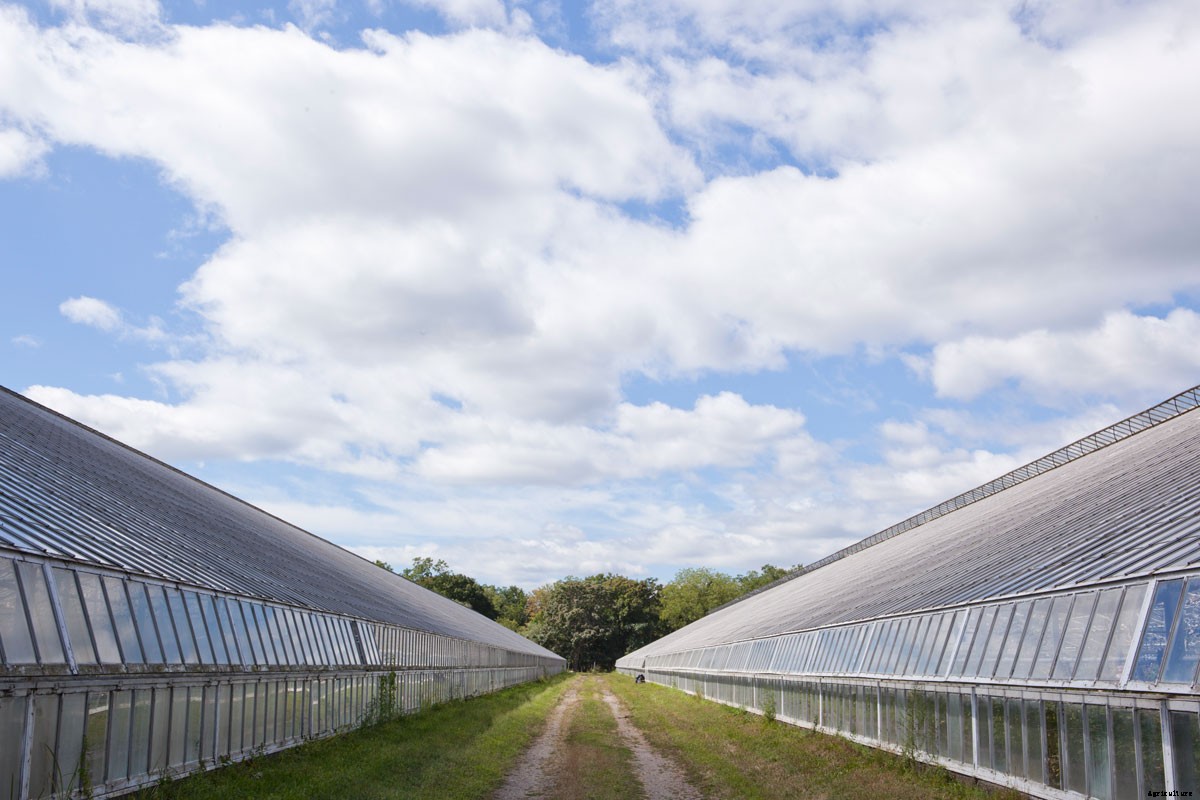
The greenhouses still in use today were built in the late-1920s and ’30s.
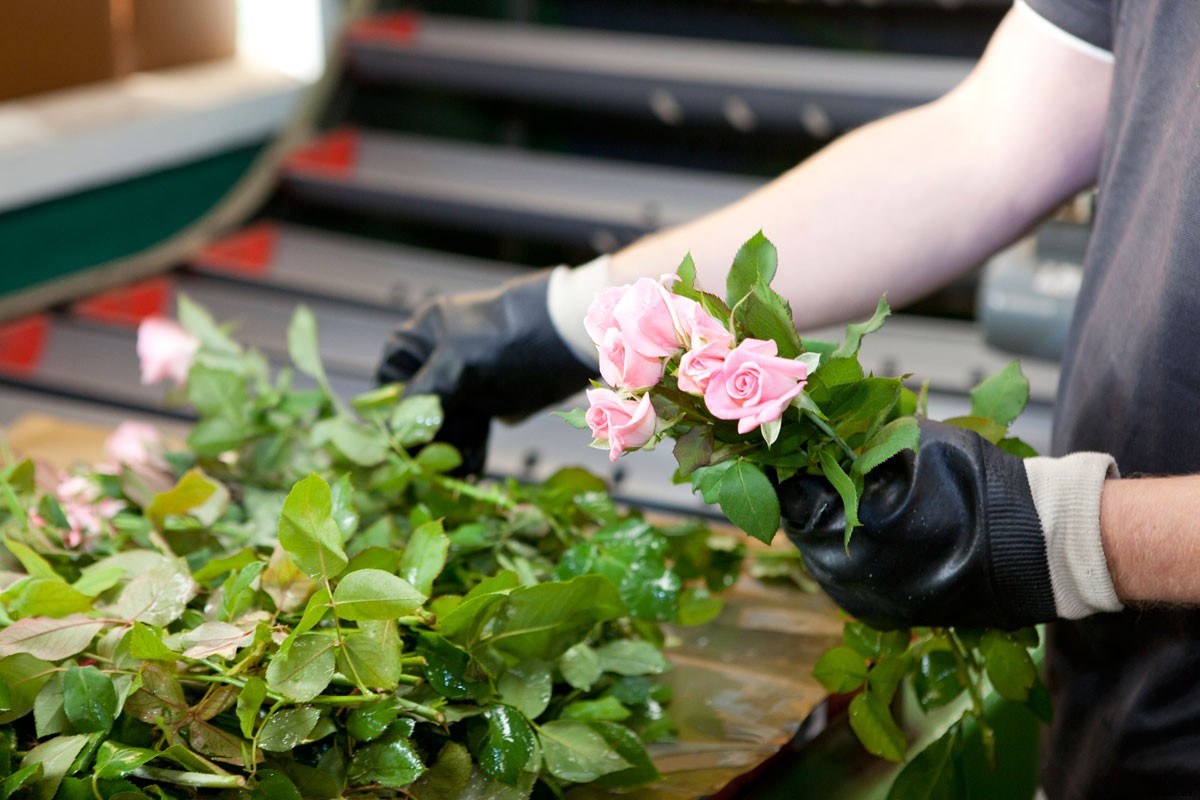
Seasonal flowers grow outside and are added to farmers market bouquets.


