
Welcome to Modern Agriculture!

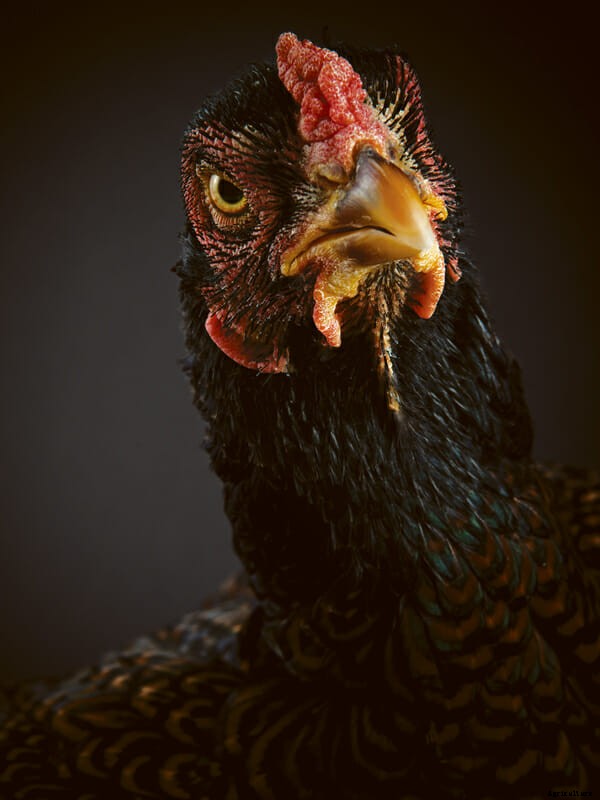
Chickens, of course, are good for meat as well as eggs, and Cornish game hens offer broad breasts and good flavor. Also known as Indian game hens, these birds can be crossed with Sussex, Rhode Island Red and White Wyandotte to create traditional hybrids that will grow in 8 to 10 weeks. The Orpington also makes a good table bird, though eating it may feel like feasting on the family dog.
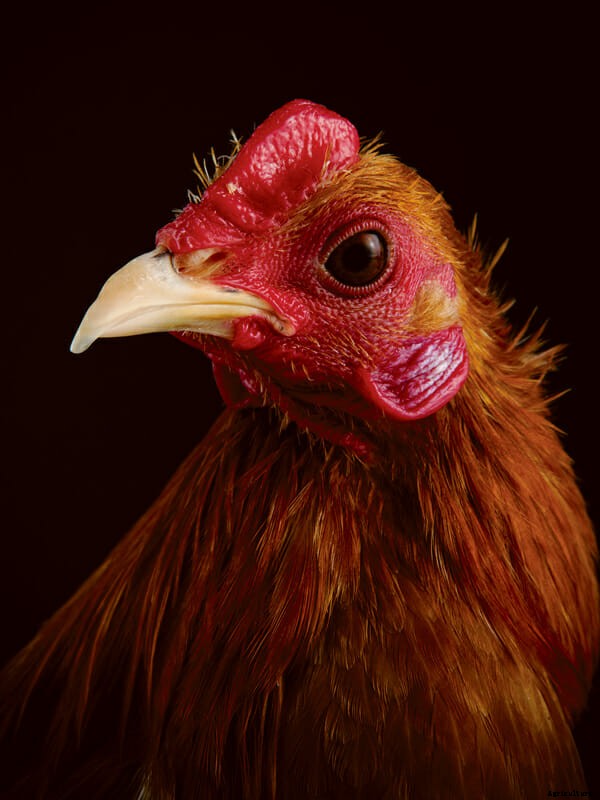
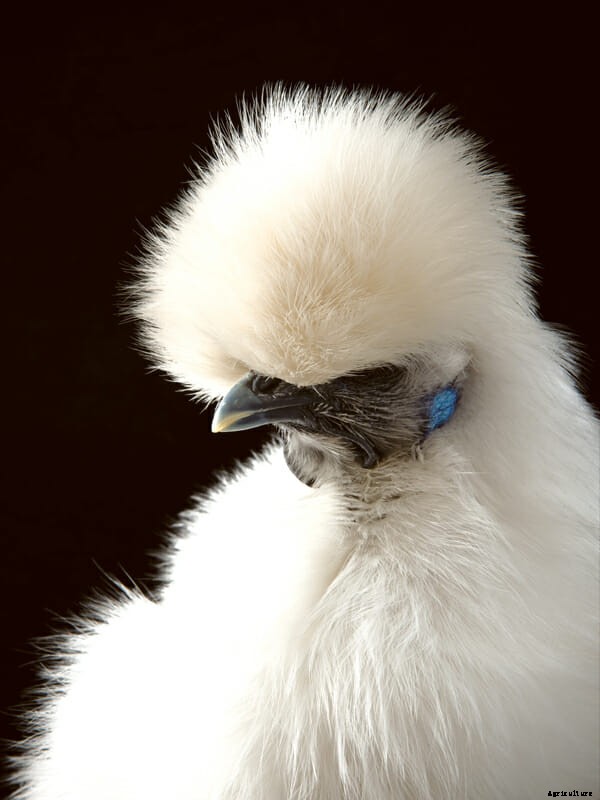
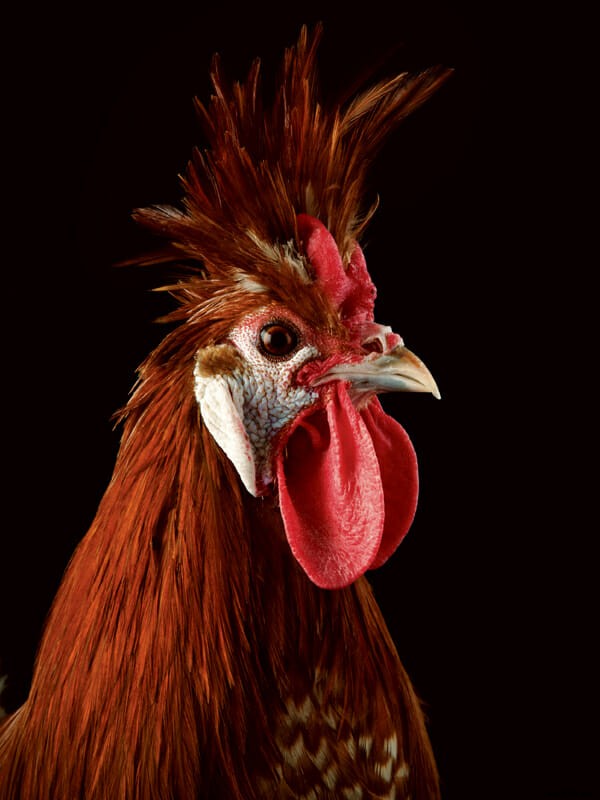
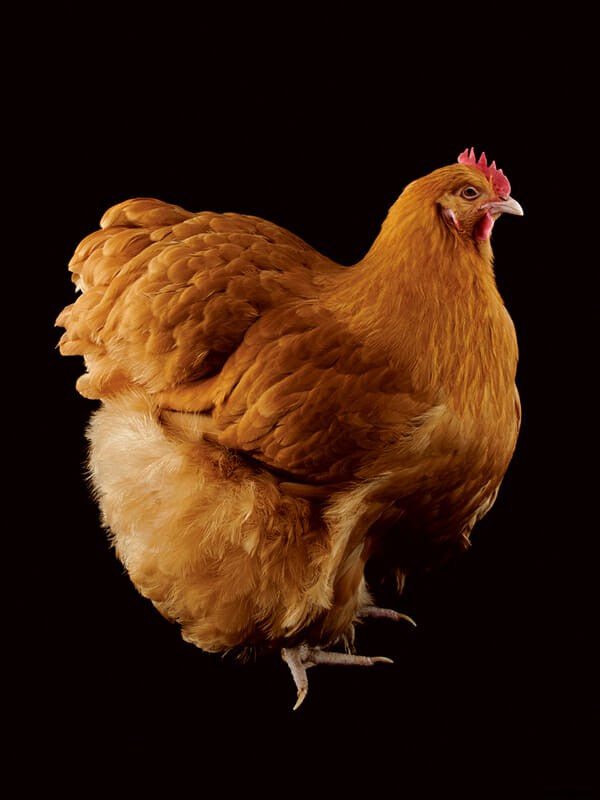
The Orpington's easygoing personality and fluffy feathers make it an excellent pet, though it was originally developed as a dual-purpose utility breed, suitable for both eggs and meat. Buff Orpingtons are especially docile and were a favorite of the Queen Mum, who enjoyed keeping show chickens. Orpingtons are apt to go broody - that is, to stop laying and start incubating a clutch of eggs - but they make excellent parents. Although Orpingtons tend to be rather large, they are less destructive than other breeds because they are less focused on foraging. Don't expect any more than 200 eggs per year from an Orpington, though.
Ingredients
½ Tbs. good olive oil
2 fresh eggs
generous pinch of salt
1. Pour olive oil into a nonstick pan set on medium-low heat. Without waiting for the oil to warm up, crack both eggs into the oil. Using a hard, high-heat silicone spatula, begin to stir the mixture, breaking the yolks and incorporating the oil as you go.
2. When the color is uniform, sprinkle in a generous pinch of salt and continue to stir. Scrape the spatula along the sides and bottom of the pan to prevent the eggs from solidifying.
3. At first it may seem as if nothing is happening, but gradually curds will appear and the eggs will begin to cling to the side of the pan. Continue stirring and scraping as the eggs slowly tighten into soft mounds.
4. Turn off the heat when the eggs are still glistening; they will continue to cook in the pan
5. The entire process should take a little less than five minutes, which is longer than workaday scrambled eggs, but well worth the extra time and attention, especially if your hens have gone to the trouble of making eggs just for you. *Note: Do not use a rubber spatula that is not intended for high heat, as it will melt and/or leach chemicals into your food.
– Karen Leibowitz


