
Welcome to Modern Agriculture!

I've been gardening and writing about gardening for more than 20 years, yet I find I'm always learning new things about the plants, insects and other critters that call my backyard home. That's the great thing about gardening — it's never boring! I've worked as a landscaper, on an organic farm, as a research technician in a plant pathology lab and ran a small cut-flower business, all of which inform my garden writing. Someone once asked me when I'll be finished with my gardens, to which I replied, "Never!" For me, gardening is a process, not a goal.
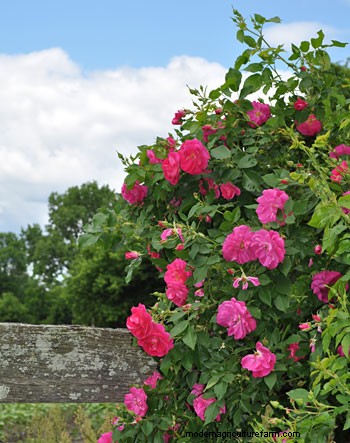
Cultivated since ancient times by Greeks and Romans and revered by Asian and Middle Eastern empires, roses continue to be one of the most popular flower in the world. The rose was even designated the "national floral emblem" of the U.S in 1986. Thousands of rose varieties exist in an astonishing range of colors and fragrances. And with plant sizes ranging from low-growing "carpet" roses to towering climbers, there's a rose to fit every space. It's no wonder they are such cherished garden plants!
Roses have a reputation among some gardeners for needing special care. Many modern roses are nearly trouble-free, however. Selecting the right variety for your site, choosing roses that resist common diseases, and giving them the simple care they require can go a long way toward keeping roses healthy.
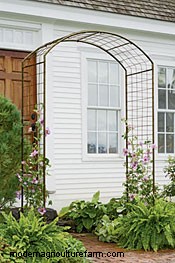
Jardin Rose Arch
A rose-covered arch makes a delightful and inviting garden entrance. Unlike shrub roses, climbing roses form extra-long flowering canes that must be tied to supports to stay upright.
Jardin Rose Arch: This classic and affordable arch features a simple, understated design that showcases your climbing plants. Made from powder-coated tubular steel with antiqued finish, it's a generous 52" wide by 22" deep by 96" H installed.
It's an insecticide, a fungicide, and a miticide — and it's organic! Made from neem seed oil, Rose Rx 3-in-1 helps prevent and control black spot and aphids, — both common rose diseases. It also controls spider mites, aphids and whiteflies, and repels feeding by Japanese beetles. This botanical spray's active ingredient is extracted from the seed of the tropical neem tree. Rose Rx comes in a ready-to-spray bottle, making it a convenient, one-spray solution to rose pests.
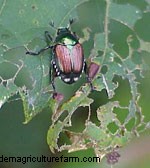
A Japanese beetle with a skeletonized grape leaf.
A Three-Prong Approach to Controlling Japanese Beetles: In many parts of the country, Japanese beetles cause extensive damage to roses and other garden and landscape plants by skeletonizing leaves and ruining flowers. To keep Japanese beetle damage to a minimum, it's best to tackle them at both the larval and adult life stages.
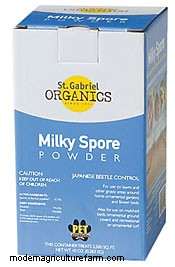
Milky Spore


