Welcome to Modern Agriculture!

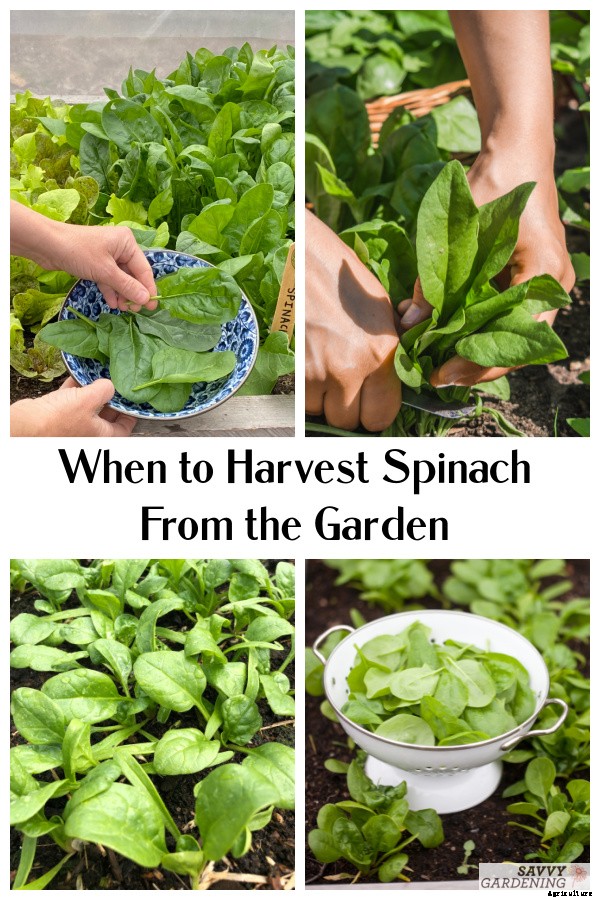
The succulent, tasty leaves of homegrown spinach are beyond compare, but spinach can be a struggle for some gardeners to grow. Spinach is particular about its growing conditions and knowing when to harvest spinach can mean the difference between a big harvest and a minuscule one. In this article, I’ll offer tips on when to harvest both baby greens and mature leaves for a long 3- or 4-season harvest. I’ll also teach you how to overwinter spinach plants for an extra early spring harvest.
Before we talk about when to harvest spinach, it’s important to understand when to plant it. This is because the timing of the planting directly connects to the timing of the harvest. There are three times for planting spinach in growing regions that have four distinct seasons. The three planting times are:
1. Very early spring
2. Late summer or early fall, and
3. Late fall through mid-winter
Here’s how the timing of each of those three planting times affects when the spinach is harvested.
As you can see, for those of us in a temperate climate with four distinct seasons, it’s possible to be harvesting spinach almost year-round!
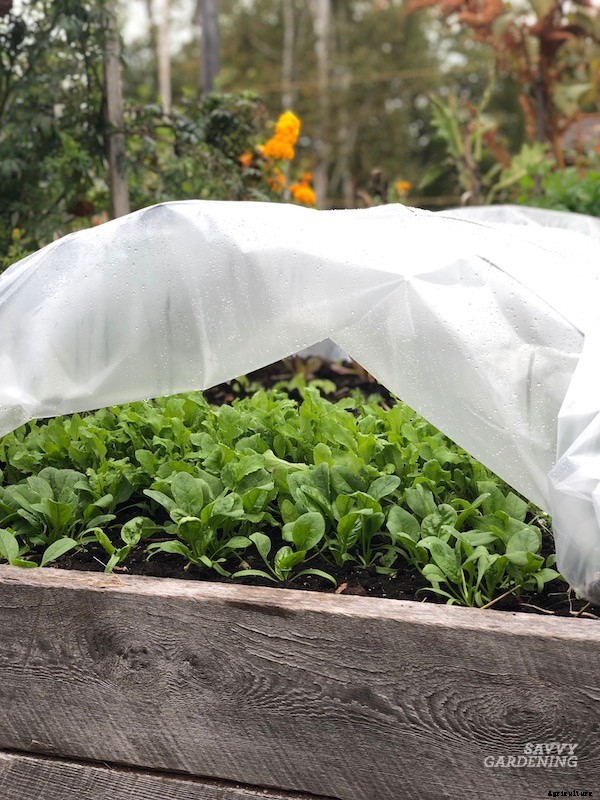
This is a tricky question. Since spinach dislikes summer’s extreme heat, spring-sown plants covered with a shade cloth or with a layer of lightweight row cover can be harvested through the early part of the summer. As the days grow longer and the temperatures rise, however, spinach bolts (goes to flower) and the harvest stops. Shading the plants can extend the harvest by a few weeks. If you want to try to harvest spinach in the summer, plant bolt-resistant and/or heat-resistant varieties like Palco, Seaside Hybrid, Olympia, and Corvair.
If you live in a warm region where the seasonal shifts are very moderate and winters aren’t very cold, grow your spinach in the winter. Seeds are sown in late fall, and then it’s time to harvest spinach about a month to six weeks later. Tropical growers in year-round hot climates should find an alternative crop. It’s far too warm to grow cool weather-loving spinach in regions where there are never cool temperatures.
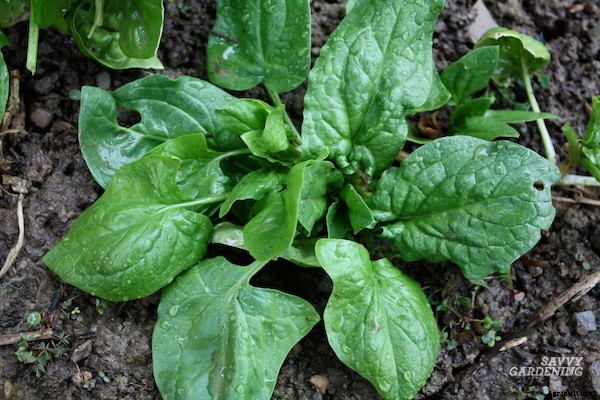
There are a few signs that can help you determine when to harvest fresh spinach. The timing of the harvest depends on the type of green you’re growing. If you’re growing baby spinach, it’s ready to harvest when the leaves are the size of a U.S. quarter until they are about the width of a golf ball. This is about 20-30 days after sowing the seeds. Baby spinach leaves are still round in shape and are very tender.
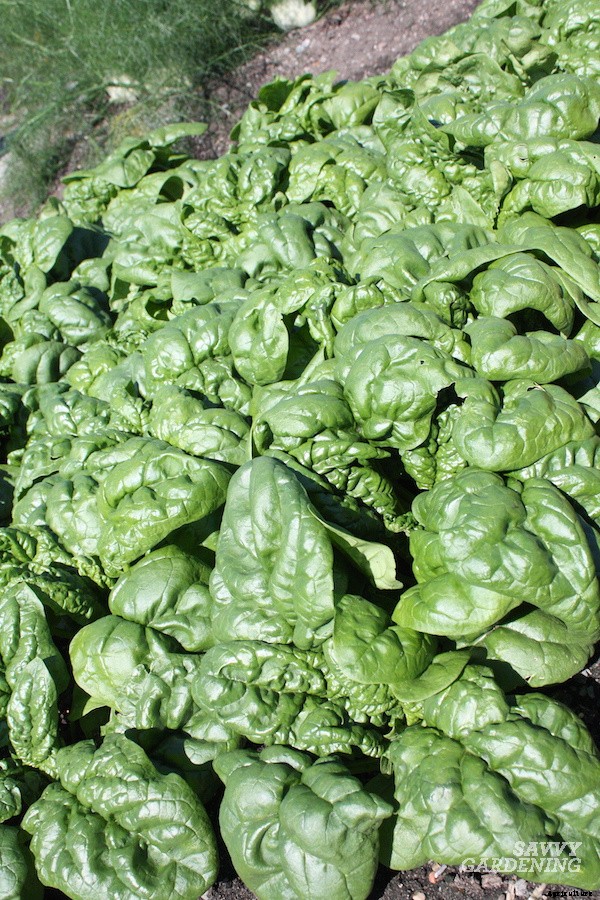
If you’re growing mature spinach leaves for harvest, wait for the leaves to get thick, broad, and often, crinkled (though not all varieties produced crinkled leaves). Known as savoy-types, those with crinkled leaves are ready to harvest between 38 and 50 days, depending on the variety. Smooth-leaved varieties require the same length of time to mature.
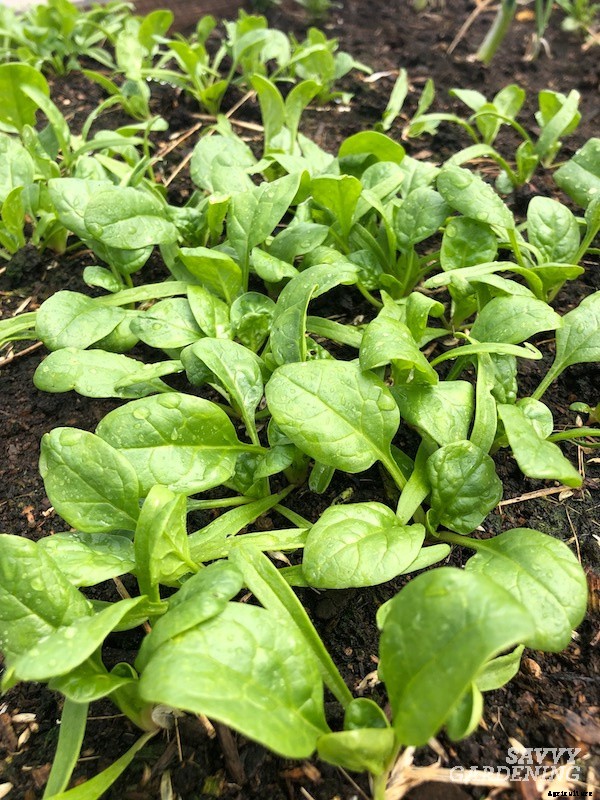
As I mentioned in the last section, the baby leaf harvest happens just a few weeks after planting. If you know when to harvest spinach foliage in the baby stage, you should also know when to stop harvesting in the baby stage. Snip off individual outer leaves but always leave the crown of the plant intact and it will regrow for future harvests. Stop harvesting baby spinach leaves after two harvests. Then let the plant develop mature leaves for a third harvest of fully mature leaves.
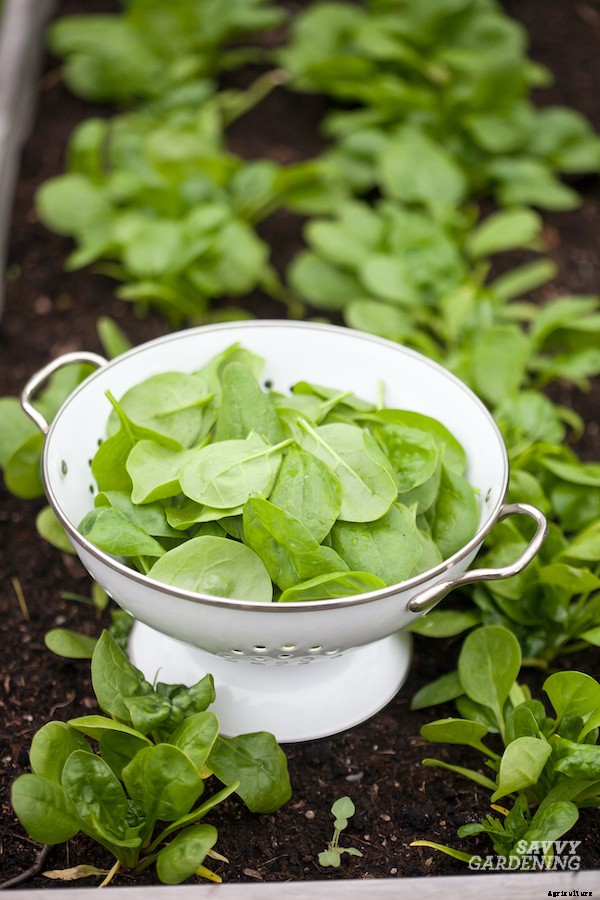
If you want to pick leaves that are full grown, wait until the plants reach maturity to harvest, but don’t wait so long that the plants bolt. Check the seed packet for the Days to Maturity and consult your calendar. Or go with the flow and harvest it whenever you want! Spinach is a very forgiving crop. As long as you leave the growing point intact, it will grow more leaves until the weather gets too warm and the plant either dies or produces a flower stalk instead of leaves. Some of my favorite varieties for mature leaves are Tyee, Avalon, and Bloomsdale Long Standing.
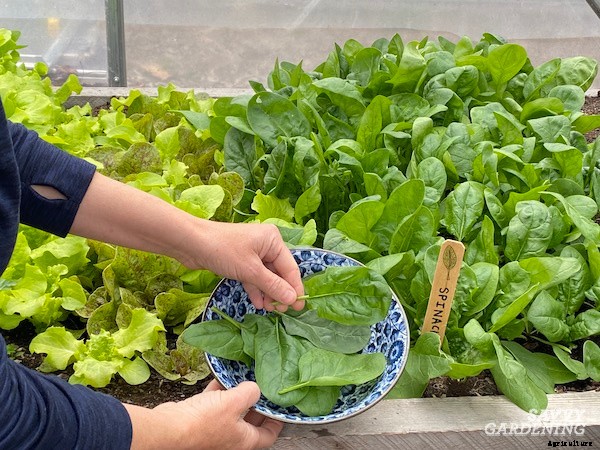
To recap from the first section, if you’re planting seeds or transplants in the very early spring, they’ll produce a mid to late spring harvest. Baby greens will arrive in mid-spring and mature greens will arrive in late spring.
Late summer plantings are harvested in the mid to late fall or early winter. Baby greens arrive in mid-fall (October in my garden) and continue through early winter. However, you likely won’t see mature leaves until early the next spring. That’s because this crop can easily be overwintered (more on how to do this soon) for a winter or an early spring harvest.
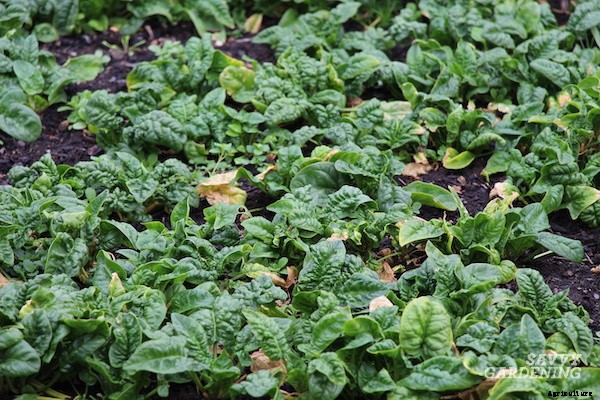
Planting spinach seeds anytime from a few weeks before the first frost to a few weeks after it, yields a super-early spring harvest. The spinach I plant this way is almost always the very first crop I harvest from my garden in the spring. The seeds sit dormant in the soil through the winter months and germinate very early the following spring. The result is an early spring harvest of baby greens that quickly matures into big, succulent leaves. It’s my favorite way to grow spinach in my own vegetable garden.
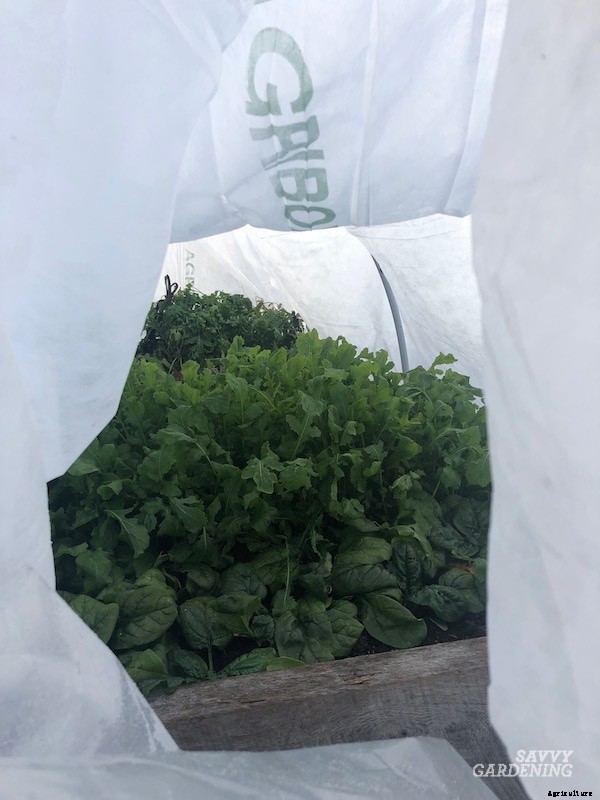
If you’ve opted to sow seeds in late summer or early fall, the young plants can easily be overwintered using one of two different methods.
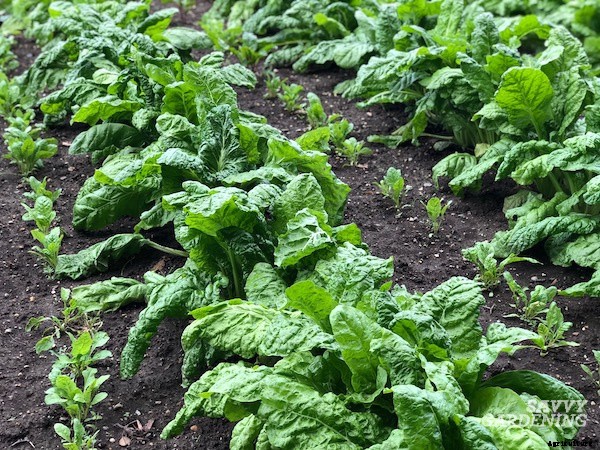
Planting a new row of spinach seeds every week throughout the early spring, and then again in the late summer into the fall, generates multiple harvest times. This is known as succession planting, and it is the best way to maximize your harvest. Don’t plant all your seeds at the same time. Spread the sowings out over several weeks. Doing so will also spread out your harvest.
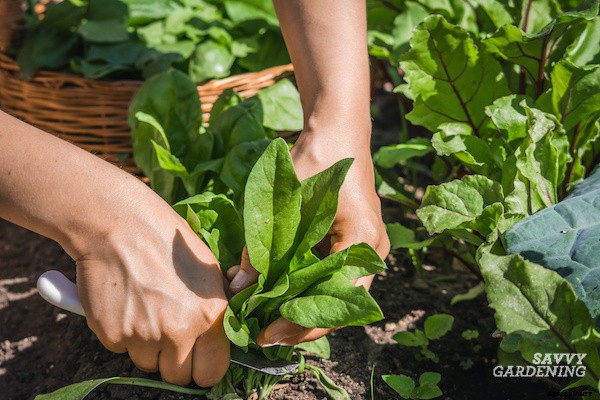
It’s easy to see how knowing when to harvest spinach and how to time your plantings properly can lead to a hearty harvest of this delicious green. Don’t be afraid to experiment and plant multiple crops of spinach in your garden to see which performs the best. The results are worth it!
For more on growing leafy greens, please visit the following articles:
Pin it!