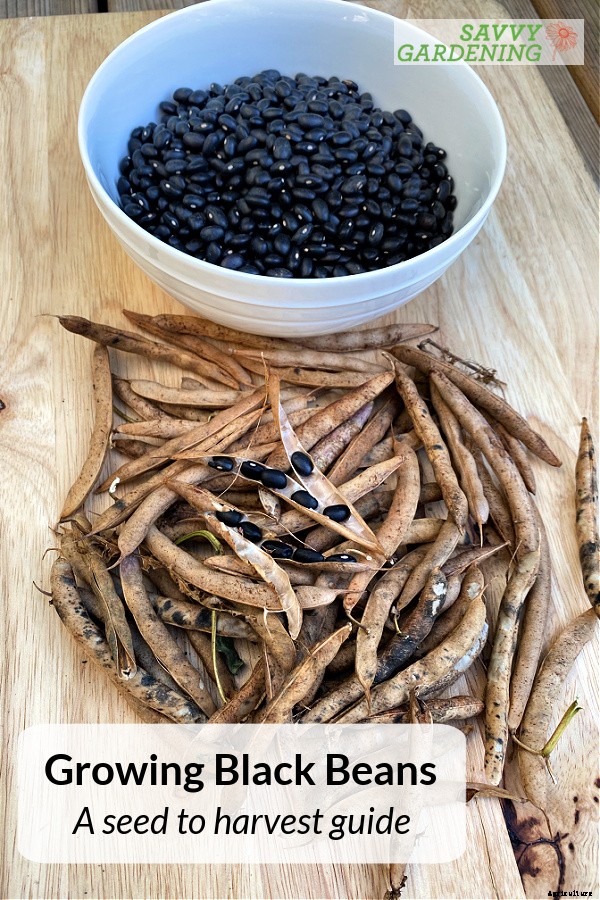
Welcome to Modern Agriculture!

Black beans are a reliable, easy-to-grow crop for home gardeners who wish to grow their own dried beans. The plants are compact and productive and the meaty beans are delicious in soups, burritos, and many other dishes. The seeds can be planted in garden beds or containers and require little fussing during the growing season. Keep reading to learn more about growing black beans.
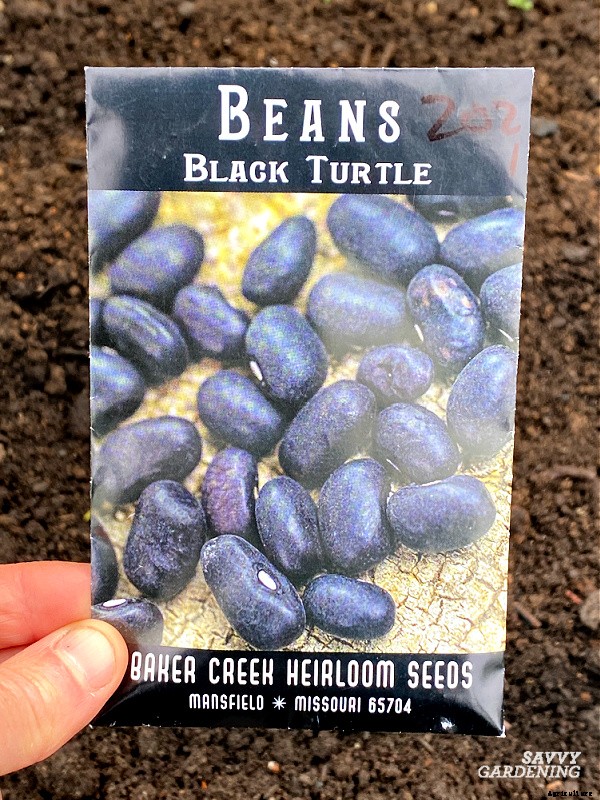
Black beans originated in Central and South America. They’re the same species as snap beans, but are grown for their dried seeds, not immature pods. For this reason, black beans take longer than snap beans to go from seed to harvest. They need about 95 to 105 days versus snap beans which are harvested 50 to 55 days from planting. Beans are a warm season vegetable and grown between the spring and fall frost dates.
While there are different varieties of black beans available to commercial growers, most home gardeners plant Black Turtle beans. This is an heirloom variety with bush or semi-runner plants. There’s no need to provide trellising for Black Turtle beans, but adding posts or bamboo stakes to support the short runners can increase production. When grown in a site that offers full sun and fertile soil, expect each plant to produce 25 to 36 pods with each pod having 6 to 8 seeds.
Like most types of beans, black bean seeds are sown in spring once the risk of frost has passed. The seeds germinate best in warm soil with a temperature between 68 to 80 F (20 to 27 C). Don’t try to rush black bean seeds into the garden too early as soil that is excessively cool or wet promotes rot.
When growing black beans it’s important to find the right site for this long season crop. Beans are warm season vegetables and need at least six to eight hours of direct sun each day. Well-draining soil is also essential and I’ve had great success growing black beans in my raised beds. Heavy clay soils are not well suited to beans. Before planting amend the soil with an inch of compost and if you’re planting in a bed where beans haven’t been grown before you may also wish to inoculate the seeds with rhizobium bacteria. This treatment can boost yield.
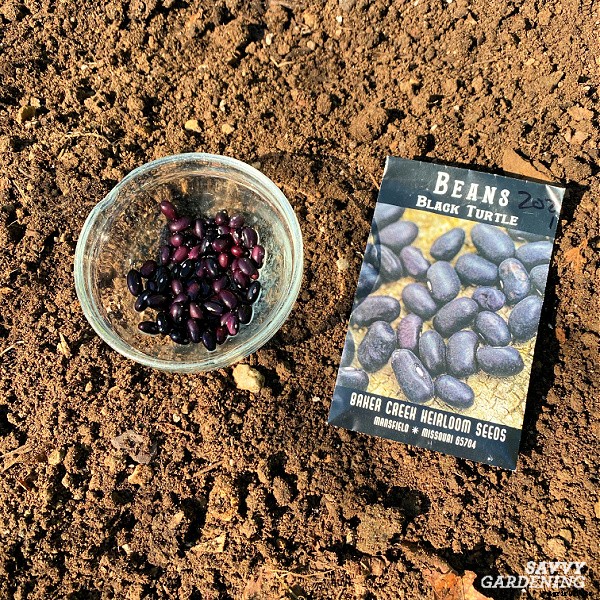
Bean seeds are quick to germinate and are typically direct sown. Plant the seeds a half to one inch deep and three inches apart, spacing rows 15 to 18 inches apart. This spacing allows the rows of beans to grow close enough that their canopies shade the soil and discourage weeds, but not so close that they compete for water and nutrients. Once the seeds have germinated and the plants are growing well, thin them to 6 inches apart.
If you want to get a head start on the season, you can start black bean seeds indoors under grow lights three to four weeks before the last expected spring frost. Begin to harden off the seedlings a week or so before you intend to move them to the garden. Bean seedlings can be set back when the roots are disturbed so be careful when transplanting.
Once your black bean bed is planted, water deeply. Continue to water as needed, aiming to keep the soil lightly moist until the seeds have germinated.
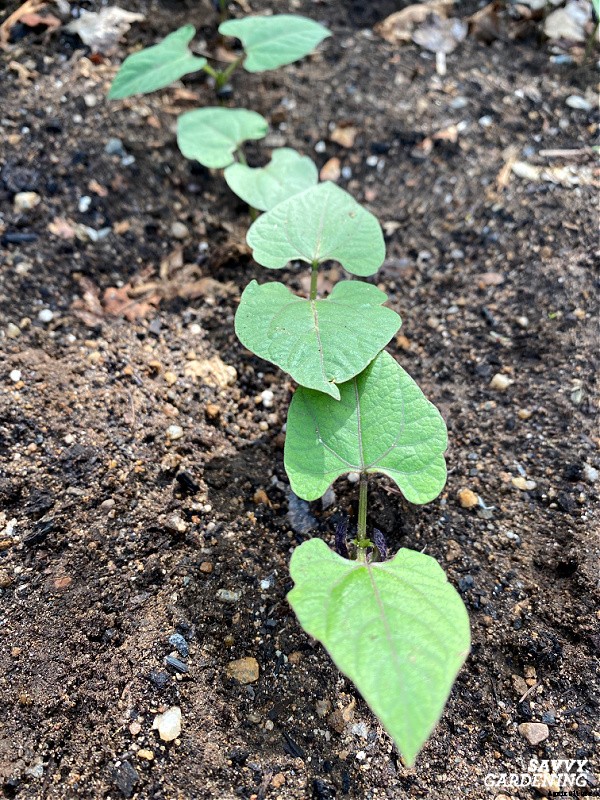
As noted above black beans are a low-maintenance and reliable crop. However with a little extra attention you can boost pod production and overall yield. Summer tasks include watering, weeding, and keeping an eye out for pests and diseases. Below you’ll find more details on growing black beans.
Beans are shallowed roots plants with 90% of their roots produced in the top two feet of soil. To promote healthy plants and large harvests, water deeply when there has been no rain. If you’re not sure whether you should water, stick your finger into the soil to gauge moisture levels a couple of inches down. If the soil is completely dry it’s time to water. To hold soil moisture and reduce the need to water you can mulch the soil around your plants with straw or shredded leaves.
Another factor that influences watering is the plant stage. Bean plants use more water during pod development. Therefore when you see flowers appear, begin to provide extra moisture. Keeping black bean plants well hydrated at this stage is a savvy way to increase plant yield. When I water I use a long-handled watering wand to direct the water to the soil, not the foliage of the plant. Wet foliage spreads disease so I try to avoid wetting the leaves. As summer wanes and the pods begin to turn yellow, reduce or stop watering. Excessive moisture late in the season can delay pod maturation.
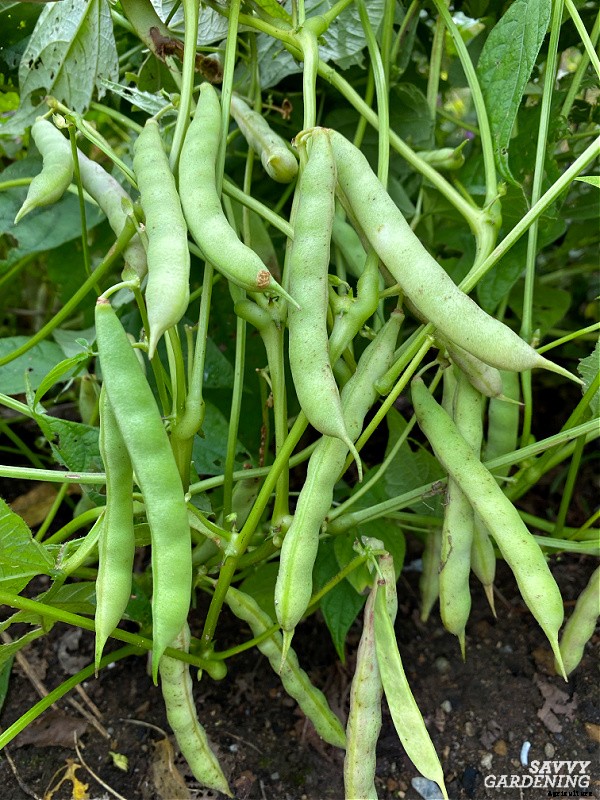
It may not be the most popular garden task, but it is essential to pull weeds when growing black beans. I keep an eye on my bean patch throughout the growing season with the goal of removing weeds when they’re immature. Black bean plants are vigorous, but they aren’t competitive enough to challenge aggressive weeds. Weeds that are allowed to grow can crowd the plants and reduce yield. To make weeding quick and easy, I use my Cobrahead Weeder.
Beans are generally easy to grow, but there are a number of pests you may encounter. The key to pest prevention is to practice biodiversity in the garden – plant a mixture of vegetables, herbs, and flowers. This invites pollinators as well as beneficial insects. Also, monitor the crop regularly so you can address any issues that pop up before they get out of hand. Here are some of the most common pests of black beans:
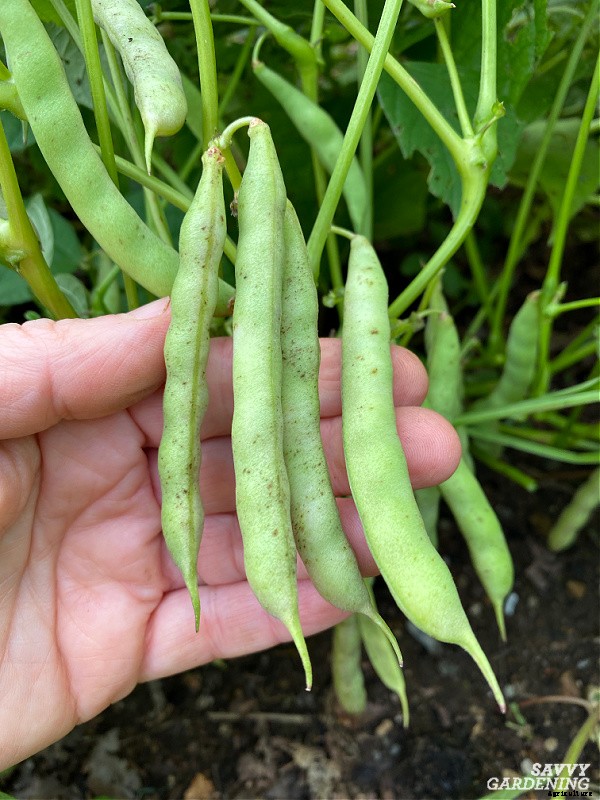
Proper spacing and watering practices go a long way in reducing the occurrence of plant diseases like blight. Here are two bean diseases that are fairly common in home gardens:
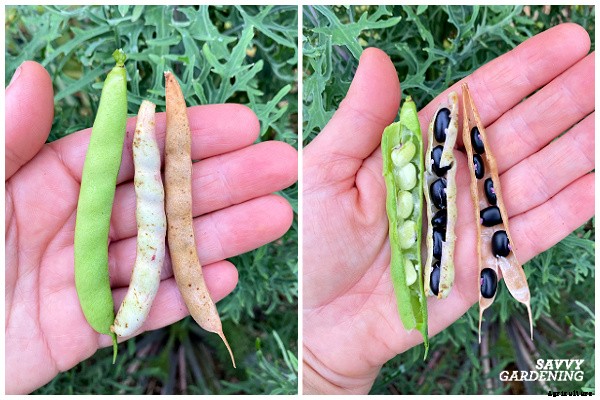
When it comes to growing black beans, timing the harvest can mean the difference between a high quality and a poor quality crop. As summer comes to an end check the plants every week or so to determinate the maturity of the pods. They’re ready to harvest when some of the pods are brown and dry and some still straw yellow in color. You don’t have to wait until all the pods are completely dry on the plant.
It’s also important to harvest dry beans before a hard frost. Freezing temperatures can damage the seeds and affect storage quality so pick pods or cut plants before a killing frost. I try to pick a sunny dry day to harvest beans and I wait until mid-morning so that any dew or moisture has had time to evaporate from the plants.
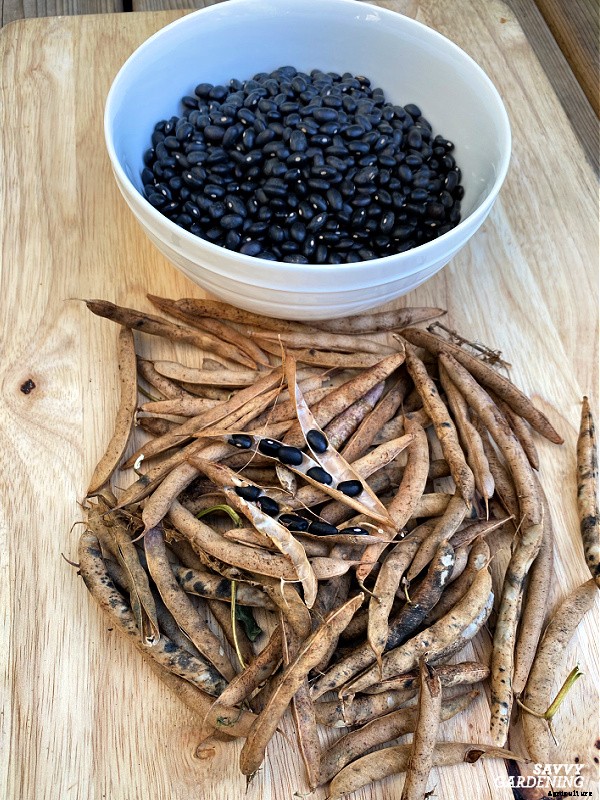
Once you’ve determined it’s time to harvest, pick the pods individually or cut the entire plant off at soil level. You may wonder why I don’t advise pulling up the plant instead of clipping it off at the soil line? The roots of bean plants have plenty of nitrogen-rich rhizobia bacteria nodules and I want those to stay in the soil.
If growing black beans in a small garden or containers you may prefer to harvest the pods by cutting them from the plants with garden shears or snips. Don’t try to pull them by hand as you may damage or shatter the pods. In a larger garden, you’ll likely find it quicker and easier to harvest the whole plants. Hang the plants in a dry, well-ventilated spot like a garden shed or garage to further dry and mature the seeds. Individual pods can be laid out on screens, a drying rack, or sheets of newspaper to continue drying.
Because I grow just a few rows of black beans, enough for about four cups of seeds, I shell them by hand. It doesn’t take very long and it’s a fun family activity. Place the shelled seeds in jars or containers and store in a cool dark spot. Learn how to cook dry black beans in this article.
For further reading on growing beans, be sure to check out these detailed articles:
Are you interested in growing black beans in your garden?