Welcome to Modern Agriculture!

I’ve been growing green beans since I was just a kid. In fact, it was my love of green and yellow beans that inspired me to start gardening. Today, green beans remain one of my favorite crops to grow and eat. I grow both bush and pole types for the longest harvest season, planting them in my raised garden beds, but also in planters on my sunny back deck. Green beans are both easy and quick to grow, which also makes them the perfect vegetable for novice gardeners.
There are so many delicious types of beans that can be grown in gardens and containers. They can be grouped by their edible parts (pods versus seeds), how they’re eaten (fresh pods versus fresh seeds versus dried seeds), or by their growth habit (bush versus pole). And it’s this last group that makes the most sense for green beans.
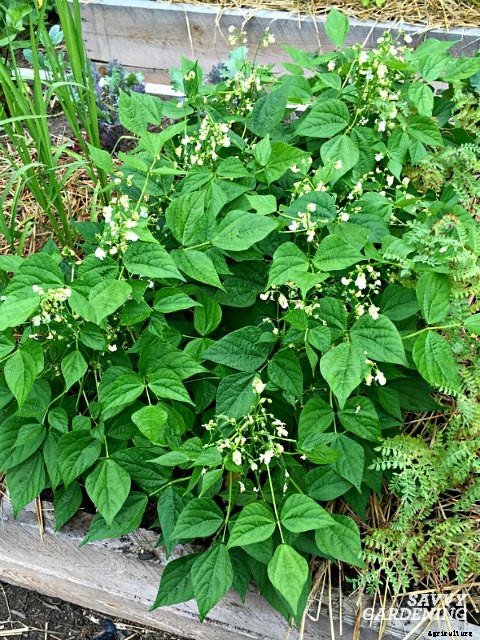
Green beans are a warm weather vegetable and are planted after the last expected spring frost. Don’t be in a rush to sow bean seeds as planting when the soil is still cold and wet can lead to rot. Aim to seed when the soil temperature reaches 70 F (21 C). Most types of beans are direct seeded in garden beds and containers as they are so quick to germinate and grow and don’t respond well to transplanting.
Bush beans – Sow the seeds of bush beans 1 inch deep and 2 inches apart in rows 18 to 24 inches apart. Once the plants are growing well, thin them to 6 inches. For the longest harvest, succession plant bush beans every two to three weeks, or until about two months before the first expected fall frost.
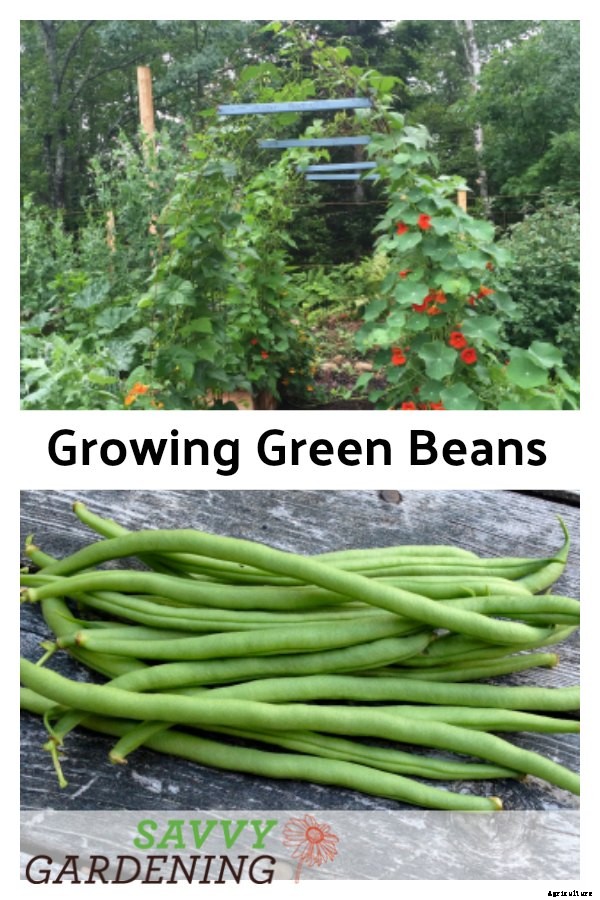
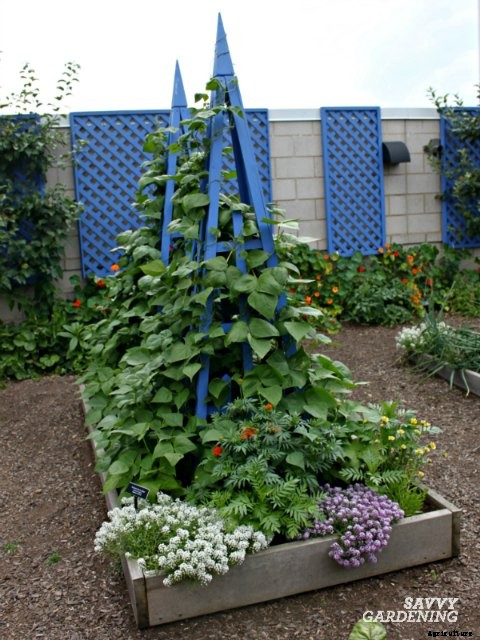
Pole beans – Pole beans need a sturdy structure to support their heavy vines and trellises or teepees should be erected before you plant the seeds. Sow seeds 1 inch deep and 3 inches apart for trellised pole beans, eventually thinning to 6 inches. For a teepee, use poles at least 7 feet tall and plant six to eight seeds around the base of each pole. My favorite way to grow pole beans is over a pole bean tunnel. It adds vertical interest to the garden and is a fun spot to hang out in summer – a living fort!
When growing green beans pick a site with at least eight hours of daily sun and moderately fertile, well-drained soil. Raised beds are ideal, but green beans can also be grown in pots and planters. For bush beans, choose a large window box or a pot that’s at least 15 inches in diameter. For pole beans, the container should be at least 18 inches in diameter. Fill pots with a mixture of high quality potting mix and compost.
Beans are very low maintenance vegetables and once they’re growing well, require little fussing. Keep an eye out for slugs, taking action if necessary. Mexican bean beetles are another common bean pest with the adults resembling ladybugs. They are orange-red and have sixteen black spots on their backs. Their eggs and larval stages are yellow in color. Use row covers to prevent damage and handpick and destroy any you spot.
Beans can be susceptible to fungal diseases, so it’s important to stay out of the bean patch when the weather is wet.
Consistent moisture results in the highest quality harvest, so water weekly if there has been no rain, paying careful attention to irrigation when the plants are flowering and producing pods. Also aim to irrigate early in the day so the foliage has a chance to dry before night. Mulch plants with straw or shredded leaves to hold soil moisture and reduce weed growth.
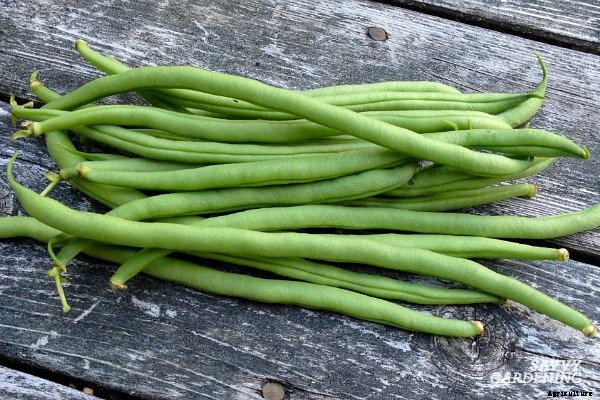
The rule for harvesting green beans is the more you pick the more you get. Stay on top of the bean harvest by picking every few days, especially when the plants are in peak production. Excess beans can be pickled, blanched and frozen, or shared with family and friends.
Pods can be picked at any size, but most are ready when they’re 4 to 6 inches long, smooth, and with interior beans that are still very small. Promptly remove over-mature pods from the plants as this will signal a switch from flower and pod production to seed production, decreasing the harvest.
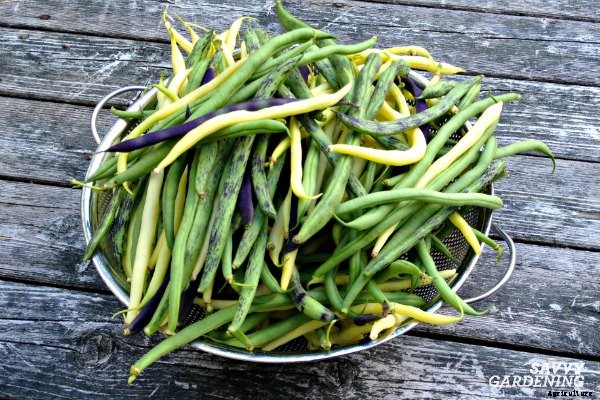
There are a lot of outstanding heirloom and hybrid green beans to grow. Here are a few of my favorites:
Bush beans
Pole beans:
In this video, I show you how to plant both bush and pole green beans.
For more on growing your own vegetables, check out these awesome articles:
Are you growing green beans in your garden this year?