
Welcome to Modern Agriculture!

As midsummer hits its stride with long, hot days, the production of leafy greens often slows or stops as plants bolt and prepare to set seed.
But you can extend the season for fresh, crisp greens with a late planting of cool-season favorites like Swiss chard.
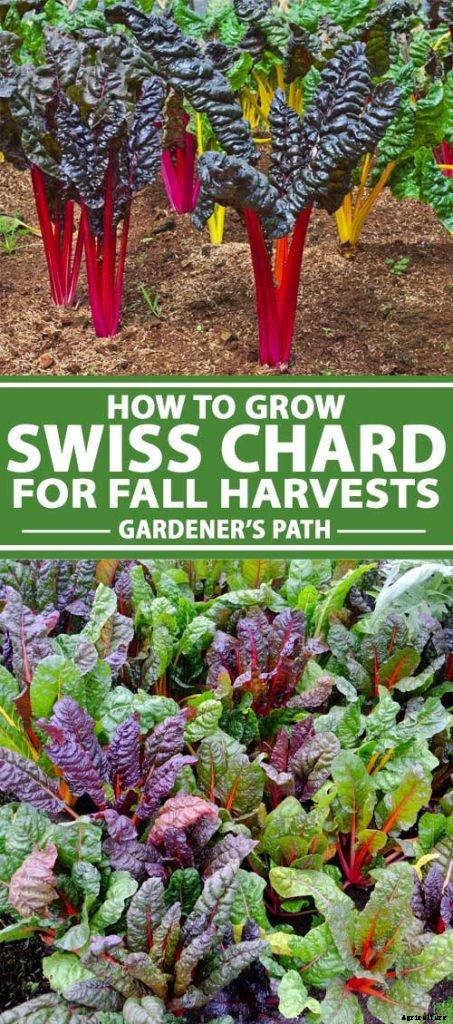
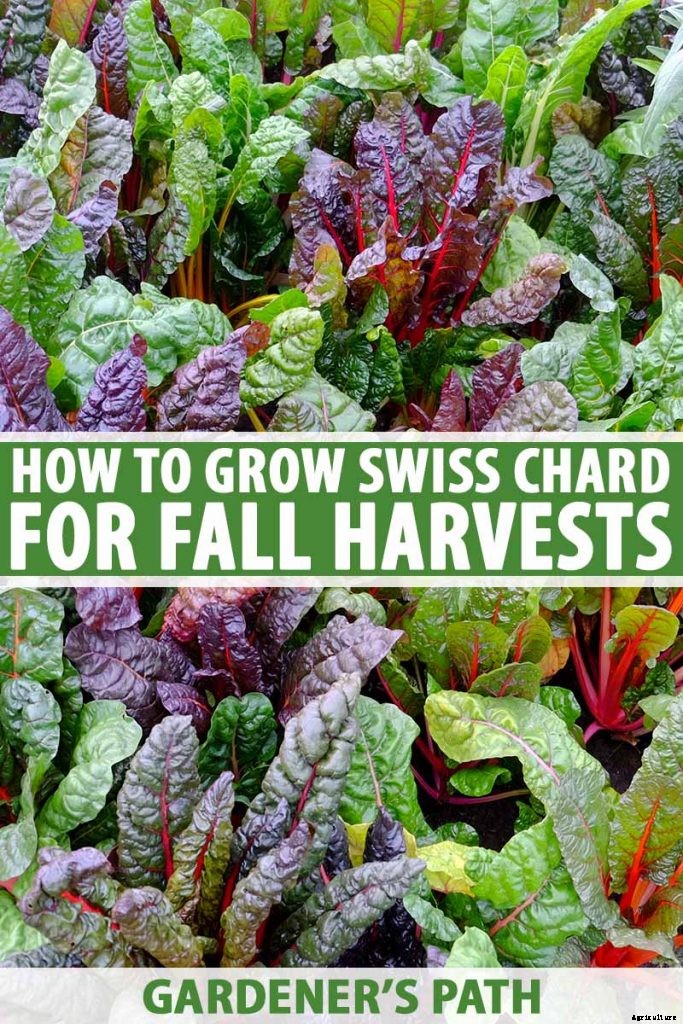
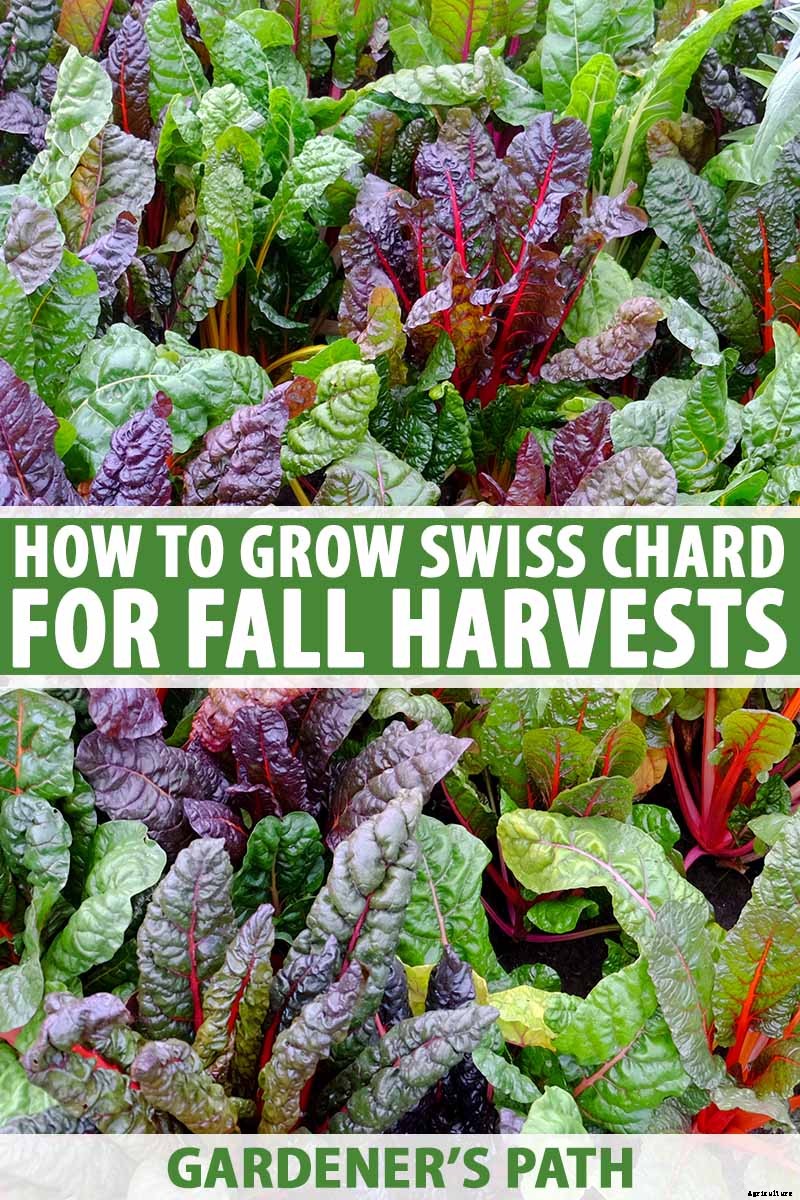
Chard comes in a rainbow of brightly hued colors, with a highly attractive ornamental value for the fall garden, as well as outstanding nutrition and kitchen uses.
It’s one of those easy and fast-growing veggies that can deliver multiple harvests per season.
Flavors improve with cool nights, and plants can even withstand a light frost – but not a sustained freeze.
Let’s dig into the details on how and when to plant Swiss chard for delicious harvests in the fall.
This beautiful, savoyed leafy green is a member of the Amaranthaceae family that’s native to the Mediterranean.
A close relative of the beet, it has foliage with an upright growth habit that develops in a fanning form, and has been bred to emphasize the large edible leaves and stems.
The roots are non-bulbous and don’t form an underground storage organ like typical beets.
Also known as leafy beet, perpetual spinach, Roman kale, rhubarb chard, seakale beet, and Sicilian beet, Swiss chard is a biennial that flowers and sets seed in its second year.
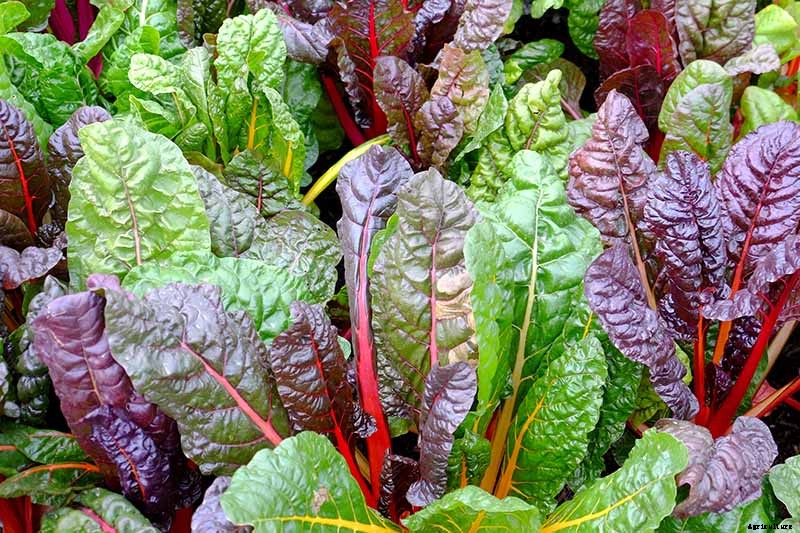
Cultivars are vividly colored, with orange, pink, red, yellow, and white stems and veins that contrast with and complement lovely leaves of bronze, green, or purple.
Eaten raw, it has a mild, sweetly earthy flavor with a hint of bitterness that’s quite like spinach. Cooked, the flavor mellows and leaves lose their bitterness.
The immature baby greens add flavor and nutrients to salads and smoothies, and larger leaves are usually enjoyed freshly steamed or added to pasta, rice, soups, and stews. Chard can also be canned, dried, or frozen.
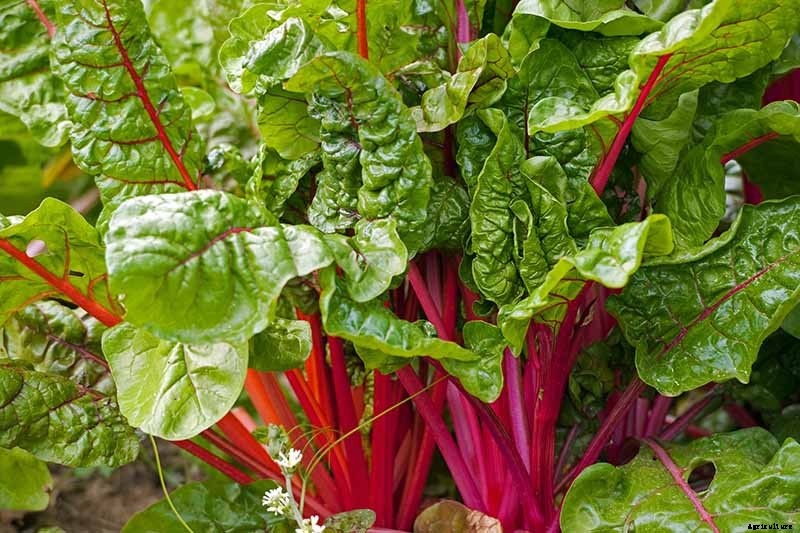
It grows well in both cool and hot temperatures, but prefers the cool evenings of spring and fall, with nighttime temperatures ranging between 60 and 70°F.
Swiss chard is noted for its excellent nutritional value, with high levels of vitamins A, C, and K, plus many antioxidants and minerals.
Plants mature in 50 to 75 days, depending on the cultivar, and frequent snipping encourages new leaf formation.
For a fall harvest, direct sow seeds in beds or containers from mid-July to mid-August, or up until about 50 days before your first autumn frost date, depending on the variety that you select.
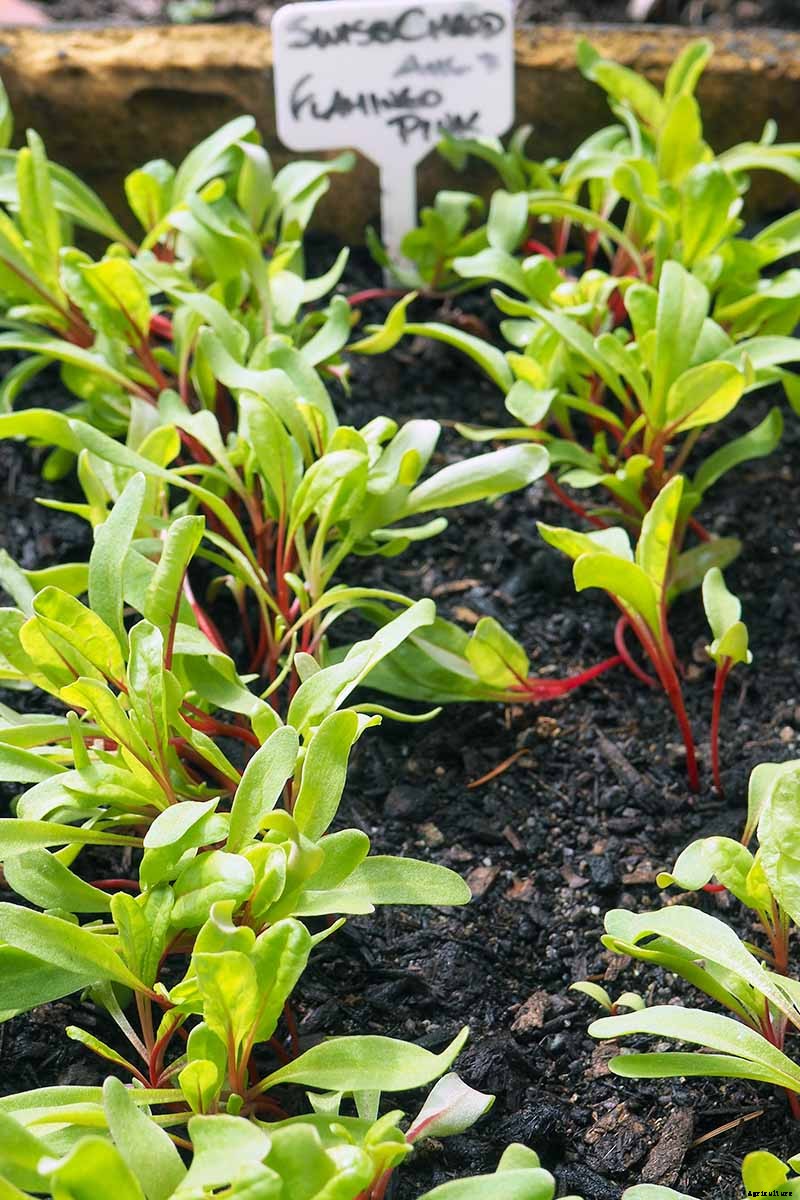
Ideally, you want plants to mature a couple of weeks before the first frost to avoid damage from an early freeze. Mature plants can withstand a light frost but not a hard freeze.
Succession planting until mid-August can help to extend your harvest, provided freezing temperatures remain at bay.
Adhere to the following tips for a successful autumn harvest:
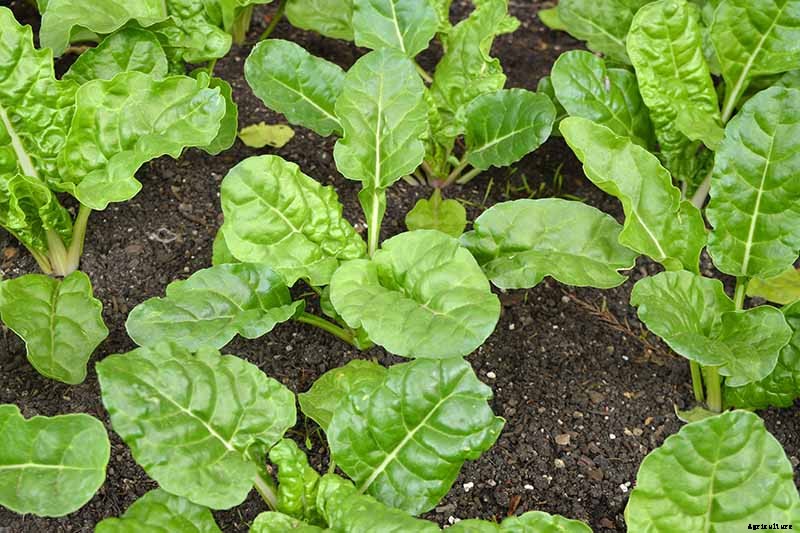
For full details on cultivation, check out our Swiss chard growing guide.
Cut stems with a sharp knife to about two inches above the soil, taking care not to remove more than half of the stems from each plant at one time.
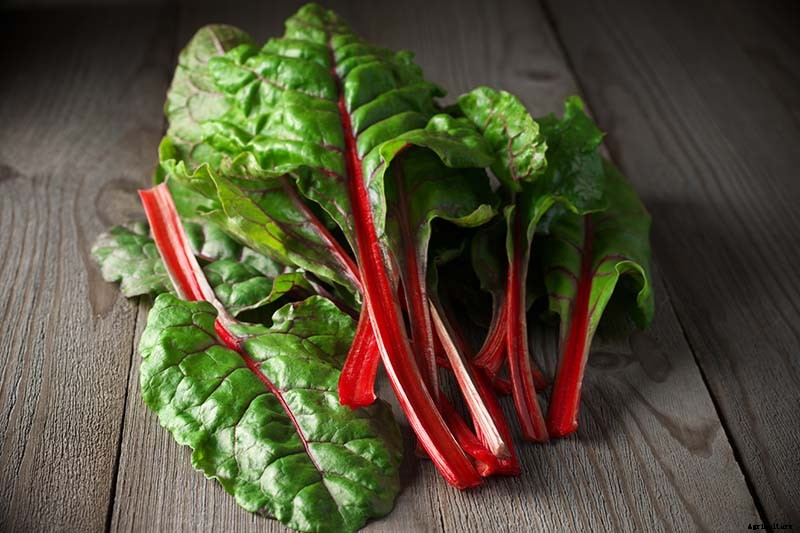
Chard is recognized as a “cut-and-come-again” crop. That is, the older outer leaves are harvested a few at a time from each plant, while the tender new growth is left in place to grow and harvest later.
This method encourages continuous new growth, but care should be taken not to damage the central terminal bud.
Alternatively, all of the leaves can be harvested at once when mature. Cut all stems to two inches, leaving the base and roots in place – if temperatures stay above freezing, plants often set another light flush of small leaves.
For the best flavor and quality, cut back full-sized plants when they reach 12 to 14 inches – the flavor starts to decline when overgrown.
Read more about harvesting chard here.
Crop selection can be made based on color, the shape and texture of leaves, and size, but for fall crops I recommend those with a short growing season of 50 to 55 days. Give one or more of these cultivars a try:
A 1998 All American Selections winner, ‘Bright Lights’ is a cultivar distinguished by multi-hued stems of gold, orange, pink, purple, red, and white.
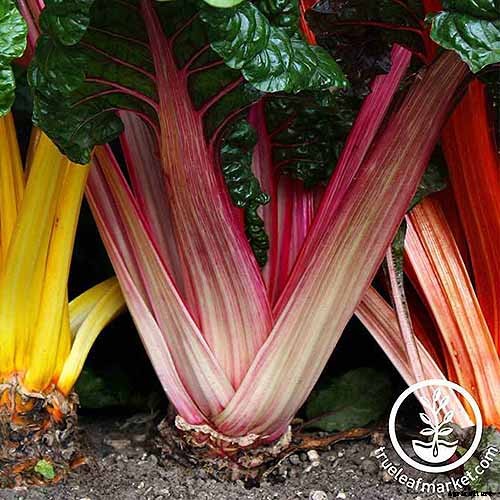
‘Bright Lights’
A vigorous and adaptable cultivar, it has a mild flavor similar to spinach. Plants grow 18 to 24 inches tall and can be picked in 20 days for baby greens, or 55 days for full-sized plants.
Open-pollinated seeds in a variety of package sizes are available at True Leaf Market.
With an above-average abundance of light green, mid-sized leaves on white stalks, ‘Lucullus’ is an old-time heirloom favorite with a mild, slightly bitter flavor.
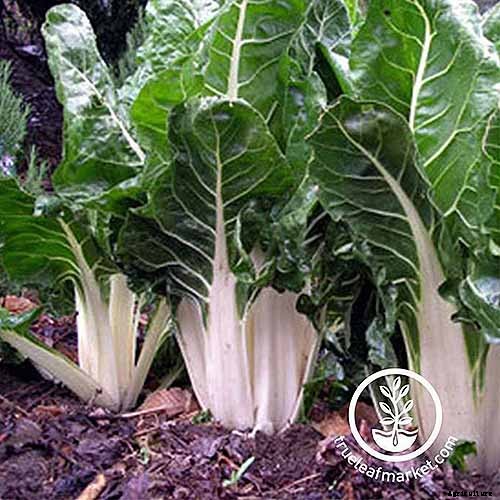
‘Lucullus’
Very tolerant of heat and cold, the vigorous plants grow to 18 to 22 inches. Harvest baby greens in 25 days and full-sized plants in 50 days.
Pick up seeds at True Leaf Market.
Perfect for the autumn garden, ‘Orange’ features bright orange stalks and veins with rich, deep green leaves that have a crumpled texture and a mild, earthy flavor.
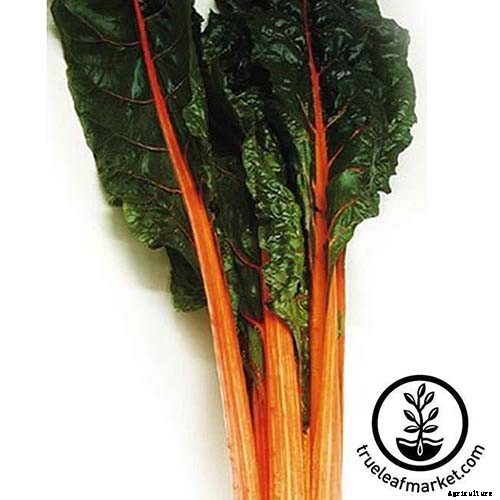
‘Orange’
Adaptable and hearty, the mid-sized plants grow eight to 14 inches. Tender greens can be cut in 25 days, or harvest full-sized plants in 55 days.
Seeds in a variety of package sizes are available at True Leaf Market.
An heirloom variety with lightly rumpled leaves and white stems, ‘Perpetual Spinach’ is a rewarding plant that increases production the more it’s cut.
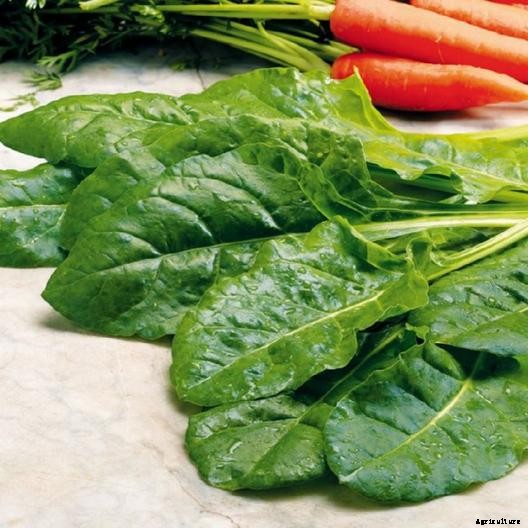
‘Perpetual Spinach’
With a delicious spinach-like flavor, as the name suggests, and excellent cold hardiness, the compact plants grow eight to 10-inch stalks and have mid-sized ovate leaves.
Harvest tender salad greens in 25 days, or wait 50 days for plants to mature.
Seeds are available at Eden Brothers.
With vibrant cranberry red stems topped with deep green to maroon leaves, ‘Red Magic’ casts a bewitching spell.
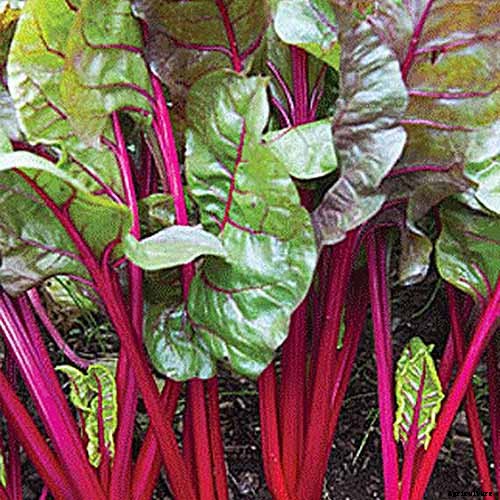
‘Red Magic’
The savoyed leaves of this hybrid are flavorful and fast growing, on plants that reach 12 to 18 inches in height. Harvest tender salad greens in 25 days or mature plants in 55 days.
Seed packets are available at Burpee.
Aptly named, ‘Ruby Red’ has glorious red stems and veins that add eye-catching appeal to the deep green and highly savoyed leaves.
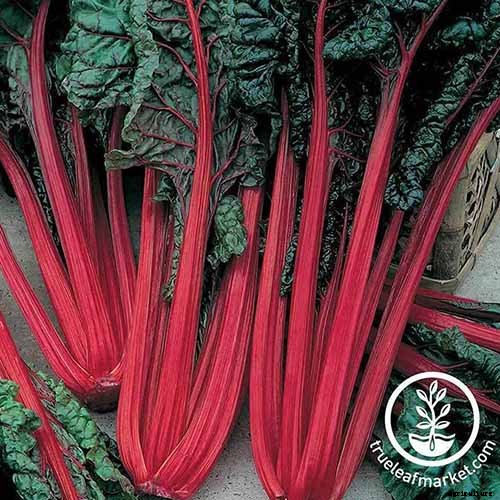
‘Ruby Red’
Prolific plants, this heirloom can grow up to 22 inches tall. The leaves are excellent in salads and smoothies, or they may be enjoyed steamed.
Harvest baby greens after 25 days, or expect a growing time of 55 days for full-sized plants.
Seeds are available at True Leaf Market.
Flavorful and pretty as an ornamental, ‘Yellow’ starts out with orange stalks that change to bright yellow as they mature, topped with highly savoyed, dark green leaves.
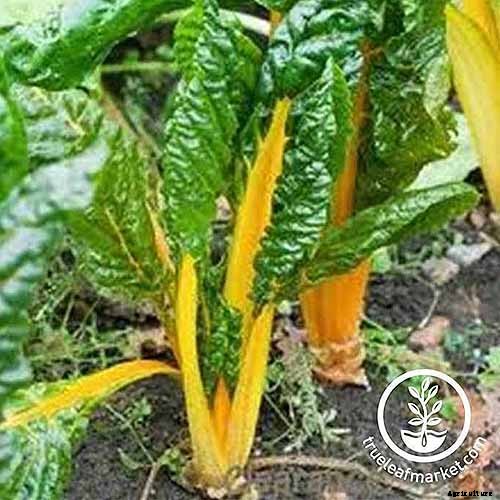
‘Yellow’
The mid-sized leaves grow on stems of eight to 14 inches. Young leaves can be harvested in 25 days, or expect 55 days for mature plants.
You can purchase seeds at True Leaf Market.
With fantastic rumpled leaves, flavorful nutrition, and heat and cold tolerance, Swiss chard is one cool crop for the autumn garden!
A great choice for late season greens, you’ll love how quickly it grows in response to the crisp evenings of early fall – and the colors are outstanding.
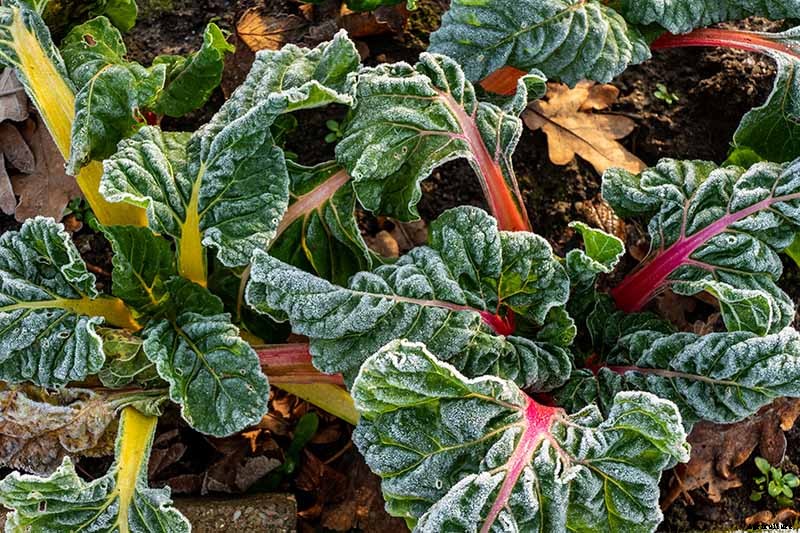
Plant seeds in succession for a steady harvest, and remember to water seedlings generously. After that, just pick regularly, and enjoy!
Do you folks like to plant fall crops like Swiss chard? Drop us a note in the comments and tell us about your favorite varieties.
And for more information about growing Swiss chard, check out these guides next:


