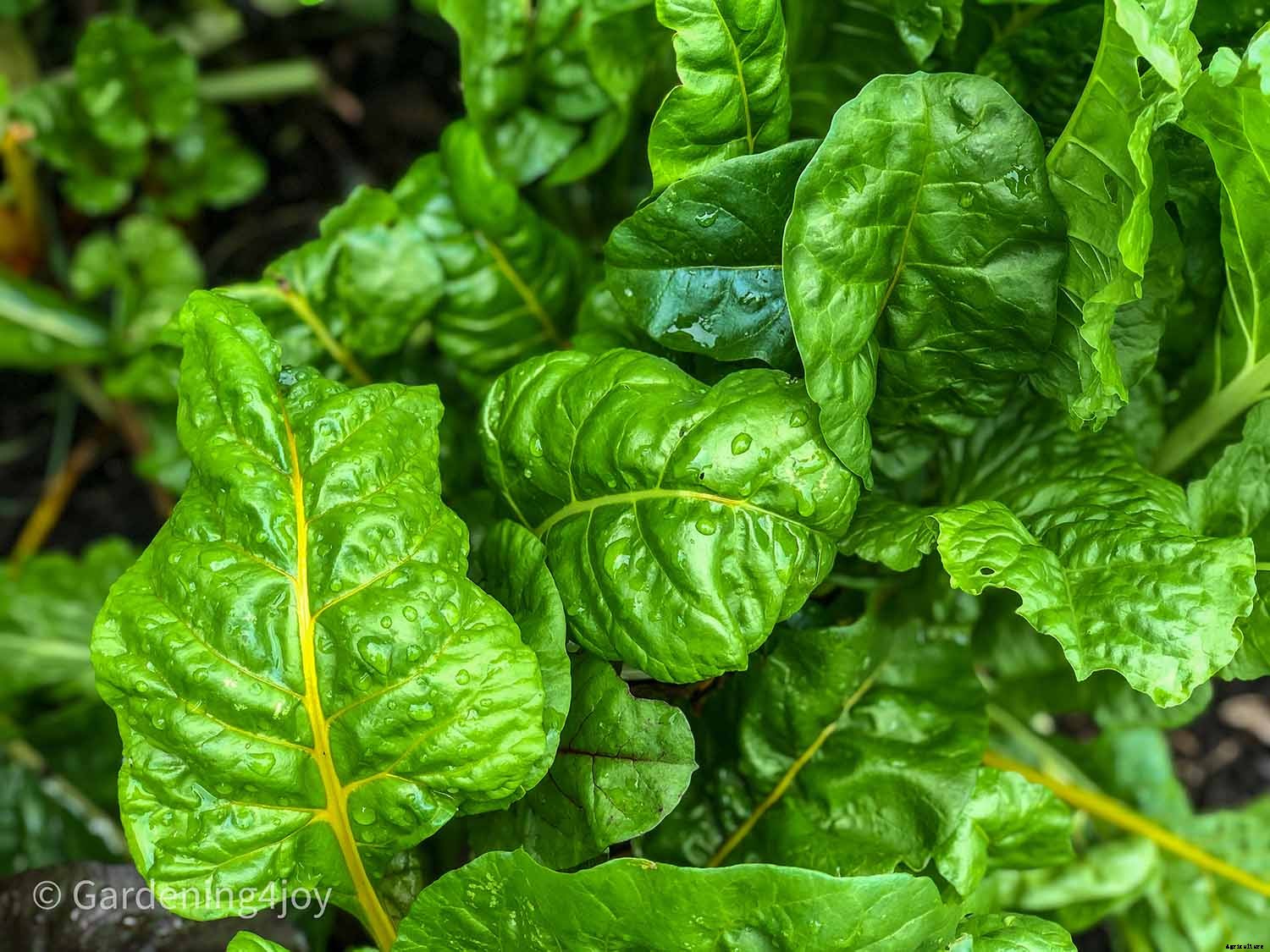
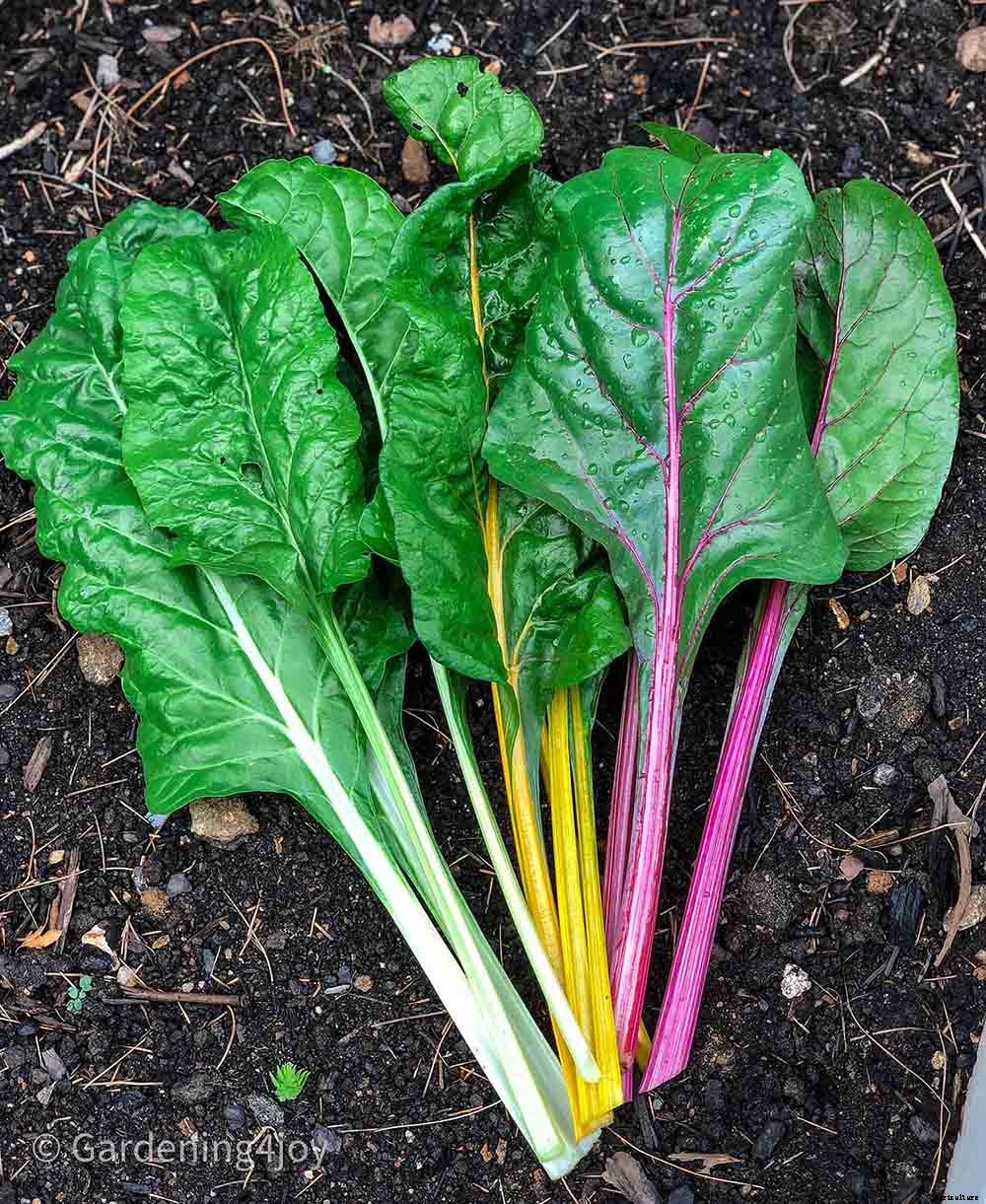
I can still remember the first time I experienced swiss chard. Our family participated in a community share program at a local farm. One week we received this beautiful leafy plant with rainbow stems called swiss chard. What to do with this lovely vegetable? After doing some research and trying a few recipes, I now have my favorite ways to use swiss chard. See the section below on ‘Preparing’ for my favorite recipe. Continue reading to learn how to successfully grow swiss chard.
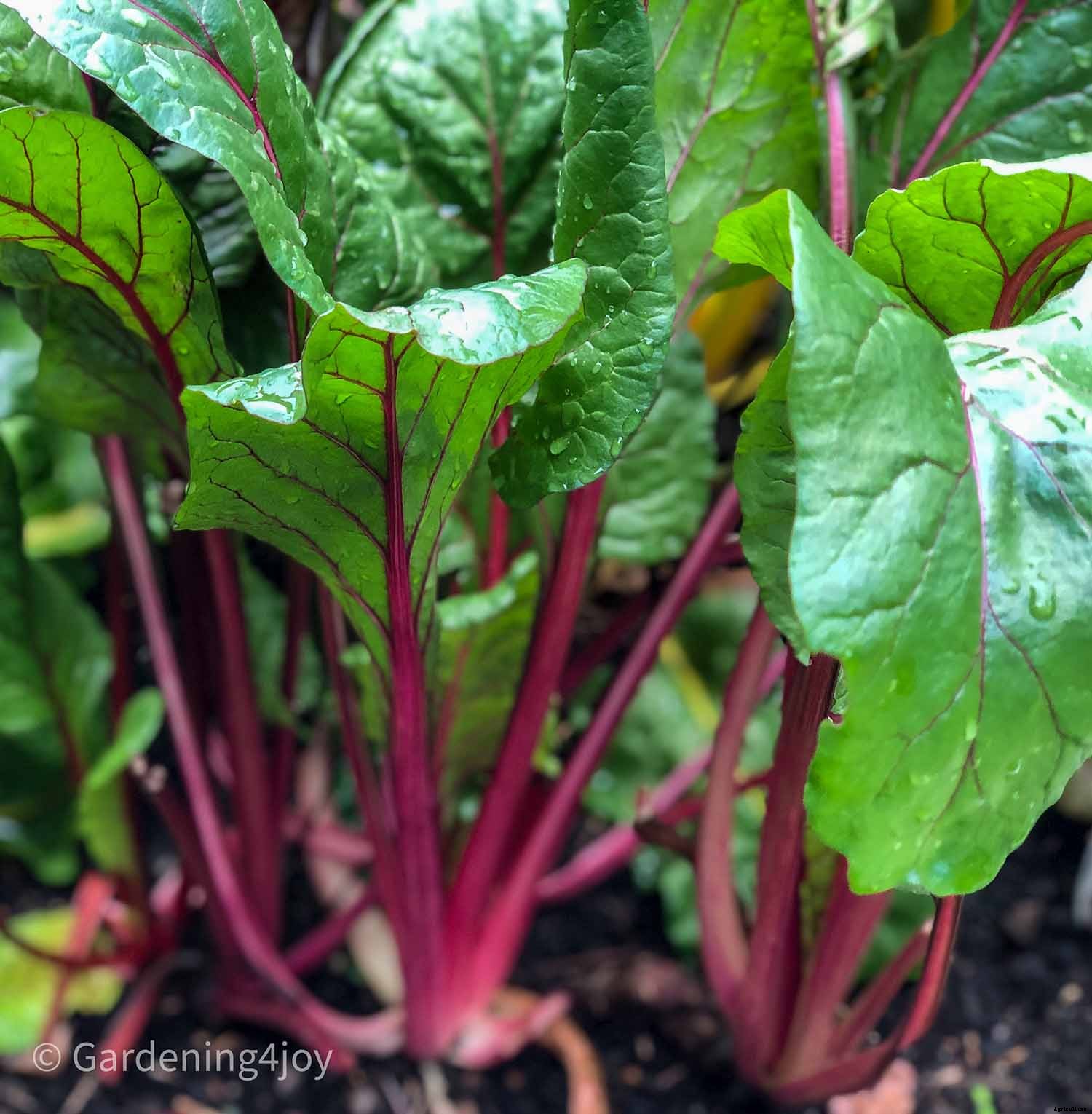
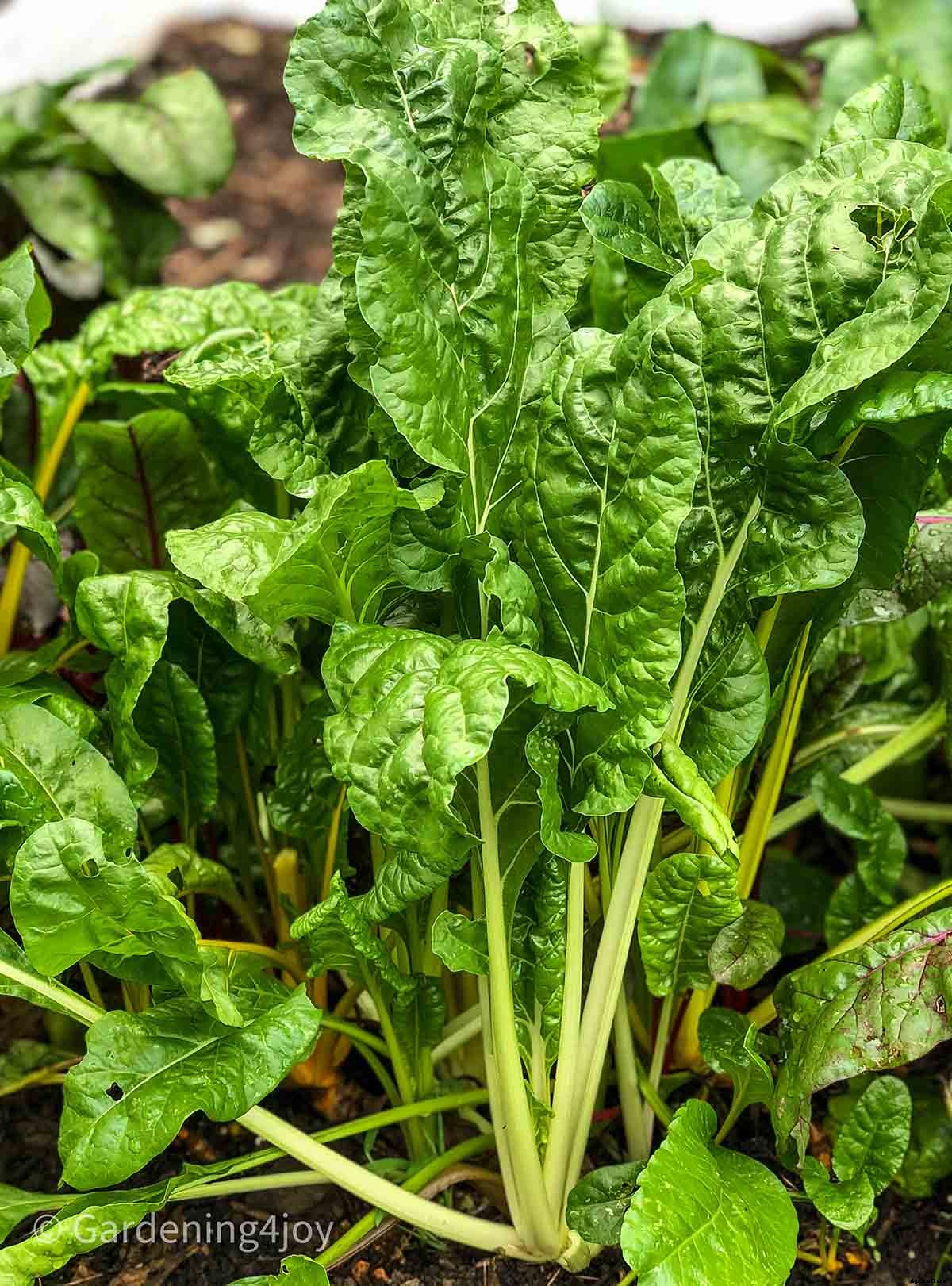
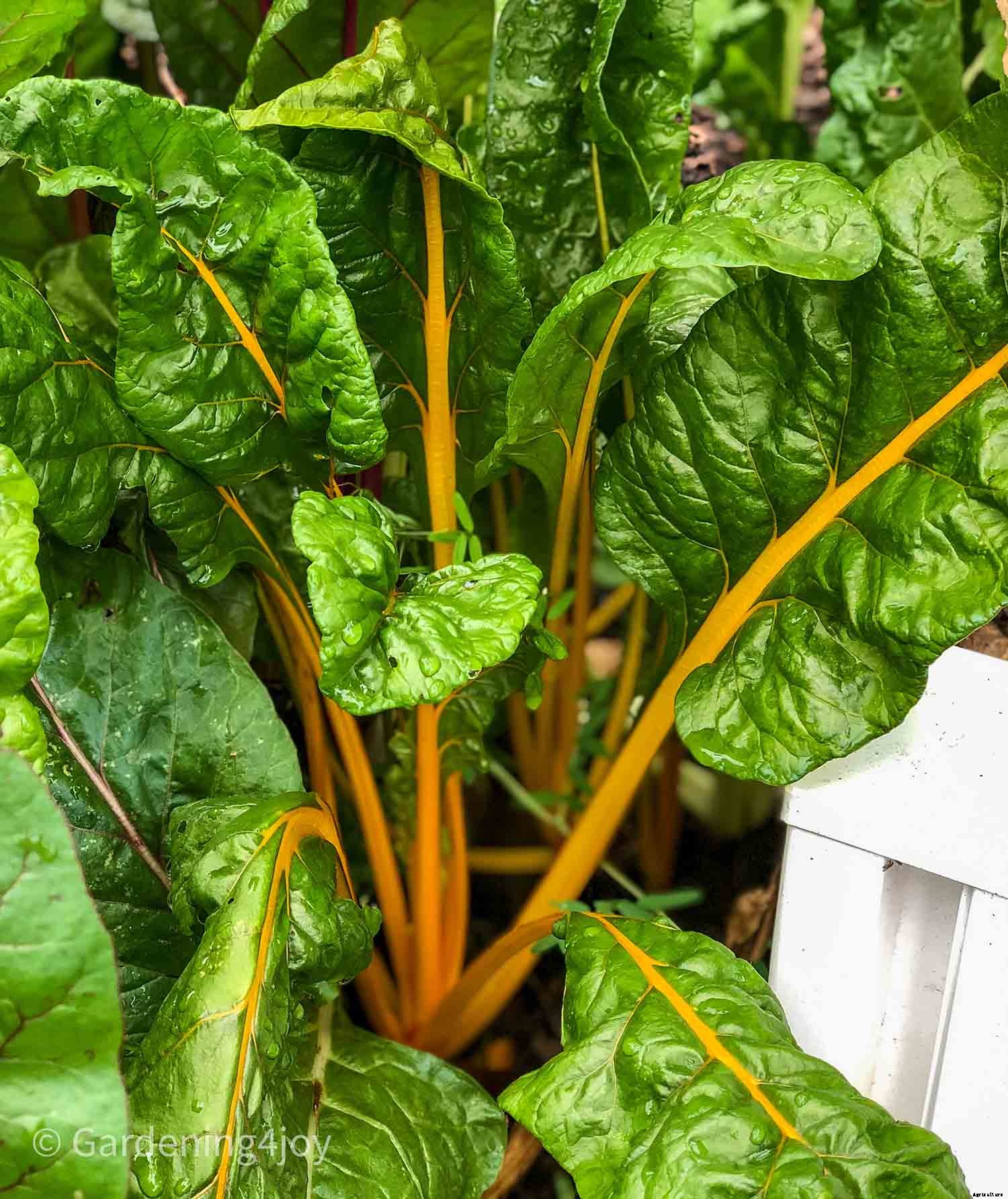
However, besides being able to taste its lovely woody flavor, there is more to this plant. What really makes this plant stand out are two special characteristics. First, it is an attractive plant with its crinkly leaves and uniquely colored stems of red, yellow, white, and orange. Because of this visual interest, swiss chard can be grown in both the vegetable garden and in the ornamental flower garden. Second, swiss chard is one of the few leafy vegetables that can withstand the heat of summer. I fully expected my swiss chard to wither away during the heat of summer, but it continued to grow abundantly.
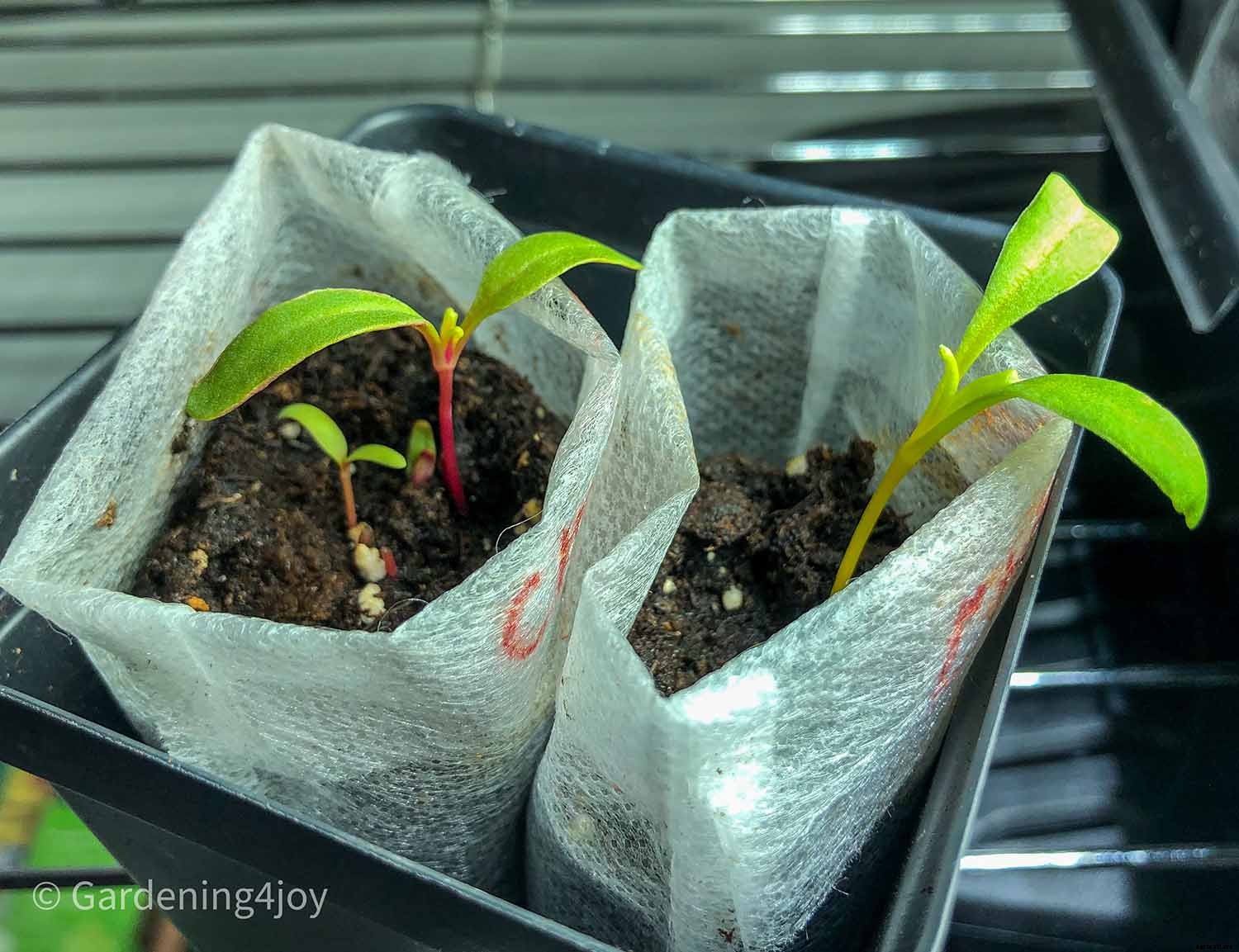
Swiss chard is closely related to beets and is in the same family as spinach. Direct seeding is the most common manner to grow swiss chard, but it can also be transplanted from seedlings. Furthermore, swiss chard seeds are fascinating. Within each seed is a collection of seeds (embryos) that will produce more than one plant.
As an Amazon Associate, this post may contain links to products on Amazon. I earn a small commission from qualifying purchases.
Plant Swiss Chard
Timing: Start planting swiss chard when soil temperatures are above 40°F. Colder temperatures will cause swiss chard to go to seed.Swiss chard can be planted all summer up to temperatures of 95°F degrees with the ideal temperature being 85°F. Swiss chard is ready in ~60+ days.
Light: Swiss Chard prefers full sun.
Soil: Swiss Chard needs soil that is well-drained, moist, and fertile. A pH of 6-7 is best (to determine your soil pH, perform a soil test by contacting your local Cooperative Extension). Harvests will be better if you prepare your soil with the addition of composted organic matter and an all-purpose fertilizer (like Espoma Plant Tone Organic Fertilizer). Work the organic matter and fertilizer into the top 6 inches of soil.
Spacing: Plant (or thin) seedlings 4-6 inches apart in rows that are 18-30 inches apart. Always double-check the guidelines on the back of the seed package for planting depth and spacing.
Special Considerations: Prior to planting, soak seeds for 24 hours in warm water. This will aid germination. Further, swiss chard seeds are a fruit containing several embryos and must therefore be thinned.
Grow Swiss Chard
Fertilizing: Swiss Chard is a heavy feeder.
At direct seeding or transplant: Prepare the soil with the addition of composted organic matter and an all-purpose fertilizer (like Espoma Plant Tone Organic Fertilizer). Work the organic matter and fertilizer into the top 6 inches of soil.
Halfway through the growing season, apply a side dressing of the same fertilizer.
Watering: Keep plants uniformly moist. Water deeply during dry periods.
Mulch: Organic mulches (e. g. straw, dry shredded leaves, wood chips) can be used to ensure that the ground retains moisture and maintains soil temperature. Apply 2-3 inches around the base of the plant.
Row Covers: Protect swiss chard from cold and insects with row cover. This is the most effective form of organic control to use. For more information on row cover, check out my post How to use Floating Row Cover in your Organic Garden
Companions: Common companion crops include alliums (onions, garlic, leeks, chive), members of the cabbage family (broccoli, cabbage, kale), celery, and lettuce. Avoid planting swiss chard with squash, cucumbers and melons.
Crop rotation: Practice crop rotation to reduce disease. Rotate swiss chard along with other root vegetables such as carrots and radish. Plant in a bed that has not contained root vegetables for the past three-four years. For more information on how to develop a crop rotation plan for your home garden, check out my post Crop Rotation for the home gardener.
Seeds: Swiss chard seeds can be saved for four years.
Other: Trim old, maturing leaves to encourage new growth.
Potential Problems Growing Swiss Chard
The best prevention is raising healthy plants and keeping them healthy:
Plant swiss chard when the soil is at least 40°F degrees
Apply correct fertilizer
Rotate crops each year. Because chard is in the root family of vegetables, I rotate swiss chard along with my radish and carrot crops. Do not plant swiss chard in the same bed for 3-4 years.
Purchase high-quality seed.
Use drip irrigation and keep the soil uniformly moist.
Here are a few problems that can occur:
Flea beetles, aphids and leaf miners are common pests of swiss chard. They can be controlled by covering the crop with a light row cover.
Slugs in the soil can do damage to the swiss chard leaves. Apply an organic control to eliminate slugs from reproducing in the soil. Determine the breeding time for slugs in your area and apply it during that time. I use an organic product called Sluggo that has worked very well in my garden.
Swiss chard can also be impacted by fungal leaf spot. To prevent disease, plant disease-resistant varieties and follow good cultural practices (soil, water, sun, mulch). Never put diseased plants into the compost pile.
If you suspect that something is wrong with your swiss chard and live in the US, check with your Cooperative Extension for help in identifying and determining appropriate controls for pests and disease.
Harvest Swiss Chard
Swiss chard falls into the ‘cut and come’ again category of harvesting. In other words, you can continually harvest the outer leaves of swiss chard and new leaves will grow. Alternatively, the whole swiss chard head can also be harvested. The younger leaves on swiss chard are the tastiness. During the heat of summer, the leaves can turn bitter. However, they will return to a sweeter taste when cooler weather arrives.
After harvest, rinse the swiss chard leaves, place in a plastic bag with ventilation, and store in the refrigerator (32°F with 95% Relative Humidity). It’s best to use the swiss chard the same day it is harvested. It will, however, last for approximately one week when stored in the refrigerator after harvest.
Preparing
Swiss chard can be sautéed, steamed, or used in soups, salads, and sandwiches. Many times, you will see baby swiss chard leaves in salad mixes available at supermarkets. Here is my favorite recipe for swiss chard:
Swiss Chard with Pasta – Any pasta can be substituted in this recipe. If you want a simple and delicious meal, you can’t go wrong making this dish.
I hope you have found this post on how to successfully grow swiss chard useful and I wish you success!
Recommended varieties
Rainbow: Mix of white-stemmed Swiss chard, red chard, and golden chard, 60 days to maturity
Bright Lights: Savoyed green or bronze leaves with stems of gold, pink, orange, purple, red, and white with bright and pastel variations. 55 days to maturity
Botanical information
Family: Chenopodiaceae (now included within family Amaranthaceae)