
Welcome to Modern Agriculture!

 Home » Growing Mint in containers is the best choice
Early in my gardening career, I remember finding a plant growing throughout one of my 4×4 foot raised beds in Spring. Because I did not know what the plant was, I began to pull the stems out of the garden bed. However, the more I pulled the more I found. Then, I noticed something curious about the plant. It had a lovely aroma. Finally, it occurred to me that this was the mint from the prior season. It was through this lesson, that I realize why growing mint in containers is the best choice.
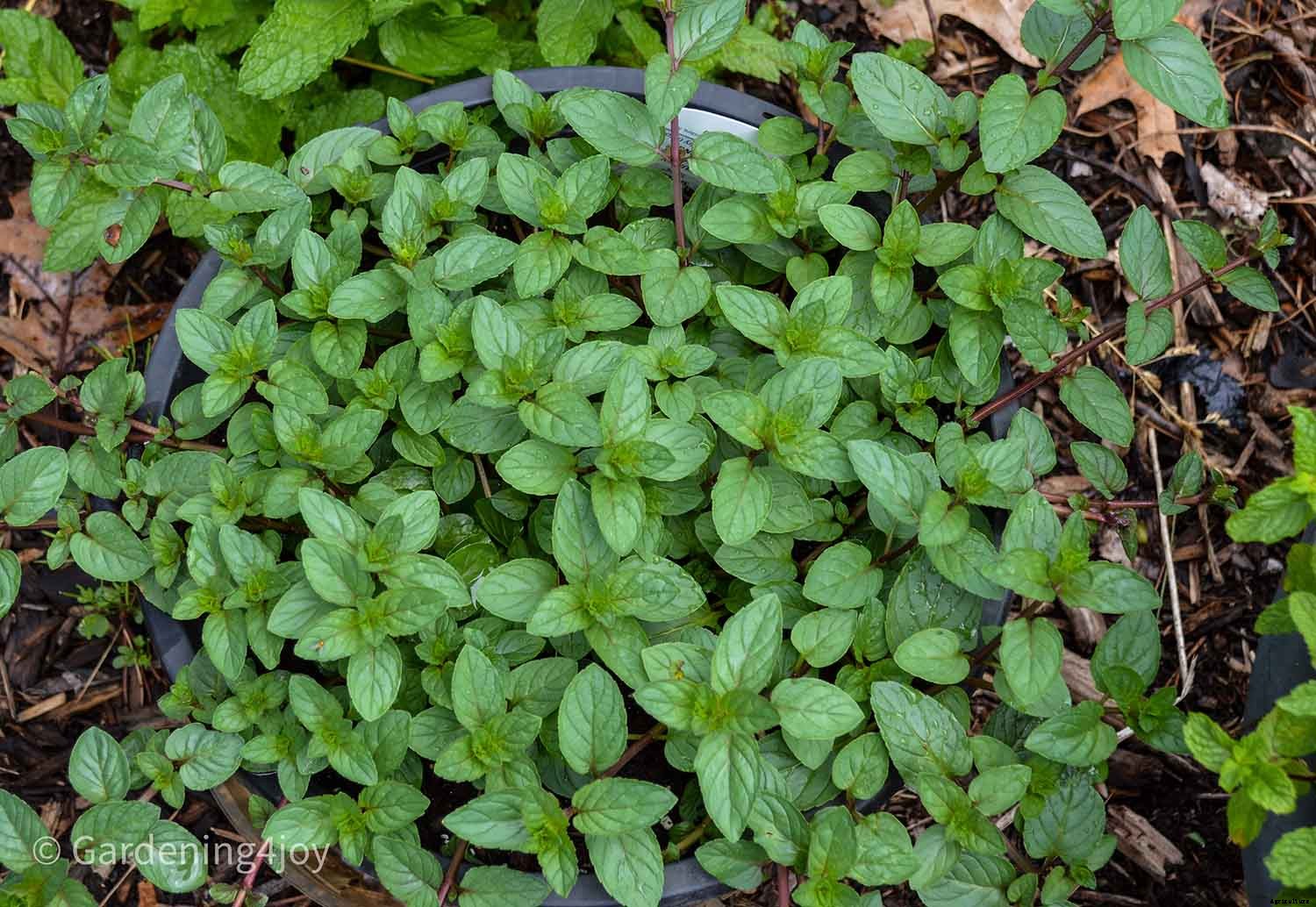
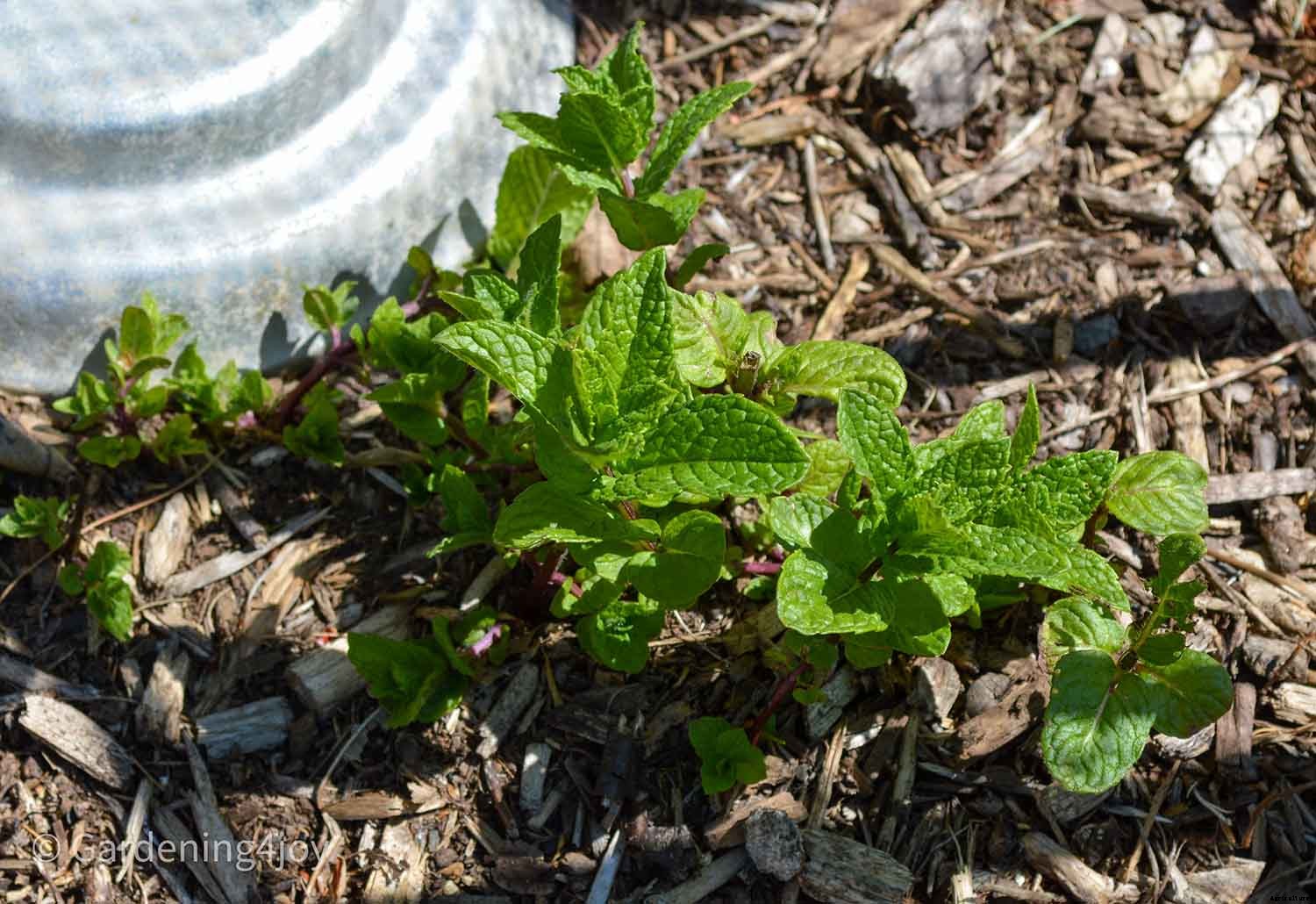
Mint is a rapidly growing perennial that spreads by underground rhizomes. In cooler temperatures, mint will die back and reemerge as temperatures warm. In addition, mint is an invasive plant as it spreads quickly and can out-compete other plants in your garden. The most popular varieties to grow are spearmint and peppermint. However, there are lots of fun and interesting varieties including chocolate mint and mojito mint.
Mint is propagated by either seed, cuttings or dividing. The easiest way to start a mint plant is to either purchase at a local garden center or ask a friend for a cutting from their established plant. If starting from seed, mint requires light to germinate, therefore, do not bury the seed in soil. Instead, lay the seeds on top of the soil and lightly press.
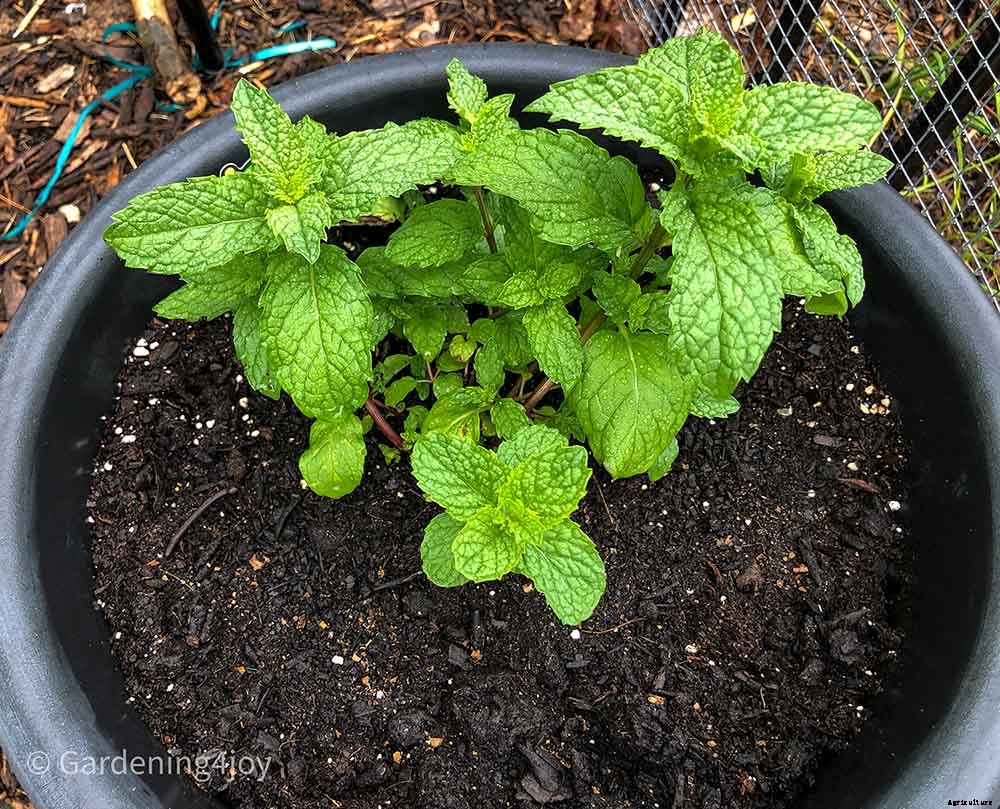
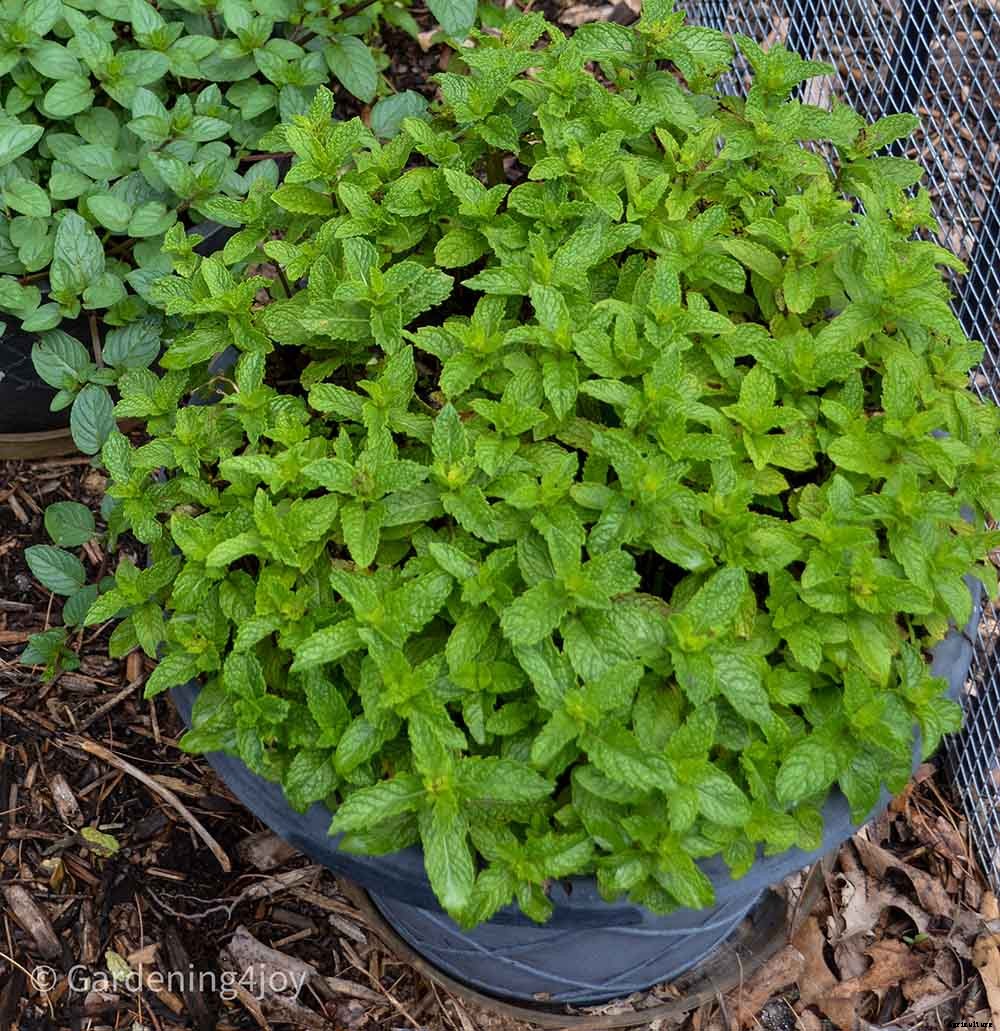
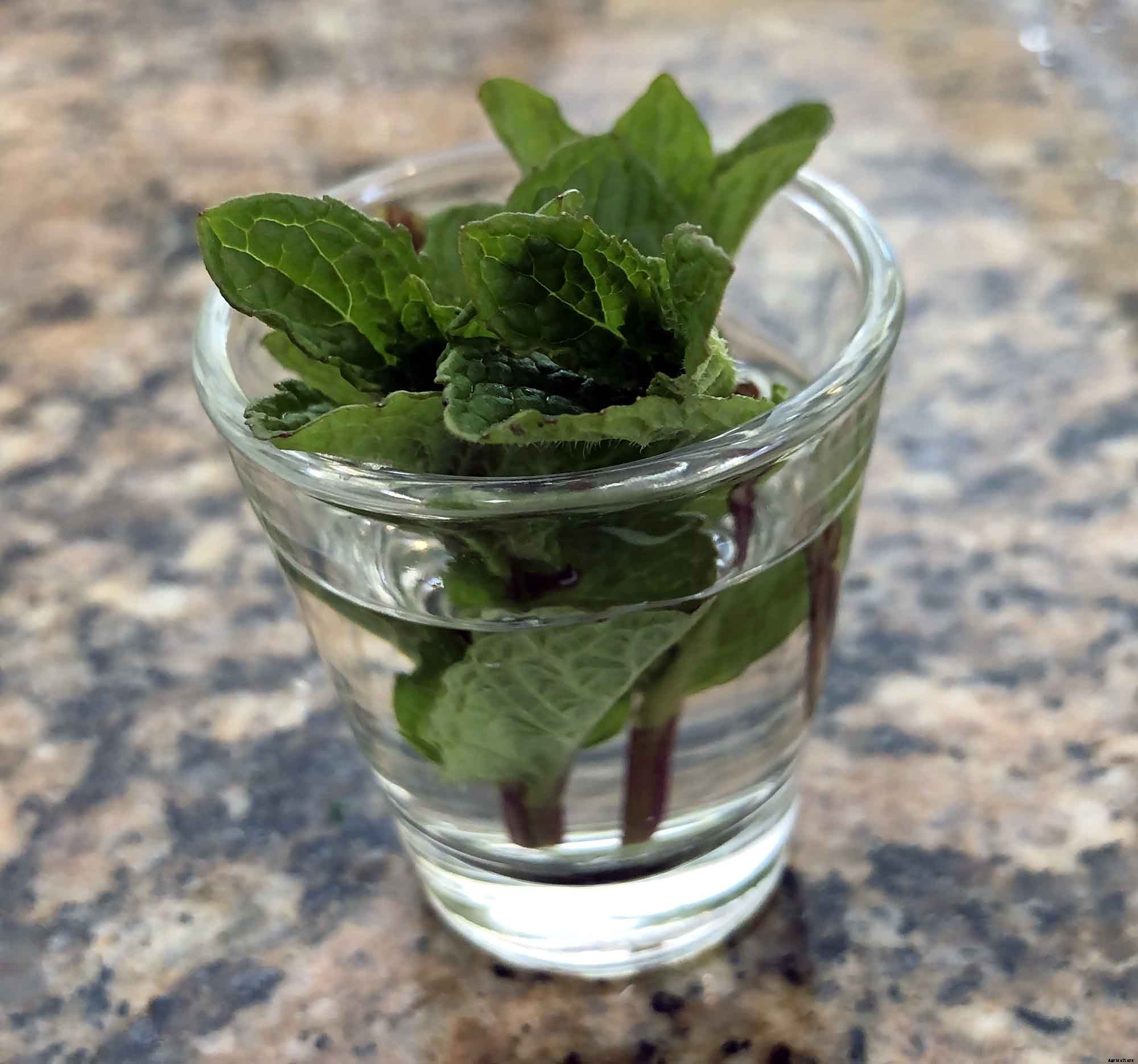
One of the nice attributes of growing perennial herbs, including mint, is the ability to propagate. For mint, here are three methods to propagate new plants from an existing plant:
Mint is a rugged plant. However, it can experience damage from spider mites, slugs and snails. The best defense is to follow good cultural practices:
Harvest mint late in the morning on dry and sunny days. The youngest leaves are the most flavorful. Cut a stem to within 1-inch of the soil. If the fresh mint is not used immediately, then follow this process after harvesting:
Mint can also be air dried and saved for future use. Here is the process:
Microwave drying is the least desirable method as much of the oil from the leaves is lost using this method.
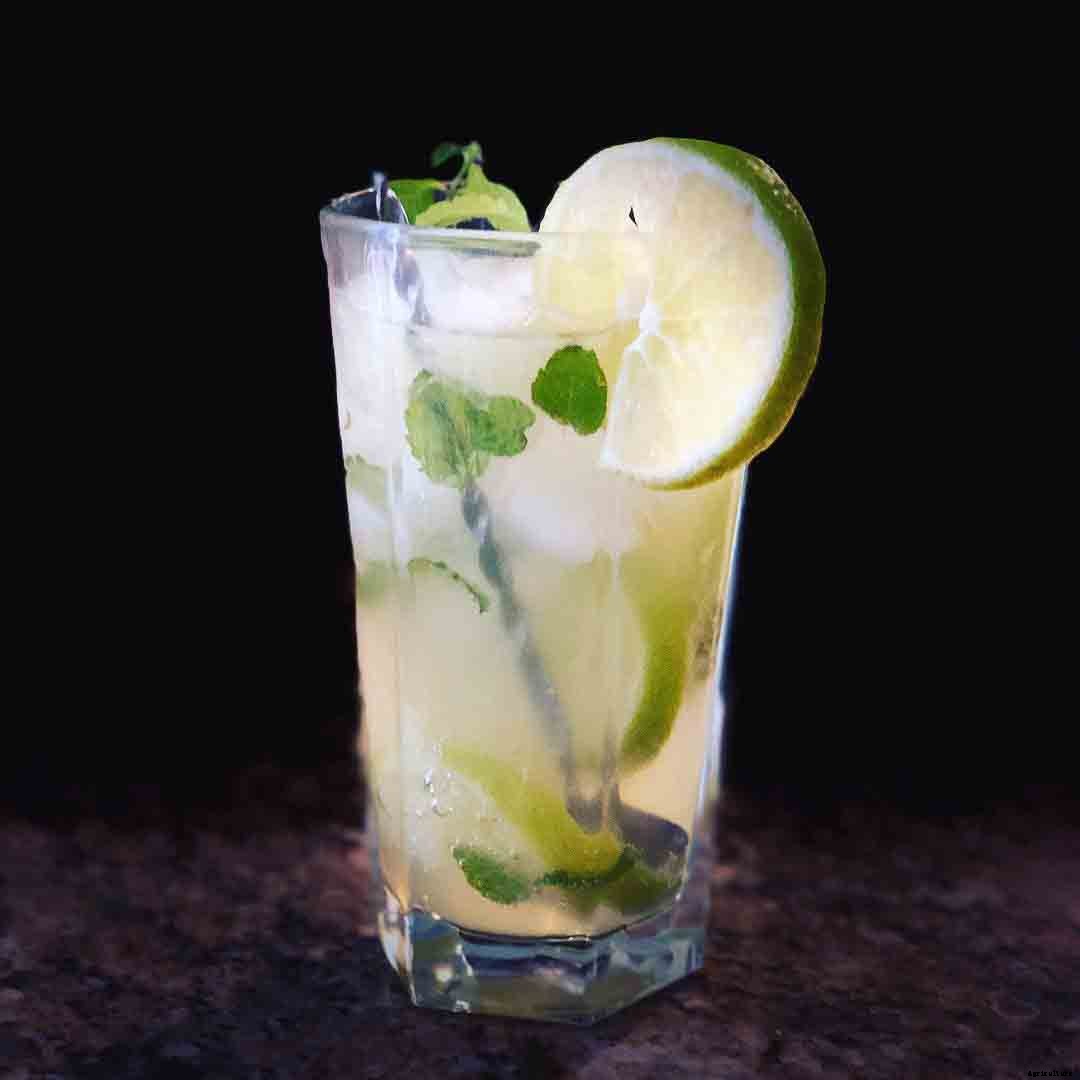
Mint is popular in Middle Eastern recipes including lamb dishes and tabbouleh salad. In addition, mint can be added to iced tea and lemonade. My favorite use of mint is to make a mojito cocktail. I have developed the ultimate mojito cocktail recipe complete with a video.
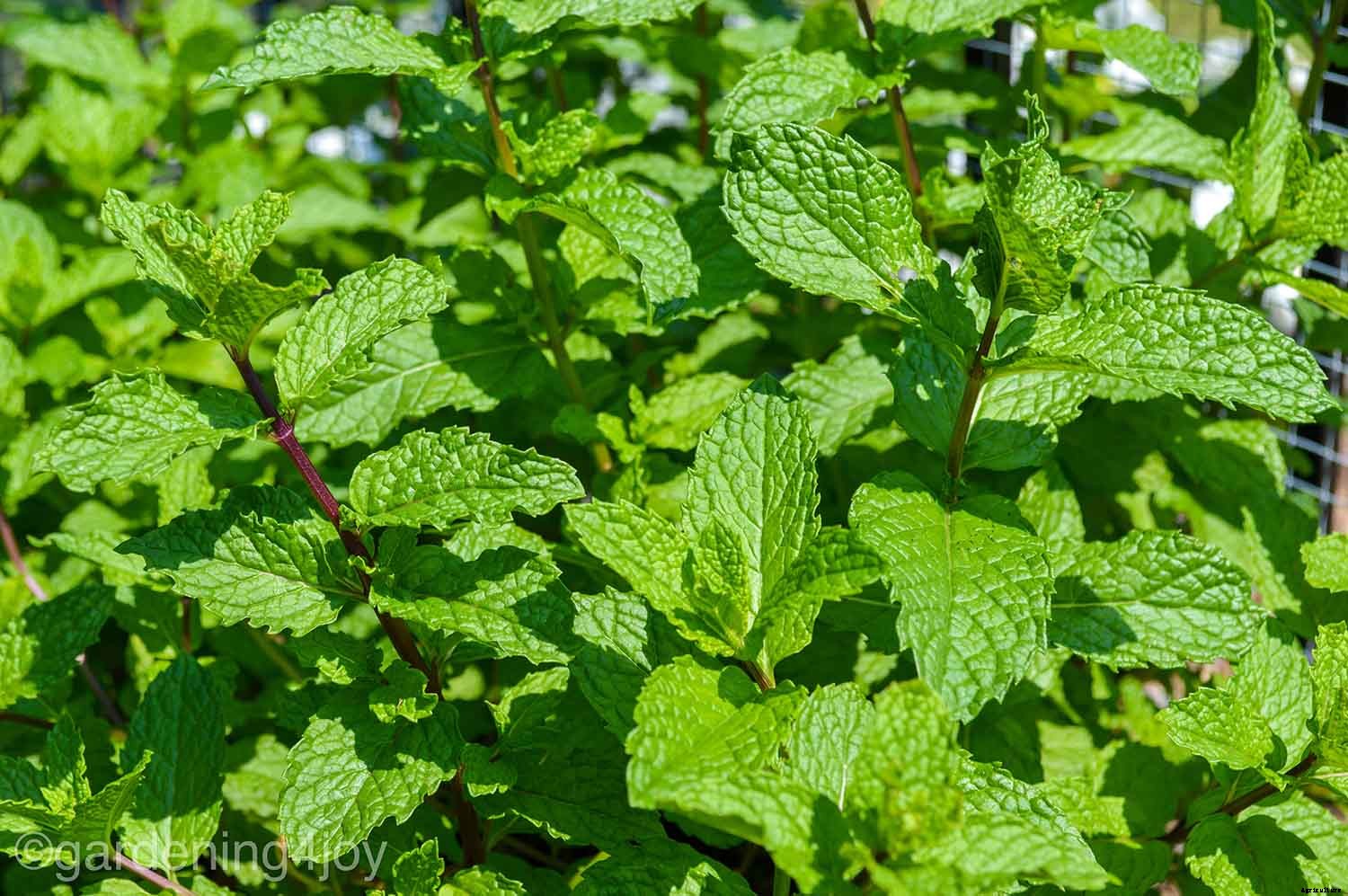
Spearmint or Garden Mint
I really enjoy growing mint in my garden and love being able to go out and snip off leaves as needed. Because of the invasive nature of mint, I hope you now agree that growing mint in containers is the best choice. Good luck with growing mint and please leave a comment with any questions.
You might also be interested in the following posts about growing other herbs:


