
Welcome to Modern Agriculture!

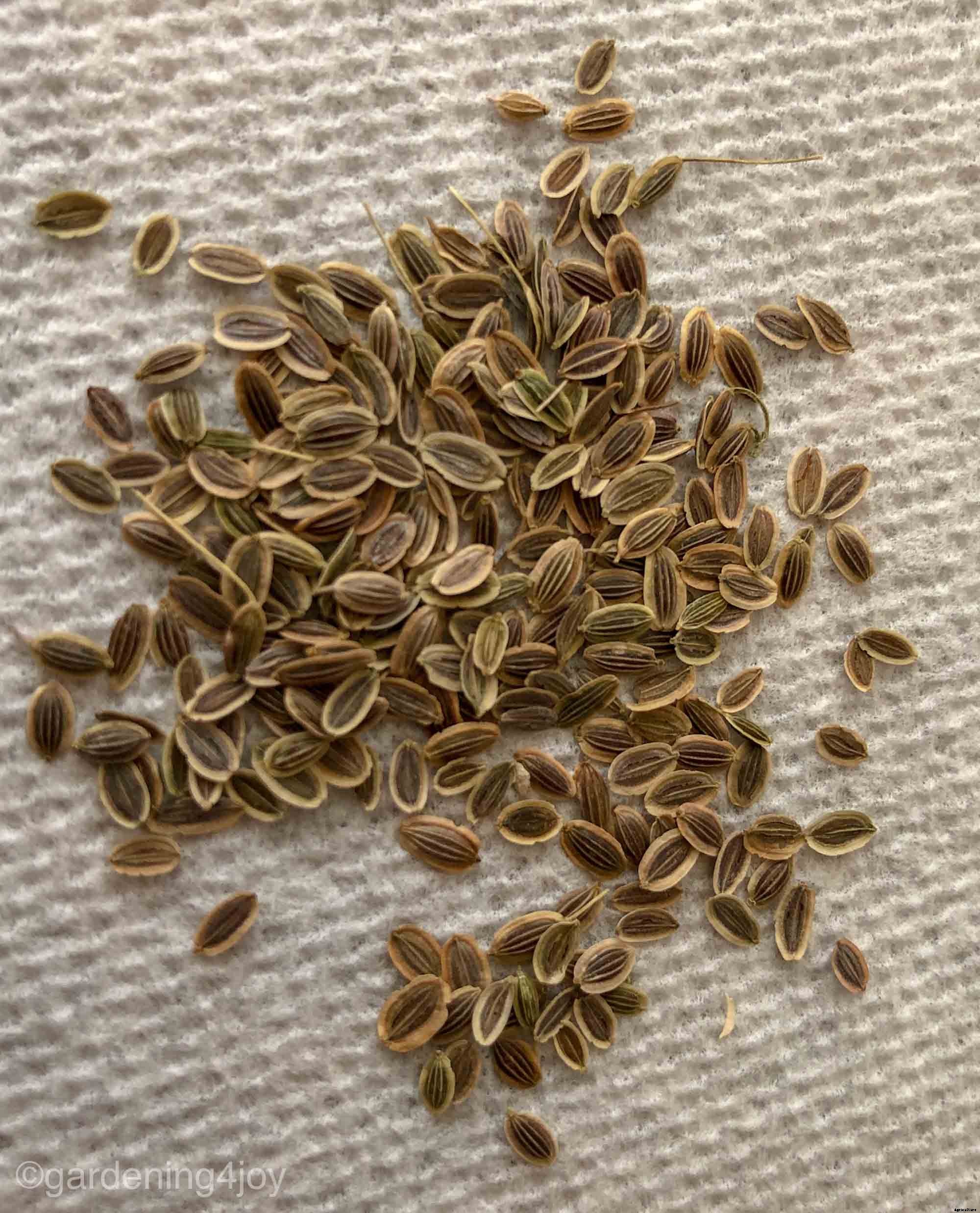
As a Master Gardener, I give talks at libraries and garden clubs on starting plants from seed. A frequent question I receive is ‘how long can I save seeds? With that in mind, I am writing this article on the life expectancy of vegetable and flower seeds. However, the real question to consider is ‘will my saved seeds germinate?’.
Before we get into life expectancy, here are a few best practices when it comes to seeds:
Next, let’s look at two factors that dramatically impact seed life expectancy. First is the biology of seeds. The second is seed storage considerations.
A seed or embryo is amazing because it contains all the nutrients necessary to develop into a plant. However, over time those nutrients are consumed, and when consumed the seed embryo must either grow or it will die. Furthermore, different varieties of plant seeds and even seeds within a single seed package consume these nutrients at different rates leading to viability in seed germination. Or, said another way, nutrient consumption impacts how long a particular seed can be saved.
In general, seeds need to be stored in a dry and cool location to maintain nutrients. Considerations for seed storage are temperature, moisture, and consistency.
Remember, seed storage will impact the viability in future years.
The US Department of Agriculture sets standards on seed germination rates for growers. Many times, the expected germination rate will be listed on the seed package. For example, if a seed package indicates a 90% germination rate, that means that 9 out of 10 seeds in the package should germinate. As seeds age, the germination rate will decrease. To be conservative, I assume a 50% germination rate for seeds that have aged one plus years. At a 50% germination rate, only 5 out of 10 seeds will germinate. This simply means you need to use more seeds to get the same number of plants.
If you have a good quantity of saved seeds, you may want to perform a germination test. Here’s a good resource from the University of Michigan Extension for how to do a germination test.
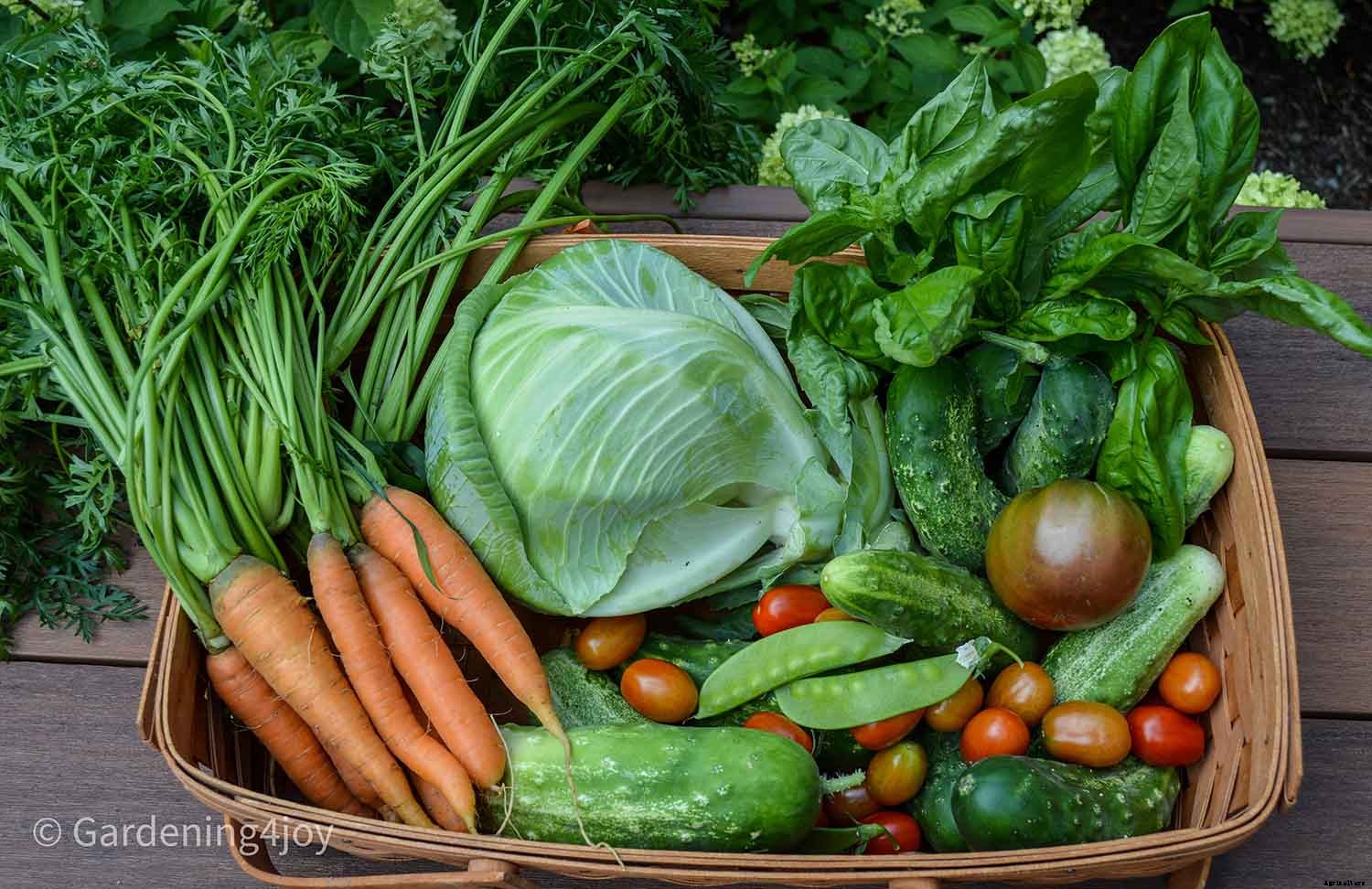
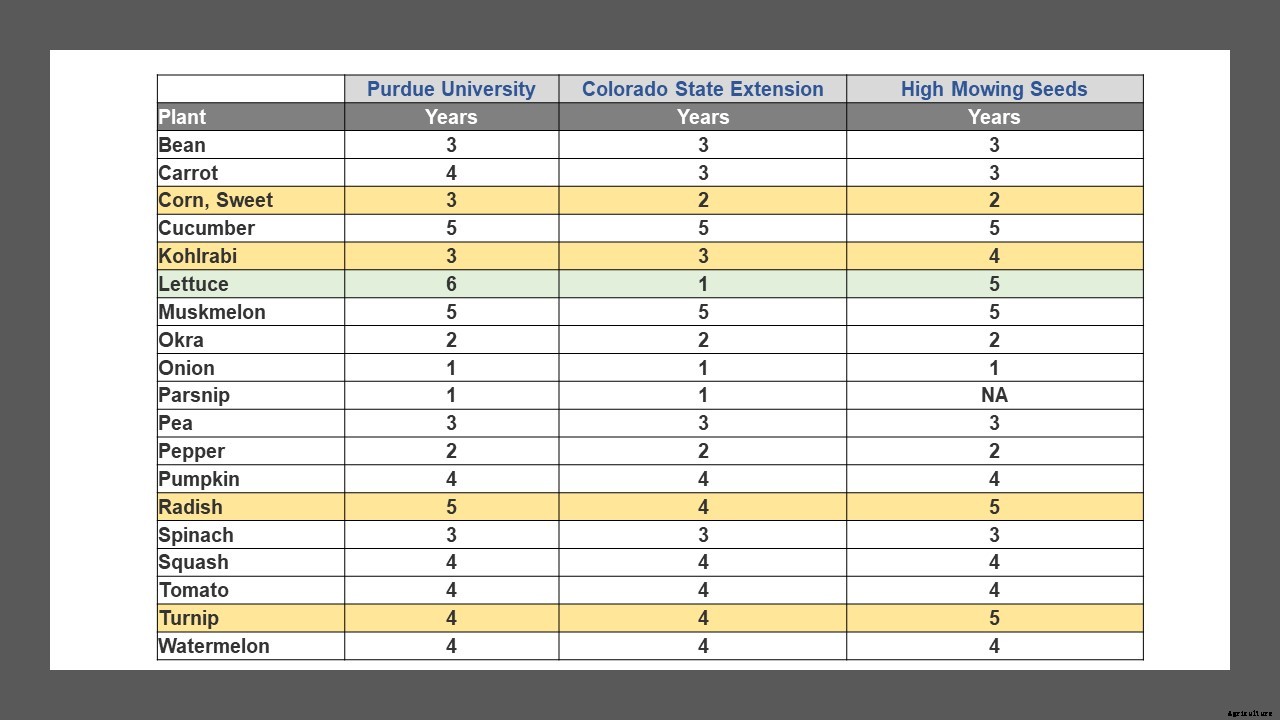
Now, we look at a comparison of how long vegetable seeds can be saved based upon three different resources. While there is general agreement across the three resources, there are also a few exceptions. Lettuce stands out as a rather significant difference. I don’t have a research-based explanation for the difference in lettuce seed viability. However, what I did notice is that earlier research (1970s) of lettuce seed viability indicated that lettuce seed is only viable for one year. Today, newer varieties of lettuce can be stored for a longer period.
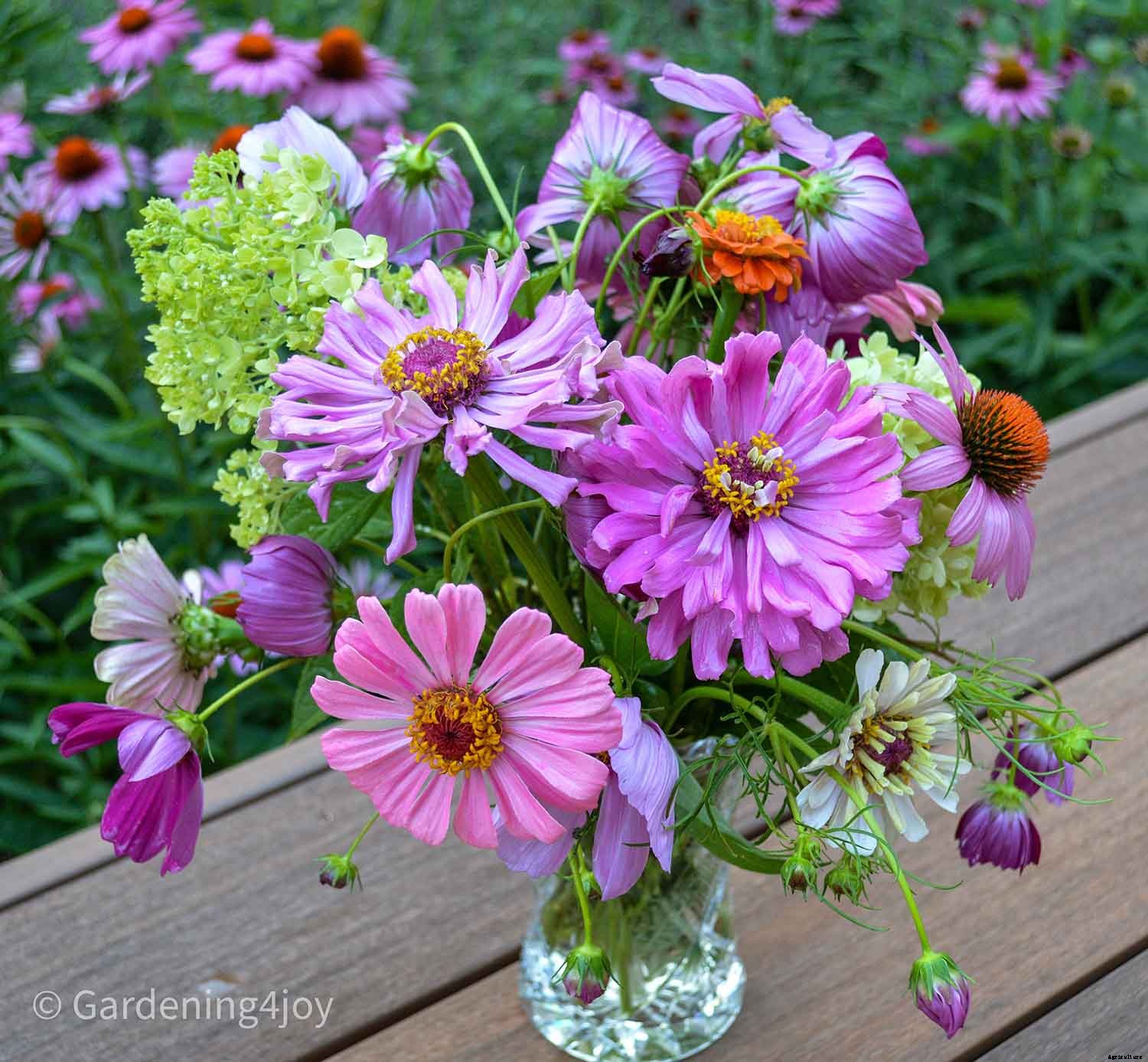
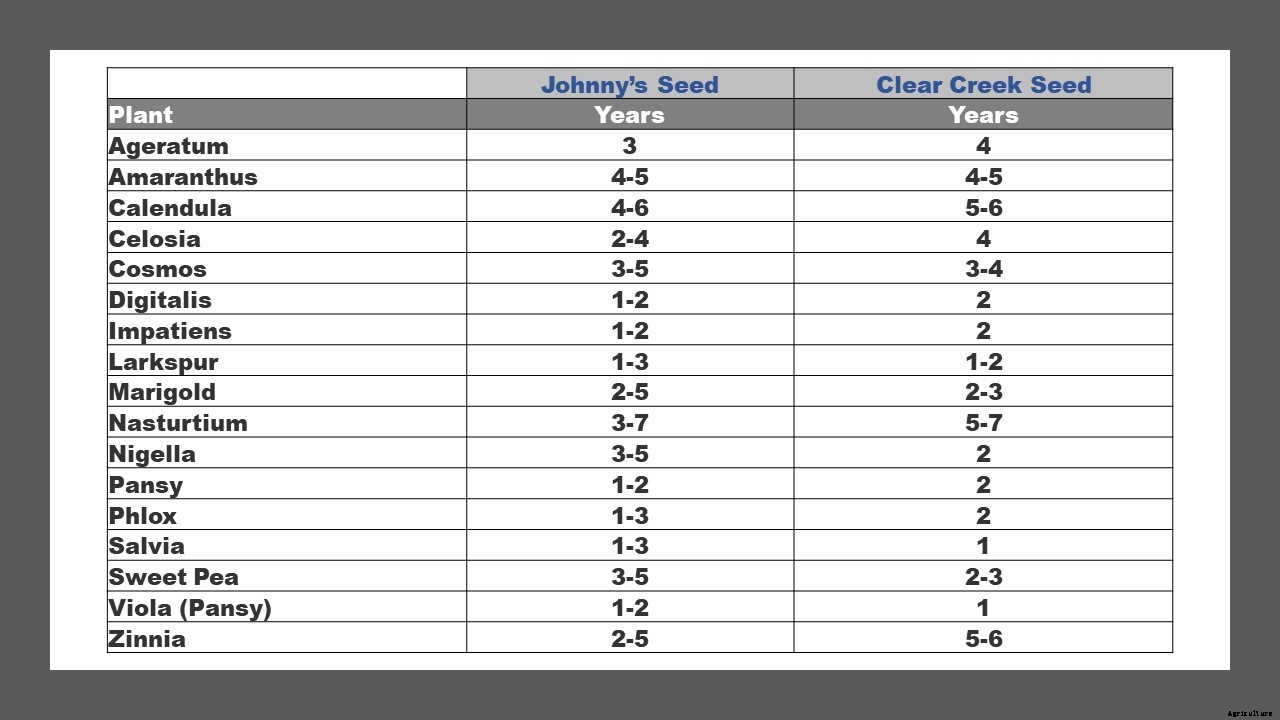
Next, we look at a seed viability chart for some common flowers based upon information from two different seed companies. Again, while there are a few differences, nothing is significant.
As a home gardener, it will be inevitable that seeds will need to be stored for future use. By following the storage guidelines on temperature and moisture, you should have good success with saving seeds for a few years. I hope this article has demystified the life expectancy of vegetable and flower seeds.
In addition, you might also be interested in the following articles:


