
Welcome to Modern Agriculture!

Introduction to growing organic Mint
Mint plants are vigorous perennials that thrive in light soil with good drainage. Growing and planting Mint indoors is very easy. You can find Mint growing indoors in a pot of soil and even in a bottle of water. For starters, you need a container with adequate drainage for healthy plant growth. Pot up Mint plant with a good potting mix, either a regular commercial type or one with equal amounts of sand, peat, and perlite mixed in.
Mint plant is said to be the easiest to grow out of all herbs. It’s great for beginning gardeners and uses Mint leaves to add flavoring to a wide array of food and beverages. It serves as a natural pest deterrent around other vegetables. Mint plant is a lovely, low-maintenance plant with a wide variety of applications in food, drinks, and household products. Mint plant grows best as a potted plant, so it is a lovely plant to grow indoors. If you’d enjoy growing Mint in your home, all you want to do is acquire a Mint seedling, re-pot it, and perform some routine care.
Mint prefers a rich soil with a slightly acidic pH level between 6.5 and 7.0. If the soil is somewhat lean, top-dress yearly with organic matter and then apply an organic fertilizer mid-season after shearing.
Mint plants are perennial herbs and they grow all year through. The plants grow in direct and indirect sunlight, to differing heights. They require moist soil, which means daily spritzing and watering. The plant roots tend to spread and invade the space of other places, which is why it’s best if you grow them in pots, even in garden plots.
Mint plant grows from underground runners and thrives on abundant water. It’s not fussy about soil and light, but ample water is mandatory for success. To prepare planting sites for growing Mint, dig in plenty of rich organic compost. Avoid using animal manures with potential weed seeds as weeding becomes difficult in an established Mint patch.
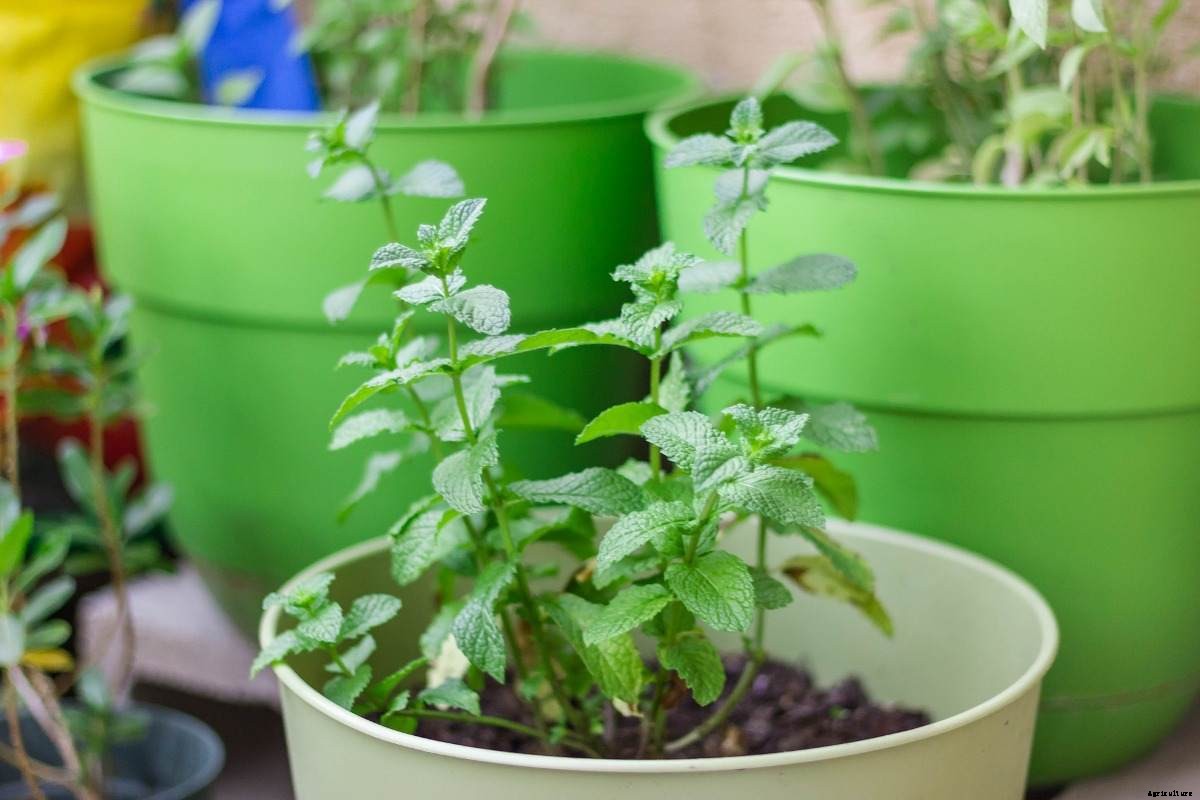
Mint plant spreads quickly, so you only need to place one Mint plant in a 10-inch pot. Seedlings and transplants need planting in the container at the same depth they were growing at in their previous pot.
Sow seeds about 1/4 inch deep. Sow 2 to 3 seeds in each container to ensure germination, and then thin out the excess plants when they begin to grow. Keep the soil moist and maintain temperatures near 70F until the Mint seeds germinate, which usually takes 7 to 10 days.
A planting location that receives six or more hours of the daily sun provides sufficient light for plant growth. Containers dry out more quickly than garden beds, so feel the soil every day and water when the top about 1 inch of soil feels dry.
The plant has enough water when the excess moisture drains from the bottom of the pot and into the drip tray, which requires emptying after each irrigation. Mint produces the best flavor with minimal fertilization. Mixing 1 teaspoon of slow-release about 16-16-16 fertilizer into the soil before you plant and then each subsequent spring provides sufficient nutrients to the young plant for a growing season.
In case if you miss this: How to Build a Rooftop Garden.
It’s quite simple to grow Mint from seed, you will have little idea what the plant will look like in the long run because Mint plants tend to cross-pollinate with each other and produce hybrid seeds. Some Mint varieties, like pepperMint, are almost impossible to grow from seed. This isn’t a problem for everyone, but if you want to grow a specific variety of Mint, it’s best to start with a transplant or cutting.
If you decide to grow Mint from seed, you can start your Mint plants indoors roughly seven weeks before the last frost and transplant them outdoors to have a thriving Mint supply all summer long. Mint seeds must be thinly spread on potting soil and left uncovered because they need light to germinate. In most cases, seed germination should occur within 2 weeks if you keep the temperature between 20 and 23°C. Once the Mint plants have their second set of leaves, they are ready to be moved outside.
If you have a source of thriving Mint plants, the easiest method to start some new ones is to grow them from cuttings. Then, simply cut a four-inch sprig about ½ inches above a junction in the branch. You can pull off any leaves in the bottom few inches and then place the sprig in water, making sure that none of the remaining leaves are under the waterline. Generally, after a week small white roots will appear, and a week after that the cutting is ready to be planted in soil.
There aren’t too many disease problems that Mint gets affected by, though some types of fungus can pose a problem. If you see orange-brown patches on the bottom of Mint leaves, your plant is suffering from rust and should be treated with a fungicide. Verticillium wilt and Mint anthracnose are also common insect problems for Mint plants, though they can be kept at bay if you keep plants watered and ensure there is good air circulation between each plant.
Only a few insects can stomach the strong smell of Mint enough to attempt to eat the plant leaves, but if you have a problem with aphids or flea beetles, you can spray the plant leaves down with a soap spray to encourage them to leave.
Several garden pests are common on Mint plant including aphids, cabbage loopers, flea beetles, and spider mites. And, apply least-toxic, natural pesticides to prevent further damage and establish control. Plants are susceptible to fungal diseases, such as rust and anthracnose. Hand prune infected leaves and apply organic fungicides such as copper or sulfur at the first sign.
Mint can sometimes get rust, which appears as small orange spots on the undersides of Mint leaves. Use an organic fungicide and try to allow Mint plants to dry between watering. Stressed plants may be bothered by whitefly, spider mites, aphids, and mealybugs.
Spider Mites
The mite associated with causing Mint plant damage is the Two-Spotted Spider Mite. These small translucent-colored pests live on the undersides of Mint leaves and cluster towards the top of new growths.
How to Get Rid of Spider Mites organically
Flea Beetles
Mint plants suffering from flea beetles are easily spotted, as the beetles will jump from the leaves when disturbed.
How to get rid of flea beetles
Loopers
Loopers are foliage-consuming caterpillars that reach 1 to 2 inches in length and are normally varying shades of green. Then, they cause significant damage by consuming large portions of leaves and stems.
How to get rid of looper worms
Cutworms
Cutworms of the larvae of several species of moths. They are found in the soil and feed on the stems of Mint plants. You could have cutworms if you see seedlings have been severed at the soil line. If the damage is not visible at the stem, you can notice your plants shrivel and die.
How to get rid of cutworms
Below are some important tips to help you get your organic Mint growing to its full potential faster.
Mint plant loves moist soil, remember moist soil not overly wet. You must be careful (especially in winter) with watering and don’t soak the plant both in the morning and evening to pamper it. Just keep the plant well watered and slightly moist. Both under-watering and overwatering must be avoided.
Mint growing indoors or anywhere shouldn’t be fertilized heavily, or else they lose flavor. Feeding the Mint plant occasionally using water-soluble all-purpose fertilizer must be enough. You can mulch the top layer of the pot with compost or manure.
Pick the Mint leaves as you need them or harvest a large amount from each Mint plant up to three times in one growing season. Cut the stems 1 to 2 inches from the ground. You can take cuttings from the Mint plants you already have and root them in a little bit of water and then plant them indoors for fresh leaves throughout the winter. If you want to dry the plant leaves, it’s best to harvest them before the plant goes to seed.
Once your Mint plants have been growing robustly for a while, you can harvest them throughout the summer for immediate enjoyment. Mint leaves tend to be most potent when picked in the early morning, and the Mint plants can be harvested by simply snipping off stems when you want them.
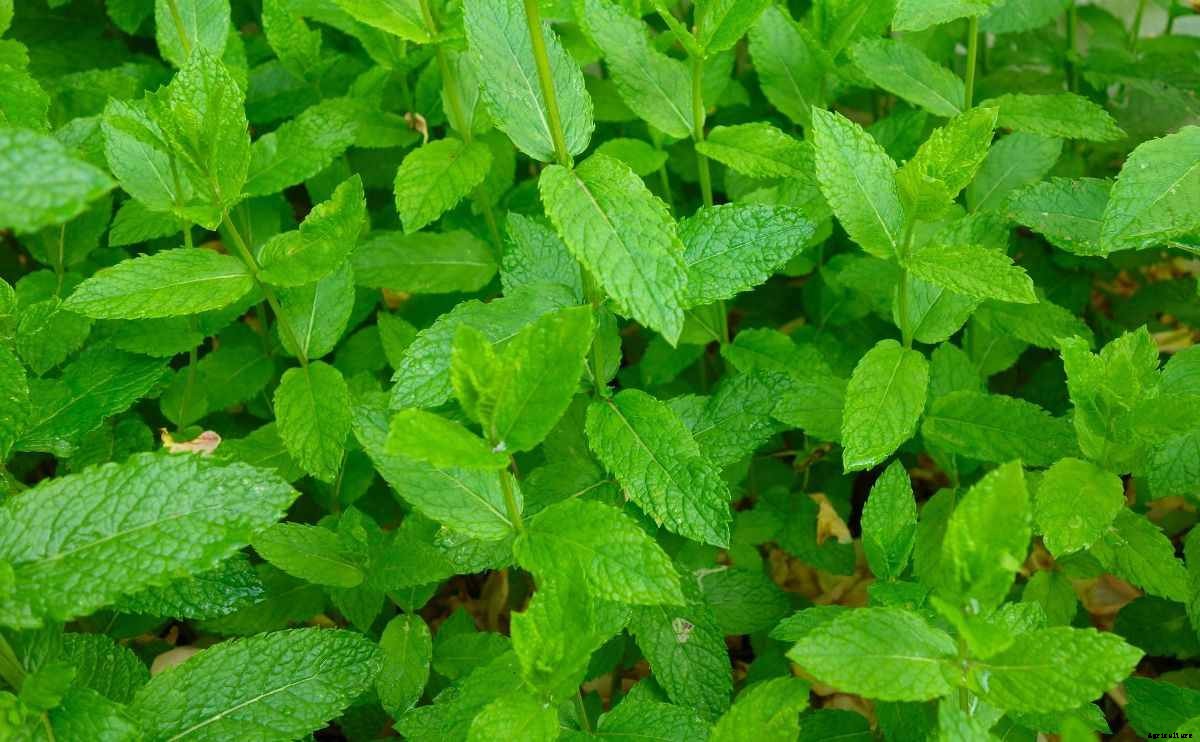
If you are purchasing your Mint in its dried form, choose organically grown Mint to ensure the herb has not undergone the process of irradiation, which can have many harmful health advantages not the least of which is killing all its nutrients. Better still, purchase organic fresh Mint leaves.
Mint plant requires light to germinate. If you buried the Mint seeds or even covered them lightly, they might not germinate. Likes soil temperature approximately 20-22°C. Mints generally do not transplant very well and do better direct seed into the garden or pot where they will remain.
If you plant Mint in a pot that is too small, it will grow very slowly. Also, the lack of adequate space for plant roots and water can result in your Mint plant dying.
Pluck Mint leaves off plants as needed, and snip sprigs about an inch above the soil. To dry Mint, cut off sprigs an inch above the soil, wash, and dry, bundle together and hang upside down in a dark, dry place.
In case if you are interested in this: Types of Gardening Tools and Their Uses.


