Introduction toGrowing Organic Kohlrabi in the Home Garden
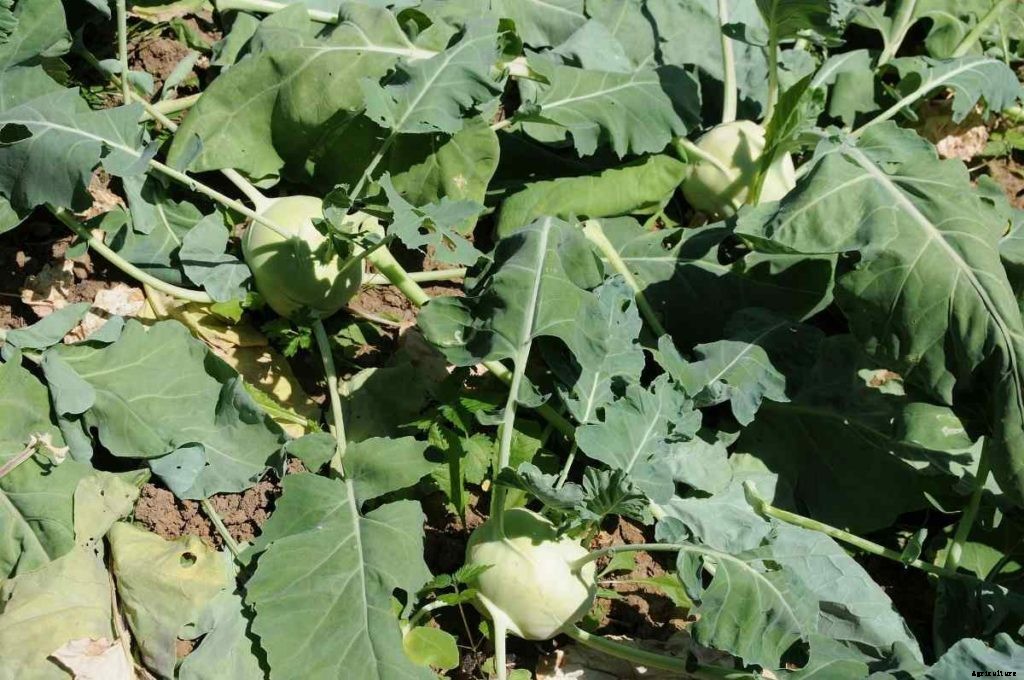
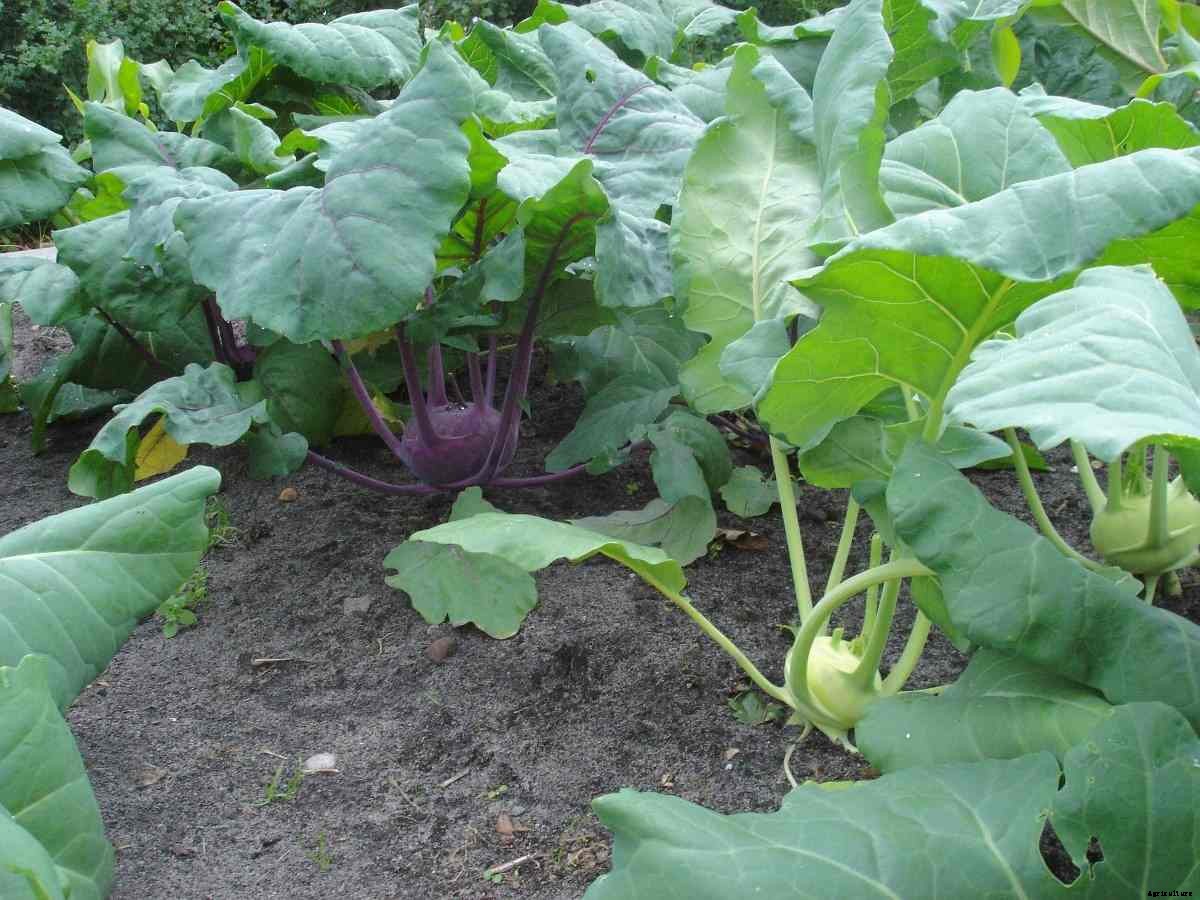
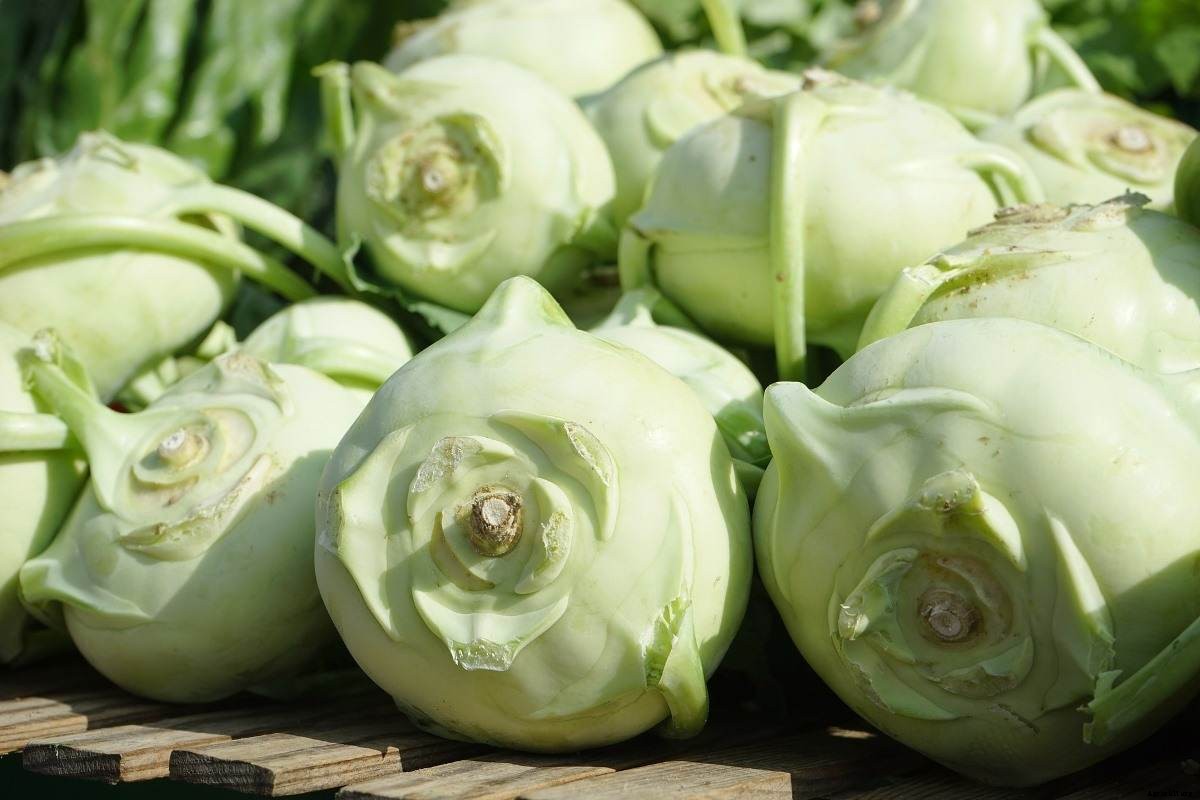
Kohlrabi is an herbaceous biennial plant grown for its edible stem. Growing organic Kohlrabi in the home garden is easy and enjoyable. Because Kohlrabi is a fast-growing plant and they become ready for harvesting within just a few weeks. It is a cool-season crop and you can try growing Kohlrabi in spring or fall season. The Kohlrabi has an erect stem that is swollen at the bottom and close to the soil. It has been said to have a cabbage or turnip taste but is milder and sweeter. Kohlrabi grows above ground, similar to that of a turnip. The bulbs can be white, green, or purple color depending on the variety.
A Step by Step Guide to Growing Organic Kohlrabi at Home
Kohlrabi is a hardy biennial grown as an annual plant. It is grown for its swollen base which is the plant’s stem. It is a good choice for gardens that don’t have deep soils. Growing the Kohlrabi plant is easy as long as you use the best planting dates for your climate. In most areas, you can grow spring and fall crops of fast-maturing Kohlrabi varieties, and end the season with a few storage-type Kohlrabi plants, which grow unusually large.
Kohlrabi is one of the easiest of the brassica family to grow and it is also known as a German turnip. It can handle temperature extremities better than its family members and it can be pretty unique looking in the home garden. The Kohlrabi plant is easy to grow, has few pests or disease problems, and grows quickly in cool weather. It makes a relatively care-free substitute for turnips.
Different Varieties of Kohlrabi
Kohlrabi plant comes in nearly two dozen varieties with different sizes, colors, flavors, resistance to disease, and length of storage life. You can choose from heirloom or hybrid varieties as well.
You can choose green and purple Kohlrabi varieties based on your preference. In either case, the bulb is white color on the inside when cut or peeled. Some chefs say the purple varieties have a sweeter taste; a few favorite purple options like ‘Kolibri’, ‘Rapid’, and ‘Purple Vienna’.
Green Kohlrabi varieties like ‘Korridor’ (F1; 50 days) and ‘Winner’ (F1; 45 days) are thriving in a wide range of climate changes. You can plant green and purple Kohlrabi varieties together to create a beautiful bed.
Purple Kohlrabi varieties like ‘Azur Star’ (58 days) and’ Kolibri’ (45 days) are easy to grow plants. Because cabbage worms and insects avoid the purple leaves.
Storage Kohlrabi varieties like Kossak’ (F1; 80 days),’Gigante’ (up to 130 days), and ‘Superschmelz’ (60 to 80 days). When given wide spacing, these Kohlrabi varieties produce large bulbs that are up to about 10 inches across. The Kohlrabi bulbs will store for weeks in a refrigerator. ‘Gigante’ produces a large, tasty bulb and it is disease resistant plant, and can be kept stored for a long period.
Organic Soil Preparation for Growing Kohlrabi
Grow Kohlrabi plant in well-worked, well-drained soil rich in organic matter. Grow Kohlrabi in rich and well-drained soil high in organic matter and compost. Then, keep soil evenly moist throughout the growing season to keep it from becoming woody. Mulch soil to preserve moisture and prevent weeds. Kohlrabi plant needs full sun for at least 6 hours. Kohlrabi is a member of the Brassicaceae family and it prefers growing conditions consisting of a well-drained soil high in organic matter with medium fertility but good consistent moisture. Kohlrabi plant should be planted in well-tilled soil enriched with compost. It’s hardy in most conditions, though it excels in soil with a pH level between 5.5 and 6.8. Good drainage helps avoid rot and blight in plants, so make sure you’ve got an area that doesn’t collect water too much.
Grow Kohlrabi in a Sunny Location
If you are direct sowing seeds into a garden bed or growing Kohlrabi in containers, you will want to select a location that receives a minimum of 6 hours of sunlight. Feed your Kohlrabi plant every other week with fish emulsion for best results. Space your Kohlrabi plants out at least 18 inches. Most Kohlrabi varieties can get very large.
How Do You Propagate Kohlrabi?
Kohlrabi plant can be direct seeded in the garden or started indoors to produce transplants. Kohlrabi seeds and transplants can be planted outdoors 1 to 2 weeks before the last frost date. For fall plantings, time seeding or transplanting so that plants mature no more than 2 to 3 weeks after the first frost date for the region. Seeds should be sown about 0.6-1.9 inches deep. Direct seeded plants must be thinned when the plants have 3-4 true leaves. Transplants and thinned seedlings should have a final spacing of 6 inches between plants and 12 inches between rows.
Plant Kohlrabi from Seed or Transplants
To start Kohlrabi seeds indoors, start seeds about 6 to 8 weeks before planting. Sow seeds about ¼ inch deep. Transplant in the garden 6 to 8 inches apart.
Sow seeds about 1 inch apart and ¼ inch deep to direct sow outdoors. Thin plants to 6 to 8 inches apart when seedlings are 2 to 3 inches tall.
If you buy transplants, first look for healthy Kohlrabi plants with green leaves and uncrowded roots. Avoid buying overgrown plants or transplants with yellowed plant leaves or aphids.
When and How to Plant Kohlrabi Organically
Grow Kohlrabi in loose and average soil. For your first spring sowing of Kohlrabi seed, start seeds indoors 6 weeks before your last spring frost date.
Kohlrabi plant is not as cold-tolerant as other cabbage family crops, so wait until 2 weeks before your last frost date to set out seedlings. This is also the best time to direct-sow Kohlrabi seeds in a well-prepared bed.
Direct-sow seeds about 4 to 6 weeks and about ¼ inches deep. You can start seedlings indoors 6 to 8 weeks before the last frost as well.
If started Kohlrabi indoors and transplanted, allow 2 additional weeks to maturity as a result of root insult at transplanting.
Sow seed about ¼ to ½ inch deep and be sure to heel or stamp the soil firmly.
Sow seed 2 inches apart and later thin to 5 to 8 inches in all directions.
Sow seed at dusk or on a cool, cloudy day for improving the germination process,
Kohlrabi seeds germinate in 5 to 10 days at an optimal temperature level of 21°C. For growing Kohlrabi, the optimum soil temperature is 18°C.
Kohlrabi plants are heavy feeders that demand moist, fertile soil with a pH between 5.5 to 6.8. Micronutrients are important, so take the time to amend the soil with compost and a standard application of a balanced organic fertilizer before planting Kohlrabi.
Thin or transplant seedlings to about 8 inches apart, but allow more space when growing large, vigorous storage varieties. Transplant seedlings when they are about 4 inches tall and thin to 5 inches apart in rows of about 1 foot apart.
When growing Kohlrabi in the spring season, use a biodegradable mulch of grass clippings or coarse compost to insulate the roots from summer’s heat.
Start seeds of storage varieties in midsummer, at about the same time you would sow cabbage or broccoli for fall harvest. This is about 90 days before your average first fall frost date.
Fertilize Kohlrabi with an organic fertilizer such as fish emulsion at half strength.
Common pest enemies are aphids, flea beetles, and cabbage root maggots, cabbage worms, and cabbage loopers.
Protect the seedlings from pests and cold for about 2 to 3 weeks after planting with spun poly row covers.
Water and Organic Fertilizer Requirement for GrowingKohlrabi
To prevent the stem from turning woody, keep the soil evenly moist. In containers watering plants frequently becomes even more important as they dry out quickly. In any case, avoid overwatering.
Then, keep soil evenly moist for quick plant growth. Kohlrabi that goes without water will become woody and then prepare planting beds with aged compost. Side dress Kohlrabi plant with aged compost once a month. Otherwise, you can feed Kohlrabi once a month with a plant-starter fertilizer or a balanced organic fertilizer.
In the spring season, you may need to protect Kohlrabi from cold winds with cloches or a tunnel covered with row cover or perforated plastic. Featherweight row cover held aloft with hoops or stakes is the easiest method to protect actively growing Kohlrabi from insects.
For growing Kohlrabi, use organic fertilizers because they have less of a tendency to burn new transplants, it’s always a good habit to get into when adding fertilizer.
Kohlrabi plant has a shallow root system and should be watered regularly to keep the plants from drying out. Aim to apply about 1 to 2 inches of water per week. The application of organic mulches to the plants will help to conserve water and keep the soil cool.
Fertilizing Kohlrabi with a good nitrogen fertilizer helps to ensure rapid plant growth. Plant care must be taken to avoid damage to the root system.
Kohlrabi is not an overly heavy feeder. Fertilizing Kohlrabi plant with 3 to 4 quarts per 100 square feet of a good organic all-purpose 5-5-5 fertilizer approximately 2 weeks before sowing or transplanting.
Organic Mulching for Growing Kohlrabi
Mulching helps to retain moisture in the soil, and then keep the soil cool. Also, it helps to control weeds from your garden. Use straw, grass clippings, hay, dry leaves, or homemade compost for mulching.
Plastic mulches can help conserve water, reduce weeding, and then allow earlier planting and maturity, particularly with transplants. Fabric covers are mainly used to protect seedlings and transplants from frosts and insect pests. Apply organic mulches when temperature levels increase above 26°C. Organic mulches such as grass clippings, straw, and shredded newspaper help cool the soil, reduce water stress, and also help to control weeds.
You may also like this: Terrace Hydroponic Gardening.
Organic Pests and Diseases Control for GrowingKohlrabi
Kohlrabi plants can be attacked by cutworms, cabbage loopers, and imported cabbage worms. Remove egg clusters from underneath plant leaves and wash plants with a diluted soap solution. Cabbage worms can be controlled by spraying with Bt (Bacillus thuringiensis).
Kohlrabi plants are less susceptible to garden pests and diseases. Although the Kohlrabi plants can be affected by aphids, cabbage worms, root maggots, and other caterpillars.
Remove the affected plant leaves and plants from the garden. And using homemade organic insecticides will also help control all these pests.
Kohlrabi plant is susceptible to cabbage yellows, clubroot, and downy mildew. Plant disease-resistant varieties. Remove and destroy infected plants.
Plastic and organic mulches effectively control weeds. Be sure to control weeds when Kohlrabi plants are small and be careful not to damage plant roots when cultivating.
Use insecticidal soaps, or strong water stream to dislodge insects like aphids, cabbage worms, and flea beetles in Kohlrabi plants.
When and How to Harvest Kohlrabi
Kohlrabi plant becomes ready for harvesting within a very short period after planting. You can harvest Kohlrabi at any time when they reach the desired size. The bulbs are ready for harvest when they grow to 2 to 3 inches in diameter. Don’t wait too long as young and tender bulbs are flavorful and crisp. Then, cut the stem from the plant’s base with the help of a knife. Use a perforated plastic bag to store Kohlrabi for about 2 to 4 weeks in a refrigerator.
Commonly Asked Questions about Growing Kohlrabi
Is Kohlrabi easy to grow?
Kohlrabi plant is easy to grow and fast to mature.
Does Kohlrabi need full sun?
Kohlrabi plant needs at least 6 hours of full sun each day; more is better. Give it fertile, well-drained, and moist soil with plenty of rich organic matter.
Is Kohlrabi a perennial?
Generally, Kohlrabi is a perennial plant, and it a cool-season vegetable, mostly grown as an annual for its edible stem.
Can Kohlrabi be grown in containers?
Kohlrabi plant is an excellent choice for container-grown plants. Just be sure to select a large enough container at least 16 inches in diameter and 16 inches deep and fill that container with a good potting soil mix that contains lots of nutrient-rich compost.
How much space does Kohlrabi need?
Sow Kohlrabi seeds ¼ inch deep and space plants 9-12 inches apart.
Why is my Kohlrabi not forming bulbs?
Kohlrabi does not form a bulb because plants are spaced too closely together. It can also come from poor growing conditions like too warm or freezing temperatures, too little water, or a nutrient deficiency.
How much time does it take for Kohlrabi to grow?
Kohlrabi plant is a cool-weather crop and it requires 45 to 60 days to reach maturity.
In case if you are interested in this: Organic Moringa Farming.